
July 26, 2025
Essential Steps for Fire Damage Recovery Process Explained
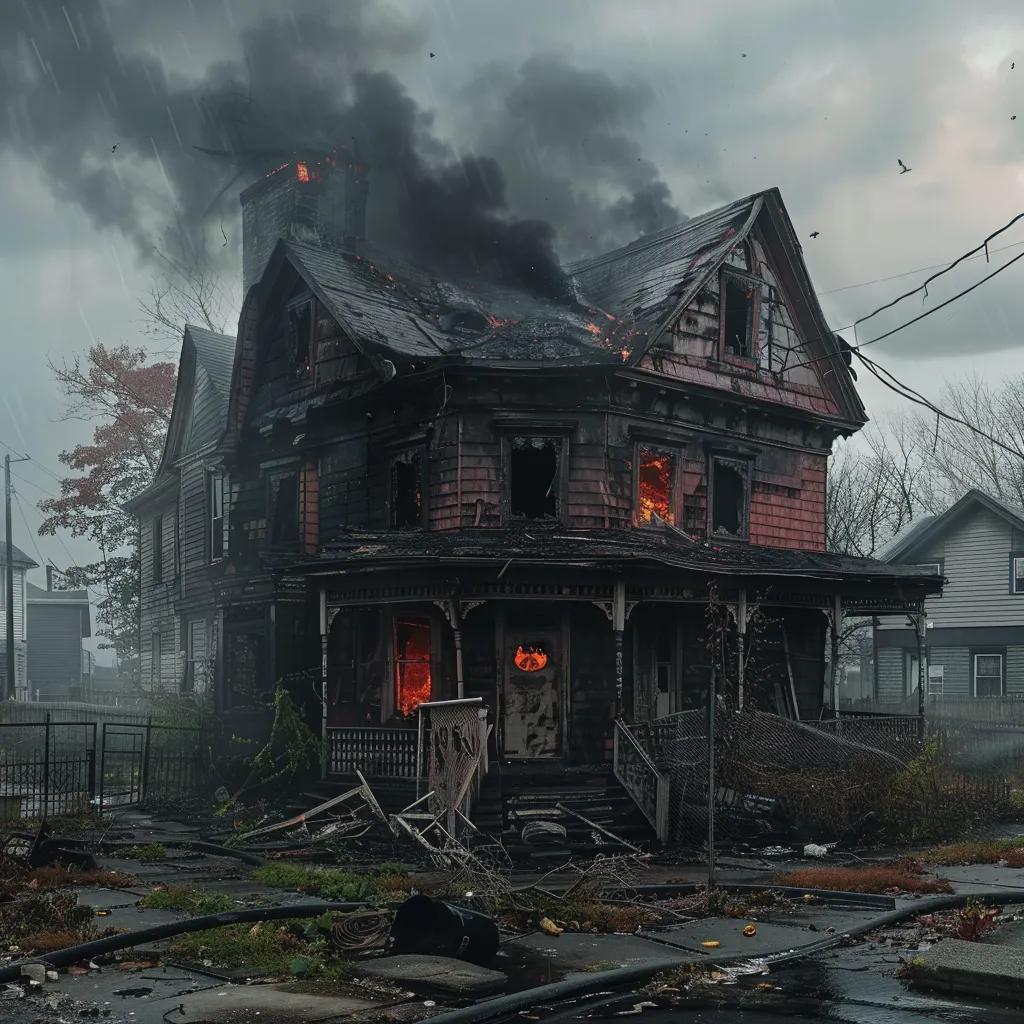
How to Navigate the Fire Damage Recovery Process: Step-by-Step Guide for Homeowners and Property Managers
Fire damage recovery process steps can overwhelm homeowners and property managers facing structural, safety, and emotional challenges after a blaze. Restoration Experts provides 24/7 emergency response and insurance claim support to help you navigate every phase—from urgent safety measures to final reconstruction. In this guide, you will learn immediate post-fire actions, professional damage assessment and inspection, advanced cleanup and remediation techniques, successful insurance claim strategies, rebuilding considerations, proactive preparedness tips, and emotional recovery resources. By following these structured steps, you can protect your property, maximize your claim settlement, and restore peace of mind with local experts across Long Island, NYC, Suffolk, and Nassau.
What Are the Immediate Steps After a Fire?
The first actions after a fire define safety, property protection, and claim viability by establishing a secure environment and clear documentation for insurance.
Immediate Actions After a Fire
The initial steps after a fire are crucial for safety and insurance claims. These steps include ensuring everyone is safe, contacting emergency services, and securing the property to prevent further damage [5, 10, 11]. Prompt notification to the insurance company is also essential to initiate the claim process [1, 5, 10, 11, 12].
West Coast Trial Lawyers
This source emphasizes the importance of immediate action, including contacting the insurance company, which aligns with the article’s guidance on the initial steps after a fire.
How Do You Ensure Safety and Contact Emergency Services?
Ensuring safety begins with confirming everyone is accounted for and waiting for fire authorities to declare the scene secure, which prevents further injury and establishes official clearance.
- Evacuate all occupants and pets to a safe distance.
- Report any lingering hotspots to the fire department.
- Obtain a written or verbal safety clearance from fire officials before re-entry.
These precautions reduce risk and lay the groundwork for board-up and restoration services.
What Should You Do to Secure and Protect Your Property?
Securing property through board-up and tarping prevents vandalism, weather damage, and further structural collapse, preserving evidence for insurers.
- Engage professional board-up services to cover windows, doors, and roof openings.
- Install temporary fencing or lighting to deter trespassers.
By stabilizing the site, you maintain asset integrity and insurance compliance.
Request Emergency Board-Up Services
How Can You Find Temporary Housing and Support?
Finding temporary housing through insurance-approved accommodations and community resources ensures continuity of living while repairs are underway.
- Contact your insurer about Additional Living Expenses (ALE) coverage.
- Research nearby hotels or rental properties that accept ALE.
- Reach out to the American Red Cross for emergency shelter referrals.
Accessing immediate housing support safeguards family well-being and aligns with policy benefits.
When and How Should You Notify Your Insurance Company?
Notifying your insurance company within 24 hours initiates your claim, unlocking professional guidance and claim documentation support from restoration specialists.
- Call your insurer’s emergency hotline to report the loss.
- Provide basic information: policy number, date of loss, and extent of damage.
- Schedule a joint inspection with your adjuster and a restoration expert.
Prompt notification accelerates claim approval and secures funding for recovery.
How Is Fire Damage Assessed and Inspected Professionally?

Professional assessment defines the full scope of fire, smoke, and water damage to ensure safe restoration planning and accurate insurance documentation.
Professional Fire Damage Assessment
Professional assessment is essential to determine the full scope of fire, smoke, and water damage. This process involves identifying structural damage, smoke and soot damage, and water damage to determine the appropriate remediation methods and cost estimates [16, 20]. Structural engineers play a vital role in evaluating the integrity of the building’s components [2, 4, 15, 16].
Applied Technical Services
This source supports the article’s emphasis on the role of structural engineers in assessing fire damage, which is a key aspect of the professional assessment phase.
What Types of Fire Damage Should Be Identified?
Fire damage assessment identifies structural, smoke & soot, and water damage to determine tailored remediation methods and cost estimates.
| Type of Damage | Characteristic | Impact on Restoration |
|---|---|---|
| Structural Damage | Warped beams, weakened walls after high heat exposure | Requires engineering review |
| Smoke & Soot | Acidic residue on surfaces, discoloration, lingering odor | Demands specialized cleaning |
| Water Damage | Saturated materials, mold risk from firefighting efforts | Needs rapid extraction |
Distinguishing these categories enables targeted cleanup and claim accuracy.
How Does a Structural Engineer Evaluate Building Integrity?
A structural engineer examines load-bearing elements for warping, charring, and compromised connections to certify safety before reconstruction.
- Conduct on-site visual and instrumented testing of beams and columns.
- Analyze load calculations against current damage.
- Issue a signed report certifying safe zones and demolition areas.
This evaluation protects occupants and streamlines rebuilding permits.
Why Is Air Quality Testing Important After Fire Damage?
Air quality testing measures particulate matter, volatile organic compounds (VOCs), and smoke residues to protect health and guide HVAC cleaning strategies.
- Sample indoor air in multiple zones.
- Compare results to OSHA and EPA standards.
- Recommend filtration levels and re-testing intervals.
Air Quality Testing After Fire Damage
Air quality testing is a critical step in the recovery process after a fire, as it helps identify and address hidden dangers posed by soot, ash, and smoke odors [3, 7, 8, 9]. Testing identifies and quantifies contaminants, enabling a health risk assessment and guiding targeted restoration efforts [3, 6, 7, 8, 9].
PuroClean Disaster Restoration
This source supports the article’s emphasis on the importance of air quality testing after a fire, which is crucial for ensuring a safe and healthy environment.
Ensuring breathable air prevents respiratory issues and validates restoration completeness.
How Do Restoration Experts Document Damage for Insurance Claims?
Restoration experts compile photo-video evidence, detailed scope reports, and inventory logs to support insurance adjusters and maximize settlement.
- Photograph every damaged area and personal belonging.
- Generate a digital inventory with estimated replacement values.
- Attach moisture and air quality readings to technical reports.
Thorough documentation accelerates claim approval and avoids settlement disputes.
What Are the Effective Fire Damage Cleanup and Remediation Techniques?
Effective remediation combines advanced cleaning methods, water extraction protocols, and content restoration processes to return your property to pre-loss condition.
How Is Smoke and Soot Removed Using Advanced Methods?
Advanced smoke and soot removal employs thermal fogging, dry ice blasting, and HEPA filtration to eliminate residues and odors at the molecular level.
| Method | Mechanism | Benefit |
|---|---|---|
| Thermal Fogging | Disperses deodorizers in fine mist | Neutralizes odor deep in materials |
| Dry Ice Blasting | Sublimes CO₂ pellets to remove soot | Cleans surfaces without water |
| HEPA Filtration | Captures particles down to 0.3 microns | Improves indoor air quality |
These techniques restore appearance and air quality efficiently.
How Is Water Damage from Firefighting Mitigated?
Water extraction and drying use commercial pumps and industrial dehumidifiers to prevent mold growth and secondary damage within 24–48 hours.
- Deploy submersible pumps for standing water removal.
- Position directional air movers and dehumidifiers in flood zones.
- Monitor moisture levels until they return to safe thresholds.
Swift mitigation reduces long-term structural and microbial risks.
Learn About Water Extraction Services
What Is the Process for Contents Cleaning and Restoration?
Contents restoration leverages ultrasonic cleaners, freeze-drying, and pack-out procedures to salvage personal items and furnishings.
- Catalog and pack affected items in a controlled environment.
- Sort by material and damage level for tailored cleaning.
- Apply ultrasonic or ozone treatments, then return cleaned items.
This process preserves irreplaceable possessions and accelerates homeowner satisfaction.
How Is HVAC System Cleaning Performed After Fire Damage?
HVAC cleaning removes soot, debris, and microbial contaminants from ducts, coils, and ventilation components to prevent re-contamination.
- Seal and isolate ductwork openings.
- Vacuum with HEPA-filtered negative-pressure systems.
- Sanitize coils and drip pans with EPA-approved disinfectants.
Comprehensive HVAC restoration ensures safe air distribution and odor control.
How Do You File a Fire Insurance Claim Successfully?

Fire Insurance Claim Process
Filing a successful fire insurance claim requires a deep understanding of the policy, meticulous documentation, and strategic interaction with adjusters [1, 5, 10, 11, 12]. Documenting damage with photos, a detailed inventory, and expert reports provides irrefutable evidence to the insurer [5, 10, 11, 12]. Engaging a public adjuster can often increase recoverable funds [1, 5, 10, 11, 12].
TATA AIG
This source supports the article’s guidance on the fire insurance claim process, emphasizing the importance of documentation and understanding policy details.
What Should You Know About Your Fire Insurance Policy?
Understanding policy components—dwelling coverage, personal property, ALE, and code upgrade protection—ensures you claim every eligible benefit.
- Review coverage limits for structure and contents.
- Check for additional living expense caps and duration.
- Identify endorsements for ordinance and law upgrades.
Policy clarity prevents under-claiming and unexpected out-of-pocket costs.
How Do You Document and Submit Damage for Your Claim?
Documenting damage with date-stamped photos, a detailed inventory, and expert scope reports provides irrefutable evidence to your insurer.
- Photograph each room and item from multiple angles.
- Compile an itemized list with descriptions and estimated values.
- Submit a combined digital package via your insurer’s portal.
Thorough submissions accelerate adjuster review and payment.
What Is the Role of Insurance Adjusters and Public Adjusters?
Insurance adjusters assess losses on behalf of the insurer, while public adjusters advocate for policyholders to maximize settlement outcomes.
- Company adjusters inspect and draft an initial estimate.
- Public adjusters review the estimate, negotiate for additional coverage, and handle appeals.
Engaging a public adjuster often increases recoverable funds by 10–20%.
How Can You Maximize Your Fire Insurance Claim Settlement?
Maximizing settlement involves documenting every loss category, challenging low estimates, and leveraging expert testimonies to justify repair costs.
- Include code upgrade and debris removal expenses.
- Submit contractor bids and structural engineer reports.
- Negotiate with your adjuster using line-item cost breakdowns.
Strategic advocacy secures a comprehensive restoration budget.
What Additional Living Expenses Are Covered by Insurance?
Additional Living Expenses (ALE) coverage reimburses costs for temporary housing, meals, storage, and transportation while repairs are underway.
- Keep all receipts for lodging and meals.
- Track storage unit fees and relocation mileage.
- Submit expense summaries weekly to your insurer.
ALE benefits maintain household stability without financial strain.
What Are the Key Considerations for Rebuilding and Reconstruction After Fire?
Rebuilding and Reconstruction After Fire
Reconstruction planning focuses on contractor qualification, permit compliance, material selection, and realistic timelines to achieve code-compliant, fire-resistant rebuilding [22, 24]. Selecting qualified contractors with fire restoration certifications and local references ensures quality work and timely permits [22]. Incorporating fire-resistant materials enhances safety and reduces future risk [22].
CK Restoration
This source supports the article’s discussion of rebuilding and reconstruction, emphasizing the importance of qualified contractors and fire-resistant materials.
How Do You Choose Qualified Contractors for Fire Damage Repairs?
Selecting contractors with fire restoration certifications, local references, and proven insurance experience ensures quality work and timely permits.
- Verify IICRC or RIA credentials.
- Check portfolio of local Long Island and NYC restorations.
- Confirm insurance billing and lien waiver processes.
Qualified contractors streamline reconstruction and regulatory approvals.
What Permits and Regulations Apply to Fire Damage Reconstruction?
Local building departments in Nassau, Suffolk, and NYC require permits for structural repairs, electrical work, and code-driven upgrades after fire damage.
- Submit engineering reports and scope documents for permit applications.
- Comply with updated fire-safety codes and sprinkler requirements.
- Schedule inspections at framing, electrical, and final stages.
Adhering to regulations avoids delays and costly rework.
How Can Fire-Resistant Materials Improve Your Rebuilt Property?
Incorporating materials like gypsum-based sheathing, fire-retardant paints, and Class A roofing enhances safety and reduces future risk.
- Use Type X drywall for improved fire resistance.
- Select treated wood framing that slows flame spread.
- Install Class A asphalt shingles or metal roofing.
Fire-resistant upgrades boost property value and insurance leverage.
What Is the Typical Timeline and Cost for Fire Damage Reconstruction?
Reconstruction timelines range from 8 weeks for minor repairs to 6+ months for full rebuilds, with costs averaging $50–$150 per square foot, depending on materials and labor.
- Minor interior repairs: 4–8 weeks.
- Full structural rebuild: 4–6 months.
- Budget variations reflect local labor rates and material choices.
Timeline and Cost of Fire Damage Restoration
The timeline for fire damage restoration varies depending on the extent of the damage, ranging from a few days to several months [21, 22, 23, 24]. Costs can range from a few thousand dollars to millions, depending on the extent of the damage and the materials used [21, 24, 25].
Angie’s List
This source supports the article’s discussion of the timeline and cost of fire damage restoration, emphasizing the variability based on the extent of the damage.
Realistic expectations guide budgeting and scheduling decisions.
How Can Homeowners and Property Managers Prepare for Fire Damage?
Proactive preparedness combines prevention strategies, emergency planning, and adequate insurance coverage to minimize loss and streamline recovery.
What Fire Prevention Strategies Reduce Risk?
Implementing sprinklers, smoke alarms, and defensible space management cuts fire occurrence and limits damage severity.
- Install interconnected smoke and CO detectors on every level.
- Maintain a 30-foot clear zone around structures.
- Schedule annual inspection of electrical systems.
Prevention reduces loss frequency and severity.
How Should You Develop a Fire Emergency Plan?
A comprehensive emergency plan outlines evacuation routes, family or staff roles, and communication protocols to ensure orderly response.
- Map primary and secondary exit paths from each room.
- Assign meeting points and designate a chain of command.
- Practice drills twice a year and update contacts.
Preparedness ensures swift, safe evacuations and clear post-fire actions.
What Insurance Coverage Should You Maintain for Fire Protection?
Maintaining dwelling, contents, ALE, and ordinance coverage ensures full financial backup for structural, personal, and code-upgrade expenses after a fire.
- Confirm dwelling limits cover full rebuild cost.
- Adjust personal property coverage annually.
- Add endorsement for ordinance upgrades if in historic districts.
Comprehensive policies prevent under-insurance risks.
How Do You Manage Emotional Recovery and Stress After a Fire?
Emotional Recovery and Support
Emotional recovery after fire damage involves accessing support networks, practicing coping strategies, and seeking professional counseling when trauma persists [13, 14, 17, 18]. Organizations like the American Red Cross and the Disaster Distress Helpline offer crisis counseling and peer support groups [13, 14, 17, 18]. Professional counseling is recommended when persistent anxiety or mood changes interfere with daily life [13, 14, 17, 18].
UCLA Health
This source supports the article’s guidance on emotional recovery, highlighting the availability of resources for psychological support.
What Resources Are Available for Emotional and Psychological Support?
Organizations like the American Red Cross, FEMA Disaster Distress Helpline, and local community centers offer crisis counseling and peer support groups.
- Call the Disaster Distress Helpline at 1-800-985-5990.
- Attend local recovery workshops through the Red Cross.
- Join peer support forums facilitated by community centers.
Leveraging these resources promotes resilience and connectedness.
How Can You Cope with the Trauma of Fire Damage?
Coping strategies such as journaling, guided meditation, and structured routines restore a sense of control and reduce anxiety symptoms.
- Write daily reflections to process loss.
- Practice breathing exercises for stress relief.
- Maintain regular sleep and meal schedules.
Consistent routines and self-care foster emotional stability.
When Should You Seek Professional Counseling?
Professional counseling is recommended when persistent anxiety, sleep disruption, or mood changes interfere with daily life for more than two weeks.
- Look for licensed therapists specializing in trauma recovery.
- Explore telehealth options if in-person sessions are unavailable.
- Involve family or group counseling for shared healing.
Early intervention prevents long-term mental health challenges. Recovering from fire damage demands a structured, step-by-step approach to safety, assessment, cleanup, claims, rebuilding, prevention, and emotional support. By partnering with local experts like Restoration Experts and following these guidelines, homeowners and property managers in New York can protect their investments, optimize insurance benefits, and regain peace of mind. For 24/7 emergency response and comprehensive restoration services, visit Restoration Experts or request a free consultation today.