
July 26, 2025
Emergency Water Damage Repair: Fast and Reliable Help
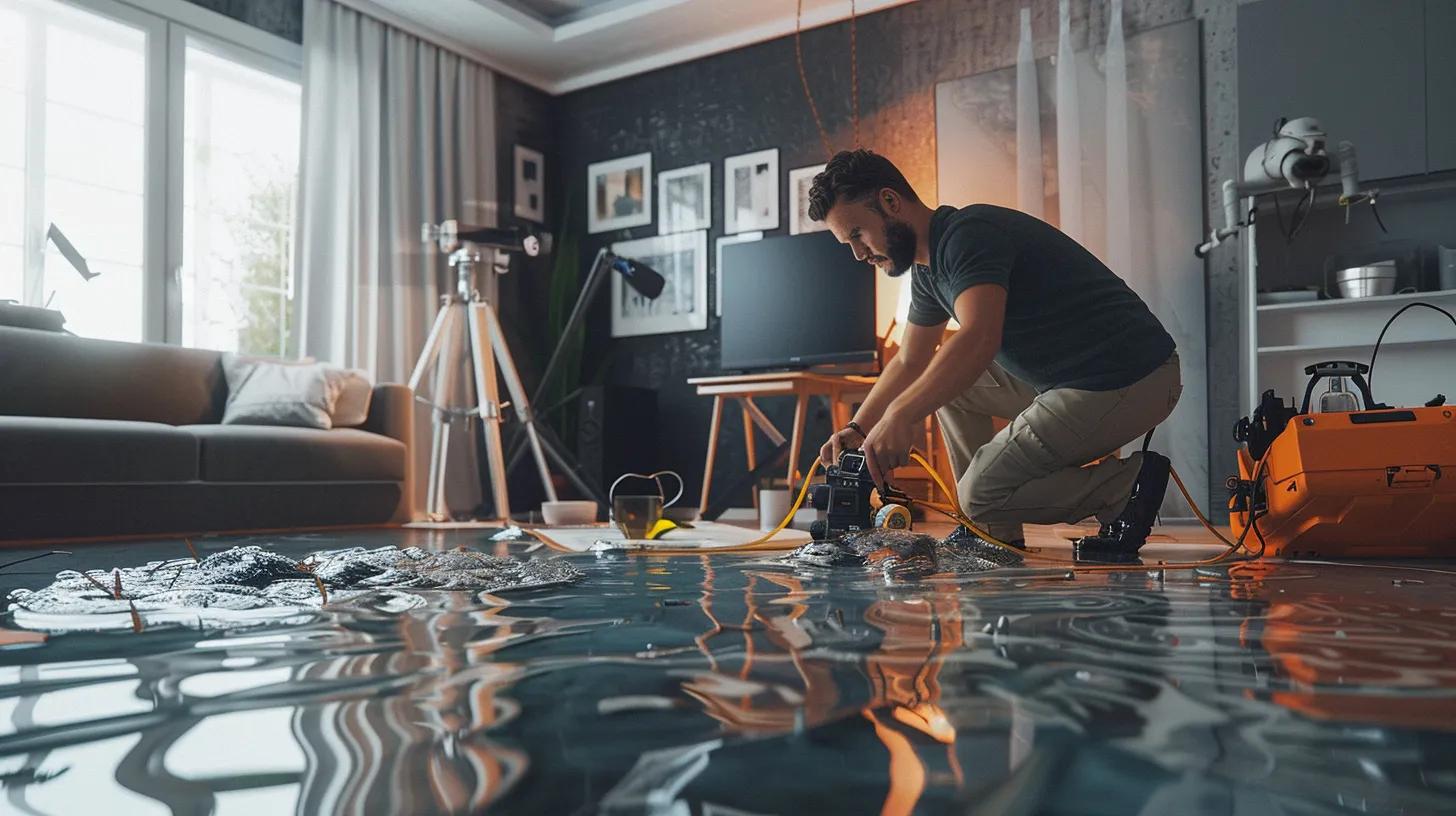
Comprehensive Emergency Water Damage Repair Solutions
Emergency water damage can affect any property by causing structural harm and costly repairs if not addressed promptly. Homeowners, property managers, and commercial building owners in New York—including Long Island, NYC, Suffolk, and Nassau—must recognize common causes, take immediate actions, and understand restoration techniques. This article outlines the causes, immediate responses, restoration strategies, professional service benefits, insurance options, and long-term prevention measures. Full-service restoration experts in Ronkonkoma, NY, offer 24/7 emergency services using advanced tools like 3D imaging and deodorization to ensure rapid recovery.
Understand the Causes of Emergency Water Damage in Your Property
Water damage can arise from various sources. Early identification of these causes helps minimize repair costs and plan effective restoration measures.
Identify Common Sources of Water Damage in Homes and Businesses
Common causes include: – Roof Leaks: Resulting from aging or storm damage, allowing water to penetrate attics and ceilings. – Burst or Frozen Pipes: Frequently leading to extensive interior flooding. – Flooding: Often due to heavy rains or poor drainage. – Malfunctioning Appliances: Such as dishwashers and washing machines, causing localized water intrusion.
Regular maintenance is critical; homes without routine plumbing checks can experience significantly higher damage. Early detection allows restoration experts to effectively plan repairs and insurance assessments.
Learn About Natural Disasters and Their Impact on Buildings
Natural disasters like hurricanes, heavy rains, and flash floods overwhelm drainage systems and damage structures. When protective measures are exceeded, water penetrates foundations and walls. For example, record-breaking rains in New York have led to severe property damage. Understanding local weather patterns and investing in disaster-resistant measures can reduce these impacts. Homeowners should monitor forecasts and heed emergency alerts.
Recognize Plumbing Failures That Lead to Water Intrusion
Plumbing issues such as corroded pipes, improper installation, or sudden burst from pressure fluctuations are common water damage sources. Regular inspections and immediate repairs are essential; prompt activation of shut-off valves can contain damage to minimal areas. Restoration experts stress that quick fixes can limit damage significantly, whereas delays escalate repair costs and risks.
Assess Risks From Appliances and Fixtures in Your Space
Appliances like refrigerators, water heaters, and HVAC systems can cause water damage if seals fail or components wear out. Older installations may be particularly vulnerable. Installing moisture sensors near these fixtures and periodic professional inspections can help detect early signs of water problems, reducing the likelihood of significant damage.
Discover Seasonal Factors Contributing to Water Damage
Seasonal weather affects water damage risks: – Winter: Freezing temperatures may cause pipes to burst. – Rainy Season: Poorly maintained gutters may overflow and lead to water infiltration.
Season-specific maintenance, including gutter cleaning and drainage solutions, is essential to minimize seasonal risks.
Examine the Consequences of Delayed Repairs and Maintenance
Delayed repairs allow minor issues to evolve into major damage problems. Extended water exposure can lead to mold growth, structural deterioration, and higher repair costs. Prompt detection and repair are vital to safeguard property value and ensure safety, as mold may form within 24 to 48 hours after intrusion.
Implement Immediate Actions After Water Damage Occurs
Immediate action can limit further harm and simplify the restoration process.
Take Safety Precautions When Entering a Water-Damaged Area
Before entering a damaged area, ensure personal safety: – Wear protective gear (gloves, boots, masks). – Use visual inspection from a distance to identify hazards like exposed electrical components or mold. – Treat all damp areas as potentially unsafe until inspected by professionals.
Shut Off Electricity and Water Supply to Prevent Hazards
Immediately turn off electricity and water supplies. This minimizes risks such as electrocution and prevents the water source from compounding damage. In older properties, professional help might be required to locate shut-off valves.
Move Belongings to Higher Ground to Protect Them
Relocate valuables and electronics to dry areas to prevent irreversible harm. Documenting the items before moving them can assist with insurance claims. Create a safe pathway to quickly reposition possessions and reduce potential losses.
Use Towels and Mops to Manage Excess Water
While professional extraction equipment is ideal, using towels, mops, and buckets can help remove standing water until experts arrive. This reduces secondary damage and gives an initial measure of the flood’s severity, guiding further restoration efforts.
Document Damage for Insurance Purposes
Accurate documentation is critical. Take photographs and detailed notes of affected areas, and keep logs of expenses for supplies and services. This evidence supports insurance claims and serves as a reference for future maintenance.
Contact Professional Help for Comprehensive Assessment
Certified restoration experts have the tools and expertise to detect hidden moisture and structural issues. Their assessments, which include moisture meters and thermal imaging, provide an accurate damage evaluation crucial for insurance and repair planning.
Explore Effective Water Damage Restoration Techniques
Restoration involves multiple steps to remove water, prevent mold, and restore structural integrity.
Utilize Water Extraction Equipment for Quick Recovery
The first priority is extracting water using industrial-grade pumps and vacuums. Rapid extraction minimizes water seepage into materials like drywall and insulation, reducing the potential for mold and bacterial growth. Moisture meters are used to ensure all areas are adequately dried.
Apply Anti-Microbial Treatments to Control Mold Growth
After water removal, applying EPA-approved anti-microbial treatments to surfaces, carpets, and structural elements prevents mold and mildew. Early treatment—within 24–48 hours—significantly reduces contaminant levels and protects occupant health.
Use Dehumidifiers to Reduce Humidity Levels Effectively
Industrial dehumidifiers lower ambient moisture, ensuring even hidden areas dry completely. By maintaining humidity between 30% and 50%, these units deter mold growth. Restoration experts often deploy multiple dehumidifiers for uniform drying across large spaces.
Reconstruct and Repair Structural Damage Promptly
Once moisture and microbial risks are under control, reconstruction begins. This may include replacing damaged drywall, flooring, or insulation. Immediate repairs prevent long-term structural issues, and using water-resistant materials can improve future resilience.
Implement Preventive Measures to Avoid Future Issues
Long-term strategies include: – Installing water detection sensors. – Improving drainage and gutter systems. – Utilizing water-resistant building materials. Routine inspections of plumbing, roofing, and appliances also play a critical role in prevention.
Follow Up With Maintenance to Ensure Lasting Results
Post-restoration maintenance is essential to avoid future damage. Regular inspections, aided by moisture sensors or thermal cameras, help identify emerging issues early. A scheduled maintenance plan safeguards the property and prolongs the lifespan of repairs.
Evaluate the Role of Professional Services in Water Damage Repair
Professional restoration services offer expertise, efficiency, and a smoother insurance claim process compared to DIY efforts.
Research Reputable Water Damage Restoration Companies
When choosing a restoration service, research companies with strong accreditation (e.g., IICRC) and positive customer testimonials. A reputable company may also offer mold remediation, reconstruction, and content restoration. Comprehensive reviews ensure that the chosen service meets quality standards while fitting within budget.
Compare Costs of DIY Versus Professional Services
DIY repairs might seem economical but can incur higher long-term costs due to missed hidden damage and safety risks. Professional services have specialized equipment and training, often working directly with insurers, resulting in faster recovery and reduced overall expenses.
Understand the Benefits of Hiring Certified Technicians
Certified technicians use advanced tools like moisture meters and thermal imaging to identify hidden water damage. Their documented expertise minimizes repair times and ensures comprehensive treatment, reducing future risks.
Discuss Timeframes for Effective Water Damage Resolution
Time is critical. Professional restoration companies can typically respond within hours, reducing the likelihood of complications such as mold growth. Quick intervention shortens overall restoration time, with clear communication on timelines helping homeowners plan effectively.
Inquire About Customer Reviews and Success Stories
Customer feedback and case studies provide insight into the reliability and effectiveness of a service. Positive reviews and documented successes build confidence in prompt and professional treatment.
Establish Communication With Service Providers for Clarity
Clear, ongoing communication with restoration experts is crucial. Homeowners should discuss damage scope, repair plans, estimated costs, and timelines. Regular updates via phone or email help manage the project and coordinate insurance claims.
Learn About Insurance and Water Damage Coverage Options
Insurance plays a vital role in covering water damage recovery costs. Understanding policy details and available options can prevent unexpected expenses.
Review Your Homeowners Insurance Policy for Water Damage
Insurance policies vary; most cover sudden incidents like burst pipes or storm damage but may exclude gradual leaks. Reviewing policy details—including deductibles and claim limits—and discussing specifics with an agent can reveal coverage gaps.
Understand What Is Covered Under Different Plans
Coverage differs between plans. Some policies offer extensive restoration support including mold remediation and structural repairs, while others cover only immediate fixes. Flood insurance is typically separate. Understanding these nuances helps maximize reimbursements.
Collect Necessary Documentation for Insurance Claims
Filing a successful insurance claim requires thorough documentation. Photographs, repair estimates, emergency supply receipts, and professional evaluations support the claim and streamline the process.
Explore Additional Coverage Options for Peace of Mind
Additional policies, such as flood insurance or equipment breakdown coverage, may be necessary for comprehensive protection. Consulting with an insurance specialist can help identify and fill any coverage gaps.
Speak With an Insurance Agent to Clarify Details
Direct communication with an insurance agent can clarify complex policy language, coverage limits, and filing procedures—ensuring that homeowners fully understand their protections.
Keep Records of Repairs for Future Reference
Maintain detailed records of all repairs, including before-and-after photos and invoices. These documents aid in future claims and serve as evidence of sustained property maintenance.
Adopt Long-Term Strategies to Prevent Water Damage
Prevention strategies and regular maintenance reduce the risk of future water damage and extend the lifespan of your property.
Regularly Inspect Plumbing and Fixtures for Leaks
Perform routine checks of plumbing systems, including pipes, faucets, and water heaters, to detect early signs of corrosion or pressure changes. Annual professional inspections, combined with regular DIY checks, can prevent minor leaks from worsening.
Maintain Gutters and Downspouts to Control Water Flow
Gutters and downspouts are critical for directing rainwater away from foundations. Regular cleaning, proper alignment, and the use of gutter guards help prevent overflow and related water damage.
Invest in Water Detection Devices for Early Warnings
Water sensors installed near high-risk areas such as basements and appliance zones can alert homeowners to leaks. Early detection via technology helps mitigate damage by prompting swift action.
Create a Maintenance Schedule for Seasonal Checks
A seasonal maintenance schedule, including inspections of roofs, gutters, and plumbing, ensures issues are addressed before they escalate. Regularly scheduled checks help maintain the building’s longevity and reduce repair surprises.
Educate Your Family or Team About Water Safety
Educate occupants on recognizing early signs of water damage, using shut-off valves, and knowing when to call for professional help. Increased awareness improves response time during emergencies.
Plan Landscaping to Direct Water Away From Your Property
Proper landscaping, including appropriate grading and drainage features like French drains or rain gardens, directs runoff away from the building. Effective landscape design supports overall water management and reduces flood risks.
Final Thoughts
Water damage is a serious threat that demands immediate action and reliable restoration. By understanding the causes, responding quickly, and following comprehensive restoration techniques, property owners can protect their investments and curb repair costs. Long-term prevention, paired with proper insurance coverage and ongoing maintenance, creates a resilient environment where future risks are minimized. Trust in professional restoration experts ensures the best possible recovery outcomes.
Frequently Asked Questions
Q: What are the primary causes of emergency water damage?
A: Water damage is usually caused by plumbing failures, natural disasters, roof leaks, appliance malfunctions, and seasonal weather conditions. Each factor can lead to significant water intrusion if not promptly addressed.
Q: How quickly should professional restoration services be contacted after water damage occurs?
A: It is recommended that professional restoration services are contacted within 24 hours. A rapid response helps prevent mold growth, further structural damage, and minimizes repair costs.
Q: Can I manage water damage restoration myself, or should I hire professionals?
A: While minor leaks might be manageable, significant water damage requires professional intervention due to specialized equipment and expertise needed for thorough drying, mold prevention, and structural repairs.
Q: How do dehumidifiers contribute to the water damage restoration process?
A: Dehumidifiers lower ambient moisture levels to facilitate complete drying, including in hidden areas like wall cavities and subfloors, which is critical for preventing mold growth.
Q: What documentation is needed for insurance claims related to water damage?
A: Homeowners should document water damage with photographs, repair estimates, receipts for emergency supplies, and professional assessment reports. Proper documentation is essential for successful claims.
Q: How can homeowners prevent future water damage?
A: Preventive measures include inspecting plumbing and roofs regularly, maintaining gutters and downspouts, installing water detection devices, and establishing a consistent maintenance schedule. Educating occupants on water safety also helps in prevention.
Q: What makes professional restoration services more effective than DIY approaches?
A: Professional restoration companies use advanced equipment such as industrial water extractors, dehumidifiers, and moisture sensors. Their expertise in detecting hidden damage and coordinating with insurance companies ensures thorough and efficient repairs.