
July 26, 2025
What to Expect From Emergency Water Damage Services
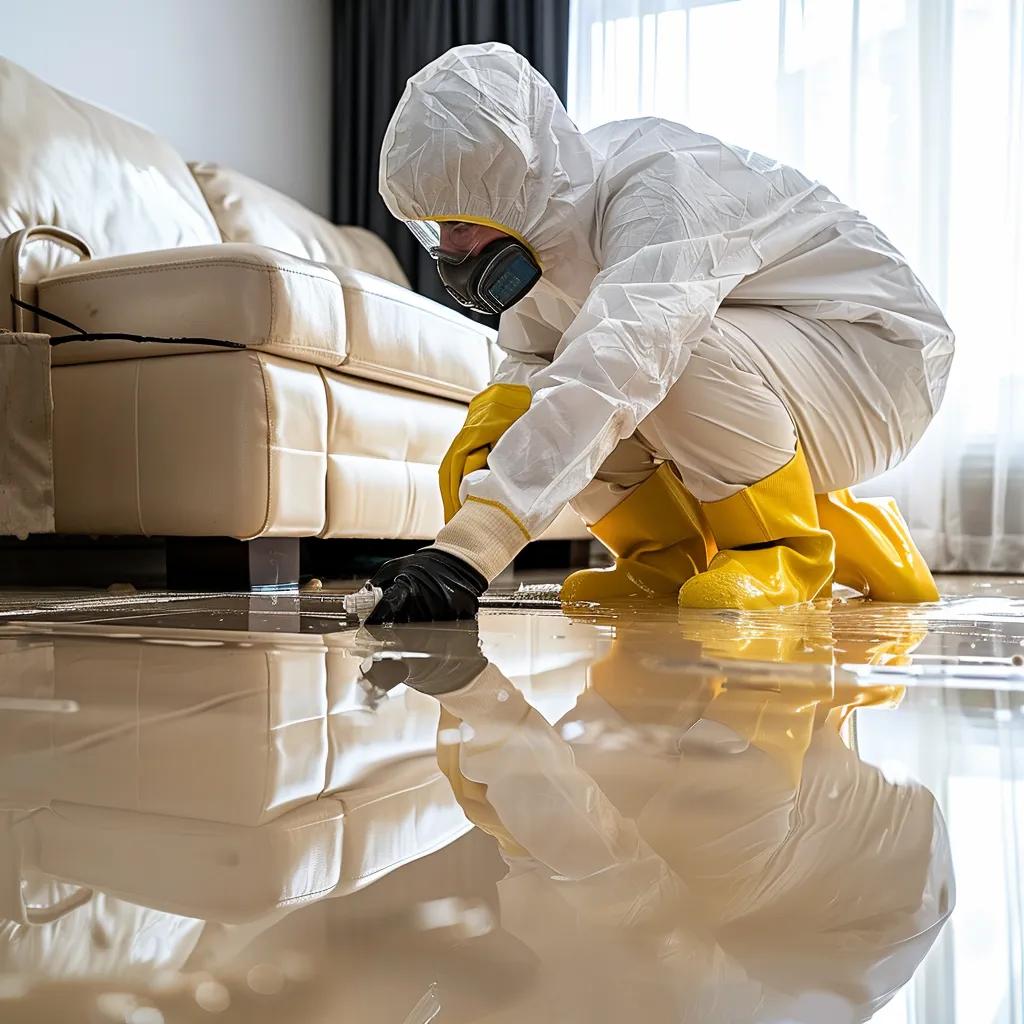
What to Expect From Emergency Water Damage Restoration Services: A Complete Guide for Homeowners and Property Managers
Every year, water damage claims average more than $11,000 per incident, making rapid intervention essential to protect your property and finances. In this guide to emergency water damage restoration services, we’ll explain how water intrusion is classified, the immediate actions you must take, the full restoration workflow, insurance claim navigation, the advantages of hiring local certified experts, typical timelines and costs, and proven prevention strategies. By following these insights, you’ll save time, reduce secondary damage like mold, and ensure a smooth recovery process with RestorationExperts.com’s professional support.
Water Damage Costs
Water damage claims average over $11,000 per incident, highlighting the financial impact of water intrusion on property owners. Rapid intervention is essential to mitigate these costs and protect investments.
Insurance Information Institute, Facts + Statistics: Water Damage and Mold (2024)
This statistic underscores the importance of the information provided in the article regarding the need for immediate action and professional help.
What Is Emergency Water Damage and How Is It Classified?
Emergency water damage refers to sudden or uncontrolled water intrusion that threatens structural integrity, contents, and occupant health. Classification empowers technicians to tailor remediation methods, ensure safety, and prevent mold growth effectively.
Before diving into restoration, it helps to understand water categories:
| Type of Water Damage | Contamination Level | Common Sources | Health Risks |
|---|---|---|---|
| Clean Water | Category 1 (Low) | Broken supply lines, rainwater | Minimal if addressed promptly |
| Gray Water | Category 2 (Moderate) | Appliance overflow, sump pump | Bacterial growth, mild illness |
| Black Water | Category 3 (High) | Sewage backup, floodwater | Severe pathogens, toxins |
What Are the Different Types of Water Damage: Clean, Gray, and Black Water?

Clean water is potable and poses minimal risk when removed quickly, whereas gray water contains moderate contaminants requiring disinfection. Black water carries pathogens and toxins, demanding full protective gear and specialized disposal. Recognizing these differences helps homeowners and property managers choose appropriate safety measures and remediation strategies.
What Common Causes Lead to Emergency Water Damage?
Water emergencies often stem from:
- Burst pipes caused by freezing or corrosion.
- Flooding from severe storms or rising groundwater.
- Sewage backups due to sewer line blockages.
- Appliance malfunctions such as washer or dishwasher leaks.
- Roof or window failures during heavy rain.
These scenarios can rapidly escalate damage if not addressed within 24–48 hours.
How Does Water Damage Impact Property and Health?
Water intrusion undermines structural components—drywall, subflooring, and framing—while promoting mold growth in hidden cavities. Elevated humidity fosters microbial colonization that can trigger respiratory issues, allergies, and structural decay. Prompt mitigation preserves both the asset value and indoor air quality.
What Are the First Steps to Take After Water Damage Occurs?
What Safety Precautions Should You Follow Immediately?
Before reentering a flooded area:
- Shut off electrical power at the breaker panel.
- Wear protective gloves, boots, and masks.
- Avoid contact with standing water containing contaminants.
- Ventilate the area if safe to do so.
How Should You Document Water Damage for Insurance Purposes?
Accurate documentation accelerates claim approval and cost recovery. You should:
- Capture wide-angle and close-up photos of affected areas.
- Record timestamps on videos showing water levels.
- Note dates, times, and observed damage in a written log.
- Keep receipts for emergency repairs and supplies.
When and How Should You Contact Emergency Water Damage Professionals?
Contact certified restoration specialists as soon as safety and documentation are complete. RestorationExperts.com offers 24/7 emergency response—call our hotline for a rapid on-site inspection and free estimate. Early engagement ensures professional water extraction and drying begin within hours, minimizing the risk of mold and structural compromise.
What Is the Step-by-Step Emergency Water Damage Restoration Process?
How Is the Initial Assessment and Inspection Conducted?
Technicians perform a detailed inspection using moisture meters, thermal imaging cameras, and hygrometers to gauge water spread and material saturation. Learn more about our advanced initial water damage assessment techniques.
| Assessment Tool | Attribute | Use Case |
|---|---|---|
| Moisture Meter | Moisture Detection | Identifies hidden saturation in walls |
| Thermal Imaging Camera | Temperature Variance | Locates concealed water behind surfaces |
| Hygrometer | Humidity Monitoring | Tracks ambient conditions during drying |
What Equipment Is Used for Emergency Water Extraction?
Rapid water removal is essential to prevent secondary damage. Extraction commonly employs:
- Industrial submersible pumps for deep flooding.
- Commercial wet/dry vacuums for residual water.
- Manual tools like squeegees and mops for crevices.
Effective extraction exposes structural elements for thorough drying and sanitation.
How Does the Drying and Dehumidification Process Work?
Removing residual moisture requires coordinated use of air movers and dehumidifiers. Air movers accelerate evaporation from floors, walls, and cabinets, while low-grain refrigerant (LGR) dehumidifiers extract moisture from the air. Continuous monitoring of moisture levels ensures the environment reaches safe dryness standards.
What Cleaning, Sanitizing, and Deodorization Methods Are Applied?
After structural drying, technicians clean and sanitize surfaces using EPA-registered antimicrobial agents, HEPA-filter vacuums, and deodorization techniques such as thermal fogging or hydroxyl generators. This step eradicates pathogens, neutralizes odors, and restores a healthy indoor environment.
How Is Mold Prevention and Remediation Handled?
Mold can develop within 24–48 hours of water exposure.
Mold Growth Timeline
Mold can develop within 24–48 hours of water exposure, emphasizing the urgency of addressing water damage promptly. This rapid growth necessitates immediate action to prevent health risks and structural damage.
Centers for Disease Control and Prevention, Mold (2023)
This citation supports the article’s emphasis on the speed with which mold can develop after water damage, reinforcing the need for quick response.
Our protocol includes:
- Containment to isolate affected zones.
- HEPA-filtered air scrubbing to capture spores.
- Antimicrobial application to inhibit regrowth.
- Removal of non-salvageable materials.
Proactive mold control ensures long-term protection and occupant safety.
What Repair and Reconstruction Services Can You Expect?
Once drying and sanitization conclude, restoration moves to rebuild and restore. Services include drywall installation, subfloor replacement, trim and paint work, and structural repairs.
| Repair Type | Component Restored | Purpose | Benefit |
|---|---|---|---|
| Drywall Replacement | Walls and Ceilings | Remove damaged gypsum board | Restores aesthetics and seals |
| Subfloor Restoration | Flooring Substrate | Replace warping or rotted wood | Ensures structural stability |
| Trim and Paint | Baseboards, Moldings | Final cosmetic touches | Delivers a “like-new” finish |
How Can You Navigate Water Damage Insurance Claims Effectively?

What Documentation Is Required for Filing a Water Damage Claim?
Insurers typically require:
- Detailed photos and videos of damage stages.
- Technician inspection reports with moisture readings.
- Itemized invoices for extraction, drying, and repairs.
- Receipts for emergency mitigation supplies.
How Do Insurance Adjusters Evaluate Water Damage?
Adjusters assess the cause, extent, and category of water damage, verify policy coverage (e.g., sudden accidental vs. maintenance exclusions), and review professional restoration estimates. Clear communication and on-site walk-throughs ensure accurate scope-of-work approvals.
Can You Choose Your Own Restoration Company?
Yes, policyholders can select their preferred water damage specialist. Working with an independent, certified firm ensures objective recommendations and direct coordination with your insurer for claim settlements.
What Are Common Challenges and Tips for a Smooth Claim Process?
Claims may stall due to missing paperwork or unclear coverage. To avoid delays:
- Keep a running timeline of events and communications.
- Submit all documentation electronically and in print.
- Follow up regularly with adjusters.
- Obtain written estimates from licensed contractors.
Proactive engagement ensures a faster claim resolution.
Why Is Choosing a Local, Certified Emergency Water Damage Service Important?
What Are the Benefits of 24/7 Emergency Response in New York and Surrounding Areas?
Rapid mitigation prevents secondary damage, reduces mold risk, and limits repair costs. Local teams understand flood zones in Long Island, New York City, Suffolk, and Nassau counties, enabling precise, code-compliant restorations.
How Do Certified Professionals Ensure Quality Restoration?
IICRC-certified technicians follow rigorous protocols, use calibrated equipment, and complete continuing education to stay current on restoration best practices. This commitment to standards delivers consistent, reliable outcomes.
IICRC Certification
IICRC-certified technicians follow rigorous protocols and use calibrated equipment, ensuring quality restoration outcomes. This certification signifies adherence to industry standards for effective and safe water damage restoration.
Institute of Inspection, Cleaning and Restoration Certification (IICRC), About IICRC
This citation validates the article’s claims about the importance of using certified professionals for water damage restoration, highlighting the benefits of their training and adherence to standards.
What Makes RestorationExperts.com a Trusted Choice for Emergency Water Damage?
RestorationExperts.com offers:
- A guaranteed 30-minute dispatch for critical emergencies.
- Free, no-obligation estimates and insurance coordination.
- Fully IICRC-certified crews and advanced proprietary drying methods.
- Numerous five-star reviews from homeowners and property managers.
Our local presence and proven track record build confidence in every restoration project.
What Are the Typical Timelines and Costs for Emergency Water Damage Restoration?
How Long Does Each Step of the Restoration Process Usually Take?
| Restoration Step | Typical Duration |
|---|---|
| Initial Assessment and Inspection | 1–2 hours |
| Emergency Water Extraction | 3–8 hours per area |
| Drying and Dehumidification | 2–7 days |
| Cleaning and Sanitization | 4–6 hours |
| Mold Prevention/Remediation | 6–12 hours (per zone) |
| Repair and Reconstruction | 1–3 weeks depending on scope |
What Factors Influence the Cost of Water Damage Restoration?
Several variables affect pricing:
- Extent of water penetration and square footage.
- Category of water contamination.
- Type of materials affected (e.g., hardwood vs. carpet).
- Accessibility of damage zones.
- Required demolition and reconstruction scope.
Early intervention often reduces overall costs by limiting secondary damage.
How Can You Get an Accurate Cost Estimate?
For a precise quote:
- Request a free, on-site inspection from a certified provider.
- Provide detailed information about the source and timing of the incident.
- Review an itemized scope of work before authorizing services.
An accurate estimate aligns expectations and speeds insurance approvals.
How Can You Prevent Future Water Damage and Mold Growth?
What Are Common Preventative Measures for Homeowners and Property Managers?
- Checking and insulating exposed pipes annually.
- Cleaning gutters and downspouts before storms.
- Installing backflow valves on sewer lines.
- Monitoring humidity levels and using dehumidifiers in basements.
How Does Proper Drying and Dehumidification Prevent Mold?
Effective moisture control denies mold the damp conditions it requires. By employing air movers and dehumidifiers immediately after leaks, you keep relative humidity below 60% and prevent spore germination in wall cavities and under flooring.
When Should You Schedule Mold Inspections After Water Damage?
Engage mold specialists if moisture persists beyond 48–72 hours, if you detect musty odors, or if visual discoloration appears. Early detection and remediation protect health and structural integrity.
In emergencies, timely classification, documentation, and professional intervention are critical to minimizing structural damage and health risks. From the first inspection and water extraction to drying, sanitization, mold control, and reconstruction, each step enhances your property’s safety and value. Navigating insurance claims with complete records and certified estimates ensures you recover the full restoration cost. Contact RestorationExperts.com for 24/7 rapid response, free assessments, and locally certified expertise that restores homes and businesses across New York to pre-loss condition. Trust our proven process to protect your property, peace of mind, and investment.