
July 26, 2025
What Is Smoke Odor Elimination and Why Is It So Important?
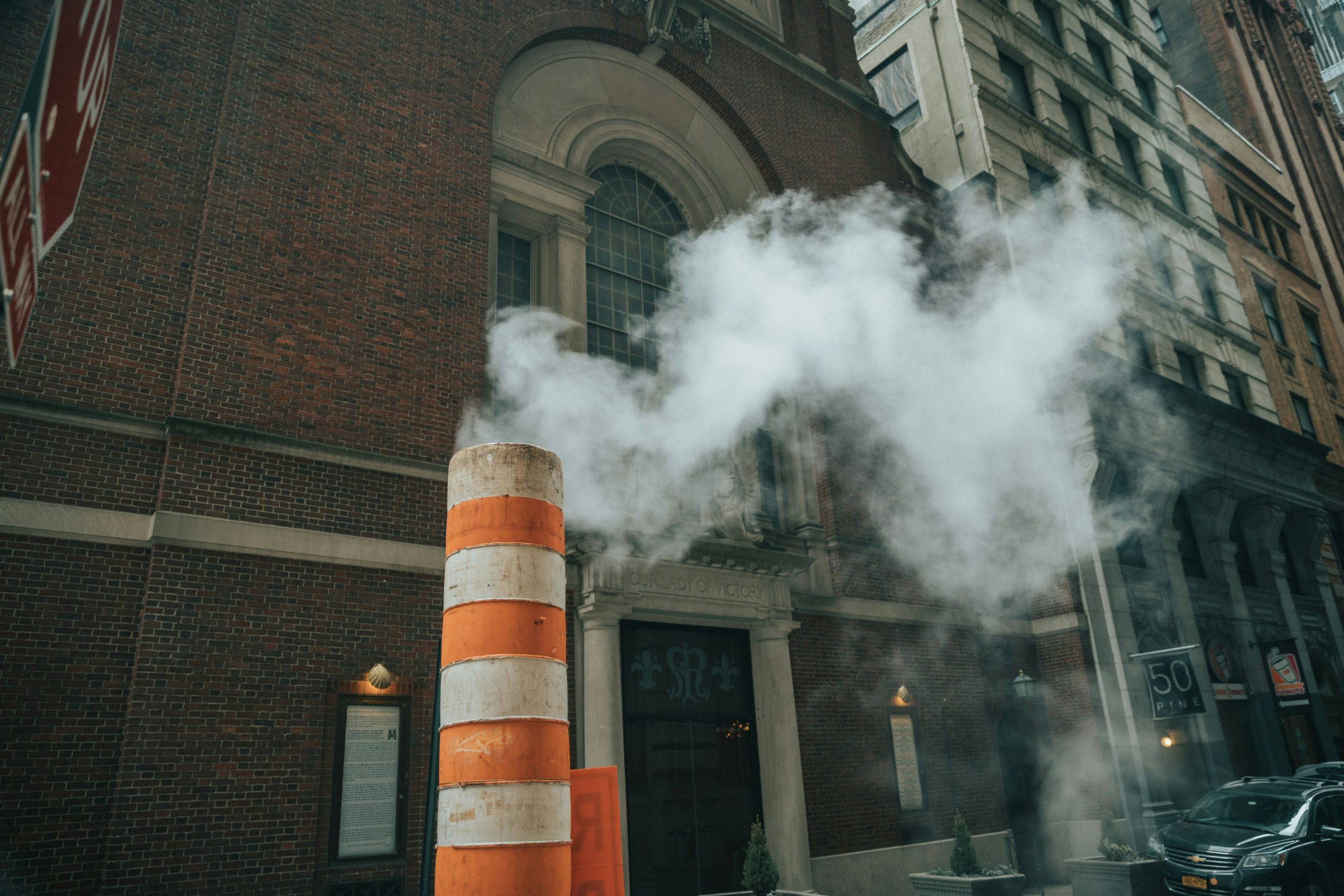
Smoke Odor: The Hidden Damage After a Fire
After a fire, most homeowners are concerned with visible destruction—charred walls, soot-covered furniture, and ruined flooring. But long after repairs begin, one problem often lingers silently in the background: smoke odor. This smell isn’t just unpleasant—it’s a sign of microscopic particles that can pose long-term risks to your health, comfort, and even the structural integrity of your property. That’s why Smoke Odor Elimination is more than just a finishing touch—it’s a critical part of the fire damage restoration process.
What Causes Smoke Odor?
Smoke odor is a persistent and unpleasant scent that can infiltrate various environments, often leaving behind a lingering reminder of its source. This odor typically arises from the combustion of organic materials such as wood, paper, tobacco, and various types of fuels. When these materials are burned, they release a complex mixture of volatile organic compounds (VOCs), carbon particles, and other byproducts that can permeate fabrics, walls, and airways, making it challenging to eradicate completely. The severity of the smoke odor can vary depending on the material being burned, the temperature of the combustion, and the duration of exposure.
In addition to the immediate effects, smoke odor can indicate broader problems, especially in residential or commercial settings. For instance, a home that has experienced a fire may retain smoke odors long after the flames have been extinguished due to soot and debris lodged in hard-to-reach areas. Moreover, smoking indoors not only contributes to persistent smoke odor but can also lead to long-term health risks associated with secondhand smoke exposure. Consequently, understanding the causes and implications of smoke odor is essential for effective remediation and prevention strategies. Proper ventilation, smoke detection systems, and professional cleaning services can be instrumental in reducing or eliminating smoke odors, ensuring a healthier and more pleasant environment for occupants. Smoke is made up of tiny particles released when materials burn. These particles are a complex mix of:
- Carbon and ash
- Tar and oils
- Toxic gases
- Chemical residues (especially from burning plastics, electronics, or synthetics)
Unlike visible soot, smoke odor comes from ultra-fine particles that penetrate deep into materials like:
- Carpets and drapes
- Upholstery and clothing
- Drywall and insulation
- Woodwork and cabinetry
- Air ducts and HVAC systems
Even after thorough cleaning, these particles can remain trapped—continuing to release odor for weeks, months, or longer.
Why DIY Methods Often Fail
DIY methods can often seem like an appealing and cost-effective alternative for tackling various projects, from home repairs to crafting. However, the allure of do-it-yourself solutions often masks several inherent challenges that can lead to disappointing outcomes. One major reason for the failure of DIY methods is the lack of expertise and experience in handling specific tasks. While the internet is flooded with tutorials and how-to videos, not all individuals possess the necessary skills or understanding of the materials and techniques involved. This gap in knowledge can result in poorly executed projects that might even exacerbate existing issues or create new ones. Many homeowners try to eliminate smoke odor using air fresheners, candles, or surface cleaners. Unfortunately, these only mask the smell temporarily without removing the underlying cause.
Why does this happen?
- Porous materials absorb smoke like a sponge
- HVAC systems recirculate odor throughout the home
- Subflooring and insulation can hold odor particles where you can’t reach
This is why true Smoke Odor Elimination requires professional-grade equipment and expertise.
How Professionals Eliminate Smoke Odor: The Science-Based Approach
Certified restoration companies use a combination of proven methods to break down, neutralize, and remove smoke particles at the molecular level. Here are the most effective techniques:
1. Ozone Treatment
Ozone (O₃) is a powerful oxidizing agent that reacts with smoke particles and destroys them.
- Ozone machines release gas that spreads throughout the affected space
- The gas penetrates porous surfaces and neutralizes odor-causing molecules
- After treatment, the air is ventilated to restore safe oxygen levels
Note: Ozone treatment must only be done by professionals, as high concentrations can be hazardous during exposure.
2. Thermal Fogging
Thermal fogging recreates the path of smoke during the fire using a deodorizing fog:
- A heated deodorizing agent is turned into a fine mist
- The mist flows into crevices, walls, and vents—just like the original smoke
- It neutralizes odors embedded deep in surfaces
This technique is highly effective in hard-to-reach places like crawl spaces, attics, and ductwork.
3. Hydroxyl Generators
Unlike ozone, hydroxyl machines are safe to use in occupied spaces.
- They use UV light to break down airborne particles
- Effective for sensitive environments such as hospitals, offices, or homes with pets
- Remove smoke, mold, and VOCs (volatile organic compounds)
Hydroxyl generators are ideal for long-term treatment in partially damaged homes or commercial spaces.
4. HEPA Filtration and Air Scrubbing
High-Efficiency Particulate Air (HEPA) filters trap ultra-fine particles and prevent them from recirculating.
- Air scrubbers with HEPA filters clean the air continuously during restoration
- Greatly reduces odors, allergens, and airborne contaminants
- Also supports better indoor air quality after fire damage
5. Deep Cleaning of Affected Materials
Professionals also use specialized tools and cleaning solutions for:
- Carpets and rugs
- Walls and ceilings
- Furniture and soft goods
- Ductwork and HVAC vents
This process ensures no odor-causing residue is left behind—especially in fabrics and fibers that trap particles.
Why Smoke Odor Elimination Is So Important
Smoke odor isn’t just a nuisance—it can affect your:
✅ Health – Prolonged exposure to smoke particles has been linked to respiratory issues, headaches, and skin irritation.
✅ Comfort – Lingering smells can make a home feel unwelcoming, even after it’s been rebuilt.
✅ Resale Value – Homes with even mild smoke odor are hard to sell or rent. Buyers and tenants are wary of hidden damage.
✅ HVAC Safety – Smoke buildup in ducts can reduce efficiency, spread contaminants, and even pose fire risks later.
Trust the Experts in Smoke Odor Elimination
Whether you’ve experienced a full-blown house fire or smoke from a nearby blaze, professional odor elimination is the only reliable solution. At Restoration Experts, our certified technicians use science-backed technology to restore air quality, protect your property, and give you peace of mind. We proudly offer Smoke Odor Elimination services across with 24/7 emergency response.
Final Thoughts: Don’t Let Smoke Linger
Just because the fire is out doesn’t mean the danger is gone. Eliminate smoke odor at the source—don’t let it linger in your home, your lungs, or your memories. Call our expert team today to schedule a free assessment and breathe easier tomorrow.