
July 26, 2025
Top Techniques for Smoke Damage Cleanup – Expert Services
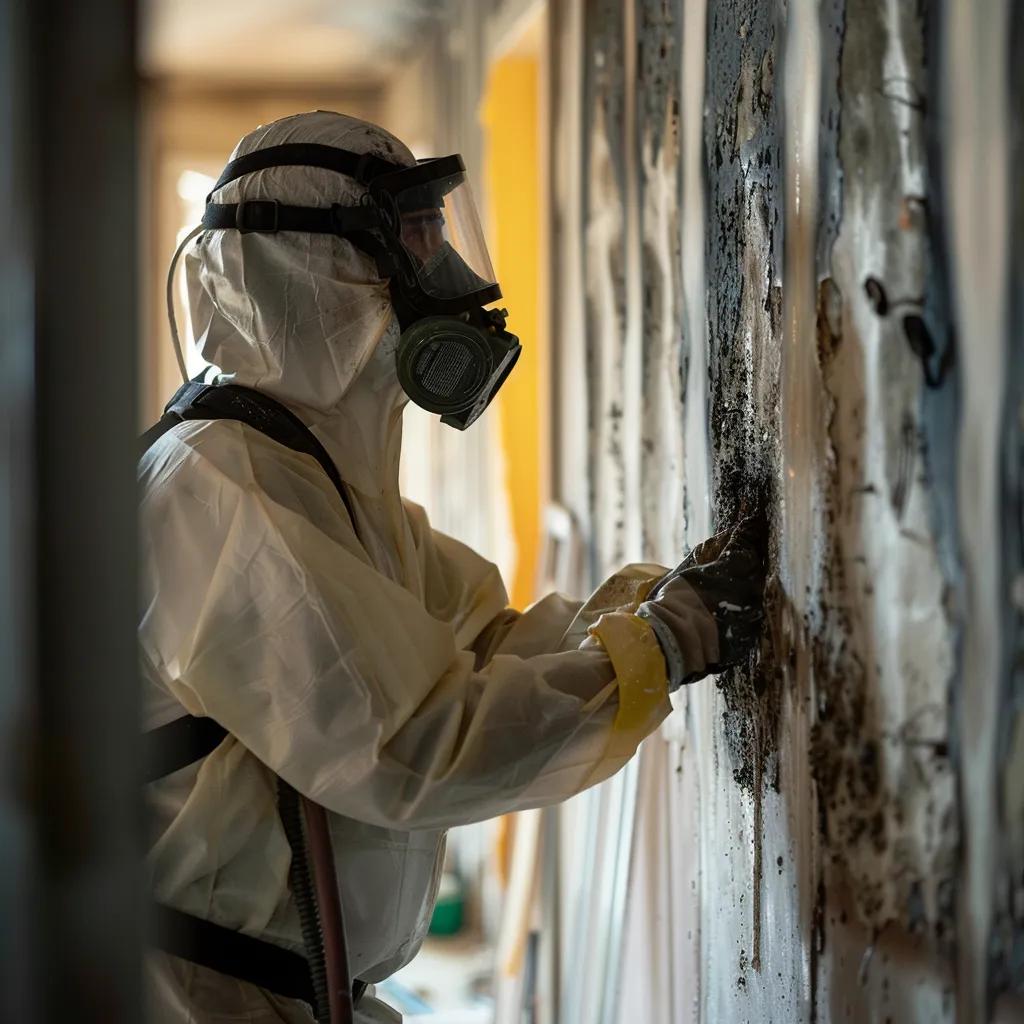
Top Techniques for Effective Smoke Damage Cleanup: Professional Smoke Damage Restoration Services Guide
Smoke damage restoration services are vital when airborne soot and odors invade walls, ceilings, and contents after a fire. Each year, thousands of New York homeowners and commercial property managers face smoke infiltration that can corrode surfaces, discolor fabrics, and pose health hazards. In this guide, you’ll discover what smoke damage is, how certified professionals perform comprehensive cleanup, the most effective odor-elimination methods, associated health risks, DIY limitations versus when to hire experts, insurance-claim navigation, and where to find trusted services across NYC, Long Island, Suffolk, and Nassau. By understanding these top techniques, you can accelerate recovery, secure insurance settlements, and restore your property safely and thoroughly with RestorationExperts.com’s 24/7 emergency response and advanced cleaning technologies.
What Is Smoke Damage and How Does It Affect Your Property?
Smoke damage refers to the residue of combustion—fine soot particles, acidic gases, and oily deposits—that settle on surfaces and permeate materials after a fire. These residues chemically bond to drywall, wood, fabrics, and HVAC systems, causing corrosion, staining, and lingering odors. Immediate remediation prevents deeper penetration and structural deterioration.
What Are the Different Types of Smoke Damage?
Below is a comparison of the four primary smoke damage types, their sources, and cleaning challenges.
| Entity | Attribute | Value |
|---|---|---|
| Dry Smoke | Source | Fast-burning wood/paper fires |
| Dry Smoke | Residue | Powdery, grey-black fine particles |
| Dry Smoke | Cleaning Difficulty | Moderate—responds well to dry sponges and HEPA vacuuming |
| Wet Smoke | Source | Low-heat plastic/rubber combustion |
| Wet Smoke | Residue | Sticky, dark-brown film |
| Wet Smoke | Cleaning Difficulty | High—requires specialized wet cleaning solutions |
| Protein Residue | Source | Evaporated meat/dairy grease |
| Protein Residue | Residue | Yellowish stains, strong sour odor |
| Protein Residue | Cleaning Difficulty | Very high—needs acidic detergents and encapsulating agents |
| Fuel/Oil Residue | Source | Petroleum-based fires |
| Fuel/Oil Residue | Residue | Thick, oily sludge |
| Fuel/Oil Residue | Cleaning Difficulty | Extreme—demands industrial-grade solvents and agitation |
Each smoke type binds differently, so identifying the residue informs the selection of appropriate detergents, sponges, and vacuum systems before moving into odor removal.
How Does Smoke Damage Impact Building Materials and Contents?
Smoke chemicals accelerate corrosion on metals, etch glass, degrade drywall paint, and weaken wood fibers. Fabrics absorb oils and odors, leading to discoloration and stiff textures, while porous materials like carpets and upholstered furniture trap particles deep within fibers. HVAC ducts distribute soot throughout the structure, spreading contamination. Restoring these materials requires tailored approaches—metal polishing, drywall cleaning, and content segregation—to halt ongoing damage and return items to pre-loss condition.
What Are the Common Signs of Smoke Damage in Homes and Businesses?
Professional inspectors look for visual, tactile, and olfactory indicators of contamination:
- Yellow or brown staining on walls and ceilings
- Grey or black soot deposits around fixtures and vents
- Residual oily film on glass and metal surfaces
- Lingering acrid or smoky odors in rooms and ductwork
- Sticky residue on electronics and light switches
Spotting these signs early enables rapid deployment of soot-removal and deodorization strategies to prevent further material deterioration and health risks.
How Do Professionals Perform Smoke Damage Restoration?

Professional Smoke Damage Restoration
Certified restoration technicians follow a structured process that combines inspection, cleaning, and repair to fully remediate smoke effects. This process includes assessing the damage, removing soot, eliminating odors, and repairing structural elements. The use of specialized equipment and adherence to industry standards are critical for effective restoration.
Institute of Inspection, Cleaning and Restoration Certification (IICRC), “S500 Standard and Reference Guide for Professional Water Damage Restoration” (2023)
This citation highlights the importance of professional standards and methods in smoke damage restoration, as mentioned in the article.
What Is Involved in the Initial Assessment and Inspection?
An initial assessment defines fire severity, smoke penetration, and affected areas. Technicians document damage visually, test surface pH levels, evaluate HVAC contamination, and classify smoke type. This step guides the selection of specialized equipment—dry sponges, chemical cleaners, ozone generators—and establishes a detailed scope for insurance documentation and cost estimates.
Which Techniques Are Used for Effective Soot Removal?
Technicians employ a multi-step approach to eliminate particulate residue:
- Dry Cleaning Sponges – Lift loose soot without smearing delicate surfaces.
- HEPA-Filter Vacuums – Capture microscopic particles from carpets, vents, and ceilings.
- Chemical Sponges with Encapsulating Agents – Bind oily residues for safe removal.
- Trisodium Phosphate (TSP) Solutions – Dissolve stubborn smoke stains on non-porous surfaces.
These methods remove up to 99% of soot, preparing substrates for subsequent deodorization.
How Are Smoke Odors Eliminated Using Advanced Methods?
Advanced deodorization neutralizes malodorous molecules rather than masking them:
- Ozone Treatment uses ozone generators to oxidize odor-causing compounds.
- Thermal Fogging disperses a safe deodorant fog that penetrates fabrics and cavities.
- Air Scrubbers with Activated Carbon filter airborne particulates and VOCs in real time.
Odor Removal Techniques
Ozone treatment, thermal fogging, and air scrubbers are advanced methods used to eliminate smoke odors. Ozone generators break down odor-causing compounds, thermal fogging disperses deodorizing mists, and air scrubbers filter airborne particles and VOCs. These methods are more effective than simply masking odors.
American Lung Association, “Indoor Air Quality” (2023)
This citation supports the article’s discussion of advanced odor removal techniques, emphasizing the importance of effective methods for long-term odor control.
Each technique targets specific compounds, ensuring long-term odor control.
What Are the Steps for Structural Cleaning and Repair?
Structural remediation encompasses:
- Surface Cleaning – Degreasing and deodorizing walls, ceilings, and trim.
- Material Repair – Replacing or refinishing drywall, insulation, and wood components.
- Sealants and Encapsulation – Applying odor-blocking primers and sealers.
- Repainting and Finishing – Restoring original aesthetic with high-quality coatings.
This sequence stabilizes substrates and prevents odor rebound.
How Is Content Cleaning and Restoration Handled?
Contents—including fabrics, furniture, electronics, and documents—are handled off-site when necessary:
- Textile Laundering and Dry Cleaning remove smoke oils from clothing, drapes, and bedding.
- Ultrasonic Cleaning restores metal and glass items by cavitation.
- Freeze-Drying for Documents preserves paper integrity while removing moisture and odors.
- Electronics Decontamination uses specialized vacuums and non-conductive solvents.
Segregating and cataloging items ensures precise restoration and accountability.
What Are the Most Effective Smoke Odor Removal Methods?

Eliminating smoke smell often requires combining multiple technologies and remedies for lasting results.
How Does Ozone Treatment Neutralize Smoke Odors?
Ozone treatment generates ozone molecules (O₃) that bond with odor-causing organic compounds, breaking them down into carbon dioxide and water. This method excels at penetrating fabrics and wall cavities, delivering long-lasting freshness when applied by trained technicians with calibrated ozone generators.
What Is Thermal Fogging and When Is It Used?
Thermal fogging disperses a heated deodorant mist that condenses on surfaces and in crevices, neutralizing odor molecules at a micro level. It’s ideal for extensive smoke infiltration in homes, hotels, and commercial spaces where conventional spraying or masking fails to reach hidden voids.
How Do Air Scrubbers and HEPA Filters Work for Smoke Odor?
Air scrubbers pull contaminated air through multi-stage filters—pre-filters trap large particulates, HEPA filters remove fine soot, and activated carbon modules adsorb volatile organic compounds (VOCs). Continuous air circulation accelerates odor reduction and improves indoor air quality during restoration.
Can Household Remedies Help Neutralize Smoke Smell?
For minor smoke odors, common remedies can assist:
- Baking Soda sprinkled on carpets and upholstery absorbs light smells.
- White Vinegar Bowls placed in rooms neutralize acidic odors over 24–48 hours.
- Activated Charcoal Packs in cabinets and closets trap residual fumes.
These DIY tactics offer temporary relief but seldom replace professional deep-cleaning and advanced deodorization technologies.
What Health Risks Are Associated with Smoke Exposure During Cleanup?
Smoke residue contains particulate matter, volatile chemicals, and carcinogens that pose both immediate and long-term health threats.
What Are the Short-Term and Long-Term Health Effects of Smoke Exposure?
Exposure to smoke particulates can trigger:
- Coughing, throat irritation, and nasal congestion
- Eye redness, burning sensations, and headaches
- Elevated risk of bronchitis and asthma exacerbations
Over time, prolonged inhalation may lead to chronic respiratory conditions, cardiovascular strain, and increased cancer risk due to polycyclic aromatic hydrocarbons (PAHs) and other toxins.
Smoke Damage and Health Risks
Exposure to smoke, including particulate matter and volatile chemicals, can lead to both short-term and long-term health issues. Short-term effects include coughing, eye irritation, and respiratory problems, while prolonged exposure may increase the risk of chronic respiratory conditions and cancer.
U.S. Environmental Protection Agency, “Smoke from Fires” (2024)
This citation supports the article’s claims about the health risks associated with smoke exposure, reinforcing the need for professional cleanup.
How Can You Protect Yourself During Smoke Damage Cleanup?
Safety measures for DIY or professional crews include:
- Wearing N95 or P100 respirators to filter fine particulates
- Donning disposable coveralls and gloves to prevent skin contact
- Using eye protection and waterproof boots
- Ventilating spaces with industrial fans and air scrubbers
- Following confined-space protocols when working in basements or attics
Proper PPE and ventilation significantly reduce inhalation and contact hazards.
Why Is Professional Cleanup Safer for Health?
Certified technicians leverage:
- Advanced equipment (HEPA vacuums, ozone generators) to remove toxic residues fully
- Industrial-grade PPE and containment protocols to avoid cross-contamination
- Laboratory-tested cleaning agents that neutralize harmful chemicals without harmful byproducts
Professional restoration minimizes residual risks and ensures a safe environment for occupants.
When Should You Hire Professional Smoke Damage Restoration Services?
Tackling smoke damage yourself often leads to inadequate cleanup, recontamination, and health risks. Professionals ensure complete restoration safely and efficiently.
What Are the Limitations of DIY Smoke Damage Cleanup?
Homeowner attempts typically lack:
- Access to HEPA-grade vacuums and industrial sponges
- Certification in smoke classification and chemical cleaning protocols
- Advanced deodorization tools like ozone generators or thermal foggers
- Proper disposal of contaminated materials in compliance with regulations
DIY efforts can spread soot, leave behind odors, and compromise insurance coverage.
How Do Professionals Ensure Complete Smoke Damage Removal?
Experts combine:
- Comprehensive Testing to identify smoke type and contamination levels.
- Specialized Equipment calibrated for particle size and chemical residue.
- Systematic Cleaning Protocols based on IICRC standards.
- Post-Restoration Verification using air quality meters and surface pH readings.
This structured methodology guarantees thorough remediation.
What Are the Benefits of 24/7 Emergency Smoke Damage Services?
Rapid response teams offer:
- Immediate damage assessment to limit corrosion and odor penetration
- Emergency board-up and tarping to secure the property
- Early containment to prevent soot spread and secondary damage
- Coordinated insurance liaison to expedite claims
Round-the-clock availability accelerates recovery and reduces overall restoration costs.
How Do You Navigate Smoke Damage Insurance Claims Effectively?
Effective claims management minimizes out-of-pocket expenses and speeds project approval.
What Is the Process for Filing a Smoke Damage Insurance Claim?
Follow these steps for a streamlined claim:
- Notify Your Insurer promptly after discovering damage.
- Schedule an Inspection with licensed restoration professionals.
- Submit a Detailed Estimate including photos, videos, and scope of work.
- Complete Adjuster Walk-Through to validate coverage.
- Approve Work Authorization and commence remediation.
Timely documentation and clear communication with adjusters ensure maximum coverage.
How Should You Document Smoke Damage for Insurance Purposes?
Accurate documentation includes:
- High-resolution photos of soot deposits on all surfaces
- Videos capturing odor intensity and contamination in ductwork
- Written inventory of damaged contents with purchase dates and values
- RestorationExperts.com’s inspection report detailing recommended techniques
Thorough records facilitate a fair settlement.
How Do You Work with Insurance Adjusters During Claims?
Best practices for adjuster collaboration:
- Provide clear scope-of-work proposals and cost breakdowns
- Highlight advanced techniques (ozone, thermal fogging) and equipment lists
- Clarify long-term benefits of professional remediation versus DIY fixes
- Coordinate on-site meetings to review progress and verify completed tasks
Transparent communication builds trust and streamlines approvals.
Where Can You Find Reliable Smoke Damage Cleanup Services in New York?
RestorationExperts.com delivers specialized smoke damage restoration throughout Long Island, NYC, Suffolk, and Nassau with IICRC-certified crews and proven methodologies.
What Are the Unique Smoke Damage Challenges in NYC Apartments?
Tight spaces and shared ventilation systems in high-rise apartments often lead to cross-contamination between units. Technicians must contain work areas, protect unaffected neighbors, and coordinate with building management for elevator and hallway access to avoid spreading soot through common areas.
How Does Smoke Damage Restoration Differ in Long Island Homes?
Spacious layouts and varied construction materials—wood framing, vinyl siding, and custom millwork—require tailored cleaning agents and structural drying techniques. Long Island properties often need outdoor air-scrubbing setups to accelerate indoor air exchange and manage higher humidity levels.
What Services Are Available in Suffolk and Nassau Counties?
Homeowners and commercial clients can access:
- 24/7 emergency board-up and tarping
- Full-scale soot extraction and surface cleaning
- Advanced odor-neutralization (ozone, fogging, scrubbers)
- Content pack-out, cleaning, and storage
- Comprehensive structural drying and reconstruction
This regional coverage ensures rapid mobilization across both counties.
How Does RestorationExperts.com Provide Specialized Local Services?
With decades of experience in New York’s diverse building stock, RestorationExperts.com offers:
- IICRC-certified technicians trained in local codes and standards
- State-of-the-art equipment staged in regional facilities
- Established relationships with insurance carriers for expedited claims
- Tailored service packages for residential, commercial, and historic properties
Smoke damage can penetrate unseen crevices, continue corroding surfaces, and pose health hazards long after the flames are extinguished. By understanding smoke types, professional soot-removal and odor-neutralization techniques, and the importance of swift, certified intervention, you can protect your investment and well-being. When smoke compromises your property, contact RestorationExperts.com for a rapid assessment, precise cleanup, and seamless insurance support that ensures a safe, complete restoration from basement to rooftop.