
September 19, 2025
Professional Tips for Effective Fire Damage Recovery Steps
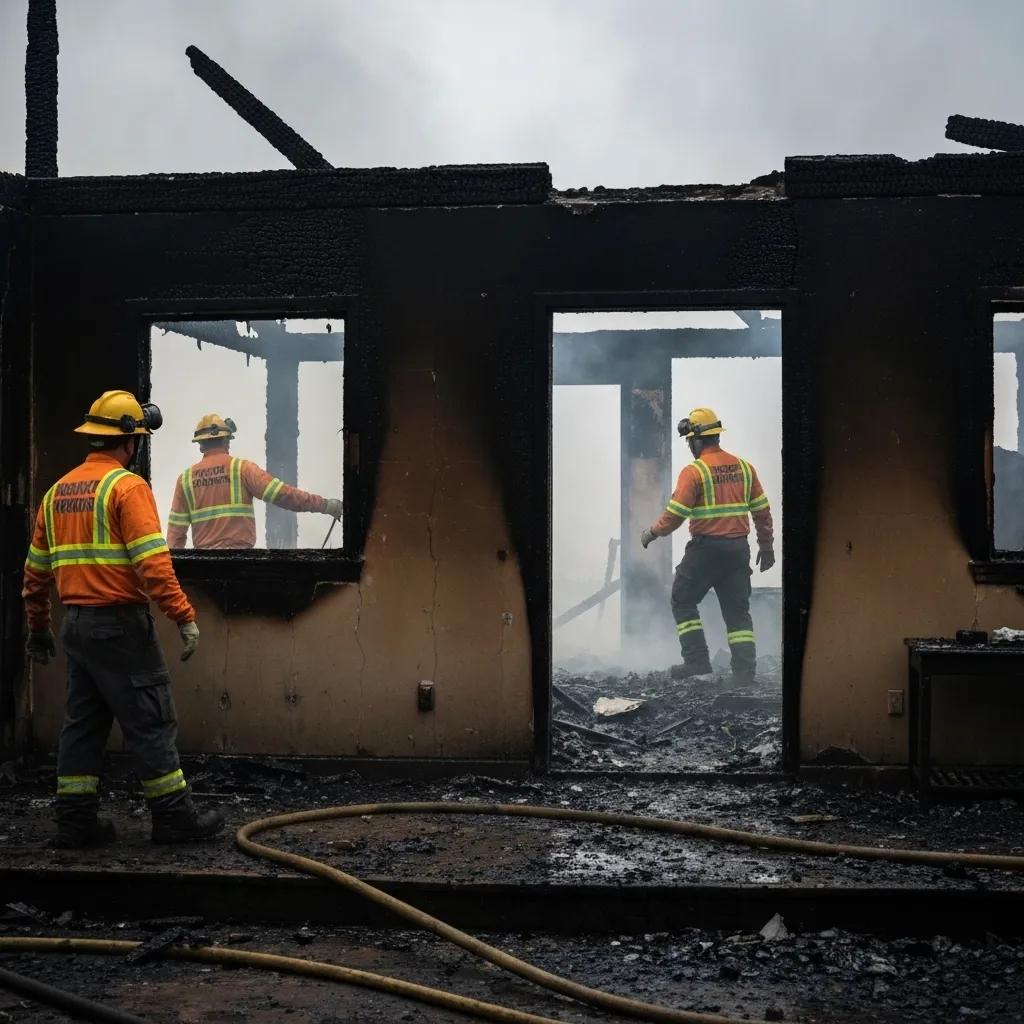
Essential Steps for Effective Fire Damage Recovery: Complete Fire Damage Recovery Process Steps and Guidance
Experiencing a fire can be overwhelming, with more than 350,000 U.S. home-based fires each year causing billions in property loss. Immediate, structured action is critical to safeguard lives, secure assets, and preserve evidence for insurance. In this guide, you will discover the essential fire damage recovery process steps: urgent safety measures, professional assessment, targeted cleanup, reconstruction phases, insurance claim navigation, realistic timelines, and industry-leading standards. Restoration Experts leverages 24/7 emergency response and IICRC-certified technicians to restore properties across New York’s Long Island, NYC, Suffolk, and Nassau counties.
Fire Damage Statistics
Fires in the U.S. cause significant property damage and loss of life each year. Understanding the scope of fire damage is crucial for appreciating the need for effective recovery processes.
National Fire Protection Association, Fire Loss in the United States (2023)
This source provides context for the scale of fire damage, supporting the article’s introduction.
What Are the Immediate Actions to Take After a Fire?
Immediate post-fire actions combine safety verification, emergency response coordination, and meticulous damage documentation to prevent further loss and establish an insurance foundation. These steps set the stage for every subsequent restoration phase.
How Do You Ensure Safety After a Fire?
Ensuring safety after a fire means securing structural stability, checking for live electrical hazards, and confirming air quality before reentry.
- Shut off utilities at the main valves or breakers to eliminate fire-related sparks.
- Ventilate the space by opening windows once it is deemed structurally sound.
- Wear respirators, gloves, and safety goggles to protect against soot inhalation and sharp debris.
Taking these precautions reduces risk of collapse, chemical exposure, and respiratory injury, creating a safe environment for recovery teams and residents.
When and How Should You Contact Emergency Services and Authorities?
Contact emergency services immediately if structural collapse, active flames, or uncontrolled smoke remain.
- Dial 911 to report ongoing dangers and request fire marshal inspection.
- Inform local building officials to obtain reentry clearance.
- File a fire department report to support your insurance claim.
Early coordination with authorities ensures official documentation, timely hazard mitigation, and legal compliance, which strengthens claim outcomes and accelerates restoration scheduling.
What Is the Best Way to Document Fire Damage for Insurance Claims?
Documenting fire damage involves comprehensive photographic, video, and written records of all affected areas.
- Photograph every room from multiple angles before any cleanup.
- Compile an itemized inventory of damaged contents, noting approximate values and purchase dates.
- Preserve original invoices and warranties for high-value items.
Well-organized documentation substantiates claims, expedites adjuster approvals, and maximizes compensation for rebuilding and replacement.
How Is a Professional Fire Damage Assessment Conducted?
A professional fire damage assessment combines structural inspection, moisture analysis, and emergency securing to quantify loss and prioritize restoration work. This evaluation informs cost estimates and project timelines.
What Does a Structural Damage Assessment Include?
A structural damage assessment inspects load-bearing elements, roofing systems, and foundation integrity for fire-related weakening.
- Visual and thermal imaging examines hidden hot spots and char depths.
- Engineers check beams, joists, and exterior walls for warping or cracks.
- Load calculations confirm if partial shoring or demolition is required.
This thorough analysis ensures rebuilding plans address safety, code compliance, and long-term stability.
How Is Water Damage from Firefighting Identified and Mitigated?
Water damage identification uses moisture meters and infrared cameras to locate saturated materials and potential mold growth.
- Extract standing water with industrial pumps within 24–48 hours of firefighting.
- Deploy dehumidifiers and air movers to accelerate drying of walls, floors, and ceilings.
- Monitor moisture levels daily until readings return to safe thresholds.
Timely water mitigation prevents structural swelling, microbial proliferation, and secondary damage.
Why Is Emergency Board-Up and Property Securing Important?
Emergency board-up protects exposed interiors from weather, vandalism, and animal intrusion following fire damage.
- Install pressure-treated plywood over windows and openings within 48 hours.
- Seal roof breaches with tarps and temporary coverings.
- Post identification signs to deter trespassing.
Securing the property preserves evidence, reduces theft risk, and maintains site integrity for restoration crews.
What Are the Key Cleanup and Remediation Techniques After Fire Damage?
Cleanup and remediation focus on removing combustible residues, neutralizing odors, and restoring contents to pre-loss condition. This phase transforms contaminated space into a safe and recoverable environment.
How Are Smoke and Soot Removed Effectively?
Smoke and soot removal combines dry cleaning, chemical emulsions, and thermal fogging to extract residues from surfaces and crevices.
- Use dry sponges to lift loose soot from walls and ceilings.
- Apply emulsion cleaners to break down stubborn carbon streaks.
- Employ thermal foggers that distribute deodorizing agents into porous materials.
These methods restore surface appearance, reduce staining, and reclaim indoor air quality.
What Are the Best Odor Neutralization and Deodorization Methods?
Odor neutralization pairs ozone generation, hydroxyl processing, and HEPA air filtration to eliminate smoke molecules.
- Ozone generators oxidize odor-causing compounds at the molecular level.
- Hydroxyl machines create reactive radicals that safely deodorize without corrosion.
- HEPA filters capture fine soot particulates and airborne irritants.
Combined, these technologies eradicate persistent odors, ensuring a fresh, breathable atmosphere.
How Is Contents Cleaning and Restoration Performed?
Contents restoration sorts items by material and damage level to determine cleaning protocols.
- Soft goods (textiles, upholstery) undergo ultrasonic cleaning and fabric-safe solvents.
- Hard surfaces (glass, metal, stone) are processed with abrasive media blasting and chemical neutralizers.
- Electronics and documents receive specialized freeze-dry techniques to prevent further deterioration.
This targeted approach salvages prized possessions, reducing replacement costs.
How Can Mold Prevention and Remediation Be Managed After Fire?
Mold prevention begins with thorough drying and antimicrobial treatment of water-exposed areas.
- Apply EPA-registered antimicrobial coatings to porous substrates.
- Ensure dehumidification reduces indoor humidity below 60%.
- Conduct post-treatment inspections using moisture mapping and surface swabs.
Active mold management maintains structural integrity and safeguards occupant health.
What Does the Repair, Reconstruction, and Final Restoration Process Involve?
Reconstruction restores structural components and finishes, integrating building-code compliance and aesthetic considerations to return properties to pre-loss conditions.
How Are Structural Repairs and Rebuilding Completed?
Structural repairs replace damaged framing, rebuild load-bearing walls, and reinstall roofing systems.
- Fabricate new studs or beams with fire-rated materials.
- Coordinate inspections with local building departments at each milestone.
- Install fire-resistant drywall, insulation, and vapor barriers per code requirements.
This comprehensive rebuilding reestablishes safety, functionality, and property value.
Why Is HVAC System Cleaning and Restoration Necessary After Fire?
HVAC cleaning removes embedded soot, odor compounds, and potential toxins from ductwork, coils, and blower units.
- Dismantle and vacuum ducts with negative-pressure machines.
- Clean coil fins and blower housings with specialized detergents.
- Replace air filters and install UV-C disinfecting lights to inhibit microbial growth.
Restored HVAC systems deliver clean, odor-free air and protect mechanical performance.
What Are the Final Cleaning and Sanitization Procedures?
Final cleaning sanitizes all restored spaces, ensuring readiness for occupancy.
- Perform HEPA-vacuuming of floors, carpets, and textiles.
- Wipe down all surfaces with hospital-grade disinfectants.
- Polish fixtures, refinish cabinetry, and touch-up paint as needed.
This finishing work completes the fire damage recovery process steps, allowing safe reentry and full restoration.
How Do You Navigate the Fire Damage Insurance Claim Process?
Navigating insurance claims requires organized documentation, proactive adjuster communication, and strategic cost optimization to secure fair compensation.
What Are the Steps to File a Fire Damage Insurance Claim?
Filing a fire damage claim involves notification, documentation, and claim submission.
- Notify your insurer within 24–72 hours of fire occurrence.
- Submit the fire department report, photo inventory, and receipts.
- Schedule the adjuster walk-through and provide detailed damage logs.
Clear, timely submissions accelerate claim decisions and fund restoration work.
How Should You Work with Insurance Adjusters?
Working with adjusters combines transparency and collaboration to validate repair scopes.
- Share comprehensive estimates from IICRC-certified technicians.
- Invite adjusters to view structural findings and moisture reports.
- Address coverage questions promptly with supporting documentation.
Professional guidance ensures accurate loss valuation and reduces claim disputes.
How Can You Maximize Your Fire Damage Payout?
Maximizing payout depends on thorough cost documentation and policy knowledge.
- Itemize replacement-cost values versus actual cash value differences.
- Include emergency board-up and debris removal as claimable services.
- Leverage direct billing agreements to minimize out-of-pocket expenses.
Strategic claim preparation captures eligible expenses and optimizes your financial recovery.
What Are the Typical Timelines and Long-Term Recovery Expectations?
Understanding realistic timelines and ongoing maintenance promotes peace of mind and proactive property care after restoration.
How Long Does Fire Damage Restoration Usually Take?
Restoration timelines vary by damage severity and scope:
| Phase | Typical Duration | Key Purpose |
|---|---|---|
| Emergency Response | 0–2 days | Safety assessment, board-up |
| Damage Assessment & Mitigation | 1–5 days | Structural inspection, water extraction |
| Cleanup & Deodorization | 1–3 weeks | Smoke removal, odor neutralization |
| Reconstruction & Finishing | 2 weeks–6 months | Structural repairs, rebuild, final touches |
Total recovery ranges from one week for minor fires to several months for full reconstruction. This phased approach provides clear milestones toward occupancy.
What Fire Prevention Tips Should Homeowners Follow After Restoration?
Proactive prevention reduces future risks through simple upgrades and routines.
- Install supervised smoke alarms and test monthly.
- Use fire-resistant landscaping and maintain defensible space around structures.
- Schedule annual inspections of electrical, heating, and cooking systems.
These measures reinforce property resilience and occupant safety long term.
How Should Property Be Maintained After Fire Restoration?
Post-restoration maintenance focuses on monitoring and upkeep to preserve restoration investments.
- Track building moisture levels and inspect for hidden corrosion.
- Clean HVAC filters every 1–3 months and service duct seals.
- Reapply antimicrobial coatings in damp areas as preventive care.
Regular maintenance sustains indoor air quality and structural health.
How Do IICRC Certifications and Professional Standards Impact Fire Damage Recovery?
IICRC certifications and ANSI/IICRC S700 standards ensure restoration follows rigorous methodologies, guaranteeing quality and consistency.
IICRC Standards in Restoration
The Institute of Inspection, Cleaning and Restoration Certification (IICRC) sets standards for the restoration industry. Adherence to these standards ensures quality and consistency in fire damage recovery.
Institute of Inspection, Cleaning and Restoration Certification, IICRC S700 Standard for Professional Fire and Smoke Damage Restoration (2023)
This citation supports the article’s emphasis on the importance of IICRC certifications and standards in the restoration process.
What Is the Role of IICRC Certified Technicians in Fire Restoration?
IICRC certified technicians apply industry-proven protocols for damage assessment, cleaning, and reconstruction.
- They adhere to standardized processes for moisture mapping, soot removal, and structural drying.
- Strict adherence to S700 guidelines ensures uniform quality across all restoration phases.
- Their expertise minimizes overlooked damage and reduces long-term liability.
Certified professionals deliver reliable results and reinforce client confidence.
How Do Industry Standards Like ANSI/IICRC S700 Guide Restoration?
ANSI/IICRC S700 outlines principles and procedures for fire and smoke damage restoration.
- It defines inspection criteria, hazard identification, and recommended cleaning methods.
- The standard details material-specific protocols for drywall, textiles, and HVAC systems.
- Compliance demonstrates technical accountability and supports insurance validations.
Standards alignment fosters transparent processes, measurable outcomes, and regulatory compliance.
Why Choose a Certified Fire Damage Restoration Company?
Choosing a certified restoration company assures you of expertise, accountability, and insurance advocacy.
- Certified teams employ the latest equipment, from thermal cameras to hydroxyl generators.
- Direct insurance billing streamlines financial transactions and claim settlements.
- 24/7 emergency response ensures rapid mobilization and continuous project oversight.
This combination of credentials, technology, and service excellence maximizes restoration efficiency and peace of mind.
For immediate assistance with any phase of your fire damage recovery process steps, contact Restoration Experts. Our IICRC-certified teams are available 24/7 to secure your property, navigate insurance claims, and restore your home or business to its pre-loss condition.
Frequently Asked Questions
What Should You Do If You Suspect Hidden Fire Damage?
If you suspect hidden fire damage, it’s crucial to contact a professional restoration service immediately. Trained technicians can conduct a thorough inspection using specialized tools like thermal imaging and moisture meters to identify areas that may not be visible to the naked eye. This proactive approach helps prevent further deterioration and ensures that all damage is addressed, which is essential for both safety and insurance claims.
How Can Homeowners Prepare for a Fire Damage Assessment?
Homeowners can prepare for a fire damage assessment by gathering relevant documents, such as insurance policies, previous repair records, and any photographs of the property before the fire. Additionally, creating a list of damaged items and their estimated values can facilitate the assessment process. Being organized and transparent with the restoration team will help ensure a comprehensive evaluation and expedite the recovery process.
What Are the Long-Term Effects of Fire Damage on Property?
Long-term effects of fire damage can include structural weakening, persistent odors, and potential mold growth if not properly addressed. Even after visible repairs, underlying issues may remain, affecting the property’s integrity and air quality. Regular inspections and maintenance are essential to identify and mitigate these risks, ensuring the property remains safe and habitable for years to come.
How Can You Ensure Your Home Is Fire-Resistant After Restoration?
To enhance fire resistance after restoration, consider implementing fire-resistant materials in construction and landscaping. Installing fire-rated doors, using non-combustible siding, and maintaining defensible space around the property can significantly reduce fire risk. Additionally, regular maintenance of electrical systems and the installation of smoke detectors can further protect your home from future fire hazards.
What Role Does Insurance Play in Fire Damage Recovery?
Insurance plays a critical role in fire damage recovery by providing financial support for repairs, replacement of lost items, and additional living expenses during restoration. Understanding your policy coverage is essential, as it dictates what damages are eligible for claims. Engaging with your insurance adjuster and providing thorough documentation can help ensure a smoother claims process and maximize your recovery.
What Are the Signs of Water Damage After Firefighting Efforts?
Signs of water damage after firefighting efforts include discoloration on walls and ceilings, peeling paint, and the presence of mold or mildew. Additionally, you may notice a musty odor or warped flooring. If you observe any of these signs, it’s important to address them promptly to prevent further structural damage and health risks associated with mold growth.
How Can You Find a Reliable Fire Damage Restoration Company?
Finding a reliable fire damage restoration company involves researching credentials, reading customer reviews, and verifying certifications such as IICRC. Look for companies that offer 24/7 emergency services and have a proven track record in fire restoration. Requesting estimates from multiple providers can also help you compare services and ensure you choose a company that meets your specific needs.
Conclusion
Effective fire damage recovery is essential for restoring safety and value to your property, ensuring a comprehensive approach from immediate response to final restoration. By understanding the critical steps involved, you can navigate the complexities of recovery and insurance claims with confidence. Engaging with certified professionals not only guarantees quality but also maximizes your financial recovery. For expert assistance in your fire damage recovery journey, reach out to Restoration Experts today.