
September 16, 2025
Professional Guide on Fire Damage Recovery Process Steps
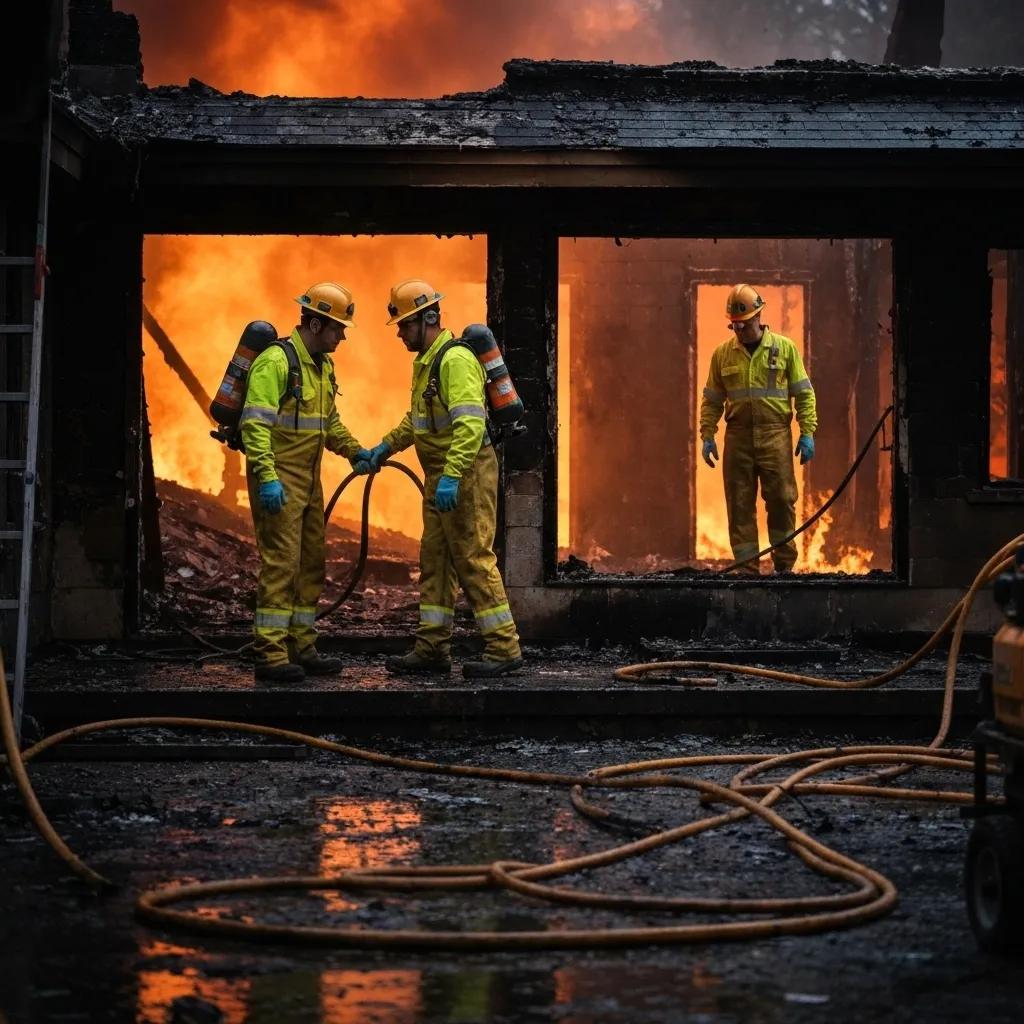
The Impact of Quick Action in Fire Damage Recovery: Essential Fire Damage Recovery Process Steps
Fire damage recovery process steps demand swift intervention to halt escalating losses and restore safety, function, and comfort. Every minute after a blaze increases the risk of mold, water infiltration, structural weakening, and soaring restoration costs. In this guide, Restoration Experts reveals how immediate response, initial mitigation, a rapid recovery timeline, cost-saving insurance facilitation, and the right restoration partner combine to deliver optimal outcomes. You will learn:
- Why immediate response is critical and how delay compounds damage
- Step-by-step actions to take in the first 24–48 hours
- A clear process timeline for emergency mitigation through final content restoration
- How speed reduces costs and eases insurance claims
- Criteria for choosing a 24/7 certified fire restoration company
- Risks of secondary damage and real-life New York case studies demonstrating fast recovery benefits
Why Is Immediate Response Critical in Fire Damage Recovery?
Immediate response in fire damage recovery provides early containment of hazards, limits corrosion and microbial growth, and preserves structural integrity. By acting within the golden 24–48-hour window, property owners prevent small issues from evolving into major expenses and health threats. This urgency sets the stage for safety protocols and the initial mitigation steps that follow.
National Fire Protection Association (NFPA), Fire & Emergency Services (2024)
How Quickly Should Fire Damage Be Addressed to Prevent Further Loss?
Fire damage must be assessed and mitigation begun within 24–48 hours to prevent rapid secondary damage.
- Within 24 hours: Secure utilities, remove standing water, and stabilize charred materials to halt corrosion.
- By 48 hours: Initiate comprehensive water extraction and drying to stop mold spores from colonizing damp surfaces.
- After 48–72 hours: Secondary issues like structural warping and microbial colonies accelerate in growth and expense.
Acting within this timeframe protects building materials and personal belongings from irreversible harm.
What Are the Consequences of Delayed Fire Damage Cleanup?
Delayed cleanup magnifies risks and repair costs through cascading damage mechanisms.
- Firefighting water soaks into drywall and wood framing, creating ideal mold environments.
- Soot and acidic smoke residues seep into electronics, textiles, and metal fixtures, causing discoloration and corrosion.
- Structural elements lose load-bearing capacity, leading to costly reinforcement or replacement.
Avoiding delay prevents a minor restoration project from turning into a full-scale reconstruction effort.
How Does Quick Action Minimize Secondary Damage Like Mold and Water Damage?
Rapid mitigation interrupts the root causes of secondary damage by removing water, controlling humidity, and filtering airborne soot. Key benefits include:
- Mold prevention: Drying within 48 hours inhibits fungal spores from germinating.
- Water removal: Immediate extraction limits swelling, warping, and saturation stains.
- Air quality restoration: HEPA filtration captures airborne particulates before settling on surfaces.
Institute of Inspection, Cleaning and Restoration Certification (IICRC), S500 Standard for Professional Water Damage Restoration (2023)
Prompt containment and drying reduce health hazards and preserve more of the original structure.
What Are the Immediate Steps After Fire Damage in the First 24-48 Hours?
In the first 24–48 hours after fire damage, property owners must secure safety, document loss, and implement mitigation to limit secondary risks. These foundational actions shape all subsequent recovery phases and support insurance claims.
How to Ensure Safety and Secure the Property After a Fire?
- Shut off electricity, gas, and water to prevent leaks, shocks, or reignition.
- Establish a secure boundary around the property to deter unauthorized entry and vandalism.
- Use fire-rated tarps or plywood to cover broken windows and roof areas.
These measures protect people and possessions while positioning the site for professional remediation.
Why Is Early Damage Documentation Important for Recovery and Insurance?
Accurate, time-stamped documentation captures the full scope of fire and secondary damage.
- Photographs and videos supply evidence for insurance adjusters and expedite claim approvals.
- Detailed inventories of destroyed, smoke-soiled, and water-damaged items maximize coverage.
- Professional damage assessments validate repair estimates and prevent disputes.
Comprehensive records ensure policy terms are met and settlement funds reflect true replacement costs.
How Can Property Owners Prevent Secondary Damage Immediately?
Mitigation tactics curb water, soot, and mold threats before they compound.
- Place industrial-grade dehumidifiers and air movers to dry structural cavity areas.
- Remove porous items like carpets and curtains to external drying facilities.
- Clean or cover salvageable contents in plastic sheeting to isolate from residue.
Early action reduces the volume of restoration work and the risk of hidden deterioration.
What Is the Fire Damage Recovery Process and Its Timeline for Swift Restoration?
The fire damage recovery process consists of sequential phases, each delivering targeted outcomes to restore safety, function, and aesthetics. The typical timeline spans emergency mitigation through final content restoration within 2–6 weeks, depending on damage severity.
| Phase | Typical Timeframe | Key Outcome |
|---|---|---|
| Emergency Mitigation | Day 1–2 | Hazard removal, water extraction |
| Drying & Dehumidification | Day 2–7 | Moisture control, mold prevention |
| Smoke, Soot & Odor Removal | Day 5–10 | Surface cleaning, air quality restored |
| Structural Assessment | Day 8–12 | Damage evaluation, repair planning |
| Repair & Reconstruction | Day 10–30 | Structural integrity and finishes |
| Contents Cleaning & Return | Day 15–40 | Personal items sanitized and relocated |
What Happens During Emergency Fire Damage Mitigation?

Emergency mitigation teams secure the site and halt ongoing damage. This includes:
- Shoring unstable walls and ceilings to prevent collapse.
- Pumping out firefighting water to stop microbial growth.
- Removing loose debris and hazardous materials for safe disposal.
How Are Water Extraction and Drying Conducted to Prevent Mold Growth?
Water extraction and controlled drying halt mold colonization within the first 48 hours.
- High-capacity pumps remove standing water from floors and cavities.
- Directed airflow and desiccant or refrigerant dehumidifiers reduce humidity to below 60%.
- Moisture monitoring ensures building materials reach safe moisture levels before reconstruction.
Efficient drying preserves wood framing, drywall, and finish materials from deterioration.
What Are the Steps for Smoke, Soot Removal, and Odor Elimination?
Advanced cleaning protocols eradicate soot residue and persistent odors.
- Dry-cleaning sponges lift dry soot from walls and surfaces.
- Surfactant-based solutions emulsify oily smoke deposits for thorough rinsing.
- Thermal fogging and hydroxyl generators neutralize trapped odors at a molecular level.
These methods restore air quality and prepare the property for finishing.
How Is Structural Damage Assessed and Repaired Quickly?
Structural assessment and rapid repair safeguard the building’s load-bearing capacity.
- Licensed engineers inspect framing, beams, and foundation for heat-induced weakening.
- Temporary bracing and formwork stabilize compromised areas.
- Certified carpenters and masons rebuild or reinforce damaged structural elements.
Swift repairs reduce the timeline to full occupancy and prevent further settlement damage.
How Are Contents Restored and Property Returned to Normal?

Content restoration teams catalog, clean, and rehouse personal belongings.
- Pack-out services transport salvageable items to controlled-environment facilities.
- Ultrasonic cleaning, thermal disinfection, and specialized restoration revive textiles, electronics, and heirlooms.
- Careful pack-in and placement restore the home’s pre-loss condition.
Complete content recovery marks the final milestone in property normalization.
How Does Quick Action Affect Fire Damage Restoration Costs and Insurance Claims?
Prompt fire damage cleanup directly reduces restoration expenses and accelerates insurance settlements. Early mitigation prevents cost escalations, while thorough documentation drives smoother claims processing.
Why Does Prompt Fire Damage Cleanup Reduce Overall Restoration Costs?
- Early water extraction saves drywall and wood from saturating beyond repair.
- Rapid soot removal prevents permanent staining of surfaces and fixtures.
- Swift structural stabilization avoids progressive collapse that would increase repair scope.
In essence, every hour saved translates to significant cost avoidance.
How Does Immediate Response Facilitate Faster and More Successful Insurance Claims?
- Detailed loss inventories and professional reports align with policy requirements from the outset.
- Digital submission of damage evidence reduces adjuster visits and back-and-forth.
- Active communication with adjusters fosters trust and prevents underestimation of covered losses.
This synergy between restoration efficiency and documentation drives expedited claim resolution.
What Are Common Insurance Pitfalls and How Can Quick Action Help Avoid Them?
- Under-documented damage: Professional assessments capture hidden losses before they worsen.
- Missed policy deadlines: Rapid initiation of mitigation satisfies prompt-action clauses.
- Coverage disputes: Clear photographic evidence and line-item estimates validate repair needs.
How to Choose the Right Emergency Fire Restoration Company for Fast Recovery?
Selecting a qualified restoration partner ensures 24/7 responsiveness, certified expertise, and complete service scope. The right team transforms crisis into controlled recovery.
Why Is 24/7 Emergency Availability Essential in Fire Damage Restoration?
- Rapid mobilization within hours prevents uncontrolled water migration and mold.
- Night-and-weekend service closes the critical response gap when delays have the highest cost impact.
- Continuous monitoring and equipment operation sustain ideal drying conditions.
A restoration company’s availability directly influences the speed and success of recovery.
What Role Do IICRC Certification and Industry Standards Play in Quality Restoration?
- Certified technicians follow standardized protocols for cleaning, drying, and repair.
- Industry benchmarks ensure safety, documentation rigor, and consistent outcome quality.
- Companies exceeding these standards demonstrate advanced training and adherence to evolving best practices.
Certification offers property owners confidence in effective, code-compliant restoration.
How Does Local Expertise in New York Enhance Fire Damage Recovery?
- Familiarity with local humidity profiles refines drying strategies to prevent mold resurgence.
- Understanding NYC, Long Island, Suffolk, and Nassau permit processes accelerates repair approvals.
- Established relationships with area adjusters streamline claim coordination and onsite inspections.
Local expertise delivers tailored solutions that outperform non-regional providers.
What Comprehensive Services Should a Fire Restoration Company Offer?
- Emergency mitigation to secure safety and remove hazards
- Structural repairs restoring load-bearing elements
- Content cleaning preserving personal and commercial assets
- Smoke odor removal for air quality and occupant comfort
- Insurance support including damage documentation and adjuster liaison
This singular partnership model ensures cohesive scheduling and accountability.
How Do Client Testimonials Reflect the Importance of Quick Action?
Firsthand experiences highlight measurable benefits of rapid response. Key themes include:
- Drastically reduced secondary damage and associated costs
- Faster occupancy turnover and minimized business interruption
- Clear communication and insurance support in stressful scenarios
Authentic feedback underscores trust, relevance, and restoration expertise when seconds matter.
What Are the Risks of Secondary Fire Damage and How Does Speed Prevent Them?
Secondary damage transforms fire loss into a multi-hazard crisis. Quick action neutralizes these evolving threats before they inflict long-term harm.
How Does Water Damage from Firefighting Lead to Mold Growth Within 24-48 Hours?
Excess moisture from suppression efforts provides ideal fungal breeding grounds.
- Porous materials like drywall reach saturation levels exceeding 20% moisture content.
- Mold spores colonize damp cavities, releasing allergens and structural enzymes.
- Visible colonies can appear in as little as 24–48 hours, posing health and remediation challenges.
Immediate drying interrupts this cycle and preserves building integrity.
What Are the Effects of Smoke and Soot on Property and Health?
Smoke and soot carry acidic particulates that corrode metals and discolor surfaces while endangering occupants.
- Fine soot penetrates HVAC systems, circulating irritants and VOCs.
- Residues on electronics and fabrics cause irreversible damage within hours.
- Inhalation risks include respiratory inflammation and long-term lung compromise.
- Some soot components are classified as carcinogenic or toxic.
Rapid cleaning and air filtration prevent permanent losses and safeguard health.
How Does Delayed Restoration Compromise Structural Integrity?
Prolonged exposure to water, heat, and soot weakens critical support elements.
- Heat-damaged wood can lose up to 25–30% of its load capacity if not stabilized.
- Moisture-logged steel and concrete corrode and spall under continued saturation.
- Progressive decay leads to hidden failures that emerge during reconstruction.
Timely reinforcement and controlled repairs maintain structural safety.
How Can Lingering Odors and Air Quality Issues Be Avoided with Fast Cleanup?
Trapped smoke chemicals bond with porous ceiling finishes and wood grain, creating persistent odors.
- Thermal fogging and hydroxyl generators neutralize odor molecules before deep penetration.
- High-efficiency air scrubbers remove airborne contaminants during early remediation phases.
- Surface sealing of permeable materials locks in residual scents prior to reconstruction.
Early intervention restores breathable air and resident comfort.
What Are Real-Life Examples Demonstrating the Impact of Quick Fire Damage Recovery?
Case studies from New York properties illustrate how rapid intervention transforms potential losses into manageable repairs.
How Have Rapid Responses Prevented Extensive Secondary Damage in New York Properties?
In a Suffolk County townhouse fire, crews arrived within two hours to extract water and initiate drying.
- Mold-preventive drying spared custom wood floors and reduced reconstruction costs by approximately 40%.
- Immediate soot removal prevented air handler contamination, avoiding a $15,000 HVAC replacement.
Local, certified teams leveraged hyper-local protocols to protect assets and budgets.
What Do Clients Say About the Benefits of Immediate Fire Damage Restoration?
“Restoration Experts was on site within the first night and our insurance adjuster approved the claim in days,” says a Nassau County homeowner.
- “The fast drying process saved our hardwood floors, which we thought were gone.”
- “Clear, continuous updates gave us peace of mind during a stressful recovery.”
Testimonials confirm that swift, professional action yields measurable savings and comfort.
Rapid, coordinated fire damage recovery process steps not only limit losses but also rebuild confidence and safety. Restoration Experts’ 24/7 emergency availability, IICRC-certified protocols, and New York regional knowledge ensure your property is restored efficiently and comprehensively. To secure quick action and expert guidance after a fire, contact Restoration Experts immediately for an on-site assessment and free consultation.
Frequently Asked Questions
What Should I Do Immediately After a Fire Occurs?
After a fire, prioritize safety by evacuating the premises and calling emergency services. Once the fire is extinguished, avoid entering the property until it is deemed safe by professionals. Document the damage with photos and videos for insurance purposes. Secure the property by shutting off utilities and covering openings to prevent unauthorized access. Contact a certified fire restoration company as soon as possible to begin the recovery process and mitigate further damage.
How Can I Prepare My Home to Minimize Fire Damage Risks?
To minimize fire damage risks, implement fire safety measures such as installing smoke detectors on every level of your home and testing them monthly. Create a fire escape plan and practice it with your family. Keep fire extinguishers accessible and ensure they are regularly serviced. Additionally, maintain clear pathways to exits and avoid overloading electrical outlets. Regularly inspect and maintain heating equipment and electrical systems to prevent potential fire hazards.
What Types of Insurance Coverage Should I Have for Fire Damage?
For comprehensive fire damage protection, consider a homeowners insurance policy that includes dwelling coverage, personal property coverage, and additional living expenses (ALE) coverage. Dwelling coverage protects the structure of your home, while personal property coverage safeguards your belongings. ALE coverage helps cover living costs if you need to temporarily relocate during repairs. Review your policy with an insurance agent to ensure adequate coverage limits and understand any exclusions related to fire damage.
How Can I Choose the Right Fire Restoration Company?
When selecting a fire restoration company, look for certifications such as IICRC (Institute of Inspection, Cleaning and Restoration Certification) to ensure they follow industry standards. Check for 24/7 availability, as prompt response is crucial. Read customer reviews and testimonials to gauge their reputation and service quality. Additionally, inquire about their experience with similar fire damage cases and their approach to insurance claims assistance to ensure a smooth recovery process.
What Are the Long-Term Effects of Fire Damage on Property?
Long-term effects of fire damage can include structural weakening, persistent odors, and health risks from smoke and soot residues. If not addressed promptly, water damage from firefighting efforts can lead to mold growth, further complicating restoration efforts. Additionally, untreated smoke damage can corrode materials and electronics, leading to costly repairs. It’s essential to engage professional restoration services quickly to mitigate these long-term impacts and restore the property effectively.
How Can I Support the Restoration Process After a Fire?
To support the restoration process, maintain open communication with your restoration team and insurance adjuster. Provide them with any documentation they require, such as photographs of the damage and a list of affected items. Be proactive in making decisions regarding repairs and restoration options. Additionally, ensure that you are available for site visits and inspections, as your input can help streamline the recovery process and address any concerns promptly.
Conclusion
Swift action in fire damage recovery not only minimizes losses but also ensures a safer, more efficient restoration process. By understanding the critical steps and engaging with certified professionals, property owners can significantly reduce repair costs and expedite insurance claims. Don’t wait for damage to escalate; take proactive measures to protect your property today. Contact Restoration Experts for immediate assistance and a free consultation to start your recovery journey.