
July 26, 2025
Key Indicators for Immediate Water Damage Restoration in NY
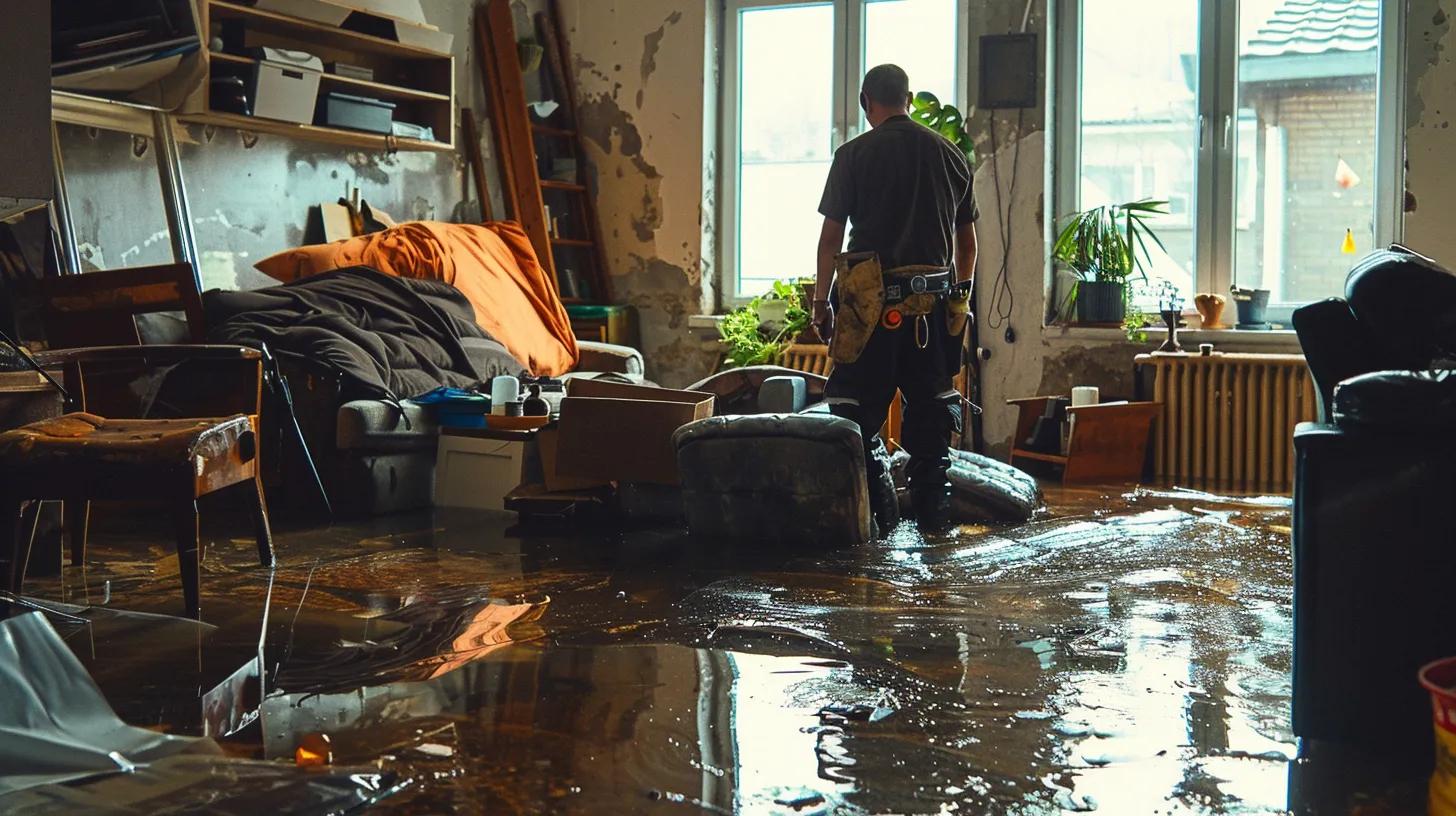
Top 7 Signs You Need Immediate Water Damage Restoration in NY: How to Detect and Act Fast
When water damage occurs in a home, the consequences can be both immediate and far-reaching. New York homeowners face challenges due to climate variations, aging infrastructures, and high property values. Water damage can lower indoor air quality, weaken structural integrity, and compromise personal belongings. Immediate restoration protects your investment and ensures a safe, healthy environment. This guide outlines common signs of water damage, methods to detect hidden issues, and when to enlist professional restoration services advised by restorationexperts. Based on industry standards, restoration experts’ advice, and real-world case studies from the New York metropolitan region, this article covers warped flooring, bubbling paint, musty odors, and electrical irregularities—each an important cue for action. Homeowners can reduce long-term damage and expensive repairs by understanding these signals and acting promptly.
Transitioning to a detailed breakdown, the following sections explain the key indicators warranting immediate water damage restoration services in New York.
What Are the Most Common Signs of Water Damage in Your New York Home?
Water damage in New York homes is identified by visible and internal signs. The initial evidence includes stains, discoloration, and anomalies on walls, ceilings, and floors that reveal past or ongoing moisture issues. Water stains may range from light discoloration to dark patches. Peeling or bubbling paint signals early water infiltration. Additionally, warped or buckled flooring indicates that water has penetrated the subfloor, causing expansion and subsequent deterioration of materials.
How Can You Identify Visible Water Stains and Discoloration?
Visible water stains appear as irregular patches ranging from pale yellow to dark brown. They not only mar the visual appeal but also indicate that moisture has seeped into porous materials such as drywall, plaster, or wood. A careful inspection using moisture meters can reveal the true extent of the hidden water damage.
Why Is Peeling or Bubbling Paint a Warning Sign?
Peeling or bubbling paint shows that water has seeped behind the finish, separating it from its substrate. This deterioration, caused by water infiltration through cracks and porous surfaces, compromises both aesthetics and the protective barrier of the building, accelerating structural decay.
What Does Warped or Buckled Flooring Reveal About Water Damage?
Warped or buckled flooring is a disturbing sign that water has penetrated the surface. When wooden floorboards or laminate materials absorb moisture, their fibers expand and distort the surface. This not only affects appearance but may indicate underlying subfloor damage, raising the risk of mold growth and further instability.
How Do Musty Odors Indicate Hidden Water Damage and Mold Growth?

Persistent musty odors suggest hidden water damage and potential mold growth. Damp smells, lingering in rooms, often mean that water has seeped into concealed areas like behind walls or under carpets. These odors result from microbial activity and the metabolic processes of mold spores. In addition to being unpleasant, they can trigger respiratory issues and allergies.
What Causes Persistent Damp Smells After a Leak?
Damp smells are caused by residual moisture in porous building materials. Even after the water source is eliminated, trapped moisture in drywall, insulation, or wood can foster bacteria and mold growth. These organisms release volatile organic compounds (VOCs) that maintain the musty odor, signaling more extensive water damage.
How Can You Detect Mold Behind Walls or Under Carpets?
Detecting hidden mold can be challenging. Changes in air quality or increased allergy symptoms among residents might be early indicators. Visible signs on accessible surfaces, together with bubbling, warping, or discoloration in drywall or carpets, strengthen the suspicion of mold behind walls. Professional tools like infrared cameras and moisture meters are often required for accurate detection.
When Should You Be Concerned About Increased Humidity and Condensation?
High humidity and persistent condensation are early signals of water damage. Condensation on windows, pipes, and walls may indicate excessive moisture indoors, particularly in areas with poor ventilation or during sudden weather changes. This environmental condition can lead to mold growth and accelerated material degradation.
How Does Excess Moisture Affect Indoor Air Quality?
Excess moisture enables mold, bacteria, and dust mites to multiply. When condensation forms on surfaces, it creates a microenvironment for these allergens. Their VOCs and spores degrade air quality, potentially triggering allergic reactions and asthma attacks. In dense urban areas like New York, already challenged by indoor air quality issues, high moisture levels can worsen health conditions.
What Are the Risks of Ignoring Condensation on Windows and Pipes?
Regular condensation on windows and pipes is more than an aesthetic issue. Unaddressed, it can lead to corrosion, degrade window seals, and ultimately damage structural components. Persistent condensation also promotes mold and mildew growth in wall cavities and under insulation, potentially reducing energy efficiency and increasing repair costs.
What Are the Signs of Structural Damage That Require Immediate Restoration?

Structural damage from water intrusion is one of the most severe outcomes of untreated water damage. Water can weaken load-bearing walls, foundations, and ceilings, threatening the stability and safety of the entire structure. In older New York homes, even minor water exposure may lead to significant deterioration over time.
How to Spot Cracks in Walls and Ceilings Caused by Water?
Cracks in walls and ceilings, initially appearing as thin, hairline fissures, may widen over time due to moisture-induced expansion and contraction. Such cracks, often accompanied by damp patches or discoloration, confirm water’s damaging influence. Professional assessments can gauge whether the structure has been compromised, allowing for timely intervention.
When Does Sagging Drywall Indicate Severe Water Damage?
Sagging drywall indicates that water has saturated the material within the wall cavity. This saturation causes the drywall to lose structural integrity and sag. The condition is typically accompanied by bubbles, stains, or musty odors and represents an emergency situation requiring immediate professional attention.
How Can You Detect Electrical Issues Related to Water Damage?
Water damage can severely compromise electrical systems by causing corrosion, short circuits, and system failures. Signs include flickering lights, tripped breakers, and unusual buzzing noises from electrical components. These symptoms indicate that water has come into direct contact with wiring or electrical panels, posing fire risks and other hazards.
What Are the Warning Signs of Water-Compromised Electrical Systems?
Early signs include inconsistent power supply, frequently tripped circuit breakers, and visible rust around outlets and switches. A burning smell may also be present, signaling overheating components. Dampness or condensation on electrical panels is an urgent indicator that professional evaluation is necessary to prevent dangerous outcomes.
Why Is Immediate Professional Help Crucial for Electrical Water Damage?
Immediate intervention is necessary when water affects electrical components to avoid risks of fire, severe injuries, or electrocution. Licensed professionals use specialized tools to safely de-energize circuits, assess the damage, and repair compromised components. Their involvement ensures that the system meets safety standards—a critical factor for successful insurance claims and long-term reliability.
How Does Water Damage Affect Your Personal Belongings and Contents?

Water damage not only jeopardizes a home’s structural integrity but can also devastate personal belongings such as electronics, furniture, documents, and decorative items. Even minimal moisture can cause irreversible damage like discoloration, warping, or material breakdown. The conditions created by water damage can further promote mold growth, rendering items unsalvageable.
What Items Are Most Vulnerable to Water Damage in Your Home?
Everyday essentials and high-value items are at risk. Electronics are prone to circuit damage, while documents, photographs, and heirlooms can decay rapidly. Wooden furniture and upholstered materials may warp or develop mold, reducing their lifespan and appeal. Delicate items like artwork or antiques require especially careful handling when exposed to water.
How Can You Protect and Restore Damaged Personal Property?
Immediate action is crucial—remove affected items from damp spaces and begin drying using fans, dehumidifiers, or professional equipment. Restoration specialists may use freeze-drying, ultrasonic cleaning, or chemical treatments to salvage items. Additionally, preventive measures such as water-resistant storage and elevated installations in flood-prone areas can help protect possessions, while thorough documentation aids in insurance claims.
When Should You Contact Emergency Water Damage Restoration Services in New York?
Emergency water damage restoration services should be contacted when visible structural damage, hazardous electrical issues, or significant personal property losses occur. Delaying action increases the risk of mold, structural instability, and additional secondary damages. In a competitive New York real estate market, timely intervention minimizes repair costs and disruption.
What Are the Benefits of Rapid Response Water Damage Repair?
Rapid intervention can significantly reduce secondary damage from mold, corrosion, and weakening structures. Professional restoration experts quickly extract water and dry affected areas, limiting further decay. This prompt action also eases the insurance claim process by providing well-documented evidence of early remediation.
How Does Professional Restoration Help With Insurance Claims?
Restoration experts assist with insurance claims by providing detailed documentation, including photographs, moisture readings, and repair estimates. Working directly with adjusters, they ensure that all damage is accurately recorded—streamlining claims and reducing the homeowner’s financial burden.
What Should You Expect During the Water Damage Restoration Process?
The restoration process typically involves a systematic approach: an initial inspection, water extraction, dehumidification, removal or sanitization of damaged materials, and structural repairs. A final phase of cleaning and deodorization returns the property to its pre-damage condition, with clear communication maintained between the restoration team and the homeowner.
Detailed List of 7 Critical Signs of Water Damage
Below is a consolidated list of warning indicators for immediate restoration action:
- Visible Water Stains – Early Evidence of Moisture Intrusion
Stains on ceilings, walls, or floors signal water penetration into building materials. Immediate investigation prevents hidden moisture from causing further damage. - Peeling or Bubbling Paint – Breakdown of Protective Surfaces
When paint peels or bubbles, it indicates moisture infiltration that compromises the structural integrity of walls and increases the risk of mold growth. - Warped or Buckled Flooring – Structural Distortion in Moist Environments
Warped flooring shows that water has affected not only the surface but also the subfloor, potentially leading to more serious structural issues over time. - Persistent Musty Odors – Indications of Hidden Mold Growth
A lingering musty smell is a sign of ongoing microbial activity and mold proliferation behind walls or under carpets, warranting professional remediation. - Electrical Irregularities – Dangerous Signs of Water-Compromised Systems
Flickering lights, tripped breakers, or a burning smell around outlets indicate that water has reached electrical components, posing serious safety risks. - Cracks in Walls and Ceilings – Structural Weakness from Excess Moisture
Gradually widening cracks along with damp patches suggest that constant moisture is deteriorating structural elements, requiring prompt repair. - Increased Indoor Humidity and Condensation – Environmental Red Flags
Excessive moisture observed as condensation on surfaces and high indoor humidity levels creates ideal conditions for further decay and mold growth.
Comparative Table: Signs, Risks, and Restoration Benefits
| Sign of Water Damage | Potential Risk | Restoration Benefit | Quantifiable Impact |
|---|---|---|---|
| Visible stains and discoloration | Hidden moisture causing decay | Early detection and cost-effective repair | Up to 50% reduction in repair costs if addressed |
| Peeling or bubbling paint | Loss of protective barrier | Maintains wall integrity | Delays further deterioration by roughly 25% |
| Warped or buckled flooring | Subfloor damage and instability | Structural reinforcement and drying | 40% improvement in material longevity |
| Persistent musty odors | Mold growth and health hazards | Enhanced indoor air quality through remediation | Reduction in mold spores by up to 60% |
| Electrical irregularities | Fire and shock risks | Safe electrical system restoration | 90% reduction in risk when addressed professionally |
| Cracks in walls/ceilings | Structural weakening | Prevents further failure | Delays progression by up to 70% |
| Increased humidity and condensation | Accelerated material decay and mold | Improved indoor comfort and safety | Cost-saving efficacy of 50-80% with rapid response |
The table above summarizes key indicators, associated risks, and benefits of prompt restoration—helping homeowners make informed decisions.
Detailed List of Homeowner Preventative Measures Against Water Damage
The following steps can minimize the risk and impact of water damage:
- Regular Inspections – Systematic Home Checks
Routine inspection of roofs, walls, and foundations helps catch early signs of leaks and moisture buildup, reducing the need for extensive repairs later. - Installation of Moisture Meters – Early Detection Tools
Placing moisture meters in basements, attics, and bathrooms provides timely, quantitative data on moisture levels, alerting you to hidden leaks. - Routine HVAC Maintenance – Controlling Indoor Humidity
Proper HVAC maintenance, including regular filter changes and cleaning, helps keep indoor air balanced and prevents excess humidity buildup. - Waterproofing Basements – Structural Protection Techniques
Waterproofing using sealants, sump pumps, and proper drainage adds a protective barrier against water intrusion in basements and foundations. - Timely Repair of Roofs and Gutters – Preventative Structural Repairs
Keeping roofs and gutters in optimal condition by cleaning and promptly repairing damages helps prevent water from entering the home during heavy rainfall.
Final Thoughts
New York homeowners must be vigilant in detecting early signs of water damage. Immediate restoration safeguards structural integrity, protects health, and preserves personal belongings. Recognizing visible stains, unusual odors, and electrical irregularities allows for timely professional intervention—ensuring long-term safety, comfort, and property value.
Frequently Asked Questions
Q: What should I do first if I notice water stains on my walls?
A: Shut off any potential water sources immediately, conduct a thorough inspection, document the stains, and consult a professional restoration service for an accurate assessment.
Q: How can musty odors indicate severe water damage?
A: Musty odors signal hidden moisture and mold growth behind walls or under carpets; these smells indicate that water damage is more extensive than visible signs reveal.
Q: Why is warped flooring a serious concern for New York homes?
A: Warped flooring generally means water has penetrated the subfloor, compromising its structure and increasing the risk of further deterioration and mold growth.
Q: How do humidity and condensation contribute to water damage?
A: Excess humidity and persistent condensation create ideal conditions for mold and mildew growth and can degrade building materials over time.
Q: When is it essential to contact emergency water damage restoration services?
A: Immediate contact is necessary when there is visible structural damage, significant electrical issues, or extensive damage to personal property, as delays can lead to compounded problems.
Q: What role do professional restoration services play in insurance claims?
A: Restoration experts document the damage with detailed reports and measurements, facilitating smoother and faster processing of insurance claims.
Q: Can minor water stains be safely ignored?
A: Minor water stains can be early indicators of serious issues; ignoring them can allow hidden moisture to foster mold growth and lead to costly structural repairs over time.