
September 16, 2025
Fire Damage Recovery Process Steps Explained – Expert Guide
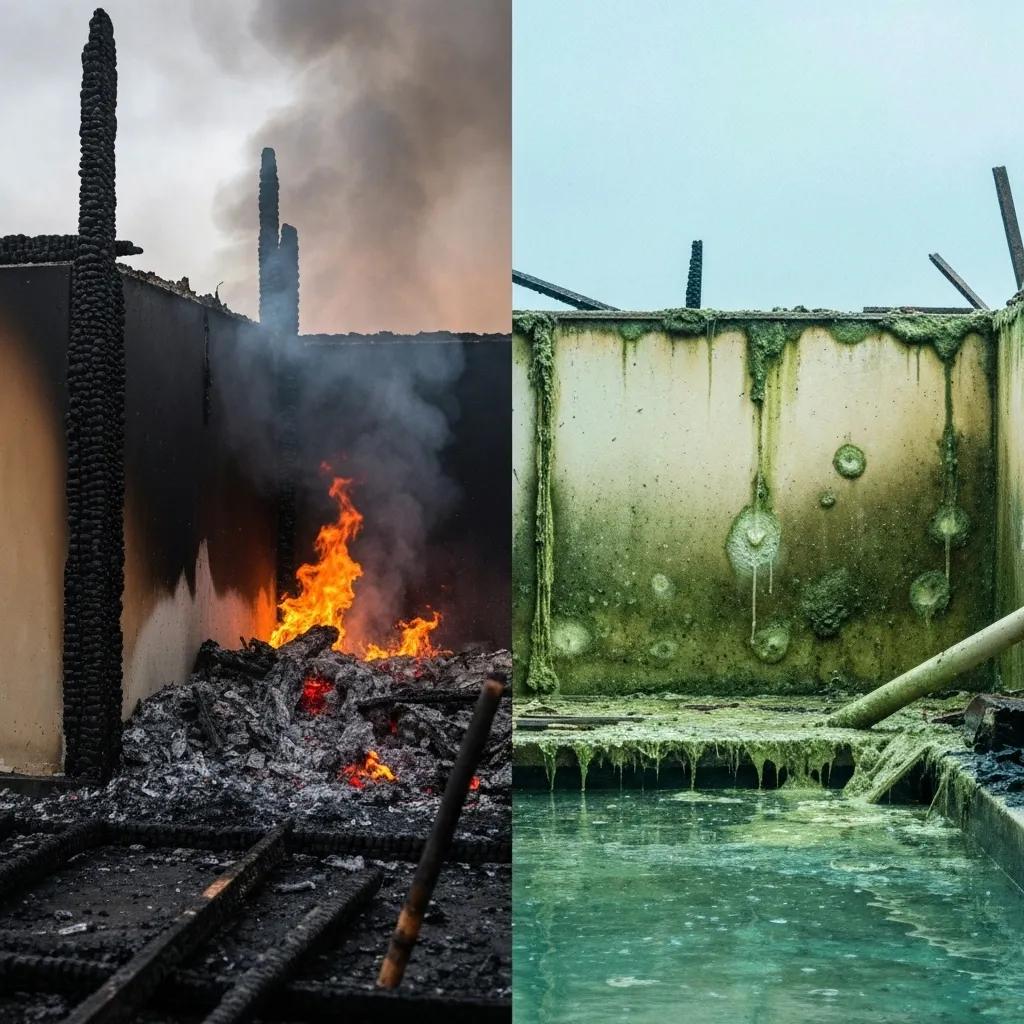
Fire Damage Recovery vs. Water Damage Recovery Process Steps: A Comprehensive Guide for New York Property Owners
When fire damage recovery process steps meet the equally critical water damage recovery process steps, property owners in New York face complex decisions that affect structural safety, occupant health, and insurance outcomes. This guide delivers actionable recovery workflows, highlights timeline differences, outlines insurance claim essentials, and showcases how Restoration Experts’ 24/7 emergency response and certified professionals restore homes and businesses across Long Island, NYC, Suffolk, and Nassau. You will learn:
- Key distinctions between fire and water damage
- Detailed step-by-step fire restoration processes
- Comprehensive water extraction and drying techniques
- Timeline and complexity comparisons
- Secondary water damage from firefighting impacts
- Insurance claim strategies for both damage types
- Why Restoration Experts is your local restoration partner
By following these proven recovery process steps, New York property owners can reduce downtime, control health risks, and expedite insurance settlements.
What Are the Key Differences Between Fire Damage and Water Damage?
Fire damage arises from flames, heat, and smoke that compromise structures and contents, while water damage results from uncontrolled moisture—burst pipes, floods, leaks—that causes swelling, mold growth, and decay. Recognizing these fundamental differences guides property owners to the right remediation strategy and prevents secondary losses.
How Does Fire Damage Affect Property Structure and Contents?
Fire damage affects property structure and contents by exposing materials to extreme heat, consuming combustible elements, and leaving acidic soot that accelerates corrosion.
Before detailing remediation steps, consider these core fire impacts:
- Heat distortion weakens steel beams and deforms framing members.
- Combustion damage chars wood, drywall, and insulation layers.
- Smoke infiltration deposits soot deep into carpets, upholstery, and HVAC systems.
- Soot corrosion accelerates metal rust and tarnishes fixtures.
- Secondary water damage drips from sprinkler systems or firefighter hoses.
These effects illustrate why early structural assessment and containment are critical before proceeding to water and soot cleanup.
Understanding the structural impacts of fire damage provides a clear foundation for exploring the sources and types of water damage next.
What Are the Common Sources and Types of Water Damage?
Water damage originates from plumbing failures, natural flooding, roof leaks, and fire suppression efforts, each classified by contamination level and severity.
- Burst pipes releasing clean Category 1 water under pressure.
- Flooding from heavy rainfall or storm surge introducing contaminated water.
- Roof or window leaks allowing persistent moisture intrusion.
- Appliance failures—hot water heater ruptures or washing machine overflows.
- Firefighting discharges that introduce grey or black water into interiors.
These scenarios underscore the need for rapid water extraction and drying to prevent hidden moisture and mold proliferation.
Clarifying water sources and categories paves the way to evaluate health risks from smoke versus mold exposure.
Which Damage Type Poses Greater Health Risks: Smoke or Mold?
Below is a comparison of health hazards posed by smoke residues and mold spores after property damage:
| Health Hazard | Primary Cause | Common Symptoms |
|---|---|---|
| Smoke Inhalation | Carbon monoxide and particulates | Shortness of breath, coughing, headaches |
| Mold Exposure | Airborne fungal spores | Allergic reactions, sinusitis, asthma |
Smoke inhalation carries immediate respiratory threats, while mold exposure can trigger chronic illnesses over weeks. Both underscore why timely recovery and professional remediation safeguard occupant health and property value.
Fire Damage vs. Water Damage Health Risks
Smoke inhalation from fires poses immediate respiratory threats due to carbon monoxide and particulates. Conversely, mold exposure, a consequence of water damage, can trigger chronic illnesses over weeks, highlighting the importance of timely remediation for both damage types to safeguard occupant health and property value.
Centers for Disease Control and Prevention (CDC), “Smoke Exposure”
This citation supports the article’s comparison of health hazards associated with fire and water damage, specifically smoke inhalation and mold exposure.
What Are the Step-by-Step Processes for Fire Damage Recovery?

The fire damage recovery process steps involve site securing, debris removal, smoke and soot cleaning, odor elimination, and structural repair to restore safety and functionality.
How Is Emergency Board-Up and Property Securing Performed After Fire?
Emergency board-up secures openings and stabilizes weakened structures to prevent trespassing, weather intrusion, and further collapse. Restoration Experts uses FEMA-grade plywood, tamper-proof fasteners, and temporary bracing to seal windows, doors, and roof penetrations. This containment step protects interiors while full inspections are scheduled.
Securing the property establishes a controlled environment for safe cleanup and sets the stage for targeted soot and odor removal.
What Techniques Are Used for Smoke, Soot, and Odor Removal?
Smoke, soot, and odor removal combines mechanical, chemical, and thermal methods to restore air quality and surfaces.
- Dry-ice blasting to abrade and lift oily soot from masonry.
- Air scrubbers with HEPA filters to capture airborne particulates.
- Thermal fogging to neutralize odorous smoke molecules at a molecular level.
- Enzymatic cleaners to dissolve residue on fabrics and carpeting.
These interventions restore surface integrity and freshen indoor air, preparing the property for reconstruction.
Completing odor removal leads to detailed structural assessments and repair planning in the next phase.
How Is Structural Damage Assessed and Repaired Post-Fire?
Structural assessment begins with a certified technician inspecting load-bearing elements, electrical systems, and concealed cavities for heat-related degradation. Engineers verify beam alignment, floor joist integrity, and code-compliance of fire-damaged materials.
- Replace charred framing with code-grade lumber or steel supports.
- Install new drywall, insulation, and electrical wiring to restore safety.
- Refinish surfaces—painting, flooring, and trim—to pre-loss condition.
This reconstruction phase transforms scoured interiors into secure, habitable spaces.
What Are the Step-by-Step Processes for Water Damage Recovery?

Water damage recovery process steps center on immediate water extraction, structural drying, humidity control, and mold remediation to prevent lasting damage.
How Is Water Extraction and Structural Drying Conducted?
Water extraction removes standing moisture using high-capacity pumps and submersible vacuums. Industrial dehumidifiers and air movers then lower humidity and circulate warm, dry air through walls and floors.
- Containment of wet zones to limit moisture spread.
- Moisture mapping with thermal imaging to locate hidden saturation.
- Continuous humidity monitoring to confirm drying goals.
Efficient extraction and drying halt structural weakening and inhibit fungal growth, clearing the way for surface restoration.
What Are the Methods for Mold Remediation and Prevention?
Mold remediation eliminates microbial growth from damp materials and prevents recurrence through moisture control.
- Isolate affected areas with negative-pressure barriers.
- Remove non-savable materials like saturated drywall or carpeting.
- Clean surfaces with EPA-registered fungicides and HEPA vacuuming.
- Apply antimicrobial sealants to inhibit spore germination.
Ongoing humidity management and leak repairs prevent future mold colonization and protect indoor air quality.
How Are Electrical Hazards and Hidden Moisture Addressed?
Water intrusion can short circuits and trap moisture behind walls, creating unseen risks.
- Shut off building power and test circuits with GFCI-rated meters.
- Inspect electrical panels, receptacles, and junction boxes for corrosion.
- Employ moisture sensors behind finishes to identify damp framing.
- Document all hazards and coordinate licensed electricians for repairs.
Ensuring electrical safety precedes any reconstruction work and preserves occupant well-being.
How Do Fire and Water Damage Recovery Processes Differ in Timeline and Complexity?
Fire and water damage recovery differ in prescribed steps, project duration, and interdisciplinary coordination, reflecting each damage type’s unique challenges.
What Is the Typical Restoration Timeline for Fire Damage?
Fire restoration often spans 4–8 weeks, depending on structural loss and smoke penetration. Initial board-up and inspection occur within 24–48 hours, followed by debris removal, cleaning phases, and 2–4 weeks of reconstruction. Complex builds may require permit approvals, extending timelines by several weeks.
How Long Does Water Damage Restoration Usually Take?
Water restoration can complete in 1–2 weeks for moderate incidents. Water extraction and drying occupy the first 3–7 days, mold remediation spans 2–4 days, and surface repairs conclude in 2–5 days. Extensive flooding or category 3 contamination can extend schedules by 1–2 additional weeks.
Water Damage Restoration Timeline
Water damage restoration typically takes 1–2 weeks for moderate incidents, with water extraction and drying taking the initial 3–7 days. Mold remediation and surface repairs follow, emphasizing the need for prompt action to prevent lasting damage and secondary issues.
Federal Emergency Management Agency (FEMA), “After the Flood: Dealing with Mold and Mildew” (2017)
This citation supports the article’s discussion of the typical restoration timeline for water damage, including the various phases involved in the process.
What Factors Increase Complexity in Each Restoration Type?
Several factors can prolong either recovery process:
- Combined damage from fire suppression efforts requires both drying and smoke cleanup.
- Hidden structural issues like warped framing or mold behind walls.
- Insurance delays due to documentation disputes or policy exclusions.
- Historic buildings with specialized materials and code requirements.
Identifying these complexity drivers up front ensures realistic schedules and budgets.
How Does Firefighting Water Create Secondary Water Damage and Affect Recovery?
Water used to extinguish flames often infiltrates building cavities, saturates finishes, and spreads contaminants, creating a dual-damage scenario that demands integrated restoration.
What Are the Risks of Water Damage from Fire Suppression Efforts?
Fire suppression water can:
- Soak insulation and drywall, promoting mold within 24–48 hours.
- Pool in subfloors, warping hardwood and swelling particle board.
- Carry soot and debris deeper into walls and ducts.
Recognizing these risks early enables simultaneous water extraction during fire cleanup and accelerates full restoration.
How Is Integrated Restoration Managed for Combined Fire and Water Damage?
Integrated restoration combines fire and water protocols in a coordinated workflow:
- Secure site and extract water in a single mobilization.
- Use multi-stage cleaning that addresses soot first, then moisture.
- Schedule reconstruction crews only after both heat and moisture damage clearances.
This dual-damage strategy minimizes repeat mobilizations, reduces costs, and restores safety more quickly.
What Should Property Owners Know About Insurance Claims for Fire and Water Damage?
Navigating insurance claims for fire versus water damage demands understanding policy nuances, documenting losses thoroughly, and leveraging professional support to maximize coverage.
How Do Insurance Policies Differ in Covering Fire vs. Water Damage?
Most homeowners policies cover fire, smoke, and sudden plumbing failures, but exclude gradual leaks or flood events. Flood insurance or endorsements are required for storm surges and external flooding. Understanding these nuances prevents denied claims and unexpected out-of-pocket expenses.
What Documentation Is Needed to Facilitate Fire and Water Damage Claims?
Comprehensive claim documentation includes:
- Date-stamped photos of impacted areas and damaged contents.
- Detailed inventory lists with descriptions and replacement values.
- Contractor estimates for emergency board-up, drying, and repairs.
- Official fire department or adjuster reports confirming cause.
Meticulous records expedite adjuster reviews and claim approvals.
How Can Restoration Experts Assist with Insurance Adjusters and Claims?
Restoration Experts partners with insurance adjusters by:
- Providing line-item estimates aligned to Xactimate pricing.
- Offering digital humidity and thermal logs as proof of moisture removal.
- Supplying before-and-after photo galleries and progress reports.
- Coordinating site walkthroughs to substantiate scope and costs.
This support streamlines claim settlements and reduces owner stress.
Why Choose Restoration Experts for Fire and Water Damage Recovery in New York?
Restoration Experts combines deep local knowledge, certified crews, and cutting-edge technology to deliver rapid, compliant, and empathetic restoration across New York’s diverse property landscape.
What Local Challenges Does Restoration Experts Address in NYC and Long Island?
Urban density in NYC demands swift board-up and smoke control to limit tenant disruptions, while coastal homes on Long Island require specialized flood-ready drying systems and dehumidifiers. Familiarity with Suffolk and Nassau county codes ensures timely permit approvals.
How Do Certified Professionals and Advanced Technology Improve Restoration Outcomes?
IICRC-certified technicians apply industry-leading moisture meters, infrared cameras, and thermal foggers to detect hidden damage and neutralize odors. Proprietary drying protocols backed by AI-driven sensors guarantee thorough desiccation and prevent mold recurrence.
What Emergency Services Are Available 24/7 for Fire and Water Damage?
A single phone call to Restoration Experts activates local response teams within 90 minutes, any hour of the day. Emergency board-up, water extraction, and temporary power installations restore safety and stability before full restoration mobilization.
Four decades of combined experience empower Restoration Experts to restore New York properties swiftly, safely, and to pre-loss condition. Our certified crews, advanced equipment, and insurance claim support minimize downtime and stress. With 24/7 emergency response across Long Island, NYC, Suffolk, and Nassau, we ensure rapid containment and remediation. Contact Restoration Experts today for a prompt quote or immediate service to protect your property and peace of mind.
Frequently Asked Questions
What Should Property Owners Do Immediately After Fire or Water Damage Occurs?
Immediately after experiencing fire or water damage, property owners should prioritize safety by evacuating the premises and contacting emergency services if necessary. Once safe, they should document the damage with photos and notes for insurance purposes. It’s crucial to avoid entering the property until it has been assessed by professionals. Additionally, contacting a restoration company like Restoration Experts can expedite the recovery process, as they can provide emergency board-up and water extraction services to prevent further damage.
How Can Property Owners Prevent Future Fire or Water Damage?
Preventing future fire or water damage involves regular maintenance and safety checks. For fire prevention, ensure smoke detectors are functional, create an evacuation plan, and keep flammable materials away from heat sources. For water damage, inspect plumbing regularly, maintain gutters and downspouts, and consider installing sump pumps in flood-prone areas. Additionally, having a professional conduct routine inspections can help identify potential risks before they lead to significant damage.
What Are the Long-Term Effects of Fire and Water Damage on Property Value?
Both fire and water damage can significantly impact property value if not addressed promptly and effectively. Fire damage can lead to structural weaknesses and aesthetic issues, while water damage often results in mold growth and decay, which can deter potential buyers. Properties with a history of damage may also face higher insurance premiums. Timely restoration and proper documentation of repairs can help mitigate these effects and preserve property value over time.
Are There Specific Regulations for Restoration in New York?
Yes, New York has specific regulations governing restoration practices, particularly for fire and water damage. Restoration companies must comply with local building codes, health and safety regulations, and environmental standards. This includes proper disposal of hazardous materials, adherence to mold remediation guidelines, and obtaining necessary permits for structural repairs. Property owners should ensure that their chosen restoration service is familiar with these regulations to avoid legal complications and ensure compliance.
How Can Property Owners Choose the Right Restoration Company?
Choosing the right restoration company involves several key factors. Look for companies with proper certifications, such as IICRC, and positive customer reviews. It’s essential to verify their experience with both fire and water damage restoration. Additionally, inquire about their response time, availability of 24/7 emergency services, and whether they assist with insurance claims. A reputable company should provide a clear estimate and outline the restoration process, ensuring transparency and trust throughout the recovery journey.
What Role Does Insurance Play in Fire and Water Damage Recovery?
Insurance plays a critical role in fire and water damage recovery by helping cover the costs of restoration and repairs. Homeowners should understand their policy details, including what types of damage are covered and any exclusions. Promptly filing a claim with thorough documentation can expedite the process. Working with a restoration company that understands insurance claims can also facilitate communication with adjusters and ensure that property owners receive the maximum benefits available under their policy.
Conclusion
Understanding the distinct recovery processes for fire and water damage empowers New York property owners to make informed decisions that safeguard their investments and health. By leveraging expert guidance and timely interventions, you can minimize downtime and enhance the overall restoration experience. Don’t hesitate to reach out to Restoration Experts for immediate assistance and tailored solutions to your recovery needs. Explore our services today to ensure your property is restored to its pre-loss condition swiftly and effectively.