
October 23, 2025
Fire Damage Cleanup vs Water Damage: What You Need to Know
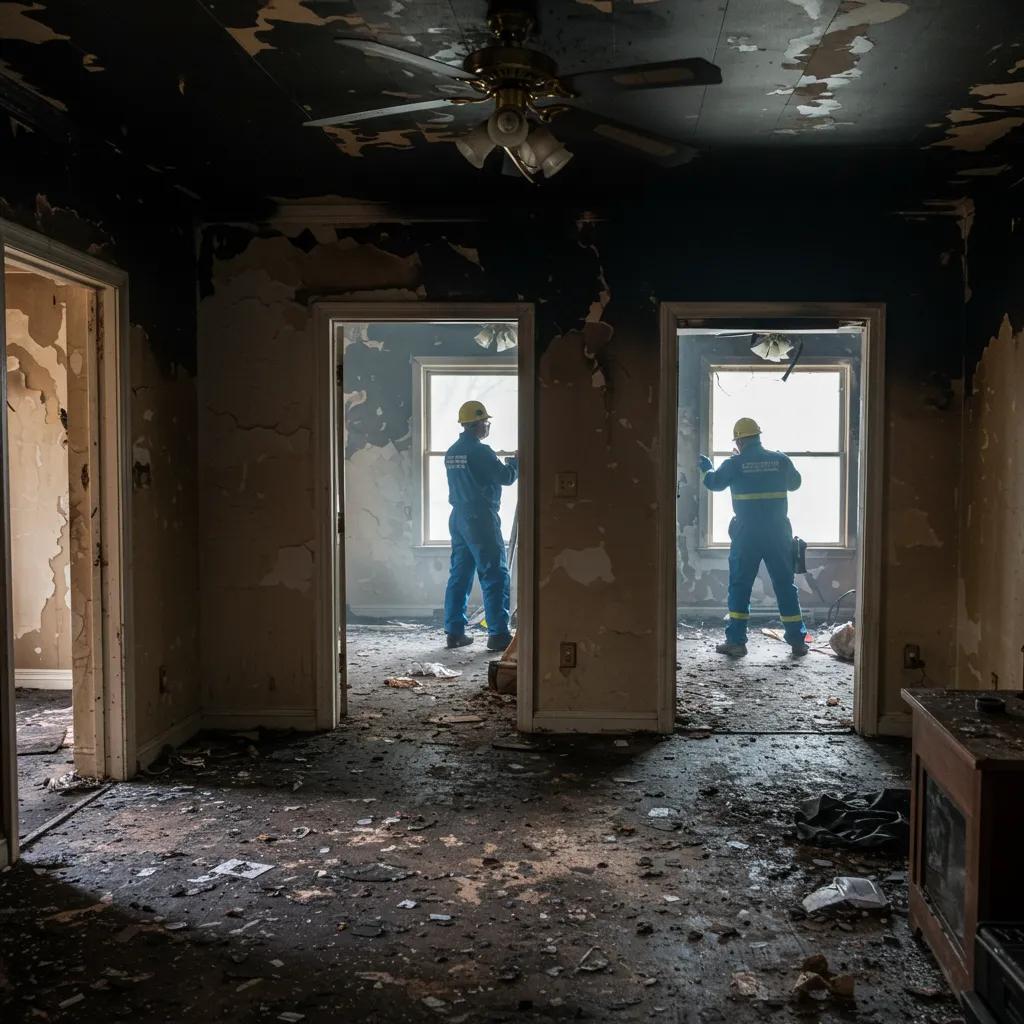
Fire Damage Cleanup vs Water Damage Restoration: Key Differences for New York Properties
Fire damage cleanup and water damage restoration present distinct challenges for New York property owners after emergencies in Long Island, NYC, Suffolk, or Nassau. Fire incidents leave charred structures, corrosive soot, and lingering smoke odors, while water events saturate materials, foster mold growth, and compromise building integrity. This guide defines fire damage cleanup, outlines its step-by-step process, and contrasts it with water damage restoration methods for extraction, drying, and remediation. You’ll explore equipment, health risks, insurance considerations, and cost drivers for both services, and discover why Restoration Experts brings 24/7 emergency response, rapid mitigation, and insurance-claim facilitation to restore properties to pre-loss condition—minimizing downtime and reducing stress under urgent circumstances.
What Is Fire Damage Cleanup and How Does the Process Work?
Fire damage cleanup is a structured service that removes hazardous soot, smoke odor, and char, assesses structural safety, and prepares a property for full reconstruction. By combining specialized cleaning agents, industrial air scrubbers, and controlled demolition, technicians restore air quality and stabilize surfaces. For example, crews often apply chemical sponges to neutralize acidic soot, preventing further corrosion of metal and wood. Understanding this process provides context for its individual stages and unique challenges in heavily populated New York neighborhoods.
What Are the Step-by-Step Stages of Fire Damage Cleanup?
Before listing stages, professionals perform a detailed safety assessment to identify structural risks and hazards.
- Inspection & Safety Assessment – Evaluate fire extent, locate hot spots, and secure utilities.
- Board-Up & Tarping – Protect openings from weather and unauthorized entry.
- Water Removal & Drying – Extract firefighting water to prevent secondary damage.
- Soot & Smoke Cleaning – Use dry chemical sponges and HEPA vacuums to remove residues.
- Sanitizing & Deodorizing – Apply foggers and ozone treatments to eliminate odors.
- Content Cleaning & Restoration – Clean salvageable items off-site or in place.
- Structural Repair & Reconstruction – Replace damaged framing, drywall, and finishes.
This sequence ensures comprehensive restoration and sets the stage for addressing smoke and soot removal techniques.
How Are Smoke and Soot Removed During Fire Damage Restoration?
Smoke and soot removal begins with mechanical cleaning to dislodge particles, followed by chemical treatments that neutralize acids and odors. Technicians employ high-efficiency particulate air (HEPA) filtration, dry chemical sponges, and targeted detergents to lift oily soot from surfaces without causing abrasion. For instance, thermal foggers distribute deodorizers into wall cavities to reach embedded odors. These combined methods restore clean air and prevent long-term material degradation, preparing structures for reconstruction.
What Structural Repairs Are Needed After Fire Damage?
Structural repairs address charred framing, weakened supports, and heat-damaged finishes. Crews replace compromised load-bearing studs, sister new beams to existing joists, and install fire-rated drywall where firewalls have deteriorated. Refinishing includes paint, trim, and flooring replacement to restore aesthetic and functional integrity. Repairing these components under strict building codes prevents collapse risks and restores safety, leading naturally to the availability of emergency services in New York.
What Emergency Fire Damage Services Are Available in New York?
Restoration Experts offers immediate triage and mitigation services 24/7 across New York, including Long Island, NYC, Suffolk, and Nassau.
- Rapid on-site risk assessment and hazard containment
- Emergency board-up and tarping to secure the property
- Temporary power and utilities stabilization
- Immediate soot cleanup and odor control
- Emergency coordination with insurers for claims documentation
These rapid-response services stabilize conditions and prepare for full cleanup, bridging to the complementary world of water damage restoration.
What Is Water Damage Restoration and What Are Its Key Steps?

Water damage restoration is a systematic process to remove excess moisture, inspect for contamination, dry structural elements, and remediate mold. Technicians use moisture meters, thermal imaging, and industrial dehumidifiers to detect hidden dampness and restore safe humidity levels. For example, rapid water extraction pumps combined with high-volume air movers prevent mold proliferation within 48 hours. This methodical approach underpins the detailed steps that follow.
What Are the Comprehensive Steps in Water Damage Restoration?
Prior to listing, a professional inspection determines water category and contamination risk.
- Emergency Contact & Inspection – Identify water source, category (clean, gray, black), and extent.
- Water Extraction & Removal – Use submersible pumps and vacuums for bulk water removal.
- Structural Drying & Dehumidification – Deploy air movers and desiccant dehumidifiers to lower moisture.
- Cleaning & Sanitizing – Disinfect surfaces to eliminate bacteria and pathogens.
- Mold Inspection & Remediation – Test for and remove fungal growth in cavities and on materials.
- Repair & Reconstruction – Restore drywall, flooring, insulation, and finishes.
This sequence prevents health hazards and readies properties for structural repair.
How Is Water Extracted and Properties Dried Effectively?
Effective extraction combines high-capacity submersible pumps with truck-mounted vacuums, followed by strategically placed air movers that circulate warm, dry air across wet surfaces. Hygrometers guide dehumidifier placement, ensuring rapid moisture removal from framing and plaster. For example, low-grain refrigerant dehumidifiers maintain relative humidity below 40 percent, inhibiting mold spores. These coordinated actions restore safe indoor conditions and flow into mold remediation necessities.
Why Is Mold Remediation Critical After Water Damage?
Mold remediation protects health and preserves structural integrity by removing fungal colonies before they spread. Moist conditions and organic materials create ideal environments for mold, which can trigger respiratory issues, allergic reactions, and material decay. Certified technicians isolate affected areas, use HEPA filtration, and apply antimicrobial treatments to eliminate spores and prevent regrowth. Addressing mold early safeguards occupants and prevents costly future repairs, transitioning to available emergency response options in New York.
What Emergency Water Damage Services Are Offered in New York?
In urgent water incidents across Long Island, NYC, Suffolk, and Nassau, Restoration Experts delivers:
- 24/7 rapid dispatch for leak containment and water extraction
- Immediate structural drying and humidity control
- Temporary dehumidification vaults for extensive sites
- Emergency sanitization of contaminated areas
- Coordination with insurers to document damage and expedite claims
These services halt progressive damage and pave the way for full restoration.
What Are the Key Differences Between Fire Damage Cleanup and Water Damage Restoration?

Fire cleanup and water restoration differ in damage assessment, techniques, equipment, and health considerations. While fire mitigation focuses on soot removal, odor control, and structural charring, water restoration emphasizes moisture extraction, drying, and mold prevention. The right techniques and tools vary accordingly, influencing cost, timeline, and insurance coverage.
How Do Damage Characteristics Differ Between Fire and Water Damage?
Below is a comparison of core damage characteristics in New York properties:
| Damage Factor | Fire Cleanup | Water Restoration |
|---|---|---|
| Residue | Corrosive soot and char | Saturated materials and mineral deposits |
| Odor | Pervasive smoke odors | Mildew and musty smells |
| Structural Impact | Heat-weakened framing and finishes | Swollen wood, delaminated drywall |
| Secondary Damage Risk | Smoke corrosion, residual acidity | Mold growth, bacterial contamination |
What Restoration Techniques and Equipment Are Unique to Each?
Fire cleanup and water restoration each employ specialized tools for optimal results:
| Method or Tool | Fire Cleanup | Water Restoration |
|---|---|---|
| Odor Control | Thermal foggers, ozone treatments | Air movers, desiccant dehumidifiers |
| Residue Removal | Dry chemical sponges, HEPA vacuums | Industrial wet vacuums, extraction pumps |
| Moisture Detection | Thermal imaging (for hidden fire damage) | Moisture meters and infrared scanners |
| Surface Drying | Low-volume air movers (post-extraction) | High-volume axial fans |
How Do Health and Safety Risks Vary Between Fire and Water Damage?
Fire and water incidents pose different hazards:
- Fire damage risks include inhalation of toxic smoke residues, chemical exposures, and structural collapse.
- Water damage hazards involve mold spores, bacterial pathogens, and electrical shock from wet wiring.
How Does Insurance Coverage Differ for Fire vs Water Damage?
Insurance policies typically cover sudden fire losses—repairing charred structures, smoke and soot cleanup, and personal property replacement. Water claims often apply to burst pipes or appliance failures but exclude gradual leaks or floods, requiring separate flood coverage. Understanding policy nuances ensures accurate claims and expedites reimbursement under each damage type.
How Much Does Fire Damage Cleanup Cost Compared to Water Damage Restoration?
Cost comparisons hinge on damage extent, materials affected, and response urgency. Fire cleanup often involves debris removal, specialized odor control, and reconstruction, while water restoration centers on moisture extraction and mold remediation.
What Factors Influence the Cost of Fire Damage Repair?
Fire cleanup costs depend on:
- Severity of char and soot penetration
- Square footage requiring board-up and rebuilding
- Extent of content cleaning or replacement
- Use of specialized odor-neutralizing treatments
- Local emergency dispatch and 24/7 response premiums
What Factors Affect Water Damage Restoration Pricing?
Key water restoration cost factors include:
- Category of water contamination (clean vs. black water)
- Volume of water extracted and area of saturation
- Length of drying and dehumidification needed
- Extent of mold remediation and antimicrobial treatments
- Accessibility of the affected spaces
Are There Differences in Insurance Claim Payouts for Fire and Water Damage?
Fire claims often yield higher payouts due to structural rebuilds, smoke remediation, and content replacement. Water claims may be lower if gradual leaks or flood exclusions apply. Timely documentation and professional restoration reports from Restoration Experts enhance claim approvals for both scenarios.
Why Should New York Property Owners Choose Restoration Experts for Fire and Water Damage?
When faced with the devastating effects of fire or water damage, New York property owners often find themselves overwhelmed by the restoration process. This is where the expertise of restoration professionals becomes invaluable. Specialized restoration experts possess the necessary training, equipment, and experience to effectively address the challenges that arise from such disasters. They understand the intricacies of damage assessment, ensuring that no underlying issues are missed, which is crucial in preventing future complications. Moreover, these professionals are well-versed in local building codes and insurance requirements, streamlining the process for homeowners and ensuring compliance throughout the restoration journey.
Another compelling reason for property owners to opt for restoration experts is the speed and efficiency with which they operate. Time is of the essence when it comes to mitigating damage—water can quickly lead to mold growth, while fire-damaged structures require immediate attention to stabilize. Restoration firms are equipped with advanced techniques and tools, enabling them to respond promptly and minimize losses. They provide a comprehensive suite of services, including debris removal, structural repairs, and air quality improvement, ensuring that the property is restored not only to its pre-loss condition but also to a safe and healthy environment. Ultimately, by choosing restoration experts, New York property owners can navigate the complexities of damage recovery with confidence, knowing their investment is in capable hands. When emergencies strike, Restoration Experts delivers rapid, reliable service, minimizing property loss and restoring safe conditions across New York’s diverse communities.
How Does Restoration Experts Provide 24/7 Emergency Restoration Services?
Restoration Experts maintains a dedicated emergency hotline staffed around the clock, dispatching certified crews within hours. Advanced logistics and strategically located equipment caches in Long Island and NYC ensure prompt arrival, containment, and mitigation—helping clients regain control immediately.
What Certifications and Expertise Support Our Fire and Water Damage Services?
All technicians hold IICRC certification, ensuring adherence to industry-standard protocols for structural drying, soot removal, and mold remediation. Ongoing training in OSHA safety standards and EPA-approved antimicrobial practices guarantees expert handling of hazardous materials.
How Does Restoration Experts Assist with Insurance Claim Facilitation?
Specialized insurance-liaison coordinators document damage with detailed reports, photographs, and itemized cleanup logs. This professional documentation accelerates claim processing, clarifies coverage, and helps homeowners or property managers secure fair settlements without added stress.
What Local Experience Does Restoration Experts Have in Long Island, NYC, Suffolk, and Nassau?
With years serving coastal and urban properties, Restoration Experts understands region-specific challenges—ranging from coastal flooding to high-rise fire codes. Familiarity with local building departments and insurers streamlines permitting and claim approvals, delivering seamless restoration experiences.
What Are the Health Risks Associated with Fire and Water Damage?
Fire and water damage pose significant health risks that can extend far beyond the immediate destruction of property. When a fire occurs, the smoke and soot produced contain a mixture of toxic chemicals, particulate matter, and carcinogens that can adversely affect anyone exposed. Individuals with pre-existing respiratory conditions, such as asthma or chronic obstructive pulmonary disease (COPD), are particularly vulnerable. The inhalation of these harmful substances can lead to respiratory distress, long-term lung damage, and even cancer. Furthermore, the alarming presence of mold in the aftermath of fire and water damage can compound these issues, as mold spores thrive in damp conditions and can trigger allergic reactions, respiratory problems, and various other health complications.
Water damage, whether from flooding or firefighting efforts, presents a different set of risks. Contaminated water from sewage backups or floodwaters can carry pathogens and harmful microorganisms, leading to waterborne diseases. Individuals exposed to such contaminated environments face illnesses ranging from gastrointestinal infections to skin diseases. Additionally, stagnation of water can create a breeding ground for mosquitoes and other pests, further exacerbating health risks. Both fire and water damage can lead to long-term environmental conditions that undermine the overall well-being of affected individuals, necessitating swift and thorough remediation to mitigate these ongoing health threats. Mitigating health hazards is a critical component of professional restoration to protect occupants during and after cleanup.
What Respiratory and Toxic Risks Come from Fire Damage?
Inhaling soot, volatile organic compounds (VOCs), and polycyclic aromatic hydrocarbons (PAHs) can trigger respiratory distress, headaches, and long-term lung irritation. Fire-damaged materials may release toxic residues that adhere to surfaces and airborne particulates, requiring HEPA filtration and proper protective equipment during cleanup.
How Does Water Damage Lead to Mold and Bacterial Hazards?
Water-soaked structures create breeding grounds for mold species such as Aspergillus and Stachybotrys, which release spores that aggravate allergies and asthma. Bacterial pathogens from gray or black water can cause infections if not promptly removed and disinfected, making timely antimicrobial treatments essential for health safety.
How Can Property Owners Prepare for Fire and Water Damage Emergencies?
Property owners must understand the importance of proactive measures when it comes to preparing for fire and water damage emergencies. Implementing a comprehensive preparedness plan is essential in mitigating potential risks. One crucial step is conducting regular inspections of the property, including checking wiring, plumbing, and appliances that could pose a fire or water hazard. Installing smoke detectors, fire extinguishers, and a reliable home monitoring system can significantly lessen the impact of an emergency. Moreover, property owners should be aware of their insurance policies, ensuring they have adequate coverage for fire and water damage incidents.
In addition to preventive maintenance and insurance awareness, creating an emergency response plan is vital. Property owners should formulate a clear action plan that outlines escape routes, designated meeting points, and communication strategies for family members or tenants. It’s also beneficial to have an emergency kit on hand, stocked with essentials such as water, non-perishable food, first-aid supplies, and important documents. Engaging in community preparedness initiatives can further bolster readiness, as it fosters connections with local emergency services and increases knowledge about local hazards. Ultimately, by taking these proactive steps, property owners not only safeguard their investments but also ensure the safety and well-being of their occupants during emergencies. Proactive preparation reduces damage severity and expedites professional intervention when incidents occur.
What Immediate Actions Should Be Taken After Fire Damage?
After ensuring personal safety and calling emergency services, property owners should:
- Shut off utilities if safe to do so
- Ventilate the area to clear smoke
- Document damage with photos before mitigation
- Contact a 24/7 restoration provider for board-up and cleanup
What Should You Do Immediately Following Water Damage?
Upon discovering water intrusion, owners should:
- Turn off electricity and water supply at the main valves
- Remove standing water with buckets or pumps if safe
- Elevate furniture on blocks to prevent staining
- Call restoration professionals for rapid extraction and drying
How Can Regular Maintenance Reduce Fire and Water Damage Risks?
Routine checks of electrical panels, HVAC filters, and smoke detectors help prevent fire incidents, while inspected plumbing lines and cleared gutters guard against leaks and flooding. Scheduled roof inspections and appliance servicing further diminish emergency triggers—supporting long-term property resilience. Properties restored with professional care recover faster and remain healthier. Partnering with Restoration Experts ensures expert mitigation, seamless insurance support, and full reconstruction under one trusted roof across New York’s challenging environments.
Frequently Asked Questions
What Should Property Owners Know About Fire and Water Damage Prevention?
Property owners should prioritize regular maintenance to prevent fire and water damage. This includes inspecting electrical systems, maintaining HVAC units, and ensuring smoke detectors are functional. For water damage, checking plumbing for leaks and ensuring gutters are clear can significantly reduce risks. Additionally, creating an emergency plan that includes contact information for restoration services can expedite response times in case of an incident. Proactive measures not only protect property but also enhance safety for occupants.
How Can Property Owners Assess the Extent of Damage After an Incident?
After a fire or water incident, property owners should conduct a thorough assessment of visible damage. This includes checking for structural integrity, such as cracks in walls or ceilings, and identifying areas with water saturation or smoke residue. It’s advisable to document all damage with photographs for insurance purposes. However, many issues, like hidden mold or compromised structural elements, may require professional evaluation. Engaging restoration experts can provide a comprehensive assessment and ensure all damage is addressed.
What Are the Long-Term Effects of Fire and Water Damage on Property?
Long-term effects of fire damage can include structural weakening, persistent odors, and health risks from toxic residues. Water damage can lead to mold growth, which poses serious health risks and can compromise building materials. Both types of damage can result in decreased property value and increased repair costs if not addressed promptly. Regular inspections and maintenance after restoration are crucial to prevent recurrence and ensure the property remains safe and habitable.
How Do Fire and Water Damage Restoration Services Ensure Safety During Cleanup?
Restoration services prioritize safety by employing trained professionals who follow strict protocols. They use personal protective equipment (PPE) to guard against hazardous materials, such as toxic smoke or mold spores. Additionally, they conduct thorough assessments to identify risks before beginning cleanup. Advanced equipment, like HEPA filters and air scrubbers, is utilized to improve air quality during the restoration process. These measures help protect both the workers and the occupants of the property.
What Role Does Insurance Play in Fire and Water Damage Restoration?
Insurance plays a critical role in covering the costs associated with fire and water damage restoration. Most policies cover sudden and accidental damage, but understanding the specifics of coverage is essential. Property owners should document all damage and restoration efforts to facilitate claims. Restoration companies often assist with this process by providing detailed reports and photographs, which can help expedite claims and ensure that property owners receive the compensation they need for repairs.
What Are the Common Misconceptions About Fire and Water Damage Restoration?
One common misconception is that all damage can be handled by the property owner without professional help. In reality, both fire and water damage often require specialized knowledge and equipment to ensure thorough restoration and safety. Another misconception is that insurance will cover all costs; however, many policies have exclusions that property owners should be aware of. Engaging professionals not only ensures proper restoration but also helps navigate the complexities of insurance claims.
How Can Property Owners Choose the Right Restoration Service?
Choosing the right restoration service involves researching local companies, checking reviews, and verifying certifications. Look for companies with IICRC certification, as this indicates adherence to industry standards. It’s also beneficial to select a service that offers 24/7 emergency response and has experience with both fire and water damage. Asking for detailed estimates and understanding their process can help ensure that property owners make informed decisions that align with their needs and expectations.