
September 23, 2025
Explore Professional Smoke Damage Restoration Services Today
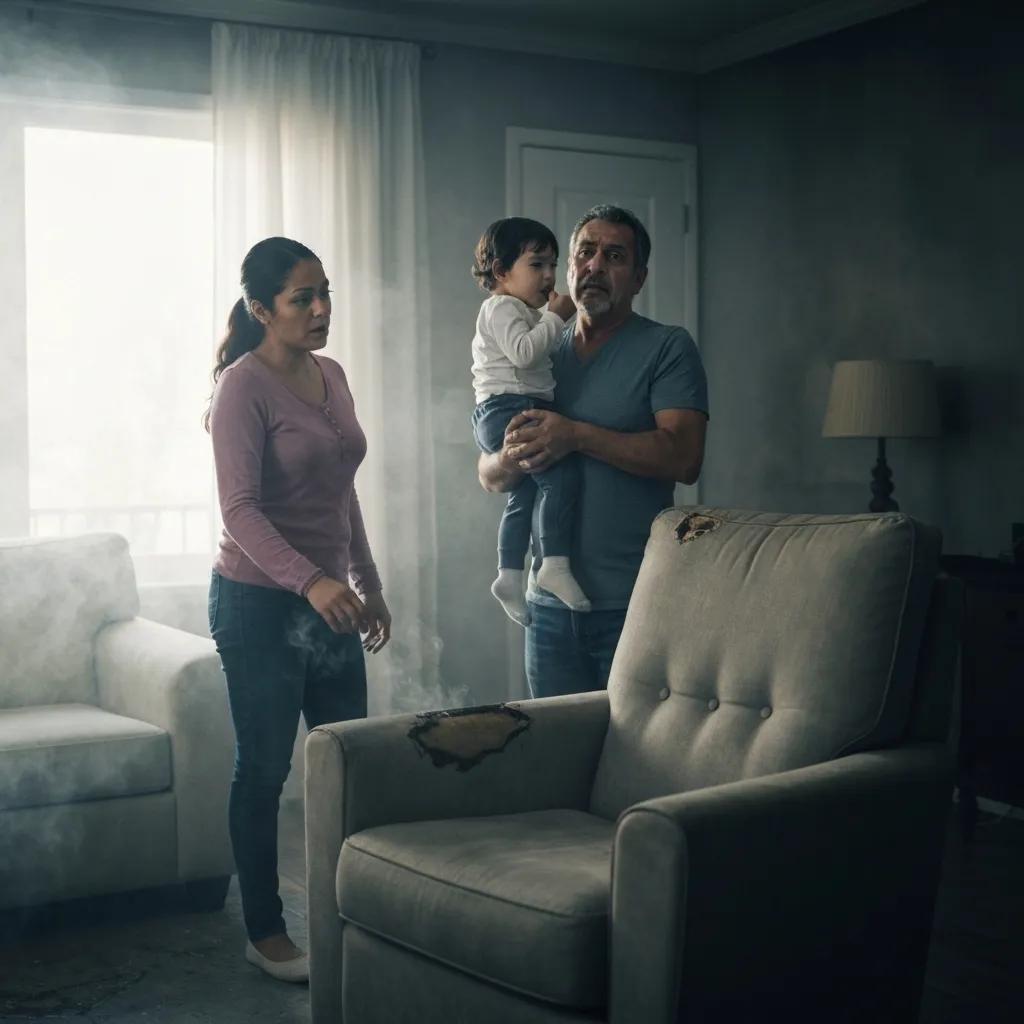
Curious About Smoke Damage Restoration Services? Your Complete Guide for New York Property Owners
Smoke damage can silently undermine your home’s structure, contaminate belongings, and pose serious health risks if left unattended. Homeowners and property managers across Long Island, NYC, Suffolk, and Nassau County trust professional smoke damage restoration services to assess damage, remove soot and odors, and restore safety and comfort. In this guide, you’ll discover what smoke damage entails, the step-by-step professional restoration process, why IICRC certification matters, cost considerations, insurance claim strategies, service area coverage, and clear answers to the most pressing questions property owners ask. Read on to learn how expert technicians from RestorationExperts.com deliver 24/7 emergency response, seamless insurance support, and lasting results that safeguard your New York property.
What Is Smoke Damage and How Does It Affect Your Property?
Smoke damage occurs when combustion byproducts infiltrate surfaces and contents, leaving behind soot, discoloration, and persistent odors that deteriorate building materials and possessions. Understanding smoke’s behavior and effects is essential for targeting cleanup and preventing long-term issues like corrosion, staining, and indoor air contamination.
What Are the Different Types of Smoke Damage?
Modern restoration specialists distinguish smoke damage by chemical composition and deposition patterns to tailor cleanup methods effectively.
| Smoke Category | Characteristics | Restoration Focus |
|---|---|---|
| Wet Smoke | Heavy, sticky residue from low-heat fires | Aggressive detergent cleaning |
| Dry Smoke | Powdery soot from high-heat, fast-burn fires | HEPA vacuuming and gentle washing |
| Protein Smoke | Invisible residue from kitchen fires | Oxidizing agents to neutralize odor |
| Fuel Oil Smoke | Residue from heating system malfunctions | Solvent-based extraction and sealing |
Each smoke type demands specific chemicals, agitation tools, and specialty equipment to break molecular bonds and restore surfaces. Proper classification lays the groundwork for efficient soot removal and odor elimination in the next phase.
How Does Smoke Damage Impact Your Home’s Structure and Contents?
Smoke particles cling to drywall, wood framing, upholstery, and wiring, causing corrosion, discoloration, and accelerated material breakdown. Soot can embed deep within porous materials, turning clean surfaces gray and leaving acidic residues that weaken structural integrity over time.
| Component | Impact | Restoration Requirement |
|---|---|---|
| Drywall | Yellowish staining, brittleness | Surface washing + sealant before repainting |
| Wood | Dark residue, moisture absorption | HEPA cleaning + dehumidification to prevent rot |
| Fabrics & Upholstery | Odor retention, fiber discoloration | Encapsulation cleaning + ozone or thermal fogging |
| HVAC System | Duct contamination, odor circulation | Air duct cleaning + HEPA filtration |
Ensuring deep cleaning and rapid moisture control prevents secondary damage like mold growth, establishing a foundation for odor-free, structurally sound interiors.
What Are the Health Risks Associated with Smoke and Soot Exposure?

Inhalation of microscopic soot and volatile organic compounds (VOCs) can irritate the respiratory tract, trigger asthma attacks, and exacerbate cardiovascular conditions. Certain smoke residues contain carcinogenic particles that settle on surfaces and linger in indoor air, posing long-term risks to occupants. Addressing these hazards immediately reduces exposure and restores healthy air quality for families and employees alike.
Health Risks of Smoke Exposure
Exposure to smoke and its byproducts can lead to various health issues. Inhalation of microscopic soot and volatile organic compounds (VOCs) can irritate the respiratory tract, trigger asthma attacks, and exacerbate cardiovascular conditions. Certain smoke residues contain carcinogenic particles that settle on surfaces and linger in indoor air, posing long-term risks to occupants.
U.S. Environmental Protection Agency (EPA), Smoke and Your Health
What Is the Professional Smoke Damage Restoration Process?
A structured, certified approach ensures that smoke damage is assessed, contained, cleaned, and repaired with minimal disruption and maximum safety. Professional restoration follows recognized standards and advanced techniques to deliver reliable, comprehensive results.
American Restoration, Smoke Damage Restoration Process
How Is Emergency Response and Initial Damage Assessment Conducted?
Emergency response teams activate within hours of your call to secure hazards, halt further contamination, and evaluate damage scope. Technicians conduct a room-by-room inspection to identify smoke penetration, document affected areas, and establish a remediation plan in compliance with ANSI/IICRC S700 standards. Rapid containment minimizes cross-contamination and informs precise resource allocation for the cleanup phase.
What Steps Are Involved in Soot and Residue Removal?
Specialists apply multi-stage cleaning protocols to eliminate soot without causing abrasion or smearing.
- Dry Vacuuming – HEPA-filtered vacuums capture loose soot particles.
- Chemical Sponge Wiping – Oil-based sponges lift embedded residues from walls and trim.
- Alkaline Washing – Professionally formulated detergents break down acidic soot compounds.
- Rinse and Neutralize – Clean water flushes away cleaning agents and residual particulates.
This systematic approach restores surfaces to pre-loss condition while preparing them for odor removal treatments.
How Do Professionals Remove Smoke Odor Effectively?
Eliminating smoke odor depends on replacing or neutralizing odor-causing molecules rather than masking them.
- Ozone Treatment uses ozone generators to oxidize airborne and surface odors.
- Thermal Fogging disperses deodorizing agents in a heated vapor that penetrates porous materials.
- Hydroxyl Generators harness UV light and moisture to create hydroxyl radicals that chemically bind with odor particles.
Combining these methods delivers deep odor eradication, ensuring fresh, breathable air throughout the property.
What Cleaning, Sanitizing, and Air Purification Methods Are Used?
After soot and odor removal, technicians deploy sanitization and air scrubbing measures to restore healthy indoor environments:
- HEPA-filtered air scrubbers remove microscopic particulates from the atmosphere.
- EPA-registered antimicrobial sprays disinfect surfaces and inhibit mold.
- Fogging sanitizers diffuse hospital-grade agents to eliminate pathogens.
These steps verify that air quality metrics meet or exceed industry health benchmarks before reconstruction begins.
When Are Repairs and Reconstruction Necessary?
Structural repairs address fire- or smoke-related damage that cleaning alone cannot resolve.
| Repair Category | Trigger Condition | Outcome |
|---|---|---|
| Drywall Replacement | Burn holes or irreparable stains | Smooth, paint-ready walls |
| Carpentry & Framing | Charred studs or compromised supports | Restored structural integrity |
| Electrical Systems | Soot-coated wiring or circuit damage | Safe, code-compliant electrical flow |
| Finish Carpentry | Door frames, trim warped by smoke | Seamless, like-new interior appearance |
Reconstruction specialists coordinate seamlessly with cleaning crews to rebuild damaged areas, achieving a uniform, restored environment.
Why Should You Choose IICRC Certified Technicians for Smoke Damage Restoration?
IICRC certification ensures that technicians adhere to rigorous education, ethics, and performance standards, translating into predictable, high-quality outcomes.
What Does IICRC Certification Mean for Quality and Safety?
IICRC Standards for Restoration
The IICRC (Institute of Inspection, Cleaning and Restoration Certification) sets standards for the restoration industry, ensuring that technicians adhere to rigorous education, ethics, and performance standards. Certification under ANSI/IICRC S700 signifies mastery of inspection, cleaning, and post-remediation verification procedures that safeguard property and occupant health.
Institute of Inspection, Cleaning and Restoration Certification (IICRC), IICRC Standards
How Do Certified Technicians Ensure Effective Smoke Damage Cleanup?
Certified experts leverage advanced tools and documented best practices to achieve consistent results:
- OSHA-approved containment systems prevent cross-contamination.
- Industrial-grade air movers expedite drying and reduce microbial growth.
- Calibrated hygrometers guide moisture control decisions.
This scientific precision eliminates guesswork and delivers measurable cleanliness and air quality restoration.
How Does RestorationExperts.com Support New York Clients with Certified Experts?
RestorationExperts.com maintains a fleet of IICRC-certified smoke and fire restoration technicians positioned throughout Long Island, NYC, Suffolk, and Nassau. Our local teams offer:
- 24/7 emergency dispatch within 2 hours.
- Transparent, no-obligation quotes after thorough assessments.
- Direct billing options with leading insurance carriers.
This combination of local presence and professional credentialing ensures rapid, reliable service across the New York metro area.
How Much Does Smoke Damage Restoration Cost and What Factors Influence Pricing?
Smoke damage restoration pricing depends on damage severity, smoke type, affected area size, and required equipment. Transparency in estimating ensures homeowners and managers make informed decisions.
What Are Typical Price Ranges for Smoke Damage Restoration Services?
| Service Tier | Approximate Cost Range | Included Scope |
|---|---|---|
| Minor Surface Cleaning | $1,000 – $3,000 | Soot removal, odor treatment in single room |
| Moderate Whole-Home | $3,000 – $7,500 | Multi-room cleaning, moderate odor elimination |
| Major Structural Repair | $7,500 – $20,000+ | Complete rebuild, deep odor neutralization, HVAC cleaning |
How Do Damage Severity and Smoke Type Affect Restoration Costs?
More extensive smoke penetration and aggressive residues—such as wet smoke or protein smoke—require stronger chemicals, longer dwell times, and multiple odor treatments. Larger affected footprints also increase labor, equipment rental, and containment expenses.
Are There Additional Costs for Odor Removal and Structural Repairs?
Supplementary charges arise when advanced deodorization methods (e.g., ozone or thermal fogging) or full reconstruction services become necessary. RestorationExperts.com details these options in your initial estimate, ensuring full transparency.
How Can You Navigate Smoke Damage Insurance Claims Successfully?
Recovering restoration costs hinges on thorough documentation, accurate estimates, and prompt communication with insurers. Expert guidance streamlines this process and maximizes claim approval.
What Does Insurance Typically Cover for Smoke Damage Restoration?
Most property-insurance policies include coverage for smoke and fire damage, including cleaning, odor removal, temporary housing expenses, and structural repairs. Policy limits, deductibles, and exclusions vary by carrier and plan.
How Does RestorationExperts.com Assist with Documentation and Claims?
Our teams compile comprehensive scope-of-loss reports, annotated photographs, and detailed invoicing formatted to insurer specifications. We liaise directly with adjusters, expedite supplemental estimates, and offer direct billing to reduce your out-of-pocket costs.
What Are Common Pitfalls to Avoid When Filing Smoke Damage Claims?
- Delayed reporting, which may lead to coverage denial.
- Incomplete documentation of pre-loss conditions.
- DIY cleanup that obscures true damage extent.
- Overlooking hidden damage behind walls or in ductwork.
Addressing these issues early ensures a smooth claims process and full reimbursement.
Where Are Smoke Damage Restoration Services Available in New York?
RestorationExperts.com delivers rapid response and certified expertise across the entire New York region, tailoring services to local building codes and climate considerations.
What Services Are Offered in Long Island and Suffolk County?
Our Long Island and Suffolk County teams specialize in suburban homes, historic properties, and coastal structures. Services include board-up, soot removal, odor treatments, and reconstruction compliant with local zoning regulations.
How Does RestorationExperts.com Serve NYC and Nassau County?
Urban dwellings pose unique challenges like shared HVAC systems and limited access. Our NYC and Nassau County crews navigate high-rise elevators and townhouse layouts to deliver efficient cleaning, air purification, and rebuild services without compromising apartment or condo neighbors.
Are Emergency Smoke Damage Cleanup Services Available 24/7?
Yes, RestorationExperts.com provides round-the-clock emergency mitigation and extraction services throughout New York. Our on-call technicians mobilize at any hour to secure your property and prevent further smoke contamination.
Frequently Asked Questions
What Should I Look for When Choosing a Smoke Damage Restoration Company?
When selecting a smoke damage restoration company, prioritize IICRC certification, which indicates adherence to industry standards. Look for companies with positive customer reviews and a proven track record in smoke damage restoration. Ensure they offer comprehensive services, including emergency response, thorough assessments, and transparent pricing. Additionally, inquire about their experience with insurance claims to facilitate a smoother process. A reliable company should also provide a detailed plan of action and be willing to answer any questions you may have about the restoration process.
How Can I Prevent Smoke Damage in My Home?
Preventing smoke damage starts with fire safety measures. Install smoke detectors on every level of your home and test them monthly. Keep fire extinguishers accessible and ensure everyone in your household knows how to use them. Avoid using candles unattended and maintain appliances to prevent malfunctions. Additionally, consider having a professional inspect your heating systems regularly. In the event of a fire, act quickly to contain the situation and contact emergency services immediately to minimize potential smoke damage.
What Are the Long-Term Effects of Smoke Damage on Property?
Long-term effects of smoke damage can include structural deterioration, persistent odors, and health risks due to lingering toxins. Smoke particles can embed in walls, furniture, and HVAC systems, leading to ongoing air quality issues. Over time, acidic residues can corrode materials, weakening structural integrity and necessitating costly repairs. Additionally, untreated smoke damage can lead to mold growth, further complicating restoration efforts. Prompt and professional remediation is essential to mitigate these long-term effects and ensure a safe living environment.
How Do I Know If My Property Has Smoke Damage?
Signs of smoke damage include visible soot on surfaces, discoloration of walls and ceilings, and persistent odors that linger even after cleaning. You may also notice respiratory issues among occupants, which can indicate poor air quality due to smoke residues. If you suspect smoke damage, conduct a thorough inspection of your property, focusing on areas near the source of the fire or smoke. Engaging a professional restoration service can provide a comprehensive assessment and identify hidden damage that may not be immediately visible.
What Should I Do If I Suspect Hidden Smoke Damage?
If you suspect hidden smoke damage, it’s crucial to act quickly. Avoid attempting to clean or repair the area yourself, as this can exacerbate the problem. Contact a certified smoke damage restoration professional who can conduct a thorough inspection using specialized equipment to detect hidden residues in walls, ductwork, and other areas. They can provide a detailed assessment and recommend appropriate remediation strategies to ensure all smoke damage is addressed effectively, safeguarding your property and health.
Are There Any Health Risks After Smoke Damage Restoration?
While professional smoke damage restoration significantly reduces health risks, some concerns may persist if not all residues are removed. Individuals with pre-existing respiratory conditions, allergies, or sensitivities may still experience symptoms due to lingering particles or odors. It’s essential to ensure that the restoration process includes thorough cleaning and air purification to eliminate any remaining contaminants. After restoration, consider having indoor air quality tested to confirm that your environment is safe and healthy for occupants.
Can Smoke Damage Be Fully Restored?
Yes, professional restoration can return most damaged surfaces and contents to pre-loss condition by combining chemical cleaning, thermal deodorization, and, where needed, targeted reconstruction that replaces unsalvageable materials.
How Long Does the Smoke Damage Restoration Process Take?
Restoration timelines range from 2–7 days for minor surface cleaning to 2–4 weeks when structural repairs and multi-method odor removal are required. Drying, cleaning, and reconstruction phases each follow established workflows that align with IICRC standards.
Is DIY Smoke Damage Cleanup Safe and Effective?
No, untrained cleanup risks spreading soot, embedding odors, and exposing residents to health hazards. Professional crews use industrial gear, personal protective equipment, and certified protocols to contain contamination and achieve complete restoration.
How Do Professionals Remove Lingering Smoke Smell?
Technicians deploy a combination of ozone generators, thermal foggers, and hydroxyl machines to penetrate porous materials and oxidize odor molecules, ensuring that no residual scent remains after cleaning.
What Should Homeowners Do Immediately After Smoke Damage?
- Ventilate the area by opening windows and running exhaust fans.
- Avoid turning on HVAC systems to prevent odor circulation.
- Remove loose debris and wet materials if safe.
- Contact a certified smoke damage restoration provider without delay to begin mitigation.
Prompt action preserves what can be saved and sets the stage for comprehensive remediation.
Professional smoke damage restoration restores both the appearance and safety of New York properties. Certified technicians from RestorationExperts.com deliver emergency response, precise cleanup, and seamless insurance support to remove soot, eliminate odors, and rebuild affected areas. Ready to protect your investment and health? Call today for a free estimate or immediate dispatch of restoration experts.
Conclusion
Professional smoke damage restoration not only revitalizes the appearance of your property but also safeguards the health of its occupants. With certified technicians from RestorationExperts.com, you can expect prompt emergency response, thorough cleanup, and expert insurance support tailored to your needs. Taking action now ensures your home is restored to a safe and comfortable environment. Contact us today for a free estimate and let us help you reclaim your space.