
October 13, 2025
Essential Water Damage Restoration Process Steps Explained
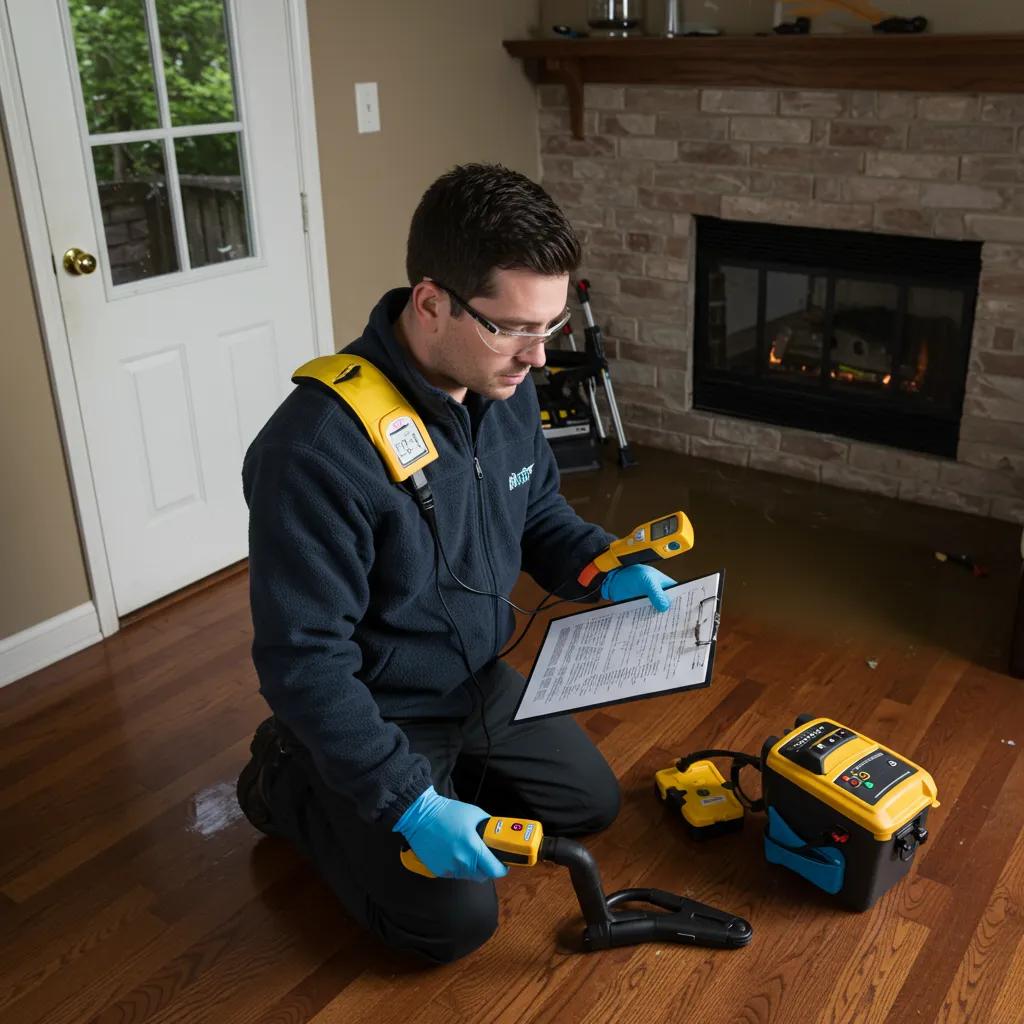
Why Understanding the Water Damage Restoration Process Matters for New York Property Owners
Water damage affects nearly 30 percent of homeowner insurance claims and puts roughly 14,000 U.S. properties at risk every day, making rapid, informed action essential. Grasping each phase of the water damage restoration process empowers homeowners, property managers, commercial building owners, and insurers across New York—Long Island, NYC, Suffolk and Nassau—to minimize losses, control costs, and safeguard health. This article explains the five core restoration stages, highlights why professional intervention is non-negotiable, demystifies insurance claim navigation, examines regional regulations and risks, outlines preventative measures, and details how Restoration Experts provides 24/7 emergency assistance. Understanding these dimensions strengthens decision-making at every juncture, from initial assessment through final reconstruction, ensuring swift recovery and future resilience.
What Are the Essential Steps of the Water Damage Restoration Process?
The water damage restoration process consists of sequential stages designed to remove excess moisture, eliminate contaminants, and rebuild affected structures. Each phase combines specialized techniques and equipment to restore safety and function. Property owners benefit from a systematic approach that addresses visible water, hidden moisture, microbial risks, and structural repairs. The core stages include:
- Emergency Contact & Damage Assessment – Rapid professional evaluation of water category, source, and scope.
- Water Extraction & Removal – Industrial pumps and vacuums remove standing water to halt deterioration.
- Drying & Dehumidification – Air movers, dehumidifiers and moisture meters eliminate residual moisture in materials.
- Cleaning, Sanitizing & Deodorizing – Antimicrobial treatments and deodorization restore hygienic conditions.
- Restoration & Reconstruction – Repairs range from drywall replacement to full rebuilds, returning property to pre-damage condition.
These steps unlock efficient mitigation and set the stage for advanced recovery measures.
How Does the Emergency Contact and Damage Assessment Work?
Emergency contact initiates a rapid response, enabling certified technicians to assess water damage within hours of notification. During the assessment, Restoration Experts identifies water category (clean, gray or black), class (extent of intrusion), source (burst pipe, roof leak, flood) and affected materials (drywall, insulation, flooring). Technicians also document structural compromise and health risks from bacteria or mold. This detailed survey informs a tailored restoration plan, resource allocation and cost estimate. Early evaluation prevents misjudgment of hidden moisture pockets and facilitates insurance documentation. By establishing a precise scope, this phase lays groundwork for focused extraction and drying, minimizing prolonged disruption.
Why Is Rapid Water Extraction Critical to Prevent Further Damage?

Rapid water extraction halts ongoing material saturation and microbial proliferation within minutes of assessment. High-capacity submersible pumps and truck-mounted vacuums remove standing water before it seeps into subfloors, framing and wall cavities. Swift removal reduces swelling of wood, weakening of structures and onset of mold colonies within 24–48 hours. Advanced technicians monitor extraction rate against moisture meter readings, ensuring levels fall below harmful thresholds. Effective extraction limits secondary damage such as mold remediation costs and structural repairs, ultimately saving time and preventing health hazards associated with prolonged moisture exposure.
How Do Drying and Dehumidification Remove Hidden Moisture?
Drying and dehumidification combine airflow and dehumidification to eliminate residual moisture from porous materials. Air movers direct high-velocity streams across wet surfaces, accelerating evaporation into the ambient environment. Dehumidifiers capture evaporated water, preventing saturation of indoor air and lowering relative humidity to below 40 percent. Moisture meters and thermal imaging cameras track progress by measuring material moisture content and identifying concealed damp areas.
| Equipment | Function | Key Benefit |
|---|---|---|
| Air Mover | Circulates air over wet surfaces | Accelerates evaporation |
| Refrigerant Dehumidifier | Condenses moisture from air | Controls humidity, prevents mold growth |
| LGR Dehumidifier | Removes large volumes of water | Rapid moisture reduction in high humidity |
What Cleaning, Sanitizing, and Deodorizing Methods Are Used?

Cleaning, sanitizing, and deodorizing eliminate contaminants and restore healthy indoor air quality after water damage. Technicians apply EPA-registered antimicrobial agents to inhibit bacteria and mold spores on porous and non-porous surfaces. HEPA filtration vacuums remove particulates, while fogging devices disperse sanitizing mist into cavities. Deodorization uses specialized neutralizing agents to eliminate odors at the molecular level rather than mask them.
- EPA-approved disinfectants target mold and bacteria on wood, drywall and fabrics.
- HEPA vacuums extract microscopic particles before final reconstruction.
- Thermal foggers disperse odor-counteractant chemicals into walls and ductwork.
These methods restore hygienic conditions, reducing health risks and preparing spaces for rebuilding efforts.
How Does Restoration and Reconstruction Return Your Property to Pre-Damage Condition?
Restoration and reconstruction encompass repair of structural materials and cosmetic finishes to restore functionality and aesthetics. Minor repairs include drywall patching, trim replacement and repainting. Major rebuilds may involve subfloor replacement, structural framing repairs, cabinet installation and flooring replacement. Skilled technicians match materials, textures and colors to achieve seamless results. Reconstruction adheres to local building codes and IICRC S500 standards, ensuring safety and compliance. Completing reconstruction closes the restoration loop, transforming a water-damaged site into a safe, fully functional property ready for occupancy.
Why Is Professional Water Damage Restoration Non-Negotiable?
Professional water damage restoration integrates certified expertise, advanced equipment and proven protocols to safeguard structures and occupants. Trained technicians adhere to IICRC S500 standards, employing controlled drying and contamination control to prevent secondary issues. DIY efforts often overlook hidden moisture or misuse equipment, leading to mold growth and structural compromise. Professional intervention ensures comprehensive damage mitigation, health-focused cleaning and building code compliance. Engaging experts improves recovery speed, minimizes costs and delivers peace of mind that every restoration phase meets rigorous quality benchmarks.
What Expertise and Equipment Do Certified Technicians Provide?
Certified technicians bring IICRC credentials and specialized tools to every restoration project. They conduct precise moisture mapping using moisture meters and infrared cameras, apply structural drying with calibrated air movers and deploy industrial-grade dehumidifiers. Technicians also use moisture barrier containment systems to isolate compromised zones and prevent cross-contamination. Their expertise covers water classification, microbial risk assessment and structural remediation techniques. By combining advanced diagnostics and equipment, professionals optimize restoration plans, accelerate drying, and guarantee thorough decontamination, elevating project outcomes above standard clean-up approaches.
How Does Professional Intervention Prevent Secondary Damage Like Mold?
Professional intervention prevents secondary damage by eliminating moisture before mold colonies establish. Restoration Experts’ crews use rapid extraction, controlled drying and EPA-registered antimicrobials to decontaminate affected areas. Continuous humidity monitoring ensures moisture levels remain below thresholds that support mold growth. When mold is detected, technicians perform targeted remediation—including HEPA-vacuum removal and surface scraping—followed by disinfection and post-remediation verification sampling. This structured approach interrupts microbial life cycles, prevents structural decay and protects occupant health, whereas incomplete drying or disinfection in DIY attempts often allows mold to spread.
When Should You Call a Professional for Water Damage Restoration?
Immediate professional assistance is essential when:
- Water covers more than 25 ft² or penetrates walls and ceilings.
- Category 2 (gray water) or Category 3 (black water) contamination is present.
- Mold growth appears or odors suggest microbial activity.
- Structural components show warping, sagging or paint blistering.
Timely response within 24–48 hours prevents hidden damage and mold colonization. Engaging certified technicians at the first sign of significant water intrusion ensures efficient moisture removal and comprehensive restoration planning.
How Can Understanding the Insurance Claim Process Help You Recover Faster?
A clear grasp of insurance claim procedures accelerates financial recovery and reduces stress. Knowing coverage terms, deductible requirements and documentation standards allows property owners to secure prompt settlements. Restoration Experts collaborates with insurance companies, providing detailed damage assessments, estimates and quality reports aligned with adjuster expectations. This support streamlines claims, avoids disputes over scope of work and ensures policy limits cover essential restoration services. Informed claim navigation empowers stakeholders to focus on rebuilding rather than paperwork delays.
What Does Homeowners Insurance Typically Cover for Water Damage?
Most homeowners insurance policies cover sudden, accidental water damage from burst pipes, roof leaks or appliance failures under “sudden and accidental” provisions. Covered items include structural repairs, flooring replacement and contents restoration for clean water incidents. Exclusions often apply to flood events, wear-and-tear leaks and sewer backups unless separate riders exist. Understanding these distinctions helps homeowners secure proper endorsements for flood or sewer coverage and prevents claim denials due to policy gaps.
How Do You Document and File a Water Damage Insurance Claim in New York?
Documenting and filing a claim involves these steps:
- Photograph all affected areas, materials and contents before any cleanup.
- Record water source details, including date, time and cause.
- Obtain a professional written estimate from Restoration Experts outlining scope of work and costs.
- Submit claim form with attached photos, estimates and policy information to your insurer.
- Coordinate with the assigned adjuster during the inspection and provide clarifications as needed.
Complete documentation and transparent communication expedite claim approval and ensure fair settlements.
What Role Does Restoration Experts Play in Facilitating Insurance Claims?
Restoration Experts assists property owners by preparing detailed loss reports and line-item estimates that comply with insurance guidelines. Technicians supply photographic evidence, moisture readings and microbial risk assessments, enabling accurate adjuster evaluations. Our collaboration with insurers reduces back-and-forth, resolves scope disputes and secures timely payments. By handling technical documentation, Restoration Experts frees clients to focus on property recovery while ensuring restoration services remain fully covered under policy provisions.
What Are Common Deductibles and Policy Considerations for Water Damage Claims?
| Policy Component | Typical Range | Consideration |
|---|---|---|
| Deductible Amount | $500 – $2,500 | Higher deductibles lower premiums but add cost at claim time |
| Mold Sub-Limit | $5,000 – $10,000 | Separate cap for microbial remediation |
| Waiting Period | 72 hours – 14 days | Delay before coverage for ensuing damage |
How Does Local Expertise Impact the Water Damage Restoration Process in New York?
Local expertise aligns restoration methods with regional climate patterns, building codes and regulatory requirements. Restoration Experts understands Long Island’s coastal humidity, NYC’s high-rise construction nuances, Suffolk’s flood zones and Nassau’s older housing stock. This knowledge guides equipment selection, drying protocols and permit management. A restoration partner familiar with local challenges accelerates approvals, ensures compliance and delivers tailored solutions that conventional providers may overlook.
What Unique Water Damage Risks Affect Long Island, NYC, Suffolk, and Nassau?
Long Island faces saltwater intrusion and seasonal storms, while Nassau and Suffolk contend with basement flooding from aging sewer systems. NYC high-rises require specialized hoisting permits and confined-space protocols. Coastal regions experience hurricane-driven surge events and elevated humidity that prolong drying times. Recognizing these risks informs proactive mitigation strategies and equipment staging tailored to local conditions.
How Do Local Regulations and Building Codes Influence Restoration?
New York building codes mandate specific materials, structural repairs and permit processes for reconstruction. Historic districts impose additional review for façade and finish restoration. Restoration Experts navigates permit applications, inspection scheduling and code-compliant material sourcing to avoid project delays. Adhering to regional codes ensures structural integrity, occupant safety and avoids costly rework or fines.
What Are Real Case Studies of Water Damage Restoration in New York?
A Suffolk County home flooded by a basement sewer backup required full structural drying, mold remediation and subfloor replacement. Restoration Experts completed containment and drying within 72 hours, preventing secondary damage and limiting repair costs. In NYC, a fifth-floor pipe burst in an apartment building demanded hoisting of dehumidifiers and equipment through service elevators under tight schedules. Rapid emergency response and local code expertise restored units within five days, avoiding displacement beyond one weekend.
What Preventative Measures Can Protect Your Property from Future Water Damage?
Preventative measures strengthen property resilience by addressing common failure points and detecting moisture early. Routine maintenance, monitoring systems and physical barriers reduce water ingress risks. Adopting these strategies promotes long-term savings, minimizes downtime and reduces insurance claims. A proactive approach transforms restoration from reactive recovery into strategic property protection.
How Can Home Maintenance Reduce Water Damage Risks?
Regular upkeep of roof shingles, gutter cleaning and downspout extensions prevents overflow into foundations. Inspecting and replacing worn HVAC condensate lines and refrigerator hoses eliminates interior leaks. Sump pump testing and battery backup installation guard against basement flooding during power outages. These routine tasks form the first line of defense against water intrusion.
What Are Effective Strategies for Early Water Damage Detection?
Early detection relies on technology and inspection protocols:
- Installing smart water leak sensors beneath sinks and behind appliances.
- Using moisture-sensing floor mats in basements and laundry rooms.
- Conducting periodic infrared camera inspections to identify hidden dampness.
- Enrolling in IoT-based building monitoring platforms for automated alerts.
These strategies reveal leaks before visible damage occurs, enabling swift corrective action.
How Does Preventative Care Save Money and Stress Over Time?
Investing in preventative measures can reduce restoration costs by up to 40 percent by circumventing major flooding events and mold outbreaks. Early detection tools slash repair timelines and insurance claims, preserving property value and occupant health. Proactive maintenance fosters peace of mind and reallocates resources from emergency response to long-term upgrades.
What Are the Most Frequently Asked Questions About the Water Damage Restoration Process?
Property owners often ask recurring questions when facing water intrusion. Common inquiries include:
- How long does a typical restoration project take?
- What factors influence total restoration cost?
- How does water damage cleanup differ from full restoration?
- When is mold likely to develop after water exposure?
- Does homeowners insurance cover all stages of restoration?
How Can You Get Immediate Help from Restoration Experts for Water Damage Emergencies?
Accessing 24/7 emergency support ensures rapid mitigation and minimal secondary damage. Restoration Experts provides round-the-clock dispatch of certified crews, advanced equipment staging and direct coordination with insurers. Immediate assistance addresses hazards, protects occupants and preserves property integrity while guiding owners through each restoration stage.
What 24/7 Emergency Services Does Restoration Experts Offer?
- Continuous on-site water extraction and containment.
- Rapid structural drying with calibrated air movers and dehumidifiers.
- Emergency board-up and tarping to secure exposed areas.
- Interim odor control and antimicrobial treatment.
How Do You Request a Free Quote or Schedule an Emergency Call?
To request a free restoration estimate or activate emergency response, contact Restoration Experts’ dispatch center by phone or submit an online inquiry. A representative collects incident details, dispatches technicians within hours and coordinates access with property managers or insurance adjusters. Transparent communication and prompt scheduling deliver assurance at every step.
Why Choose Restoration Experts for Your Water Damage Restoration Needs?
Restoration Experts stands out through:
- IICRC-certified technicians following industry best practices.
- 24/7 emergency response for rapid mitigation.
- Specialized equipment tailored to New York’s regional challenges.
- Comprehensive insurance claim support and documentation.
- Local expertise in Long Island, NYC, Suffolk and Nassau.
Whether you face sudden flooding or seek preventive guidance, understanding the water damage restoration process empowers you to protect investments, health and peace of mind. Rely on Restoration Experts’ professional expertise and regional knowledge for swift recovery and lasting resilience. Contact Restoration Experts today to secure your property’s safety and restoration solution.
Conclusion
Understanding the water damage restoration process is crucial for New York property owners to minimize losses and ensure swift recovery. By leveraging professional expertise and advanced techniques, you can protect your investment and health while navigating insurance claims effectively. Don’t wait for water damage to escalate; take proactive steps to safeguard your property today. Reach out to Restoration Experts for immediate assistance and tailored restoration solutions.