
July 26, 2025
Emergency Water Damage Services vs DIY Solutions
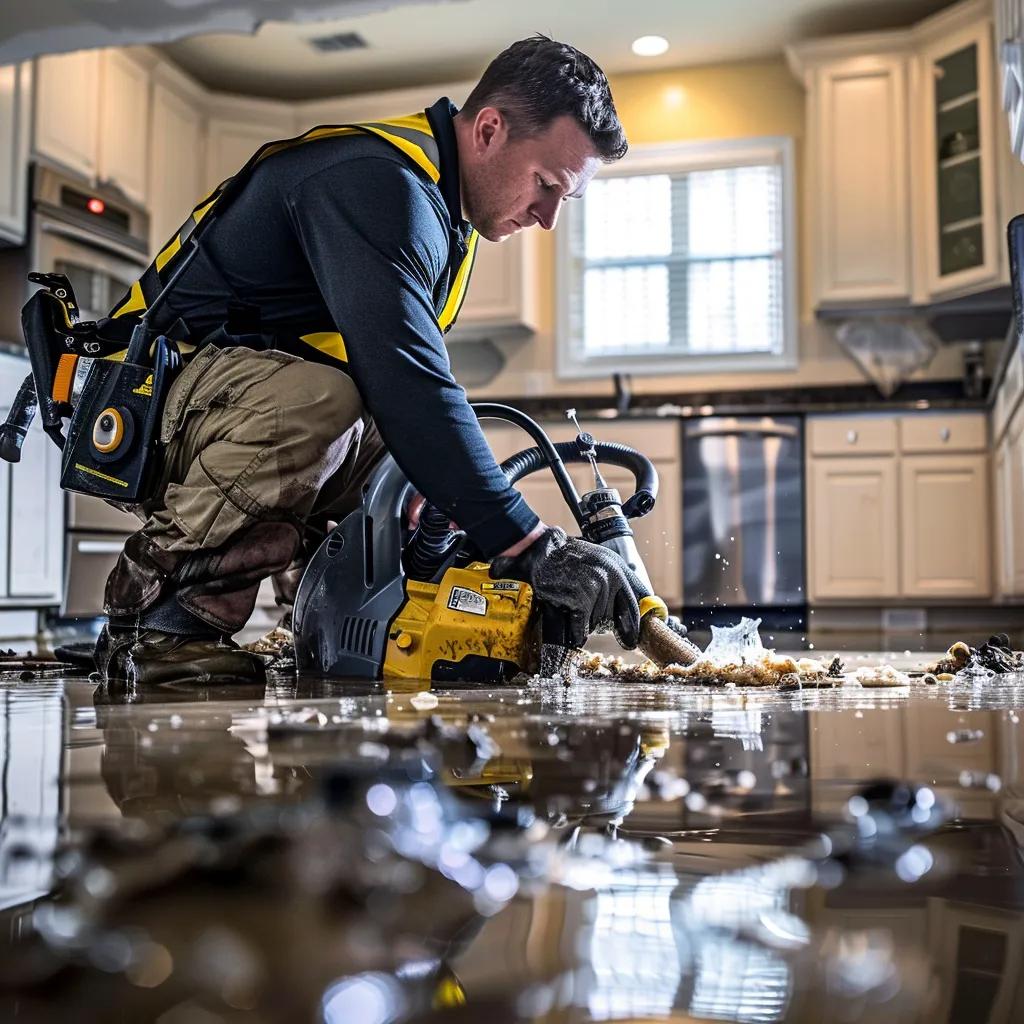
Emergency Water Damage Restoration Services vs DIY Solutions: Why Professional Help Is Essential
Introduction
Nearly one in four home insurance claims involves water damage, yet over 80% of homeowners attempt repairs without professional assistance and risk escalating structural, health, and financial consequences. This guide explains why emergency water damage restoration services outperform DIY solutions by offering rapid mitigation, advanced equipment, and insurance-claim support. We’ll cover:
- Immediate risks of homeowner-led water damage repairs
- Key advantages of engaging IICRC-certified technicians
- How professionals streamline insurance claims
- Specific damage scenarios requiring expert intervention
- New York–area challenges and local regulations
- Signs that DIY methods fall short and emergency contact procedures
- Long-term cost comparisons of DIY versus professional restoration
Integrating insights from Restoration Experts’ 24/7 services, you’ll gain the confidence to protect your property and health.
What Are the Immediate Risks of DIY Water Damage Repair?
DIY water cleanup often leaves hidden moisture pockets, fosters mold growth, and overlooks critical structural and electrical hazards. Attempting water removal without industry-grade tools or certification can worsen damage and undermine insurance coverage, making informed decisions essential.
How Does Hidden Moisture Lead to Mold Growth and Health Hazards?
Hidden moisture refers to water trapped within walls, floors, and insulation that escapes visual detection. This residual dampness promotes mold spores to germinate within 24–48 hours, releasing mycotoxins that can trigger respiratory issues, allergies, and asthma attacks. For example, insufficient drying behind drywall often results in concealed mold colonies that later necessitate extensive remediation.
Centers for Disease Control and Prevention, “Mold” (2024)
What Structural and Electrical Dangers Can DIY Repairs Cause?
Structural integrity and electrical safety depend on thorough assessment and calibrated equipment. Incomplete water extraction can weaken joists and subflooring, leading to sagging or collapse. Meanwhile, amateur attempts to dry flooded outlets or wiring without proper deactivation risk short circuits and fire hazards. Many homeowners underestimate the complexity of thoroughly drying load-bearing components and safeguarding live circuits.
How Can DIY Water Damage Complicate Insurance Claims?
Insurers require documented evidence of damage and professional assessments to validate claims. Homeowner-led repairs often lack photographic records of pre- and post-repair conditions, leaving gaps in deductible reimbursements and potentially voiding coverage. Failing to engage certified technicians can trigger denial of water damage claims due to “lack of professional mitigation” clauses in most policies.
These immediate risks highlight why professional restoration services are critical for preventing hidden mold, maintaining structural safety, and preserving insurance coverage, paving the way to explore the advantages experts provide.
What Are the Key Benefits of Professional Emergency Water Damage Restoration?

Professional restoration services blend rapid response with certified expertise and industry-leading equipment to minimize damage, prevent mold, and restore properties fully. Engaging specialists ensures a streamlined process from extraction through repair.
How Does 24/7 Rapid Response Minimize Damage and Mold?
Emergency water damage restoration services offer immediate mobilization of crews and extraction units, often arriving within hours of a call. This rapid response halts water migration, reduces exposure time, and limits microbial proliferation. By intervening within the critical first 24 hours, certified teams significantly lower the risk of secondary damage and mold infestation, preserving both structure and occupant health.
Why Is IICRC Certification Important for Quality Restoration?
IICRC-certified technicians adhere to stringent standards defined in ANSI/IICRC S500 for water damage restoration. Certification ensures professionals accurately classify water intrusion categories, apply appropriate drying protocols, and monitor moisture levels with calibrated instruments. This recognized credential validates quality service and influences insurance providers to approve claims based on industry compliance.
ANSI/IICRC S500 Standard for Professional Water Damage Restoration (2023)
What Advanced Equipment Do Professionals Use for Effective Restoration?
Professionals deploy specialized tools designed for efficient moisture detection and removal. The table below compares common homeowner tools with professional-grade equipment and outcomes:
| Entity | Attribute | Value/Outcome |
|---|---|---|
| Moisture Meter | Detection Accuracy | ±1% moisture reading |
| Thermal Imaging Camera | Hidden Moisture Scan | Identifies dampness behind walls |
| Industrial Dehumidifier | Extraction Rate | Up to 25 gallons per day |
| High-Capacity Air Mover | Airflow Efficiency | 4,000+ CFM for rapid evaporation |
This equipment synergy reduces drying time, prevents microbial growth, and restores optimal humidity, demonstrating a clear advantage over basic fans and towels.
How Does Comprehensive Restoration Cover Extraction to Repairs?
A full-service restoration process encompasses:
- Water Extraction using pumps and vacuums
- Structural Drying with dehumidifiers and air movers
- Mold Remediation applying EPA-approved biocides
- Sanitization to eliminate pathogens
- Content Restoration including document and electronics salvage
- Reconstruction repairing drywall, flooring, and finishes
This end-to-end approach not only restores property condition but also alleviates homeowner stress by consolidating all phases under one certified provider.
How Can Professional Services Simplify Water Damage Insurance Claims?

Licensed restoration experts collaborate with insurers to document damage and expedite claim approvals, reducing out-of-pocket expenses and negotiation burdens for property owners.
What Documentation Is Needed for a Successful Water Damage Claim?
Detailed documentation is foundational for approval. Professionals provide:
- Date-stamped damage reports
- Photographs of affected areas before, during, and after restoration
- Moisture readings and drying logs
- Itemized invoices for extraction, labor, and repairs
Collectively, these deliverables form a robust evidence package that aligns with insurer requirements, ensuring claim validation and timely reimbursement.
How Do Restoration Experts Work with Insurance Adjusters?
Restoration experts act as intermediaries between homeowners and adjusters by arranging on-site inspections, sharing technical reports, and justifying repair scopes. This cooperative process allows adjusters to verify loss extent accurately and approve appropriate coverage limits without undue delays, giving homeowners confidence in fair settlements.
What Are Common Reasons for Claim Denials and How to Appeal?
Insurers commonly deny water damage claims due to:
- Insufficient evidence of sudden onset
- Pre-existing damage exclusion
- Noncompliance with policy mitigation clauses
To appeal, homeowners should secure a third-party damage assessment, supply missing documentation, and reference policy language on emergency response. Expert testimony from IICRC-certified technicians often strengthens appeal outcomes.
By facilitating thorough documentation, adjuster coordination, and appeal advocacy, professional services turn complex insurance processes into clear pathways for compensation, which leads to identifying scenarios where expert help is indispensable.
What Types of Water Damage Require Professional Intervention?
Certain water intrusion events present complexities beyond typical homeowner capabilities and necessitate expert remediation to restore safety and integrity.
How Are Burst Pipe and Appliance Leak Damages Restored?
Burst pipes and leaking appliances inject pressurized water into concealed spaces, rapidly undermining materials. Professionals isolate the source, extract water using pump units, and deploy moisture meters to track drying milestones. A focused approach prevents hidden saturation and mold development in walls and cabinets.
What Are the Challenges of Basement Flooding and Sewage Backup?
Basement flooding and sewage backups introduce contaminated water (Category 2 or 3) laden with pathogens requiring personal protective equipment and specialized sanitization. Certified teams remove biohazardous materials, apply EPA-registered disinfectants, and ensure structural drying meets safety standards to prevent health hazards.
How Is Storm and Coastal Flood Damage Addressed in New York?
Properties near coastal areas or floodplains face brackish or saline water intrusion that accelerates material corrosion and microbial growth. Restoration experts adjust drying strategies to neutralize salt deposits, reinforce structural components, and apply corrosion-resistant coatings, protecting foundations and indoor air quality in saltwater exposures.
Recognizing these complex scenarios underscores when expert resources are critical, setting the stage for local context considerations.
How Does Water Damage Affect Properties in New York and Surrounding Areas?
Geographic and climate factors in New York City, Long Island, Suffolk, and Nassau counties intensify water intrusion risks, requiring region-specific restoration expertise.
What Unique Water Damage Challenges Do NYC and Long Island Properties Face?
Dense urban infrastructure in NYC often leads to basement flooding from combined sewer overflows during heavy rain, while coastal Long Island homes encounter storm surge and groundwater seepage. These conditions demand rapid deployment of extraction equipment and coordination with local water authorities to prevent recurring damage.
How Do Climate and Infrastructure Impact Flooding Risks in Suffolk and Nassau?
Increasing rainfall intensity driven by climate change overwhelms outdated drainage systems in Suffolk and Nassau counties. Aging infrastructure and impervious surfaces contribute to runoff accumulation, making quick structural drying and grading corrections essential to mitigate repeated flood events.
What Local Regulations and Building Codes Influence Restoration?
Restoration in New York State adheres to the Uniform Fire Prevention and Building Code, which mandates specific drying standards, mold prevention protocols, and electrical safety inspections after water intrusion. Certified providers ensure all restoration activities comply with local rules, delivering code-approved repairs and documentation for permit closure.
Local conditions, codes, and environmental factors shape restoration approaches, highlighting the importance of engaging professionals familiar with New York’s unique challenges and prompting decisions on emergency response timing.
When Should Homeowners and Property Managers Call Emergency Water Damage Experts?
Early intervention is vital to prevent irreversible damage and health risks; knowing key signs and contact procedures empowers property owners to act decisively.
What Are the Signs That DIY Repair Is Not Enough?
Recognize these red flags:
- Visible mold growth on walls or ceilings
- Persistent damp odors after initial drying efforts
- Warping or sagging floorboards and drywall
- Tripped breakers or sparking outlets near water exposure
These indicators signal hidden moisture or safety hazards requiring professional assessment.
How Quickly Should You Act to Prevent Mold and Structural Damage?
Yes, acting within the first 24 hours is crucial to limit microbial colonization and material deterioration. Rapid water extraction and dehumidification within this timeframe can reduce restoration costs by up to 60%, preserving both property value and occupant health.
What Is the Emergency Contact Process for Restoration Experts?
Contact Restoration Experts through our 24/7 hotline or online form at https://restorationexperts.com/ to schedule an immediate assessment. Technicians arrive fully equipped, conduct a damage evaluation, and begin extraction without delay, offering a transparent service agreement and insurance coordination support.
Clear signs of failing DIY methods, tight action windows, and straightforward contact procedures enable property owners to secure expert aid before water damage escalates.
What Are the Long-Term Cost Implications of DIY vs Professional Water Damage Repair?
An initial focus on DIY methods often overlooks secondary damage expenses, making professional restoration a cost-effective investment over time.
How Can Professional Restoration Save Money by Preventing Secondary Damage?
Professional water extraction and structural drying prevent hidden moisture from compromising framing, insulation, and finishes. Early intervention reduces the likelihood of mold remediation, structural reinforcement, and health-related liabilities, often saving property owners thousands of dollars in future repairs.
National Association of Home Builders, “Cost of Water Damage Repair” (2023)
What Are Typical Restoration Costs in NYC and Long Island?
| Entity | Attribute | Value Estimate |
|---|---|---|
| Emergency Water Extraction | Hourly Rate | $250–$350 per hour |
| Structural Drying | Per Square Foot | $3–$7.50 |
| Mold Remediation | Flat Job Cost | $1,500–$4,000 |
| Full Reconstruction | Major Projects | $5,000 and up |
How Does Professional Mold Remediation Affect Future Health and Property Value?
Expert mold remediation removes active spores, applies antimicrobial treatments, and restores humidity levels to prevent recurrence. This comprehensive approach not only safeguards occupant health by eliminating respiratory irritants but also preserves resale value with certified clearance reports that demonstrate a mold-free environment to prospective buyers.
Evaluating cost implications across immediate and downstream expenses confirms that professional restoration offers superior value compared to homeowner-led repairs.
Restoration professionals deliver advanced equipment, certified expertise, and insurance support that DIY solutions cannot match. Timely action by IICRC-certified technicians saves money by preventing mold and structural failures while ensuring policy compliance for smoother claims. Whether faced with a burst pipe, basement flood, or coastal surge in New York, relying on emergency water damage restoration services from Restoration Experts secures your property and peace of mind. Contact us today to request a fast quote and protect your home or business from lasting water damage.