
September 23, 2025
Comprehensive Guide to Smoke Damage Restoration Services
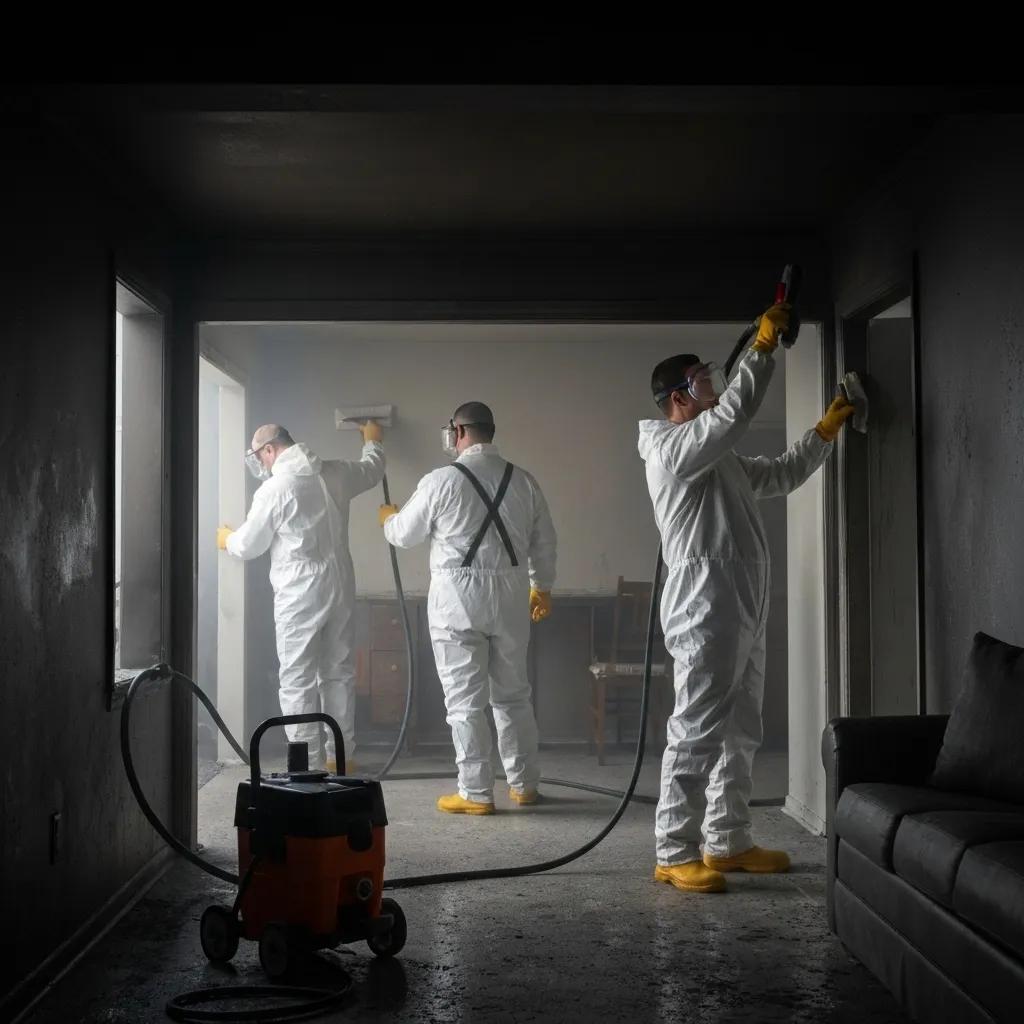
What to Expect From Smoke Damage Restoration Services: Complete Guide for Homeowners and Property Managers
Smoke damage restoration services assess, clean, and repair properties affected by soot and lingering odors to restore structural integrity and indoor air quality, because untreated smoke residues accelerate corrosion and pose health hazards for occupants. Homeowners and property managers who face the aftermath of a fire can anticipate detailed inspections, specialized cleaning techniques, clear cost estimates, and seamless insurance coordination. This guide covers the nature of smoke damage, the seven-step professional restoration process, expected timelines and pricing in New York, insurance claim navigation, reasons to choose Restoration Experts, health and safety considerations, and the latest technologies for efficient recovery.
What Is Smoke Damage and How Does It Affect Your Property?
Smoke damage results when combustion byproducts deposit soot, acidic residues, and volatile organic compounds across surfaces and porous materials, undermining structural components and leaving persistent odors that diminish air quality. For instance, protein smoke from kitchen fires can stain walls and fabrics irreversibly if not addressed with proper chemical cleaning. Understanding these effects is essential for planning an effective restoration strategy that safeguards health and property value.
What Are the Different Types of Smoke Residue?
Below is an overview of common smoke residues, their characteristics, and the challenges they present during cleanup.
| Residue Type | Characteristics | Restoration Challenge |
|---|---|---|
| Wet Smoke | Oily, sticky coating with acidic compounds | Requires chemical decongestion before cleaning |
| Dry Smoke | Fine, powdery soot from clean-burning materials | Demands HEPA vacuuming and dry sponging |
| Protein Smoke | Colorless, pungent gas from cooking fuels | Bonds tightly to surfaces, causing yellowing |
| Fuel Oil Smoke | Thick, heavy black soot from furnace puff backs | Needs aggressive abrasive cleaning |
Each residue type adheres differently to walls, furniture, and HVAC components, so a tailored approach prevents re-soiling and accelerates odor removal.
What Are the Hidden Dangers and Health Risks of Smoke Damage?

Smoke damage carries invisible threats such as carcinogenic particulates and VOCs that trigger respiratory irritation, headaches, and long-term lung damage. Common health risks include:
- Fine particulate inhalation leading to aggravated asthma and bronchitis
- Chemical exposure from acidic residues corroding airways
- Irritation of eyes, nose, and throat from persistent odors
Mitigating these hazards early protects occupants and prevents secondary infections or chronic conditions.
Health Risks of Smoke Damage
Exposure to smoke damage can lead to various health issues, including respiratory irritation and long-term lung damage due to the presence of carcinogenic particulates and volatile organic compounds (VOCs). These substances can cause significant health problems for occupants of affected properties.
U.S. Environmental Protection Agency, “Indoor Air Quality” (2023)
This source supports the article’s claims about the health hazards associated with smoke damage.
How Does Smoke Damage Impact Structural and Personal Property?
Soot and acidic vapors etch metal fixtures, warp wooden furniture, and discolor textiles, while lingering odors can penetrate drywall, upholstery, and clothing fibers. Personal items—books, photographs, electronics—absorb smoke molecules, risking irreversible damage. Thorough assessment and customized cleaning techniques are crucial to salvage valuables and rebuild safe living environments.
What Are the Key Steps in the Professional Smoke Damage Restoration Process?
A professional smoke damage restoration process follows a structured seven-phase workflow—assessment, containment, soot removal, odor elimination, content cleaning, structural repairs, and final inspection—to minimize downtime and health risks. For example, rapid containment stops cross-contamination, ensuring that unaffected areas remain safe and habitable.
Smoke Damage Restoration Process
Professional smoke damage restoration involves a structured seven-phase workflow, including assessment, containment, soot removal, odor elimination, content cleaning, structural repairs, and final inspection. This process aims to minimize downtime and health risks for those affected by the damage.
Institute of Inspection, Cleaning and Restoration Certification (IICRC), “S500 Standard and Reference Guide for Professional Water Damage Restoration” (2015)
This citation provides a framework for the structured approach to smoke damage restoration, as described in the article.
How Is the Initial Smoke Damage Assessment Conducted?
The initial assessment begins with a 24/7 emergency call followed by an on-site inspection to evaluate soot patterns, identify residue types, and document structural issues. Technicians measure pH levels on surfaces, test indoor air quality, and map damage severity. This precise evaluation delivers an accurate scope of work and an informed cost estimate.
What Methods Are Used for Smoke and Soot Removal?
Restoration Experts employ dry cleaning sponges, specialized chemical agents, HEPA-filtered vacuums, and, in extreme cases, soda or sandblasting to lift and contain soot particles. Each technique targets specific residue types: dry cleaning sponges dislodge powdery soot, while chemical agents neutralize acidic wet smoke. This combination restores surface cleanliness without causing abrasion.
How Is Smoke Odor Eliminated Effectively?
Advanced deodorization uses ozone generators, thermal fogging, and hydroxyl systems to neutralize odor-causing molecules at a molecular level. Technicians introduce ozone or fogging compounds into sealed areas, breaking down VOCs in walls and fabrics. Concurrent duct cleaning ensures HVAC systems do not reintroduce odors, delivering fresh air circulation throughout the property.
What Does Content Cleaning and Sanitizing Involve?
Personal belongings undergo a pack-out process where items are cataloged, cleaned using ultrasonic and dry-cleaning methods, and deodorized in controlled environments. Porous objects like clothing are laundered with enzyme detergents, while non-porous valuables receive disinfectant misting. This comprehensive approach restores sentimental and high-value items to pre-loss condition.
How Are Structural Repairs and Reconstruction Handled?
Following cleaning, damaged drywall, insulation, and flooring materials are removed and replaced. Licensed contractors perform carpentry, patch electrical wiring if affected by smoke corrosion, and repaint surfaces with odor-blocking primers. The table below outlines each reconstruction phase:
| Restoration Phase | Activity | Outcome |
|---|---|---|
| Demolition & Debris | Remove unsalvageable materials | Clear workspace for reconstruction |
| Structural Repair | Replace framing, drywall, and trim | Restored structural integrity |
| Surface Restoration | Sanding, priming, and painting | Odor-resistant, clean surfaces |
| Final Air Quality Test | Conduct particulate and VOC tests | Certified safe environment for re-occupancy |
Careful coordination between cleanup and rebuild teams ensures a seamless return to normal occupancy.
How Long Does Smoke Damage Restoration Take and What Are the Typical Costs?
Restoration timelines typically span from a few days for minor smoke damage to several weeks for extensive contamination, while costs vary based on damage severity, property size, and local labor rates in New York. Accurate planning prevents budget overruns and avoids extended displacement.
What Factors Affect the Duration of Smoke Damage Restoration?
Several elements influence restoration timelines:
- Severity of soot infiltration into walls and HVAC systems
- Total square footage requiring cleaning and repair
- Accessibility of affected areas, including multi-story or commercial properties
- Local weather conditions affecting drying times
Each factor shapes resource allocation and estimated project closure.
What Is the Average Cost of Smoke Damage Restoration in New York?
Typical restoration costs in Long Island and NYC range from $3,000 for minor cleanup to over $20,000 for large-scale structural and content restoration. The following table summarizes cost and time estimates:
| Damage Level | Cost Range | Estimated Duration |
|---|---|---|
| Light (isolated) | $3,000–$7,000 | 2–5 days |
| Moderate | $7,000–$15,000 | 1–2 weeks |
| Severe | $15,000–$20,000+ | 3–6 weeks |
Local building codes and permit requirements can also extend project timelines if structural modifications are mandated.
What Services Are Included in Smoke Damage Restoration Costs?
Standard inclusions cover:
- Comprehensive damage assessment and documentation
- Professional soot and residue removal
- Odor neutralization and HVAC duct cleaning
- Personal property pack-out, cleaning, and storage
- Reconstruction of smoke-impacted walls, ceilings, and fixtures
Additional services—for example, mold prevention or specialty surface treatments—may incur extra fees but are clearly outlined in the initial estimate.
How Can You Navigate Smoke Damage Insurance Claims Successfully?
Maximizing insurance coverage for smoke damage requires prompt documentation, detailed estimates, and consistent communication with adjusters. A proactive approach reduces out-of-pocket expenses and accelerates claim settlement.
What Immediate Steps Should You Take After Fire and Smoke Damage?
First, photograph all damage under good lighting and compile an inventory of affected items. Then, contact your insurer to report the loss and request a claim number. Finally, implement emergency mitigation—like covering broken windows—to prevent further damage and demonstrate due diligence.
How Do You Work Effectively With Your Insurance Adjuster?
Provide clear, itemized estimates and allow adjusters to accompany technicians on walkthroughs. Maintain open lines of communication via email and phone, promptly supply any requested receipts or documentation, and address discrepancies early to avoid claim delays.
How Does Restoration Experts Facilitate Your Insurance Claim?
Restoration Experts collaborates directly with insurance carriers by submitting detailed scope-of-work reports, photographic evidence, and professional cost estimates. Our direct-billing option minimizes upfront expenses, while our IICRC-certified documentation supports full coverage of eligible restoration tasks.
Why Choose Restoration Experts for Smoke Damage Restoration in New York?
Selecting a locally based restoration partner ensures rapid response, deep knowledge of regional building codes, and personalized customer care. Restoration Experts combines 24/7 availability with compassionate service to restore safety and comfort across Long Island and NYC.
What Local Knowledge Does Restoration Experts Bring to Long Island and NYC?
With extensive experience in Suffolk and Nassau counties, our team navigates permit requirements for historic homes, accounts for coastal humidity in drying protocols, and sources approved materials that meet New York City’s stringent fire-safety regulations.
How Does 24/7 Emergency Response Benefit You?
Immediate dispatch of mitigation crews limits soot migration and prevents secondary water damage from firefighting efforts. Rapid intervention stabilizes affected areas, preserving more of your structure and contents while reducing total restoration costs.
What Commitment to Quality and Customer Care Sets Restoration Experts Apart?
Our IICRC-trained technicians follow industry best practices and maintain transparent communication at every phase. We provide daily progress updates, respect your property with protective coverings, and dedicate ourselves to compassionate support during stressful recoveries.
What Are the Health and Safety Considerations During Smoke Damage Restoration?
Professional restoration mitigates hidden toxic exposures and enforces strict safety protocols that protect both occupants and technicians. Adhering to these guidelines prevents secondary health issues and ensures compliance with occupational standards.
Why Is Professional Smoke Damage Cleanup Safer Than DIY Methods?
DIY attempts often fail to capture ultrafine soot particles and may spread contaminants, exposing residents to lead, carcinogens, and VOCs without adequate respiratory protection. Only professional-grade equipment and EPA-approved cleaners neutralize residues safely.
What Safety Measures Do Restoration Experts Use During Cleanup?
Technicians employ full-face respirators, disposable protective suits, and HEPA air scrubbers to isolate and remove airborne particulates. Containment barriers and negative-pressure systems prevent cross-contamination, guaranteeing that surrounding areas remain safe.
What Advanced Technologies and Techniques Are Used in Smoke Damage Restoration?
Innovative tools and eco-sensitive practices deliver deeper cleaning, faster odor elimination, and reduced environmental impact. By leveraging these advancements, Restoration Experts accelerates recovery while upholding sustainability goals.
How Does Specialized Equipment Improve Soot and Odor Removal?
HEPA-filtered vacuums capture 99.97% of particles down to 0.3 microns, while high-pressure air movers accelerate drying to inhibit microbial growth. Combined with ozone and thermal fogging systems, these technologies neutralize odor molecules without leaving chemical residues.
What Role Does Air Quality Testing and HVAC Cleaning Play?
Initial and final air monitoring quantifies particulate counts and VOC levels, confirming restoration efficacy. Duct sanitization removes smoke residues that could recirculate contaminants, ensuring that your HVAC system delivers clean, healthy air post-remediation.
How Are Sustainable and Eco-Friendly Practices Integrated?
Restoration Experts uses biodegradable detergents, ozone alternatives like hydroxyl generators, and energy-efficient equipment to minimize water and power consumption. Recycled materials and low-VOC finishes further reduce the environmental footprint of reconstruction.
Homeowners and property managers returning after a fire can expect a meticulous, multi-phase restoration that addresses health risks, structural repairs, and insurance coordination. Restoration Experts’ New York-based teams combine local knowledge, rapid emergency response, and cutting-edge technologies to deliver safe, odor-free, and fully restored properties. For a detailed inspection and personalized plan, contact Restoration Experts today to request a free quote or emergency assistance.
Frequently Asked Questions
What should I do immediately after experiencing smoke damage?
After smoke damage occurs, the first step is to document the damage thoroughly. Take clear photographs and create an inventory of affected items. Next, contact your insurance provider to report the incident and obtain a claim number. Implement emergency measures, such as covering broken windows or sealing off affected areas, to prevent further damage. These actions demonstrate your diligence and can help expedite the restoration process.
How can I prevent smoke damage in the future?
To prevent smoke damage, consider installing smoke detectors and fire alarms throughout your property. Regularly check and maintain these devices to ensure they are functioning correctly. Additionally, practice safe cooking habits, avoid leaving candles unattended, and ensure that heating appliances are properly maintained. Creating an emergency plan and conducting fire drills can also prepare occupants for quick action in case of a fire.
Are there any long-term effects of smoke damage on health?
Yes, long-term exposure to smoke damage can lead to chronic health issues. Inhalation of fine particulate matter and volatile organic compounds (VOCs) can aggravate respiratory conditions like asthma and bronchitis. Prolonged exposure may also increase the risk of developing serious health problems, including lung cancer. It is crucial to address smoke damage promptly to minimize these health risks and ensure a safe living environment.
What types of insurance typically cover smoke damage restoration?
Smoke damage restoration is generally covered under standard homeowners’ insurance policies, particularly those that include fire damage coverage. However, the specifics can vary by policy and provider. It’s essential to review your insurance policy and consult with your insurance agent to understand the extent of your coverage, including any deductibles or limitations that may apply to smoke damage claims.
How can I ensure my personal belongings are protected during restoration?
To protect your personal belongings during smoke damage restoration, consider a pack-out service where professionals catalog and remove items for cleaning. Ensure that the restoration company uses appropriate cleaning methods for different materials, such as ultrasonic cleaning for delicate items. Additionally, inquire about the storage conditions for your belongings during the restoration process to prevent further damage.
What are the signs that I need professional smoke damage restoration?
Signs that you may need professional smoke damage restoration include persistent odors, visible soot on surfaces, discoloration of walls or fabrics, and respiratory issues among occupants. If you notice any of these symptoms, it is crucial to contact a restoration expert promptly. Early intervention can prevent further damage and health risks, ensuring a safer environment for everyone in the property.
How do I choose the right smoke damage restoration company?
When selecting a smoke damage restoration company, look for certifications such as IICRC (Institute of Inspection, Cleaning and Restoration Certification) to ensure they adhere to industry standards. Check customer reviews and testimonials to gauge their reputation. Additionally, inquire about their experience with smoke damage specifically, their response time, and the technologies they use for restoration. A reliable company will provide a detailed estimate and clear communication throughout the process.
Conclusion
Smoke damage restoration services are essential for restoring safety and comfort in properties affected by fire. By employing advanced techniques and expert knowledge, these services effectively mitigate health risks, preserve structural integrity, and enhance indoor air quality. Homeowners and property managers can ensure a thorough recovery by choosing a trusted restoration partner. Contact Restoration Experts today for a detailed inspection and personalized restoration plan.