
October 24, 2025
Expert Guidelines for Asbestos Removal Protocols in New York
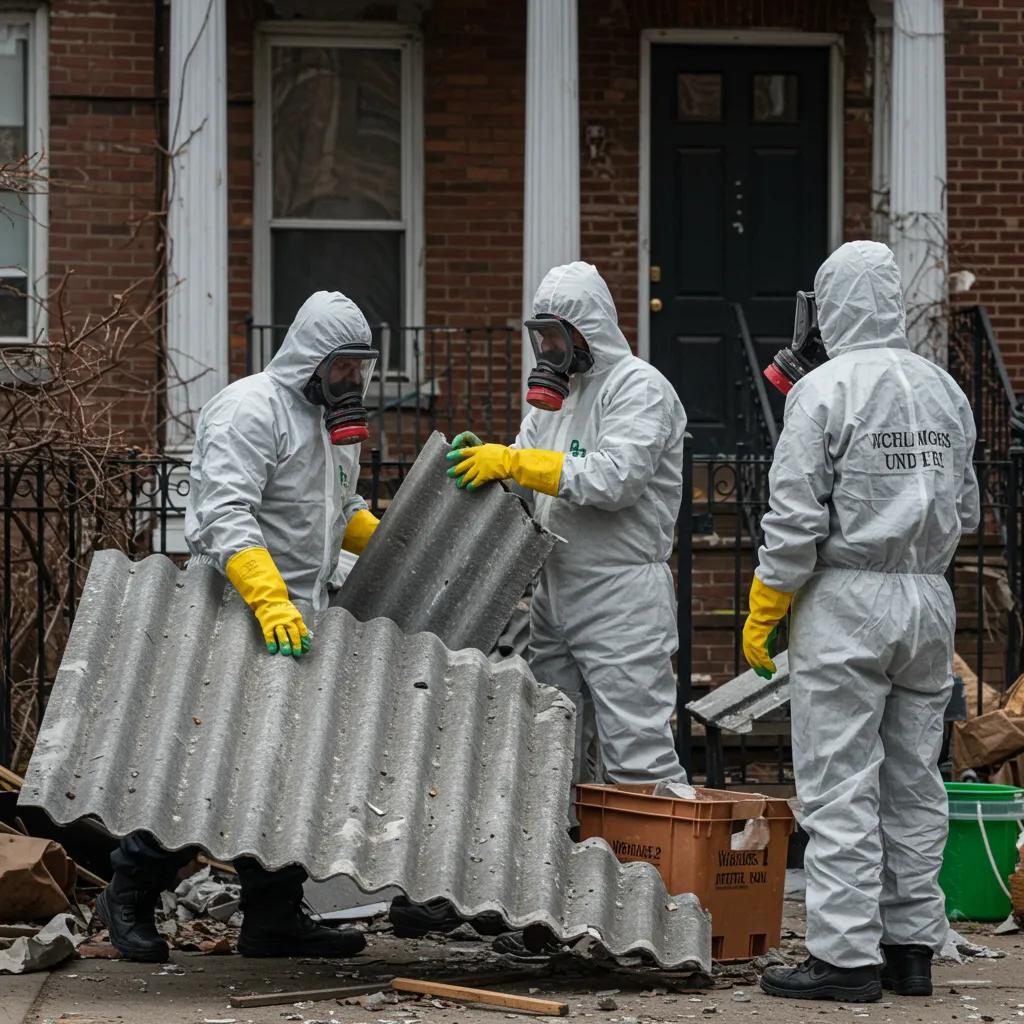
How to Choose Reliable Asbestos Removal Services in New York: A Complete Guide for Homeowners and Property Managers
Identifying qualified asbestos removal contractors is critical to protecting health, avoiding regulatory penalties, and ensuring a smooth renovation process. In New York’s complex regulatory landscape, choosing a reliable asbestos abatement service demands clear insight into state and city rules, safe work protocols, cost transparency, insurance navigation, emergency response capabilities, and local nuances across Long Island and New York City. This guide delivers:
- A deep dive into New York regulations, from NYSDOL Industrial Code Rule 56 to EPA and OSHA guidelines
- A step-by-step overview of asbestos testing, containment, abatement, disposal, and clearance procedures
- Practical criteria and questions for selecting a certified contractor, plus cost ranges and quote strategies
- Guidance on insurance claim facilitation, emergency removal triggers, and regional considerations in Suffolk, Nassau, and NYC
Restoration Experts combines licensed asbestos abatement, 24/7 emergency response, and insurance claim support to help homeowners and property managers secure compliant, health-focused solutions in October 2025 and beyond.
What Are the Key New York Regulations for Asbestos Removal?

New York State enforces rigorous asbestos abatement regulations to safeguard occupants and workers, prevent airborne fiber release, and ensure proper waste disposal. Requirements from the New York State Department of Labor, New York City Department of Environmental Protection, the Environmental Protection Agency, and OSHA set licensing, notification, training, and safety standards. Understanding these intersecting rules is essential to avoid fines and guarantee a compliant removal project that protects building integrity and occupant health.
What Is NYSDOL Industrial Code Rule 56 and Why Does It Matter?
New York State Industrial Code Rule 56 mandates that any asbestos disturbance in commercial or multi-family properties be performed by licensed professionals under strict work practices. This regulation defines training levels, engineering controls, and notification procedures to the NYSDOL Asbestos Control Bureau. For example, friable material removal in a Nassau County office triggers mandatory project notification and certified supervisor oversight. Ensuring compliance with Rule 56 avoids penalties up to tens of thousands of dollars and confirms that asbestos fibers remain contained throughout the project, laying the groundwork for safe abatement in subsequent phases.
How Does NYCDEP Regulate Asbestos Abatement in New York City?
The NYCDEP Asbestos Control Program adds city-specific requirements for demolition, renovation, and bulk sampling within five boroughs. Licensed handlers must submit project notifications, follow containment capture protocols, and use approved waste transport methods. For instance, a demolition in Brooklyn requires negative-pressure enclosures and daily air monitoring documented in DEP forms. Aligning with NYCDEP rules secures necessary permits, ensures community safety, and integrates seamlessly with state and federal standards for a unified compliance strategy.
What Are EPA and OSHA Guidelines for Asbestos Removal?
The EPA’s National Emission Standards for Hazardous Air Pollutants (NESHAP) and OSHA’s Asbestos Standards for the Construction Industry establish nationwide benchmarks for fiber release prevention and worker protection. NESHAP mandates proper disposal at approved landfills, while OSHA specifies personal protective equipment, air monitoring frequencies, and medical surveillance for abatement workers. Together, these guidelines support a multi-layered safety net that prevents exposure beyond regulated work zones and maintains occupational health through continuous oversight and documented clearance results.
Are There Homeowner Exemptions for Asbestos Removal in New York?
Yes, owner-occupied single-family dwellings in New York State may qualify for limited exemptions under Rule 56, Section 1.3(a) when the homeowner performs all work and no friable asbestos is removed. However, professional removal remains strongly recommended due to the risk of airborne fibers and potential health hazards. Even in exempt scenarios, adhering to EPA guidelines for wet methods and sealed waste packaging reduces exposure, and engaging a licensed contractor often provides stronger insurance coverage and peace of mind throughout the process.
How Does the Asbestos Removal Process Work in New York?
A fully compliant asbestos abatement project in New York follows a structured sequence: testing and inspection, containment setup, abatement execution, post-removal clearance testing, and regulated waste disposal. Each phase integrates industry best practices, professional certifications, and local requirements to deliver a safe, transparent service that preserves property value and occupant health across Long Island and NYC.
What Are the Steps in Safe Asbestos Testing and Inspection?

Asbestos testing begins with a comprehensive survey to identify suspected asbestos-containing materials (ACMs) by licensed inspectors. Samples are collected using wet methods to minimize fiber release and are analyzed by EPA-accredited laboratories. For example, a Suffolk County home renovation often includes pipe insulation, popcorn ceiling, and floor tile sampling. This step confirms the presence, type, and concentration of asbestos fibers and informs the scope and cost of abatement, ensuring targeted removal of only regulated materials.
How Is Containment and Abatement Performed by Certified Contractors?
Containment involves sealing work areas with heavy-gauge polyethylene sheeting, establishing negative-pressure enclosures using HEPA-filtered vacuums, and creating decontamination units for worker entry and exit. Certified supervisors oversee friable material removal through wet stripping, glove-bag operations, or full enclosure methods. Restoration Experts deploys industry-approved equipment and follows OSHA respiratory protection protocols to maintain air quality and prevent cross-contamination, setting the stage for safe abatement and subsequent clearance testing.
What Are Post-Removal Clearance Testing Procedures?
Clearance testing verifies that airborne asbestos fiber concentrations fall below EPA-mandated limits before reoccupying the space. Independent air samples are collected inside and outside the containment by a certified air monitor and analyzed to confirm compliance. Only after passing these clearance thresholds can containment materials be dismantled. This final check ensures that abatement achieved full fiber removal and that reoccupation poses no residual health risk.
How Is Asbestos Waste Safely Disposed According to New York Regulations?
Regulated asbestos waste is double-bagged or sealed in labeled containers and transported by licensed waste carriers to approved landfills in compliance with EPA NESHAP and state waste management rules. A detailed waste manifest accompanies each load, documenting volume, disposal site, and transport chain of custody. This careful tracking prevents illegal dumping, safeguards municipal waste streams, and provides documented proof of lawful disposal—a vital record for insurance claims and regulatory audits.
How to Choose a Certified and Reliable Asbestos Contractor in New York?
Selecting a contractor with proper credentials, proven experience, and transparent liability coverage is fundamental to a safe and compliant asbestos removal project. Contractors must meet licensing standards, maintain insurance, and provide clear communication throughout testing, abatement, and disposal phases. Evaluating these criteria up front reduces project delays, budget overruns, and health risks for occupants and workers alike.
What Licensing and Certification Should You Verify?
Ensure the contractor holds a current NYSDOL asbestos handling license and that on-site supervisors have EPA accreditation and OSHA 40-hour training. Verification typically includes state license numbers and accreditation certificates for all crew members. Demand to review these credentials before work begins to confirm the contractor’s authority to perform regulated abatement, avoiding unlicensed operators who risk non-compliance fines and unsafe practices.
Why Is Experience and Reputation Important in Contractor Selection?
Experienced contractors have navigated diverse building types—from pre-war Brooklyn brownstones to modern Long Island offices—and understand unique structural challenges and material compositions. A firm with a track record of compliant projects and positive peer reviews demonstrates its ability to manage complex asbestos scenarios, reduce unexpected costs, and complete projects on schedule. Restoration Experts leverages years of specialized service in New York’s varied properties to deliver consistent quality and regulatory compliance.
How to Check Insurance and Liability Coverage for Asbestos Contractors?
Confirm the contractor carries adequate general liability and pollution liability insurance that explicitly covers asbestos abatement. Insurance limits should align with project scope to protect against accidental release or property damage. Request certificates of insurance and review policy details, ensuring coverage extends through transportation and disposal phases. Proper insurance safeguards property owners and commercial managers from financial exposure in the event of unforeseen incidents.
What Questions Should You Ask Before Hiring an Asbestos Removal Service?
Prior to engagement, inquire about:
- The contractor’s licensing credentials and crew certifications.
- The detailed scope of work and planned abatement methods.
- Estimated project timeline and milestones.
- Breakdown of costs by testing, containment, labor, and disposal.
- Insurance coverage specifics and proof of adequate limits.
- Procedures for emergency response or scope changes.
This checklist ensures clarity on responsibilities, cost drivers, and safety protocols before committing to service.
What Are the Typical Costs of Asbestos Testing and Removal in New York?
Understanding cost components helps homeowners and property managers budget accurately and compare competitive quotes. Testing, inspection, containment setup, abatement labor, and disposal each factor into the total project cost. Regional variables—such as labor rates, disposal facility distance, and material friability—also influence pricing in NYC versus Suffolk and Nassau counties.
How Much Does Asbestos Testing Cost in NYC and Long Island?
Testing averages range from $250 for limited sample surveys to $1,500 for comprehensive inspections of residential properties. Air quality monitoring during abatement typically adds $300–$1,000. In October 2025, average full-property testing costs in New York span $1,536 to $2,412, reflecting labor intensity, sample volume, and lab turnaround times. Accurate initial testing budgets lay the foundation for reliable project estimates and minimize surprise fees during abatement.
What Factors Affect the Cost of Asbestos Removal Services?
Several variables drive abatement pricing:
- Material Type and Friability determines removal complexity and containment needs.
- Square Footage of Impacted Areas dictates labor hours and waste volume.
- Accessibility influences equipment choices and safety measures.
- Regulatory Requirements such as negative-pressure controls and air monitoring frequency.
- Disposal Volume and Distance affects manifest fees and transport costs.
Recognizing these attributes enables property owners to compare quotes on an apples-to-apples basis during contractor selection.
How to Get Accurate Quotes for Asbestos Abatement Projects?
Request itemized proposals that break down testing, containment, labor, disposal, and clearance testing fees. Ensure on-site inspections precede any estimate to capture site-specific conditions. Ask about potential change-order triggers, such as undiscovered ACMs or accessibility challenges. A detailed, transparent quote prevents budget overruns and provides a clear basis for comparing competing bids.
Are There Cost Differences Between Residential and Commercial Properties?
Yes, commercial abatement often incurs higher costs due to larger areas, extended containment requirements, and stricter project documentation. Residential projects may benefit from simpler containment and fewer labor hours, but specialized structures—such as multi-unit apartments—can mirror commercial complexity. Understanding these distinctions helps property managers align expectations with typical market rates in Nassau, Suffolk, and New York City contexts.
How Can You Navigate Asbestos Removal Insurance Claims in New York?
Filing an asbestos removal claim involves thorough documentation, coordination with adjusters, and clear proof of regulatory compliance. Properly managed claims ensure that policyholders recover eligible costs for testing, abatement, disposal, and restoration of affected areas. Restoration Experts offers guidance through each step, from document assembly to adjuster negotiations, so claimants maximize their coverage without procedural delays.
What Documentation Is Needed to File an Asbestos Insurance Claim?
Key documents include:
- Detailed inspection reports identifying ACM types and locations.
- Licensed contractor estimates and invoices for testing, abatement, and disposal.
- Project notifications and permits filed with NYSDOL and NYCDEP.
- Clearance testing results demonstrating regulatory compliance.
- Photographic evidence of pre- and post-abatement conditions.
Compiling these records in advance streamlines adjuster review and accelerates reimbursement timelines.
How Does Restoration Experts Facilitate Insurance Claims?
Restoration Experts prepares comprehensive claim packages that combine certified inspection findings, itemized invoices, regulatory filings, and clearance certificates. Our claim specialists coordinate directly with insurance adjusters to clarify technical details, address coverage questions, and advocate for full reimbursement of eligible expenses. This hands-on support reduces administrative burdens and enhances claim success for homeowners and property managers.
What Are Common Challenges When Working with Insurance Adjusters?
Adjusters may question scope changes, cost allocations, or documentation completeness. Disputes can arise over pre-existing conditions versus emergent hazards. Delays often stem from missing permits or insufficient clearance data. Anticipating these challenges by providing thorough regulatory records, clear work scopes, and chain-of-custody manifests helps expedite resolution and avoids unnecessary claim denials.
How to Maximize Your Insurance Coverage for Asbestos Removal?
To optimize coverage:
- Engage a licensed contractor for all testing and abatement.
- Submit full regulatory notifications and permits before work begins.
- Document every project phase with time-stamped photographs and manifests.
- Review your policy’s pollution liability and environmental remediation provisions.
These steps align project execution with policy requirements, ensuring maximum eligible reimbursement under commercial or homeowner insurance plans.
When and How to Use Emergency Asbestos Removal Services in New York?
Emergency asbestos abatement becomes necessary when unplanned hazards arise, such as damage during demolition, water intrusion disturbing ACMs, or health-critical alarms. Rapid containment and removal minimize exposure risks and prevent work stoppages. Licensed contractors offering 24/7 response protocols are essential for urgent scenarios, ensuring immediate action and safe environments.
What Situations Require Emergency Asbestos Abatement?
Emergency removal is warranted when:
- Renovation or demolition activities unexpectedly breach ACMs.
- Water leaks cause fiber release from ceiling or pipe insulation.
- Fire or structural damage exposes hidden asbestos.
- Occupant health concerns emerge during routine inspections.
Recognizing these triggers enables property managers to secure prompt specialist intervention, limiting potential exposure and regulatory infractions. restorationexperts.com
How Does 24/7 Emergency Response Work with Licensed Contractors?
Certified asbestos teams are on standby to mobilize containment equipment, deploy HEPA-filtered negative-pressure units, and perform rapid air monitoring. After initial hazard assessment, crews establish decontamination chambers and begin wet abatement protocols immediately. Restoration Experts leverages around-the-clock availability to contain emergent risks, coordinating with building owners to resume normal operations safely as soon as possible. restorationexperts.com
What Are the Safety Protocols During Emergency Asbestos Removal?
Emergency protocols include isolating affected areas, restricting access, wearing full-face respirators with P100 filters, and continuous real-time air sampling. All work surfaces are misted to suppress dust, and waste is double-bagged for immediate removal. These measures prevent cross-contamination, maintain regulatory compliance under NYSDOL and OSHA rules, and protect occupants and workers during high-urgency abatement. restorationexperts.com
How to Contact Emergency Asbestos Removal Experts Quickly?
For urgent asbestos incidents, contact a licensed provider offering 24/7 dispatch through a dedicated hotline. Be prepared with property details, nature of the disturbance, and any immediate health symptoms. Rapid communication enables contractors to mobilize crews and equipment within hours, containing hazards before they spread and ensuring compliance with New York City and state emergency notification requirements.
What Local Considerations Should You Know for Asbestos Removal in Long Island and NYC?
Regional nuances in labor costs, disposal facility locations, and permit processes shape asbestos abatement in Suffolk, Nassau, and New York City. Local weather patterns, building vintages, and municipal permitting timelines also influence project scheduling and budget estimates. Being aware of these subtleties helps property owners plan effectively and secure competitive, compliant services.
How Do Regulations Differ Between Long Island, Suffolk, Nassau, and NYC?
While NYSDOL Rule 56 applies statewide, NYCDEP adds borough-specific notification forms, air monitoring rates, and approved landfill lists. Suffolk and Nassau counties often route permits through county health departments before sending notifications to NYSDOL. These variations can affect lead times by several business days. Anticipating local processing steps ensures timely project starts and prevents delays in containment or abatement phases. restorationexperts.com
What Are Common Asbestos Risks in New York Residential and Commercial Buildings?
Asbestos-containing materials in region-specific structures include popcorn ceilings in pre-1970 apartments, pipe insulation in coastal commercial buildings, and vinyl floor tiles in older school facilities. Coastal humidity on Long Island can exacerbate pipe wrap deterioration, increasing friability. Recognizing these patterns helps inspectors target high-risk areas and informs property managers where to focus testing and abatement budgets.
How to Find Licensed Contractors Serving Your New York Neighborhood?
Seek contractors with documented projects in your county, verified through local business associations or professional directories. Confirm that crews hold county permit stamps and have experience with regional waste transport routes. Restoration Experts maintains a roster of licensed technicians across Nassau, Suffolk, and NYC, ensuring rapid local deployment and deep familiarity with municipal requirements.
What Are Recent Case Studies of Successful Asbestos Removal Projects in New York?
A October 2025 brownstone renovation in Manhattan involved safe removal of friable pipe insulation under full negative-pressure containment, completed ahead of schedule with zero airborne exceedances. In Suffolk County, a commercial office retrofit included clearance testing that passed on first sampling, demonstrating effective planning, transparent communication, and precise execution. These examples underscore how compliance, advanced protocols, and local expertise drive successful outcomes.
Choosing a certified asbestos removal service in New York demands careful assessment of regulatory compliance, process rigor, contractor credentials, cost transparency, insurance facilitation, and local experience. Restoration Experts combines licensed NYSDOL and EPA-accredited teams, 24/7 emergency response, and dedicated insurance support to guide homeowners, property managers, and commercial building owners through every phase of asbestos abatement with confidence and peace of mind. For prompt project planning or emergency response, request a detailed quote or schedule an inspection today.
Frequently Asked Questions
What should I do if I suspect asbestos in my home?
If you suspect asbestos in your home, do not disturb the material. Instead, contact a licensed asbestos inspector to conduct a thorough assessment. They will collect samples and send them to an accredited laboratory for analysis. If asbestos is confirmed, the inspector will provide guidance on the next steps, which may include safe removal or encapsulation. It’s crucial to handle suspected asbestos materials carefully to avoid releasing harmful fibers into the air.
How long does the asbestos removal process typically take?
The duration of the asbestos removal process can vary significantly based on several factors, including the size of the affected area, the type of materials involved, and the complexity of the job. Generally, a small residential project may take a few days, while larger commercial projects could extend to several weeks. A detailed project timeline should be provided by the contractor after an initial assessment, ensuring that all phases, including testing, abatement, and clearance, are accounted for.
What are the health risks associated with asbestos exposure?
Asbestos exposure can lead to serious health issues, including asbestosis, lung cancer, and mesothelioma, a rare cancer affecting the lining of the lungs and abdomen. The risk increases with the duration and intensity of exposure, particularly when asbestos fibers are inhaled. Symptoms may not appear until decades after exposure, making it crucial to address any potential asbestos hazards promptly. Regular health check-ups and monitoring are recommended for individuals who have been exposed to asbestos.
Can I perform asbestos removal myself?
While some homeowners may consider DIY asbestos removal, it is strongly discouraged due to the significant health risks and legal implications involved. Asbestos removal requires specialized training, equipment, and adherence to strict safety protocols to prevent fiber release. Engaging a licensed professional ensures compliance with local regulations and minimizes health risks. Even in cases where exemptions apply, hiring a certified contractor is the safest option for effective and compliant abatement.
What should I look for in an asbestos removal contractor?
When selecting an asbestos removal contractor, verify their licensing, insurance, and experience in handling similar projects. Look for contractors with positive reviews and a proven track record of compliance with local regulations. Ask for detailed proposals that outline the scope of work, safety measures, and timelines. Additionally, ensure they have the necessary certifications for their crew and that they follow best practices for containment and disposal to protect your property and health.
How can I prepare my home for asbestos removal?
To prepare your home for asbestos removal, clear the work area of personal belongings and furniture to provide easy access for the contractors. Ensure that pets and occupants are relocated to a safe distance from the work zone. It’s also advisable to inform your neighbors about the upcoming work, especially if they may be affected by dust or noise. Following these steps helps facilitate a smooth and efficient removal process while ensuring safety for everyone involved.