
July 26, 2025
What to Know About Asbestos Removal Services
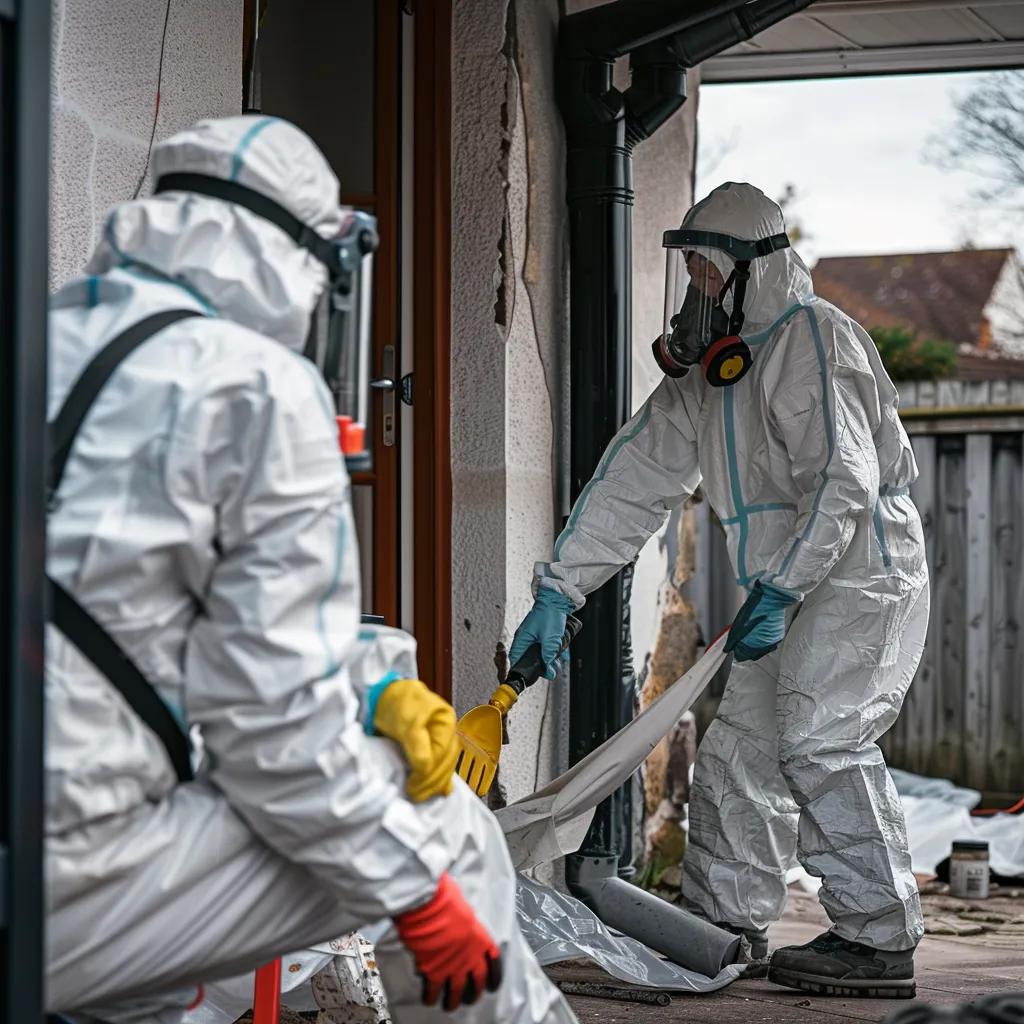
What to Know About Asbestos Removal Services: Local Asbestos Removal Services Ronkonkoma Guide
Asbestos removal is a critical safety measure for any property built before the 1980s, and choosing local asbestos removal services in Ronkonkoma ensures rapid response, regulatory expertise, and peace of mind. In this guide, you will discover what asbestos is, why it poses serious health hazards, the step-by-step abatement process, New York regulations, cost factors and insurance coverage, how to find certified local professionals, safety precautions, and emerging technologies. By the end, you’ll understand how RestorationExperts.com’s licensed team protects families and businesses while facilitating quotes, emergency calls, and insurance claims.
What Is Asbestos and Why Is Its Removal Important?
Asbestos is a fibrous silicate mineral once prized for insulation that becomes hazardous when disturbed. Removing asbestos prevents inhalation of microscopic fibers that can lodge in lung tissue, causing life-threatening diseases. For homeowners and commercial building owners, licensed asbestos abatement is the only reliable way to eliminate these risks and comply with New York regulations.
What Are Asbestos-Containing Materials (ACMs)?
Asbestos-containing materials (ACMs) are any building components or products that include asbestos fibers. Common ACMs include:
- Pipe insulation made with chrysotile or amosite fibers.
- Vinyl floor tiles and the backing compounds beneath them.
- Popcorn ceilings sprayed with loose-fill asbestos for fireproofing.
- Cement siding and roofing shingles reinforced with asbestos.
- Boiler gaskets and valve packing using asbestos yarn.
Understanding ACMs helps property managers and homeowners identify hidden hazards before renovation, leading to targeted testing and safe abatement.
What Health Risks Are Associated with Asbestos Exposure?

Exposure to airborne asbestos fibers can lead to several serious diseases:
| Disease | Classification | Effect |
|---|---|---|
| Mesothelioma | Cancer of pleura | Aggressive tumor in lung lining |
| Lung Cancer | Malignant neoplasm | Tumor growth obstructing airways and lungs |
| Asbestosis | Fibrotic lung disease | Scar tissue formation reducing lung capacity |
Health Risks of Asbestos Exposure
Exposure to asbestos fibers can lead to severe health issues, including mesothelioma, lung cancer, and asbestosis. These diseases often have long latency periods, emphasizing the importance of prompt removal and ongoing monitoring to mitigate health risks associated with asbestos exposure.
American Cancer Society, “Asbestos Exposure and Cancer” (2024)
This research supports the article’s claims about the serious health consequences of asbestos exposure.
How Does Friable Asbestos Increase Danger?
Friable asbestos is material that can be crumbled or reduced to powder by hand pressure, releasing fibers into the air. When ACMs become friable through age, renovation, or weathering, they pose an acute inhalation risk.
Common scenarios include:
- Demolition of old plaster walls
- Drilling or sanding of asbestos insulation
- Water damage weakening bonded asbestos materials
Identifying friable asbestos early allows certified inspectors to contain the area and begin safe abatement procedures without endangering occupants.
Why Is Professional Asbestos Removal Necessary?
Professional asbestos removal is vital because untrained handling can aerosolize fibers and spread contamination. Certified abatement contractors provide:
- Certified inspection and testing by NYS-licensed inspectors.
- Containment and negative-pressure controls to seal work zones.
- Safe removal techniques following wet-wipe and glove-bag methods.
- Proper transportation and disposal at licensed asbestos landfills.
- Regulatory documentation to satisfy EPA, OSHA, and NYS DOL requirements.
Hiring experts from RestorationExperts.com minimizes health risks, ensures legal compliance, and streamlines insurance claims.
How Does the Asbestos Removal and Abatement Process Work?

The asbestos abatement process follows a structured sequence to guarantee safety, compliance, and thorough fiber removal.
What Are the Steps in Asbestos Inspection and Testing?
Professional asbestos inspection and testing involve:
- Visual survey to locate suspect materials.
- Sample collection by certified inspectors using sealed containers.
- Laboratory analysis to quantify fiber content and type.
- Comprehensive reporting detailing ACM locations and removal recommendations.
Accurate testing guides targeted abatement, reducing unnecessary costs and exposures.
How Is Containment Established During Abatement?
Containment prevents airborne fibers from escaping the work area. Key methods include:
- Installing negative-pressure units with HEPA filters.
- Sealing walls, ceilings, and floors with polyethylene sheeting.
- Creating decontamination units for worker entry and exit.
- Using glove bags for small-scale pipe and duct removal.
Effective containment keeps living and working areas safe throughout removal.
What Safe Methods Are Used for Asbestos Removal?
Licensed technicians employ wet removal to suppress dust and specialized tools to avoid fiber release:
- Wet-wipe technique for friable materials.
- Glove-bag removal of pipe insulation in enclosed sleeves.
- Enclosure of large surfaces with controlled negative pressure.
- Manual stripping under strict safety protocols.
These methods align with EPA NESHAP and OSHA requirements for safe abatement.
How Is Asbestos Properly Disposed of in New York?
New York disposal guidelines require sealed, labeled containers and transport to approved facilities.
| Entity | Attribute | Value |
|---|---|---|
| Licensed Asbestos Landfill | Acceptance Criteria | 1% asbestos by weight, sealed drums |
| Transport Vehicle | Required Endorsement | Hazardous waste placards and manifests |
| Disposal Documentation | Regulatory Compliance | NYS DOL manifests, EPA NESHAP records |
Adhering to these rules protects public health and avoids regulatory fines.
What Are the Regulations and Compliance Requirements for Asbestos Removal in New York?
Asbestos abatement in New York is governed by state and federal laws that ensure worker and occupant safety.
What Is NYS DOL Industrial Code Rule 56 and How Does It Affect Removal?
NYS DOL Industrial Code Rule 56 mandates licensing and training for asbestos handlers and contractors. Under Rule 56:
- Firms must obtain an Asbestos Contractor License.
- Workers complete EPA-approved training every three years.
- Project notifications and record-keeping are submitted to the Asbestos Control Bureau.
Compliance prevents penalties and ensures qualified personnel perform abatement.
Asbestos Abatement Regulations in New York
Asbestos abatement in New York is governed by state and federal laws, including NYS DOL Industrial Code Rule 56, EPA’s NESHAP, and OSHA’s Asbestos Standards. These regulations mandate licensing, training, and specific work practices to ensure worker and occupant safety during asbestos removal projects.
New York State Department of Labor, “Industrial Code Rule 56” (2023)
This citation provides the regulatory context for asbestos removal, as discussed in the article.
How Do EPA and OSHA Standards Govern Asbestos Abatement?
EPA’s NESHAP (40 CFR Part 61) and OSHA’s Asbestos Standards (29 CFR 1926.1101) require:
- Notification of demolition or renovation involving ACMs.
- Air monitoring before, during, and after removal.
- Personal protective equipment and regulated work practices.
- Medical surveillance for exposed workers.
Meeting these standards protects public health and mitigates liability.
What Are NYC-Specific Asbestos Control Laws?
New York City enforces Local Law 71 and DOB Asbestos Regulations, which include:
- Mandatory DEP permit for any abatement work.
- Periodic inspections by the NYC Asbestos Control Unit.
- Building owner notifications to tenants before removal projects.
City-level rules add an extra layer of oversight for urban properties.
Why Is Certification and Licensing Important for Asbestos Professionals?
Certification and licensing demonstrate that technicians understand safe removal, regulatory compliance, and emergency protocols. Key credentials include:
- EPA AHERA Inspector and Planner certifications.
- NYS DOL Asbestos Handler and Project Monitor licenses.
- OSHA Competent Person training for on-site compliance.
These credentials build trust with homeowners, property managers, and insurance providers.
How Much Does Asbestos Removal Cost and Is It Covered by Insurance?
Understanding cost drivers and insurance coverage helps property owners plan abatement budgets and avoid unexpected expenses.
What Factors Affect the Cost of Asbestos Removal in Ronkonkoma?
Removal costs vary based on several factors:
| Factor | Impact on Cost | Typical Range |
|---|---|---|
| Amount of ACMs | Directly proportional | $1,200–$4,000 per job segment |
| Accessibility | Demolition vs. manual | +15–30% for hard-to-reach areas |
| Type of Material | Friable vs. non-friable | Friable 20–40% higher |
| Containment Complexity | Negative pressure setup | +10–25% |
Cost Factors in Asbestos Removal
The cost of asbestos removal varies based on several factors, including the amount of asbestos-containing materials, accessibility, the type of material, and the complexity of containment. These variables guide accurate quote requests and help property owners plan abatement budgets.
U.S. Environmental Protection Agency, “Asbestos” (2024)
This source provides information on the factors that influence the cost of asbestos removal, as discussed in the article.
These variables guide accurate quote requests from RestorationExperts.com.
When Does Homeowners Insurance Cover Asbestos Removal?
Homeowners insurance seldom covers routine asbestos abatement but may provide coverage when:
- A covered peril (fire, storm damage, burst pipe) disturbs ACMs.
- Mold remediation endorsements extend to underlying asbestos.
- Environmental liability add-ons are included in a policy.
Review your policy declarations or consult an insurance adjuster to confirm eligible perils.
How Can Commercial Property Owners Facilitate Insurance Claims?
Commercial clients can streamline claims by:
- Documenting damage with photos and inspection reports.
- Notifying insurers immediately upon discovery.
- Engaging licensed inspectors to perform pre-loss surveys.
- Coordinating adjuster visits and sharing detailed abatement protocols.
Proactive communication accelerates claim approval and funds disbursement.
Where Can You Find Reliable Local Asbestos Removal Services in Ronkonkoma and Long Island?
Securing a locally based abatement team enhances response times and knowledge of regional regulations.
What Makes Local Asbestos Removal Services in Ronkonkoma Unique?
Local specialists offer:
- Rapid emergency response within Suffolk and Nassau counties.
- Familiarity with NYS DOL and NYC DEP protocols.
- Established relationships with licensed disposal facilities.
- On-the-ground expertise in Long Island construction and building types.
These advantages lead to efficient, code-compliant abatement.
How Do Emergency Asbestos Removal Services Work in Suffolk and Nassau Counties?
Emergency protocols include:
- 24/7 hotline activation for urgent fiber releases.
- Immediate hazard assessment and containment.
- Rapid mobilization of containment and negative-pressure units.
- Interim air monitoring before full abatement.
Emergency teams minimize exposure and restore safe conditions quickly.
How to Contact Certified Asbestos Removal Professionals Near You?
For a prompt quote or emergency call, reach RestorationExperts.com:
- Phone: (631) 555-0192
- Online Request: https://restorationexperts.com/local-asbestos-removal-ronkonkoma/
- Email: info@restorationexperts.com
Our certified team handles inspections, abatement, disposal, and insurance facilitation.
What Are the Health Risks and Safety Precautions During and After Asbestos Removal?
Ensuring occupant and worker safety requires rigorous precautions before, during, and after removal.
How Does Asbestos Exposure Cause Mesothelioma and Other Diseases?
Asbestos fibers inhaled into the lungs can penetrate the pleura, triggering chronic inflammation and cellular mutations. Over decades, these processes lead to:
- Mesothelioma, a tumor of the lung lining.
- Lung cancer, initiated by DNA damage in lung cells.
- Asbestosis, fibrotic scarring that reduces pulmonary function.
Understanding these mechanisms highlights the urgency of professional abatement.
What Protective Measures Are Taken to Safeguard Families and Workers?
During abatement, specialists implement:
- High-efficiency particulate air (HEPA) respirators and full-body protective suits.
- Negative-pressure enclosures to isolate fibers.
- Decontamination chambers for safe exit and equipment cleaning.
- Air clearance testing before reoccupying areas.
These precautions uphold industry best practices and regulatory standards.
How Can You Prevent Future Asbestos Exposure in Your Property?
Post-removal strategies include:
- Maintaining asbestos management plans with updated ACM inventories.
- Scheduling periodic inspections for any remaining encapsulated materials.
- Applying encapsulation coatings to non-removed ACMs.
- Keeping records of all abatement and disposal documentation.
Proactive management reduces the risk of accidental disturbances.
What Are the Latest Trends and Technologies in Asbestos Removal Services?
Emerging innovations are streamlining asbestos abatement, boosting safety and efficiency.
How Are Robotic and Advanced Technologies Improving Safety?
Remote-controlled robots perform:
- Automated extraction of pipe insulation in confined spaces.
- Fiber suppression with integrated wetting nozzles.
- Real-time air monitoring to adjust containment pressure.
These systems limit worker exposure and accelerate project timelines.
What Are the Market Growth and Regulatory Updates Affecting Services?
Key industry developments include:
- A projected CAGR of 6.3% in U.S. asbestos abatement through 2031.
- The EPA’s 2024 chrysotile ban prohibiting new use and disposal of chrysotile asbestos.
- Ongoing NYS DOH training updates requiring advanced refresher courses.
Staying current with these trends ensures compliant, future-proof services.
How Do These Trends Benefit Homeowners and Commercial Clients?
Adopting advanced methods delivers:
- Faster project completion with robotic assistance.
- Lower liability through precise air monitoring.
- Cost savings from reduced labor exposure times.
- Enhanced compliance with evolving regulations.
Clients gain confidence knowing abatement meets the highest safety and quality standards.
Choosing certified local asbestos removal services in Ronkonkoma and Long Island not only protects health and property but also simplifies insurance claims and regulatory compliance. For expert guidance, rapid emergency response, and detailed quotes, contact the licensed professionals at RestorationExperts.com today.
Conclusion
Choosing certified local asbestos removal services in Ronkonkoma and Long Island not only protects health and property but also simplifies insurance claims and regulatory compliance. With expert guidance, rapid emergency response, and a commitment to safety, you can ensure a thorough and compliant abatement process. Don’t leave your safety to chance; reach out to the licensed professionals at RestorationExperts.com for a detailed quote today. Take the first step towards a safer environment by contacting us now.