
July 26, 2025
Smoke Damage Restoration Services Explained
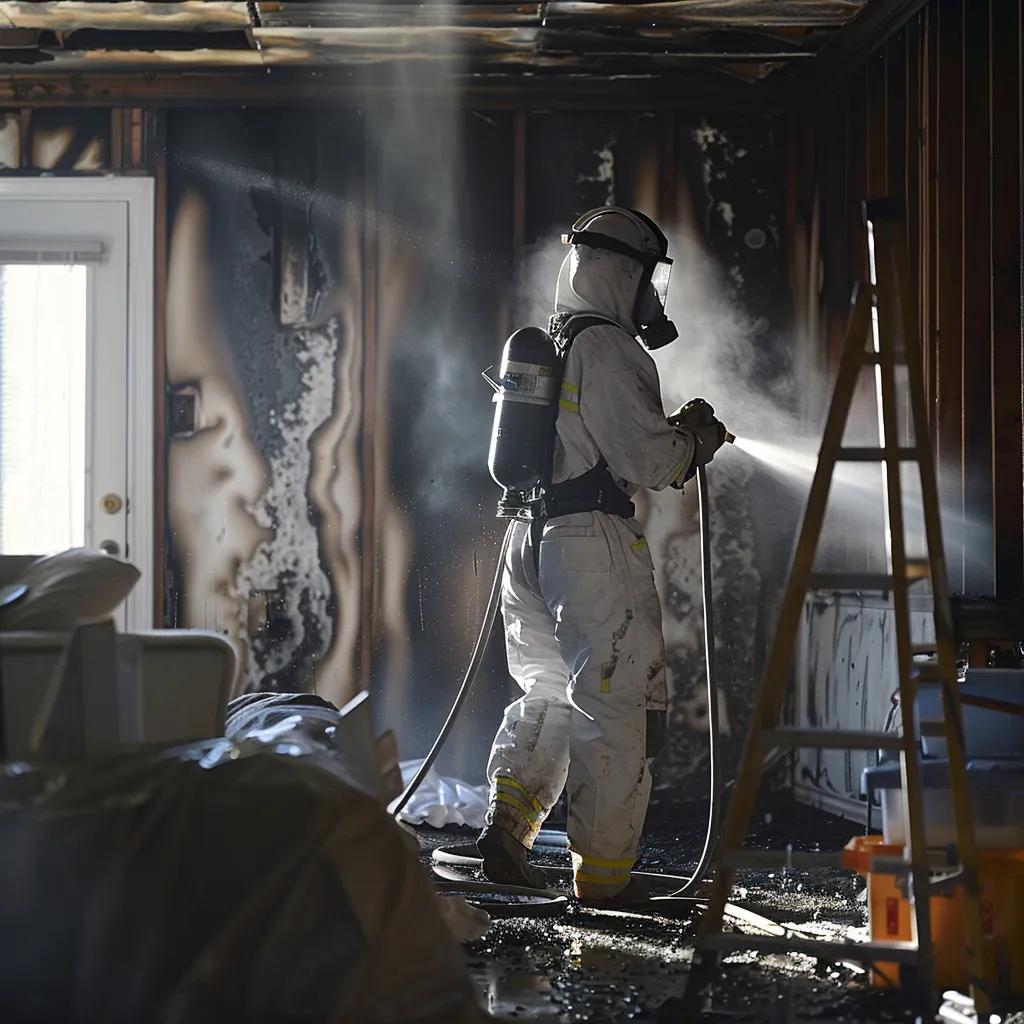
Smoke Damage Restoration Services Explained: Your Complete Guide to Cleanup, Repair, and Recovery
A single fire incident can leave behind pervasive soot, lingering smoke odors, and structural damage that undermine your property’s safety and value. Understanding professional smoke damage restoration services is crucial to reclaiming a healthy environment, ensuring insurance support, and preventing costly secondary damage. In this guide, you will discover:
- What smoke damage entails and its types, health risks, and impact on homes and businesses
- The comprehensive, step-by-step process used by certified technicians to assess, clean, deodorize, and rebuild
- Advanced odor removal techniques such as ozone treatment, thermal fogging, and HEPA filtration
- Strategies for navigating insurance claims and controlling restoration costs
- Reasons to choose expert responders and where our New York–area teams operate
Restoration Experts (https://restorationexperts.com/) offers 24/7 emergency response, free estimates, and insurance claim facilitation to homeowners, property managers, and commercial building owners across Long Island, NYC, Suffolk, and Nassau.
What Is Smoke Damage and How Does It Affect Your Property?
Smoke damage occurs when combustion byproducts, including soot, acidic residues, and odor-causing particles, penetrate surfaces and air systems, compromising indoor air quality and structural materials. Professional restoration mitigates health hazards, prevents corrosion, and restores functionality to residential and commercial properties.
What Are the Different Types of Smoke Damage?
Smoke residue varies by fuel source and fire conditions, affecting cleanup methods and restoration timeframes.
| Smoke Type | Characteristic | Impact & Removal Challenge |
|---|---|---|
| Dry Smoke | Powdery, light residue from paper or wood fires | Easily airborne; requires dry sponging and HEPA vacuuming |
| Wet Smoke | Sticky, smeared residue from synthetic materials | Adheres to surfaces; demands chemical sponges and solvent cleaning |
| Protein Smoke | Invisible yellowish film from meat or dairy fires | Penetrates pores; needs corrosion inhibitors and deep deodorization |
Each smoke category demands specific tools and cleaning agents to fully eliminate residues. Next, we’ll explore how soot and vapor intrude different property types.
The characteristics of smoke damage vary depending on the source of the fire, with different types of smoke residue requiring specific cleaning methods. For instance, dry smoke from paper or wood is easily airborne and requires dry sponging and HEPA vacuuming, while wet smoke from synthetic materials is stickier and demands chemical sponges and solvent cleaning [1]. Protein smoke, often invisible, necessitates corrosion inhibitors and deep deodorization due to its ability to penetrate pores [1].
National Fire Protection Association, Smoke Damage Restoration Guide (2022)
This research provides a detailed breakdown of different smoke types and their impact on cleaning methods, which is directly relevant to the article’s discussion of smoke damage restoration.
How Does Smoke Damage Impact Residential and Commercial Properties?
In homes, smoke tarnishes walls, ceilings, furniture, and personal belongings, while in commercial spaces it can foul HVAC systems, electronics, and inventory. Residues can corrode metal fixtures, stain textiles, and degrade air-handling units, leading to unhealthy air and operational disruptions in businesses. Recognizing these differences guides tailored restoration plans that protect both living environments and revenue streams.
Transitioning from impact to health considerations highlights why swift professional action is essential.
What Are the Health Risks Associated with Smoke and Soot Exposure?

Exposure to fine soot particles and volatile organic compounds (VOCs) can irritate eyes, throat, and lungs, trigger asthma attacks, and carry carcinogenic properties [2]. By promptly removing residues and purifying indoor air, certified technicians safeguard occupants’ respiratory health and prevent long-term complications [2].
U.S. Environmental Protection Agency, Indoor Air Quality Guide (2023)
This source supports the article’s claims about the health risks associated with smoke exposure and the importance of professional restoration.
What Is the Step-by-Step Process of Professional Smoke Damage Restoration?
How Is Damage Assessed and Inspected After a Fire?
Restoration Experts conducts an immediate visual and moisture mapping inspection to identify structural compromises, soot-laden areas, and affected HVAC components. Advanced moisture meters and infrared cameras detect hidden water damage from firefighting, while soot thickness measurements guide cleaning protocols.
What Emergency Board-Up and Property Securing Services Are Provided?
Securing the structure prevents further environmental exposure and vandalism. Our emergency board-up services include:
- Boarding or shoring up broken windows and doors
- Installing temporary fencing or tarping
- Locking down entry points to safeguard interiors
Securing the site creates a controlled environment for restoration and paves the way for water mitigation efforts.
How Are Water Damage and Drying Handled During Restoration?
Fire suppression often leaves water saturation that fosters mold growth and structural decay. Technicians deploy industrial-grade dehumidifiers, air movers, and moisture extraction tools to:
- Remove standing water
- Lower humidity below 45% within 72 hours
- Monitor moisture levels until dryness standards are achieved
Effective drying prevents secondary mold damage and accelerates soot and odor removal.
What Techniques Are Used for Soot and Residue Removal?
Removing surface and embedded soot requires a combination of dry and wet cleaning methods:
- Dry sponging for light, powdery residues
- Wet cleaning with approved detergents on harder surfaces
- HEPA vacuuming for porous materials and air ducts
- Ultrasonic immersion for salvageable contents like glassware and metal
Attention to residue type and substrate ensures complete decontamination and prepares surfaces for odor treatment.
How Is Smoke Odor Effectively Removed from Your Property?
Eliminating persistent smoke odors calls for targeted deodorization technologies. Our protocols include:
- Ozone and hydroxyl treatments to neutralize odor molecules
- Thermal fogging to drive solvents into porous materials
- Air scrubbing with HEPA filters to capture airborne particles
- Encapsulation of surfaces with sealants when deep penetration occurs
These techniques eradicate odor at its source, restoring air quality and occupant comfort.
What Cleaning and Sanitizing Steps Are Included?
Comprehensive cleaning covers structural elements and personal effects:
- Sanitizing walls, ceilings, and floors with antimicrobial agents
- Cleaning soft goods (carpets, drapes, upholstery) via hot-water extraction
- Disinfecting electronics and HVAC coils
- Packing out and decontaminating furniture, clothing, and textiles offsite
Sanitization reduces health risks and ensures that restored contents meet safety standards.
How Are Repairs and Reconstruction Completed After Smoke Damage?
After decontamination, carpenters, painters, and electricians collaborate on:
- Drywall replacement and priming
- Repainting with odor-blocking primers
- Flooring repairs or replacement
- Reinstallation of cabinetry, fixtures, and trim
Coordinating all trades under one project manager accelerates turnaround and returns your property to pre-loss condition efficiently.
How Do Smoke Odor Removal Techniques Work to Eliminate Lingering Smells?
How Does Smoke Odor Penetrate Porous Materials and HVAC Systems?
Smoke molecules infiltrate wood fibers, fabrics, drywall, and HVAC duct linings, where they bond with organic surfaces. These embedded residues release odor over time, making superficial cleaning insufficient without specialized treatments that penetrate and neutralize trapped compounds.
What Is Ozone Treatment and How Does It Remove Smoke Odor?
Ozone treatment generates ozone molecules (O₃) that oxidize odor-causing VOCs into harmless compounds [3].
American Lung Association, Smoke and Air Quality (2024)
This citation supports the article’s explanation of ozone treatment as a method for removing smoke odors.
- High-concentration ozone eradicates deep-seated odors
- Ozone cycles are monitored to avoid material degradation
- Post-treatment ventilation restores safe occupancy levels
Ozone’s oxidative power permanently removes odors without leaving additional residues.
How Does Thermal Fogging Help in Deep Odor Removal?

Thermal fogging disperses heated deodorizing chemicals as a fine mist that penetrates porous substrates and crevices. This process:
- Ensures uniform coverage on walls, ceilings, and furnishings
- Drives solvents into hidden voids
- Complements ozone and hydroxyl treatments for layered odor control
Combining fogging with air scrubbing creates a multi-phase defense against persistent smells.
What Role Do Air Scrubbers and HEPA Filtration Play in Odor Removal?
Air scrubbers equipped with HEPA filters continuously capture soot, ash, and airborne particulates. As large volumes of air pass through, odor particles are trapped, reducing overall VOC concentrations and preparing the environment for final deodorization steps.
What Specialized Cleaning Solutions Are Used for Smoke Odor?
Technicians select from a range of EPA-registered products:
- Enzymatic cleaners that break down organic residues
- Chlorine dioxide for oxidation of embedded odors
- Granular deodorizers for carpets and textiles
Choosing the right agent based on material type and odor severity ensures effective removal with minimal substrate damage.
How Can You Navigate Smoke Damage Insurance Claims Successfully?
What Documentation Is Needed for Filing a Smoke Damage Claim?
Prepare:
- Photographic and video evidence of all damage zones
- Itemized lists of damaged contents with estimated values
- Receipts for emergency services (board-up, temporary housing)
- Professional restoration estimates from certified providers
Accurate records streamline approval and expedite disbursement of funds.
How Do Insurance Adjusters Evaluate Smoke Damage?
Adjusters assess:
- Scope of structural and content damage
- Cost estimates from licensed restoration experts
- Policy coverage limits and exclusions
- Supporting documentation, including pre-loss photos
Restoration Experts can coordinate directly with adjusters to present comprehensive reports that reduce disputes.
What Does Typical Policy Coverage Include for Smoke Damage?
Most homeowners and commercial property policies cover:
- Structural repairs due to smoke and fire
- Deodorization and cleaning of personal belongings
- Additional living expenses (ALE) during repairs
- Water damage from fire suppression efforts
Understanding these inclusions ensures you maximize your entitled benefits.
How Can You Handle Common Insurance Claim Disputes?
In case of disagreements:
- Request a peer review or third-party appraisal
- Obtain supplemental estimates for overlooked damage
- Present contractor invoices and industry-standard pricing guides
- Engage a public adjuster when needed
Proactive documentation and professional support minimize delays and shortfalls.
What Is Additional Living Expense (ALE) Coverage and How Does It Work?
ALE coverage reimburses costs for:
- Temporary housing and meals
- Storage and moving expenses
- Pet boarding and transportation
Keeping all receipts and daily expense logs guarantees full reimbursement for unavoidable living costs during restoration.
What Are the Typical Costs of Smoke Damage Restoration Services?
What Factors Affect the Cost of Smoke Damage Restoration?
Costs depend on:
- Extent of soot and smoke penetration
- Square footage of affected areas
- Water damage from firefighting
- Type of odor removal technologies used
- Accessibility and number of HVAC units impacted
These variables guide accurate quotes and help budget for comprehensive recovery.
How Much Does Smoke Odor Removal Cost Per Room?
Smoke odor removal averages $200–$1,000 per room, influenced by material composition, odor intensity, and treatment frequency. Smaller bedrooms may run $200–$400, while large living areas or open-concept spaces can exceed $800 when using ozone or multiple fogging cycles.
What Are Average Costs for Water and HVAC System Smoke Damage Repairs?
HVAC cleaning and smoke remediation typically range from $150 to $500 per unit. Water extraction and drying often cost $1,000–$3,000 depending on moisture levels and equipment needs. Coordinating these services with smoke cleanup reduces overall project overhead.
Are There Hidden or Additional Costs to Consider?
Unexpected expenses may include:
- Mold remediation for lingering moisture
- Structural replacements if framing is compromised
- Permit fees for rebuilding or electrical work
- Offsite storage for sensitive contents
Building a contingency buffer ensures you’re prepared for any scope expansions.
How Can You Get a Free Estimate for Your Smoke Damage Restoration?
Requesting a free, no-obligation quote is simple:
- Visit our free estimate page
- Complete a brief damage description form
- Schedule an on-site inspection
- Receive a detailed, transparent cost breakdown
Our specialists provide fast, accurate quotes so you can plan your restoration with confidence.
Why Should You Choose Professional Smoke Damage Restoration Experts?
What Expertise and Equipment Do Professionals Use?
Certified teams deploy industry-leading tools:
- Ozone machines for oxidative deodorization
- Thermal foggers for deep penetration
- HEPA-filtered air scrubbers and vacuums
- Industrial dehumidifiers and moisture meters
Specialized training in fire and smoke protocols guarantees efficient, code-compliant restoration.
How Do Professionals Prevent Secondary Damage Like Mold?
Early water extraction and precise humidity control inhibit mold spore growth. Incorporating antimicrobial treatments on affected surfaces and monitoring moisture levels create a dry environment that supports structural integrity and occupant health.
How Do Restoration Experts Provide 24/7 Emergency Response?
Our local New York crews stand ready around the clock, deploying rapid-response teams within hours of your call. Immediate action secures your property, curtails further damage, and starts the restoration clock to minimize disruption.
How Do Professionals Assist with Insurance Claim Facilitation?
We prepare detailed loss inventories, coordinate with adjusters on your behalf, and submit contractor invoices directly, ensuring accuracy and timely fund release. This service reduces administrative burden and accelerates project completion.
Where Are Our Smoke Damage Restoration Services Available in New York?
Which Areas Do We Serve in Long Island, NYC, Suffolk, and Nassau Counties?
We respond to emergencies and scheduled restorations in:
- Queens, Brooklyn, Manhattan, the Bronx
- Nassau County towns: Hempstead, Garden City, Mineola
- Suffolk County communities: Smithtown, Huntington, Riverhead
Local presence means faster arrival times and compliance with regional regulations.
What Are the Benefits of Choosing Local Restoration Experts?
Local technicians understand New York building codes, weather impacts on restoration, and have established relationships with area insurance adjusters. These connections expedite approvals and reduce project delays.
How Do Local Emergency Response Times Improve Restoration Outcomes?
Proximity allows for on-site assessment within 1–2 hours of your call. Rapid board-up, water removal, and containment measures limit smoke infiltration and secondary damage, translating to lower overall restoration costs and faster return to normalcy. Restoration Experts combines technical excellence, advanced equipment, and local knowledge to deliver swift, thorough smoke damage recovery. We stand ready to improve your indoor air quality, support insurance processes, and enhance property value with professional cleanup, deodorization, and reconstruction. Request your free estimate online or call our 24/7 emergency hotline now to begin the path to a fully restored home or business.