
July 26, 2025
Water Damage Restoration: What You Need to Know
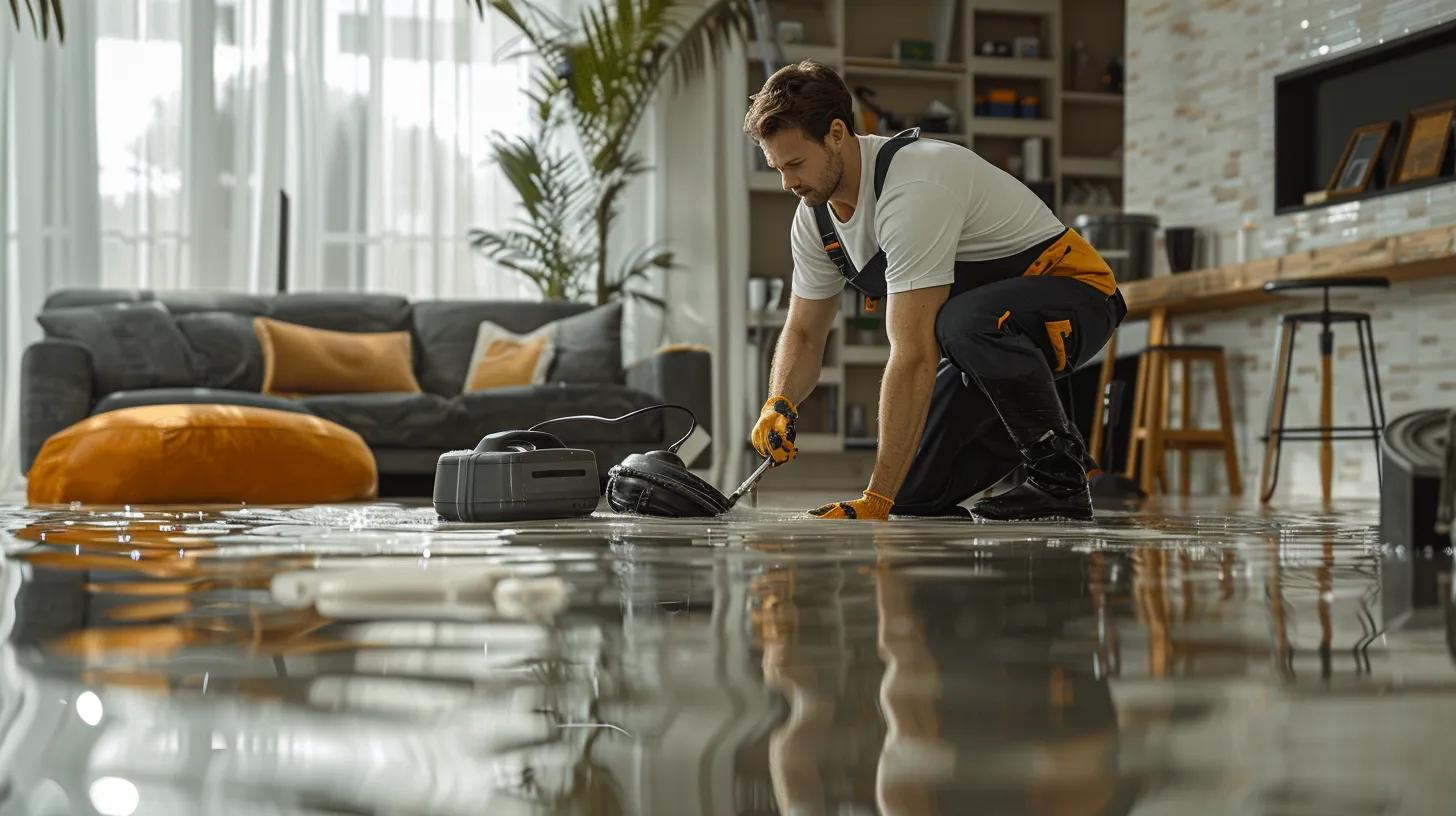
Water Damage Cleanup and Restoration
Water damage can compromise a property’s integrity, safety, and value if not promptly addressed. Flooding, burst pipes, or storms introduce contaminants and moisture that lead to structural degradation, mold growth, and further deterioration. Homeowners, property managers, and commercial operators need a reliable water damage restoration process to mitigate these effects and protect their investments. This guide explains each stage—from immediate emergency actions to long-term repair—helping property owners navigate insurance claims and secure professional help.
Recognizing the Urgency of Water Damage Restoration
Immediate action is critical when water infiltrates a structure. Not only does water damage building materials, it creates a breeding ground for bacteria and mold that can harm health.
Identifying Common Sources of Water Intrusion
Water intrusion may result from burst pipes, heavy rainfall, appliance malfunctions, or roof leaks. Poor drainage or faulty waterproofing can cause surface water to saturate structures. Contaminated sources like sewage backflow introduce hazardous pathogens. Identifying the cause helps technicians choose the proper cleanup methods and prevents prolonged exposure and further damage.
Understanding Different Categories of Water Contamination
Water contamination is typically classified as clean, gray, or black water. Clean water comes from broken supply lines and resembles potable water. Gray water, mildly contaminated with detergents or soil, and black water, often from sewage or floodwaters, require progressively stricter safety measures. Technicians use specialized equipment and personal protective equipment (PPE) when dealing with black water to ensure complete sanitization.
Health Risks Associated With Untreated Water Damage
Untreated water damage not only weakens a building but also creates environments for mold, bacteria, and viruses. Exposure to these pollutants may trigger respiratory issues, allergic reactions, and other severe health complications, especially among children, the elderly, and immunocompromised individuals. Prompt water removal and sanitation are essential to reduce these risks.
The Importance of Rapid Response in Water Damage Situations
A quick response limits moisture spread, reduces mold growth, and minimizes repair costs. Many companies offer 24/7 emergency services, which helps document early damage for insurance claims and restores normalcy quickly, reducing downtime and emotional distress.
Initial Actions for Property Owners Facing Water Damage
Taking rapid, effective steps can significantly reduce losses even before professionals arrive.
Ensuring Safety Before Addressing Water Issues
Prioritize safety by assessing the environment for hazards. Electrical risks from exposed wiring near water require immediate power shutdown by a qualified electrician. Contaminated water may pose chemical or biological dangers, so wearing gloves and masks is essential. Evacuate and call emergency services if hazardous conditions exist.
Steps to Stop the Water Source if Possible
Immediately identify and stop the water source. Shutting off the main water supply—whether due to a burst pipe, roof leak, or appliance malfunction—can prevent further flooding. Temporary measures, such as using buckets or towels, help contain water until help arrives.
Protecting Valuables and Undamaged Property
Move furniture, electronics, and personal items out of the affected area to minimize damage. Cover immovable items with plastic or tarps for protection. Photographic documentation of belongings helps support insurance claims.
Documenting the Damage for Water Damage Restoration Claims
Accurately document the damage by photographing affected areas and noting the timing and source of water intrusion. Detailed records of damage to structural elements and personal property, along with expense logs, support insurance claims and guide restoration efforts.
The Professional Water Damage Restoration Process Explained
Professional restoration involves several systematic steps to return a property to pre-loss condition.
Emergency Contact and Initial Assessment by Experts
restoration experts begin with a rapid-response evaluation using moisture meters, infrared cameras, and visual inspections to determine the extent and depth of damage. This assessment helps organize subsequent work and coordinate with insurance adjusters.
Detailed Water Damage Inspection and Scope of Work
A thorough inspection follows the initial response. Technicians use thermal imaging and other tools to detect moisture in walls, floors, and ceilings. The findings determine the necessary cleanup and reconstruction work, forming the blueprint for the restoration process.
Water Extraction and Removal Techniques
High-powered pumps, vacuum units, and submersible equipment quickly remove standing water. This fast extraction minimizes mold growth and further structural deterioration while preserving undamaged items.
Drying and Dehumidification Procedures
Following water extraction, industrial air movers and dehumidifiers circulate air to lower moisture levels. Moisture sensors help ensure that hidden water behind walls or under floors is completely removed, reducing the risk of mold growth.
Cleaning, Sanitizing, and Deodorizing Affected Areas
After drying, the affected areas are cleaned and sanitized using antimicrobial treatments, specialized cleaning agents, and industrial equipment. Deodorizing treatments neutralize any lingering odors, ensuring a safe indoor environment.
Advanced Techniques in Water Damage Restoration
Modern restoration employs advanced methods to target hard-to-reach moisture and ensure thorough remediation.
Utilizing Specialized Equipment for Moisture Detection
Technicians use thermal imaging cameras and moisture meters to detect water hidden behind walls, under flooring, or in structural cavities. This precise detection helps target specific areas for drying and prevents future damage.
Applied Structural Drying Methods for Thorough Results
Structural drying involves circulating conditioned air and using commercial dehumidifiers to extract moisture from porous materials like drywall, wood, and insulation. This method prevents warping and long-term deterioration.
Content Pack-Out and Restoration Services
In severe cases, personal property may be temporarily removed (content pack-out) for protection. Items are inventoried, stored in climate-controlled environments, and later restored to minimize damage and disruption.
Thermal Imaging for Hidden Moisture Detection
Thermal imaging provides a visual map of a building’s heat distribution, revealing hidden pockets of moisture. This technology ensures comprehensive water removal and reduces the risk of future issues.
Mold Prevention and Remediation Following Water Damage
Mold growth is a common consequence of water damage and requires prompt remediation to protect health and property.
How Water Damage Leads to Mold Growth
Moisture in materials like drywall, wood, and carpeting creates ideal conditions for mold to grow, sometimes within 24 to 48 hours. Mold not only damages property further but also poses health risks.
Identifying Signs of Mold After Water Intrusion
Look for dark spots, discoloration on surfaces, and a persistent musty odor. Increased allergy symptoms or respiratory issues can also signal mold growth. Advanced tools like moisture meters can detect mold hidden in inaccessible areas.
Professional Mold Remediation Within Water Damage Restoration
Certified professionals remove mold and treat affected areas with antimicrobial solutions, ensuring that contamination does not spread. Post-remediation testing verifies that mold levels are back to safe limits.
Preventing Future Mold Infestations
Routine maintenance, including monitoring dehumidifiers and inspecting for leaks, is essential to prevent mold. Improving insulation and ventilation further reduces indoor humidity and mold risk.
Structural Repair and Reconstruction in Water Damage Restoration
After cleanup, significant structural repairs and reconstruction are often needed to restore a property’s integrity.
Assessing Structural Integrity After Water Damage
Experts evaluate building materials such as drywall, insulation, and support beams using inspections and imaging technologies. This assessment determines whether repairs or full replacements are necessary to ensure safety and stability.
Repairing Damaged Drywall, Flooring, and Ceilings
Damaged components are removed, and new, water-resistant materials—often with antimicrobial properties—are installed. Skilled technicians ensure that repairs restore both functionality and appearance.
Addressing Compromised Electrical and Plumbing Systems
Water can damage wiring and plumbing, creating fire and leak hazards. Restoration professionals assess and repair or replace electrical and plumbing systems to ensure they meet safety standards.
Final Reconstruction to Restore Property Condition
The final phase integrates all repairs and upgrades. General contractors coordinate work among various trades to complete reconstruction, ensuring that the property is restored to a safe, marketable, and aesthetically pleasing condition.
Managing Insurance Claims for Water Damage Restoration
Effective management of insurance claims is key to reducing financial burdens and expediting repairs.
Understanding Your Homeowners Insurance Policy Coverage
Homeowners should review their insurance policies to determine what water damage incidents are covered, noting any exclusions or deductibles. This knowledge helps in filing accurate claims.
Documenting Losses for Your Water Damage Claim
Collect and organize photographic evidence, repair estimates, and detailed records of all damages. Comprehensive reports from restoration professionals further support a swift and fair claim process.
Working With Adjusters During the Claim Process
Clear communication with insurance adjusters, supported by technical reports from restoration experts, ensures that all damage is recognized and fairly compensated.
What to Expect From Your Water Damage Restoration Company Regarding Insurance
Many reputable restoration companies assist with the insurance process by providing written reports, digital measurements, and photographs. This support simplifies claim processing for homeowners.
Selecting a Qualified Water Damage Restoration Service
Choosing the right service is essential for efficient and effective recovery.
Verifying Certifications and Training of Technicians
Ensure technicians are certified by recognized bodies such as the IICRC, indicating adherence to industry standards and the use of modern techniques.
Checking Reviews and References for Restoration Companies
Research customer testimonials, online reviews, and seek references to assess a company’s reputation, response times, and quality of work.
Understanding Estimates and Pricing for Water Damage Services
Obtain transparent, itemized estimates from multiple providers. Confirm that estimates cover every phase of restoration from water extraction to final reconstruction without unexpected costs.
Availability and Response Time for Emergency Water Damage Restoration
Select a company that offers 24/7 emergency service and swift mobilization. Fast response reduces the risk of mold growth and further damage, ensuring a more efficient restoration process.
Long-Term Effects if Water Damage Restoration Is Delayed
Delays can lead to escalating costs and further damage, impacting both safety and property value.
Progressive Structural Deterioration Over Time
Continued moisture exposure weakens building materials like concrete, wood, and drywall, increasing the risk of structural failure and expensive repairs.
Persistent Odors and Air Quality Concerns
Stagnant water promotes mold and mildew growth, releasing compounds that cause lingering odors and reduce indoor air quality, potentially leading to respiratory issues.
Reduced Property Value Due to Unresolved Water Damage
Unaddressed water damage discourages buyers and can result in repeated repairs, higher maintenance costs, and persistent safety hazards—all of which lower market value.
The Increased Cost of Delayed Water Damage Repairs
Extended delays allow water to cause deeper, more extensive damage, increasing repair complexity and cost. Timely restoration not only prevents further deterioration but also helps avoid higher insurance premiums.
Table: Key Factors in Water Damage Restoration
| Factor | Restoration Method | Advantage | Key Consideration |
|---|---|---|---|
| Source Identification | Inspection, moisture meters, thermal imaging | Quickly stops further intrusion | Accurate detection is essential |
| Water Extraction | High-powered pumps, vacuum systems | Rapid removal minimizes additional damage | Fast action reduces mold risk |
| Drying and Dehumidification | Industrial dehumidifiers, air movers | Thorough drying preserves structural integrity | Monitor moisture levels closely |
| Mold Prevention and Remediation | Antimicrobial treatment, HEPA filtration | Ensures a safe indoor environment | Timely treatment prevents mold growth |
| Structural Repairs | Replacing damaged materials, reconstruction | Restores property value and safety | Quality repairs prevent future issues |
| Insurance Claims Management | Documentation, professional reports | Expedites claims and reduces recovery costs | Detailed evidence supports fair settlements |

Frequently Asked Questions
Q: How quickly should water damage be addressed to prevent mold growth?
A: Address water damage within 24 to 48 hours to stop mold growth and avoid severe structural decay.
Q: What types of water should be considered contaminated during restoration?
A: Water is classified as clean, gray, or black. Black water from sewage or floodwaters is the most hazardous and requires specialized measures.
Q: Can I handle minor water damage on my own, or should I always call a professional?
A: Minor leaks may be manageable; however, significant water damage should be handled by professionals with the right equipment to prevent long-term issues.
Q: How do restoration companies help with insurance claims?
A: Many companies provide detailed reports, photographs, and estimates to streamline the insurance claims process and help ensure fair compensation.
Q: What preventative measures can be taken after restoration to avoid future water damage?
A: Regular maintenance, periodic inspection of seals and plumbing, upgrading to water-resistant materials, and ensuring adequate drainage are key preventative steps.
Q: What certifications should I look for in a restoration company?
A: Look for IICRC or similar certifications, which indicate that the company follows industry best practices and uses advanced methods.
Q: How does thermal imaging improve the water damage restoration process?
A: Thermal imaging detects hidden moisture that is not visible, ensuring all affected areas are properly dried and reducing the chance of recurring damage.
Final Thoughts
Water damage cleanup and restoration require prompt action, advanced technology, and professional expertise. Rapid response, thorough assessments, and comprehensive repairs restore properties while preventing future issues such as mold growth and structural deterioration. Working with certified professionals who provide detailed documentation and effective repair strategies is essential to safeguard investments and ensure long-term property value.