

Processing...

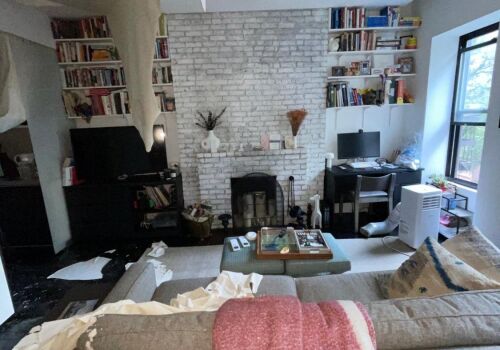
Water damage can cause severe structural issues in homes, leading to extensive repair needs. A plumbing issue in an upstairs apartment resulted in a collapsed ceiling, allowing water to seep through walls and flooring. This article explores the steps necessary to assess and address the damage effectively.
Properly addressing water damage is crucial to ensure the safety and integrity of a property. Ignoring such issues can lead to further deterioration and higher repair costs.
The first step in addressing water damage is careful inspection to determine how far and wide the damage has spread. This provides insight into necessary repairs.
It's vital to evaluate the structural integrity of the building. This includes checking load-bearing walls and ensuring foundational elements are unaffected.
Ceiling collapses often occur due to prolonged water exposure from plumbing issues, causing structural weakening and eventual failure.
When a ceiling collapses, prioritizing safety is paramount. Ensure the area is evacuated and secure to prevent injuries.
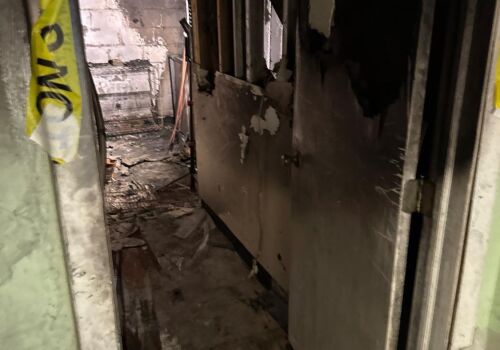
Debris removal is a critical step, enabling further inspection and repair work, as well as preparation for restoration.
Choosing the right materials for ceiling restoration is essential. New sheetrock was installed to replace the damaged sections.
The ceiling repair involved careful installation of new materials, ensuring alignment and structural support.
Walls were inspected for water damage to determine necessary repairs or replacements.
Various wall treatments were considered, focusing on durability and aesthetics.
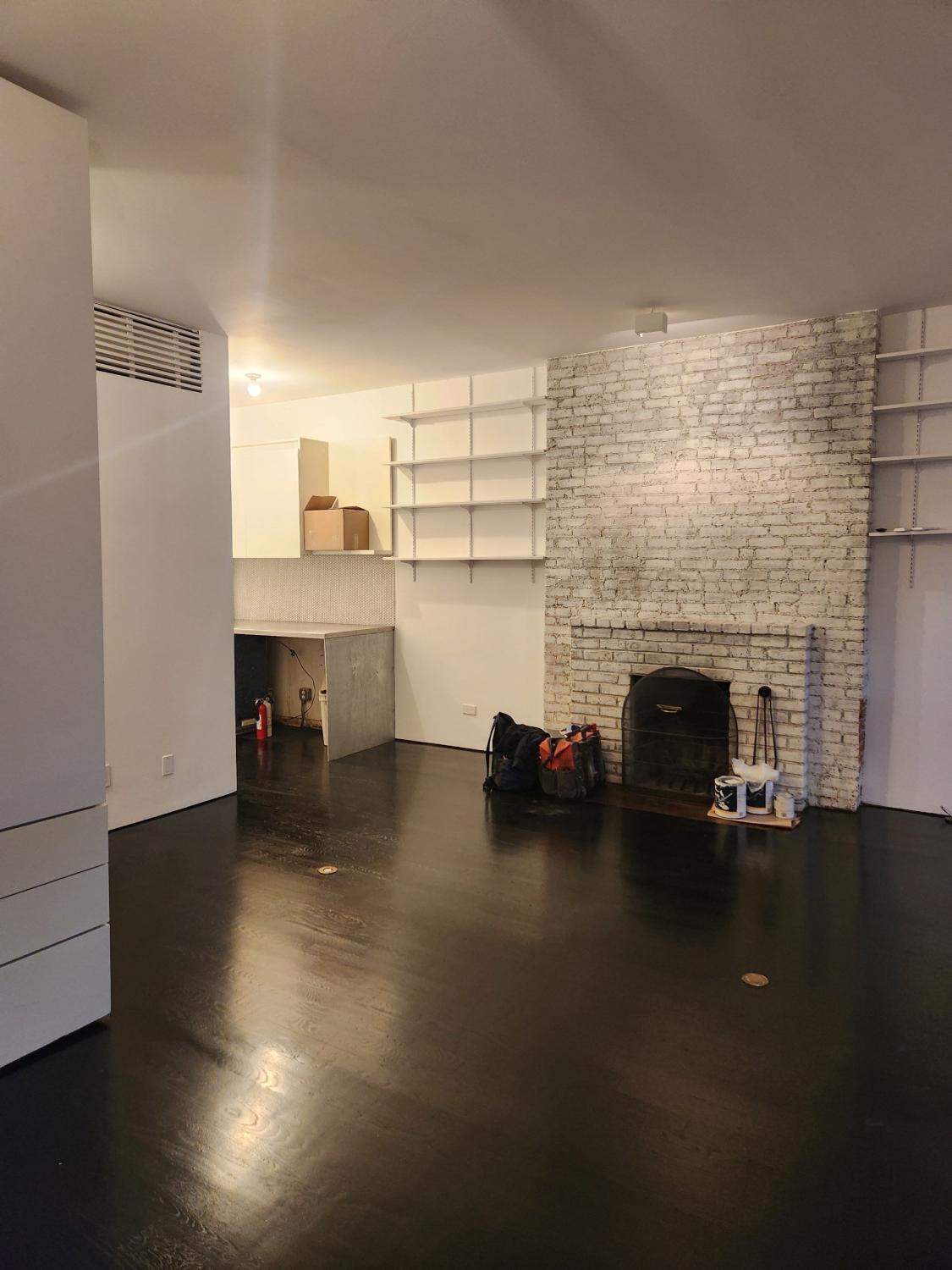
The water damaged the hardwood floor. Replacement included leveling the subfloor and installing new flooring that is resilient to future incidents.
After preparing the subfloor, the new floor was installed, providing a stable and visually appealing finish.
Integrating waterproofing solutions, such as sealing measures, can minimize future water intrusion risks.
Regular inspections and maintenance are crucial to identify potential issues before they become severe, ensuring long-term property protection.
Addressing water damage involves assessing the extent of damage, implementing safety measures, and carrying out thorough restoration. Restoring ceilings, walls, and floors, along with preventive measures, offers long-term benefits, safeguarding property value and integrity.
Ceilings typically collapse due to structural issues aggravated by prolonged water exposure from leaks.
Water damage should be addressed immediately to prevent further structural damage and mold growth.
Sheetrock or drywall are commonly used for ceiling restorations due to their durability and ease of installation.
Regular maintenance and waterproofing solutions can significantly mitigate risks of future water damage.
If the flooring is saturated or structurally compromised, replacement is often necessary to ensure longevity and stability.