


Processing...

Puffback in commercial buildings refers to the sudden discharge of soot and smoke from a burner explosion, often in heating systems. It can have severe implications, causing extensive damage and posing significant risks to safety.
Burner explosions are commonly caused by oil burner malfunctions, fuel supply issues, or improper ignition. Environmental conditions, such as fluctuations in temperature and mechanical failures like leaks or cracks in pipes, can also contribute to puffback.
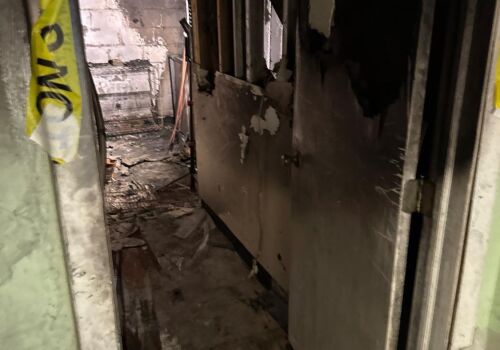
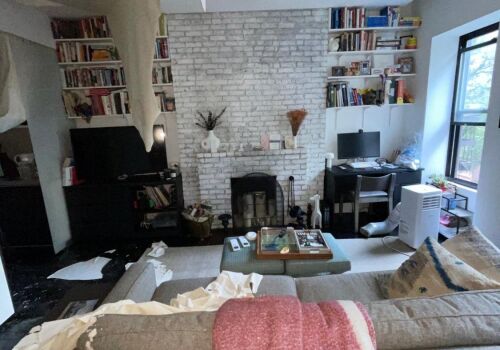
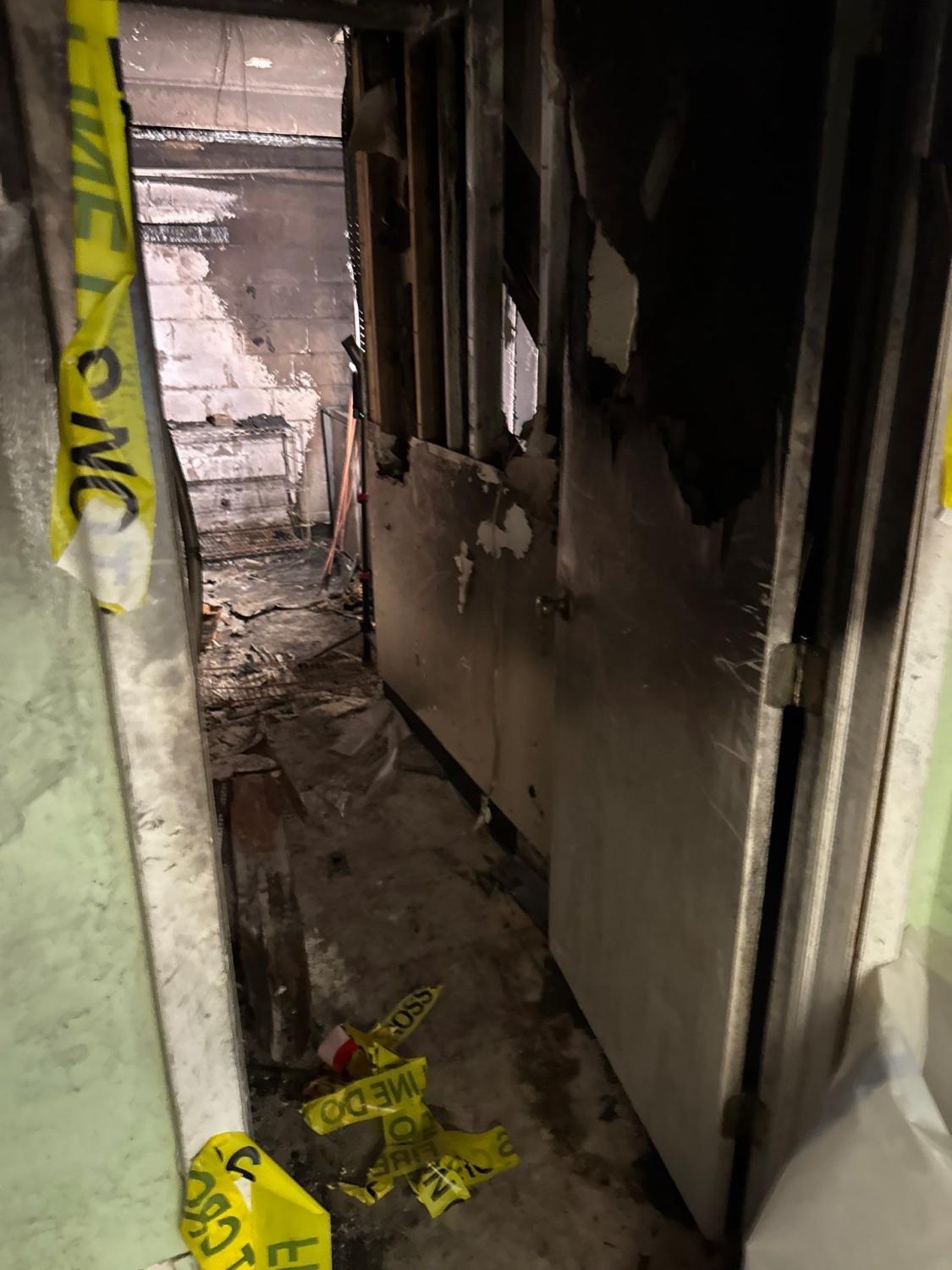
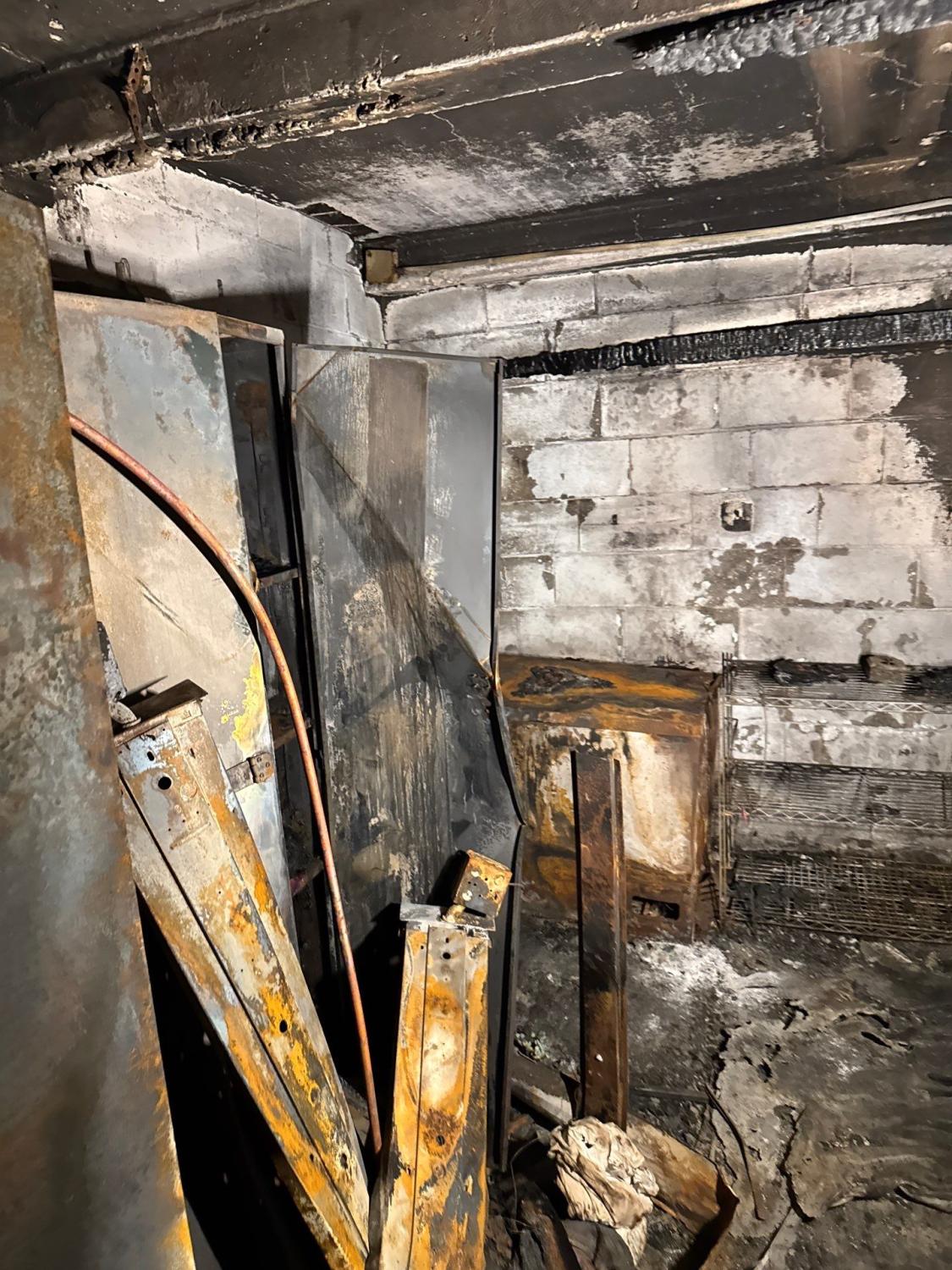
The physical damage from a puffback in a commercial building can be extensive. The shockwave and resultant soot can damage walls, ceilings, and other structures. The heating system itself may be severely compromised, necessitating extensive repairs. Additionally, puffback poses significant threats to human safety due to the release of toxic fumes and a potential fire hazard.
In the event of a puffback, immediate damage assessment and containment are crucial. Contacting professionals for cleanup and repair is essential to safely restore normal operations. Following safety protocols can help mitigate further risks.
Preventive measures include regular maintenance and inspection of heating systems. Look for early warning signs like unusual sounds or odors, and educate building staff through training programs to improve preparedness.
Several incidents of puffback in commercial settings, such as the one in Shirley, NY, highlight the importance of preparedness and regular system checks. Analyzing these cases provides valuable insights and lessons for improving safety measures.
Understanding the risks and impacts of puffback from burner explosions emphasizes the need for stringent preventive strategies. Regular system checks and adherence to safety protocols can significantly reduce the likelihood of such incidents.
</section