
July 26, 2025
Puff Back Cleanup Steps: Distinguishing Fire Damage Effects
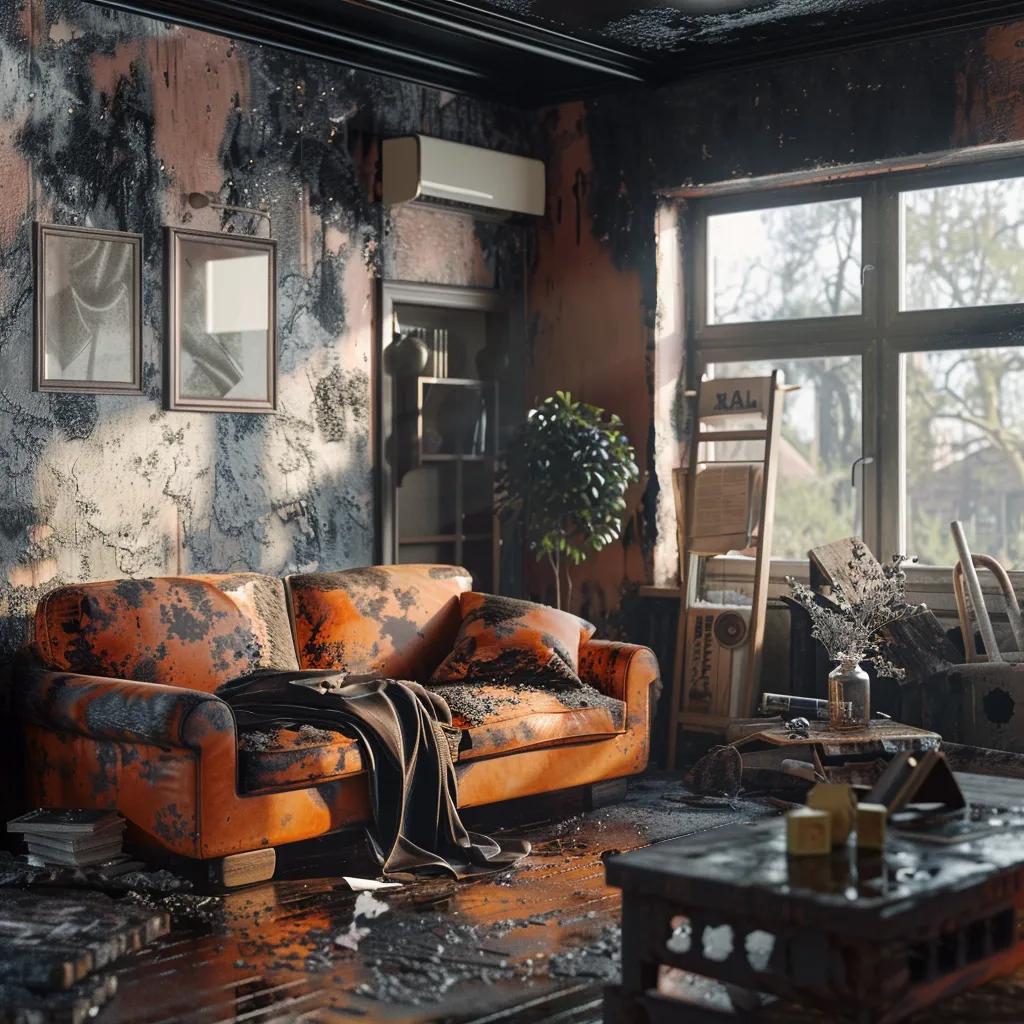
Puff Back Damage vs. Fire Damage: Key Differences and Cleanup Steps for New York Property Owners
Oil-fired heating appliances can suddenly unleash oily soot that infiltrates ductwork and surfaces, creating a mess that often resembles fire damage. Understanding the distinctions between puff back damage and fire damage is crucial for property owners to choose the right cleanup methods, document insurance claims accurately, and protect occupants’ health. In this guide, we’ll define both damage types, compare soot characteristics and spread, outline health risks, walk through specialized cleanup and restoration processes, explain insurance coverage nuances, share prevention tips, and show why RestorationExperts.com is the trusted partner for New York homes and commercial buildings.
Key themes include:
- What puff back damage is, its causes, and telltale signs
- How fire damage varies by smoke and soot types
- Direct comparisons of soot composition, odors, spread, and health impacts
- Step-by-step puff back cleanup methods and HVAC duct cleaning
- Fire damage restoration workflows and structural repairs
- Insurance claim differences for puff back versus fire damage
- Preventative HVAC and fire-safety practices
- Why RestorationExperts.com delivers 24/7 rapid response and insurance support
What Is Puff Back Damage and How Does It Occur?
Puff back damage results from a delayed ignition event in an oil or gas burner—such as a furnace or boiler—that causes combustion gases and oily soot to explode into living spaces and ductwork. This phenomenon contaminates walls, ceilings, furniture, and HVAC components with sticky, carbon-rich residue that is far more difficult to remove than typical soot. Recognizing puff back as a unique heating system malfunction equips property managers and homeowners with knowledge to prevent future incidents and engage specialized cleaning services promptly.
Puff Back Damage and Soot Composition
Puff back events release oily, carbon-rich soot that differs significantly from fire soot. This soot’s composition and the resulting cleanup methods are crucial for effective restoration. The oily nature of puff back soot requires specialized degreasing agents and techniques to remove it from surfaces and HVAC systems.
National Fire Protection Association (NFPA), Fire Protection Handbook (2017)
This source provides a comprehensive overview of fire and related damage, which helps to understand the unique characteristics of puff back soot.
What Causes a Furnace or Boiler Puff Back?
- Clogged or worn nozzles that spray fuel unevenly, leading to incomplete combustion and sudden ignition
- Excessive fuel buildup in the combustion chamber during failed start cycles
- Poor ventilation or blocked flues that trap unburned gases until ignition finally occurs
- Malfunctioning ignition controls or frequent manual resets that disrupt normal firing sequences
How Does Puff Back Damage Affect Your Property and HVAC System?
- Oily residue clinging to walls, furniture, upholstery, and electronics
- HVAC system contamination that circulates soot into every room
- Lingering fuel-like odors that resist standard deodorization
- Potential corrosion of metal components from acidic combustion byproducts
What Are the Signs and Symptoms of Puff Back Damage?
- Fine soot “cobwebs” along ceiling corners and duct registers
- Black streaks or oily spots on walls and around registers
- A sharp, fuel-oil odor during furnace startup
- Reduced airflow or unusual noise from the HVAC system
What Is Fire Damage and What Are Its Common Types?
Fire damage encompasses property destruction from open flames, heat, smoke, and soot residues generated during combustion. Unlike puff back events tied to heating systems, fire damage originates from uncontrolled fires—whether electrical, kitchen, or open-flame—that leave behind a mix of dry or wet smoke residues, charred materials, and pervasive odors. Understanding smoke and soot variations guides restoration experts in selecting cleaning agents and structural repair methods tailored to each damage type.
How Does Fire Damage Differ by Smoke and Soot Types?
- Wet smoke: sticky, tar-like deposits from slow, low-temperature fires (smoldering)
- Dry smoke: fine, powdery ash from fast-burning flames
- Acidic soot: corrosive residue from synthetic materials or plastics that can pit metals and etch glass
What Are the Typical Effects of Fire Damage on Property?
- Charred structural elements, framing, and finishes
- Discoloration and staining of walls, ceilings, and floors
- Smoke-soaked fabrics, draperies, and upholstered furniture
- Embedded odors that persist without professional deodorization and air scrubbing
What Are the Common Causes of Fire Damage in Homes?
- Electrical malfunctions in wiring or appliances
- Unattended cooking, grease fires, and oven accidents
- Candles left burning in unsecured areas
- Smoking materials igniting furnishings or trash
What Are the Key Differences Between Puff Back Damage and Fire Damage?
Puff back soot and fire soot differ in origin, composition, and cleanup challenges, making accurate identification essential for effective restoration and insurance documentation. Recognizing whether damage stems from a heating system backfire or a combustion event drives the choice of cleaning agents, duct-cleaning protocols, and odor-removal techniques.
How Do Puff Back Soot and Fire Soot Differ in Composition and Cleanup?
Below is a comparative analysis detailing key attributes of puff back versus fire soot:
| Entity | Attribute | Puff Back Soot | Fire Soot |
|---|---|---|---|
| Origin | Cause | Delayed ignition in oil/gas burner | Combustion of building materials or contents |
| Composition | Residue type | Oily, sticky carbon particles | Wet tar-like or dry powdery ash |
| Cleaning difficulty | Solvent requirement | Strong degreasers and dry-clean sponges | Solvent-based cleaners for wet smokes; HEPA vacuums for dry ash |
| Equipment needed | Restoration methods | Thermal fogging, HVAC duct cleaning | Chemical sponges, air scrubbing, structural wash |
| Health hazard | Particulate toxicity | Respiratory irritation, oil vapor inhalation | Carcinogenic compounds, acidic residues |
Loose soot from puff backs bonds to surfaces more tenaciously, requiring multiple cleaning passes, whereas fire soot cleanup often combines dry and wet methods tailored to residue type.
How Do Odors from Puff Back and Fire Damage Compare?
- Puff Back Odor: Persistent fuel-oil scent that clings to fabrics and duct linings
- Fire Damage Odor: Acrid, burnt smell with chemical undertones when synthetic materials are involved
These olfactory differences guide technicians in selecting thermal fogging for puff back or hydroxyl generators for fire odor neutralization.
How Does Damage Spread Differ Between Puff Back and Fire Damage?
- Puff Back: Localized to the heating unit and HVAC network, primarily affecting ductwork and adjoining rooms
- Fire Damage: Widespread through open spaces, with smoke and heat penetrating walls, attics, and concealed cavities
Spread patterns determine containment strategies—sealing registers for puff back versus boarding up and smoke-containment barriers after a fire.
What Are the Health Risks Associated with Puff Back and Fire Soot Exposure?
Both soot types pose respiratory and long-term health concerns:
- Puff Back Soot Risks: Inhalation of oil vapors can cause respiratory irritation and headaches
- Fire Soot Risks: Carcinogenic particulate matter, heavy metals, and acidic byproducts can aggravate asthma and damage lung tissue
Health Risks of Soot Exposure
Exposure to both puff back and fire soot poses significant health risks. Inhaling oil vapors from puff backs can cause respiratory irritation, while fire soot contains carcinogenic compounds and acidic byproducts that can damage lung tissue and exacerbate asthma. Professional cleanup is essential to mitigate these health hazards.
Agency for Toxic Substances and Disease Registry (ATSDR), Toxicological Profiles (Various Years)
This citation supports the health risks associated with exposure to different types of soot, which is essential for understanding the importance of professional cleanup.
Why Is Professional Cleanup Essential for Both Damage Types?
Attempting DIY cleanup exposes occupants to airborne toxins, risks cross-contamination, and often fails to remove hidden residues in ductwork or structural cavities. Certified restoration technicians use HEPA filtration, industrial-grade degreasers, and specialized moisture-controlled processes to fully remediate hazards and protect indoor air quality.
What Are the Recommended Puff Back Cleanup Steps and Restoration Methods?

Effective puff back restoration follows a multi-stage protocol to remove oily soot, sanitize HVAC systems, and restore indoor air quality.
What Specialized Techniques Are Used for Puff Back Soot Removal?
- Industrial degreasers that break down sticky carbon residues
- Dry-cleaning sponges to lift soot without spreading moisture
- Thermal fogging to neutralize airborne particles and odors
- HEPA-filtered vacuuming to capture fine particulates
How Is HVAC Duct Cleaning Performed After a Puff Back?
- Sealing supply and return vents to isolate contamination
- Rotary brushing to dislodge soot from duct walls
- HEPA vacuums to extract particles directly at the source
- Coil and blower cleaning to prevent future recirculation of debris
How Is Odor Neutralization Achieved in Puff Back Restoration?
- Thermal fogging that disperses odor-counteractant molecules into ducts and open areas
- High-capacity air scrubbers with activated carbon filters
- Ozone or hydroxyl generation to oxidize residual odor compounds
What Personal Protective Equipment (PPE) Is Needed During Cleanup?
- N95 or higher-grade respirators to block fine soot particles
- Chemical-resistant gloves and coveralls to avoid skin contact
- Eye protection to prevent irritation from airborne debris
How Does Fire Damage Restoration Differ from Puff Back Cleanup?
Fire damage restoration addresses broader structural repairs, smoke residue removal, and water damage often caused by firefighting efforts.
What Are the Steps in Fire Damage Smoke and Soot Removal?
- Emergency board-up and tarping to secure the property
- Removal of loose soot with dry sponges or abrasive pads
- Application of chemical agents to dissolve acidic residues
- Air scrubbing and thermal fogging for comprehensive odor control
How Is Structural Repair Handled After Fire Damage?
- Charring assessment and selective demolition of unsalvageable materials
- Corrosion mitigation on metal beams and conduit
- Content restoration with ultrasonic cleaning for salvageable items
- Reconstruction of framing, drywall, and finishes to pre-loss condition
Why Is Immediate Fire Damage Restoration Critical?
Delaying action allows acidic soot to etch glass, corrode metals, and degrade stone or masonry surfaces within 24–48 hours. Rapid intervention preserves structural integrity, reduces long-term repair costs, and prevents secondary microbial growth in water-soaked areas.
How Does Insurance Coverage Differ for Puff Back Damage vs. Fire Damage?
Navigating insurance claims requires understanding policy language around furnace malfunctions versus fire incidents.
Is Puff Back Damage Covered by Homeowners Insurance?
Yes, most policies cover puff back damage to walls, contents, and furnishings, but typically exclude mechanical breakdown of the heating system itself. Policyholders often need mechanical-breakdown endorsements for equipment repair costs. Early documentation of soot damage photos and inventory lists streamlines claim approval.
Insurance Coverage for Property Damage
Homeowners insurance typically covers puff back damage, but it often excludes the mechanical breakdown of the heating system itself. Standard fire coverage includes structural repairs, content replacement, and additional living expenses. Understanding policy language is crucial for navigating insurance claims effectively.
Insurance Information Institute (III), Facts + Statistics: Homeowners and Renters Insurance (2024)
This source provides information on insurance coverage, which is essential for understanding the financial aspects of property damage restoration.
What Does Fire Damage Insurance Typically Cover?
- Structural repairs for fire and smoke damage
- Content replacement or restoration
- Additional living expenses if the home is uninhabitable
- Debris removal and board-up services
How Can RestorationExperts.com Assist with Insurance Claims?

- Documenting damage with detailed reports and high-resolution photos
- Liaising directly with adjusters to validate scope of loss
- Providing itemized repair and restoration estimates
- Coordinating remediation work to policy provisions
How Can Property Owners Prevent Puff Back and Fire Damage?
Proactive maintenance and safety measures significantly reduce the likelihood of both puff back and fire incidents.
What HVAC Maintenance Practices Help Prevent Puff Backs?
- Scheduling annual furnace or boiler inspections with nozzle cleaning
- Replacing air filters and checking flue integrity to ensure proper ventilation
- Testing ignition controls and resetting cycles under professional supervision
- Flushing and tuning oil lines to prevent fuel buildup
What Fire Safety Measures Reduce Fire Damage Risk?
- Installing and testing smoke detectors on every level
- Using flame-resistant holders for candles and never leaving them unattended
- Maintaining electrical systems with periodic inspections by licensed electricians
- Following safe cooking protocols and never leaving stovetops unattended
How Does Regular Heating System Inspection Protect Your Property?
Annual inspections identify worn components, clogged nozzles, and vent blockages before they cause puff back or carbon monoxide hazards. Early problem detection ensures uninterrupted heating performance and prevents costly soot cleanup or emergency repairs.
Why Choose RestorationExperts.com for Puff Back and Fire Damage Restoration in New York?
Local expertise, rapid response, and full insurance support set RestorationExperts.com apart for Long Island, NYC, Suffolk, and Nassau property owners.
What Emergency Services Are Available 24/7 for Damage Restoration?
- Perform emergency board-up and secure the property
- Conduct immediate soot containment for puff back events
- Deploy air scrubbers and dehumidifiers to stabilize indoor conditions
How Does RestorationExperts.com Provide Expert Cleanup and Repairs?
- Advanced degreasers and thermal fogging for puff back soot
- Chemical restoration agents and structural wash for fire residues
- Full HVAC duct cleaning and coil sanitization
What Support Is Offered for Navigating Insurance Claims?
- Generate detailed documentation for adjusters
- Clarify policy coverages and exclusions
- Advocate on behalf of clients to maximize claim payouts
Which Areas in New York Are Served by RestorationExperts.com?
- Long Island (Suffolk & Nassau Counties)
- New York City boroughs (Brooklyn, Queens, Manhattan, Bronx, Staten Island)
- Surrounding suburban communities
Oil-fired puff back events and uncontrolled fire incidents both pose significant cleanup and health challenges, but understanding their differences enables property owners to choose the right restoration strategy. With specialized soot-removal techniques, HVAC duct cleaning, odor neutralization, and structural repair workflows, RestorationExperts.com ensures New York clients receive expert emergency response, comprehensive insurance support, and lasting peace of mind.
Contact us anytime at RestorationExperts.com to request a quote or schedule a 24/7 emergency dispatch for puff back or fire damage restoration.
Conclusion
Understanding the differences between puff back damage and fire damage is essential for effective restoration and health safety. By recognizing the unique characteristics and cleanup requirements of each, property owners can make informed decisions that protect their investments and well-being. For expert assistance and rapid response to any damage situation, trust RestorationExperts.com to guide you through the restoration process. Reach out today to explore our comprehensive services and ensure your property is in safe hands.