
July 26, 2025
The Essential Water Damage Restoration Process Guide
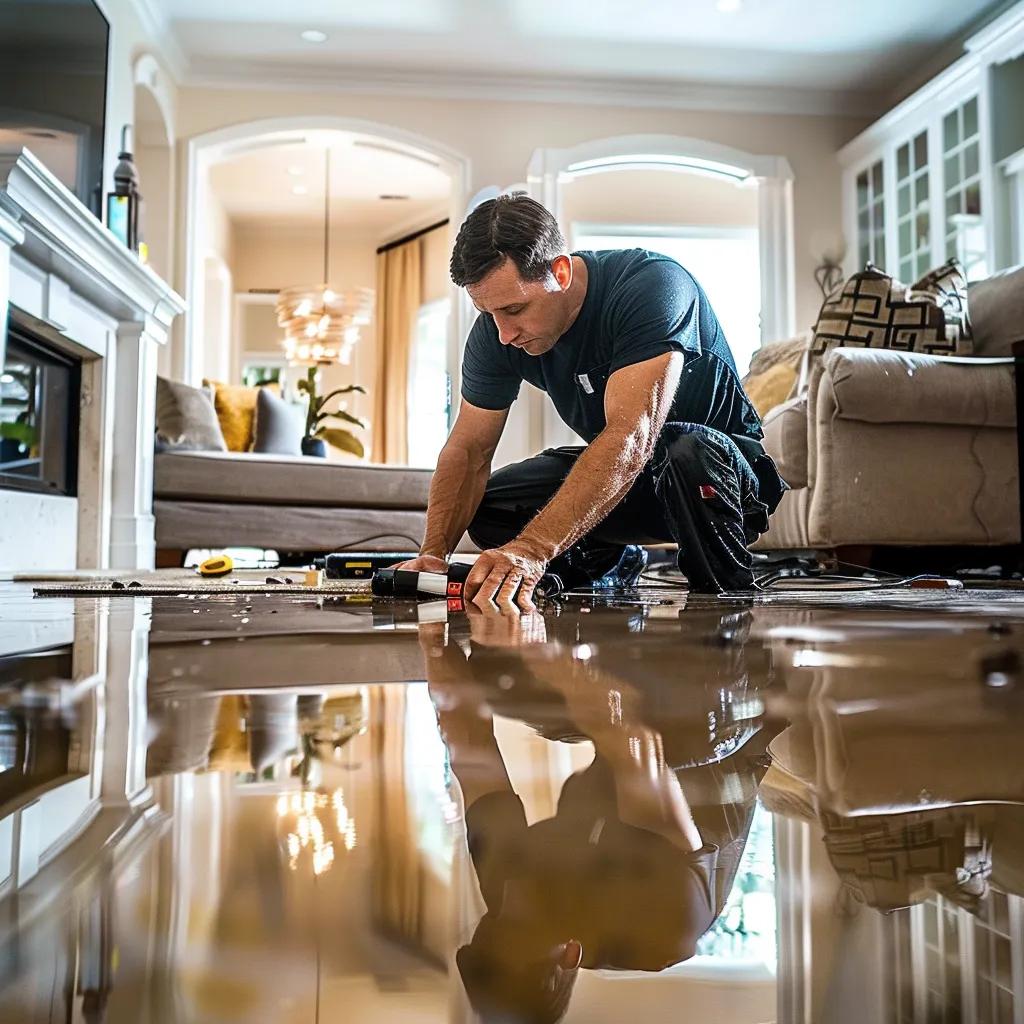
The Essential Water Damage Restoration Process Guide: Step-by-Step Water Damage Restoration Process Steps for Homeowners and Property Managers
Water damage restoration process steps define a critical sequence of actions that protect property integrity, occupant health, and long-term value. When floods, leaks, or sewage backflow compromise your home or commercial building in New York, prompt inspection, extraction, drying, sanitizing, and repair can prevent structural decay and mold outbreaks. This guide delivers expert insights into each restoration phase—assessment, emergency removal, extraction, drying, cleaning, mold control, and reconstruction—while weaving in how Restoration Experts supports homeowners, property managers, and insurers with rapid service, insurance facilitation, and certified solutions across Long Island, NYC, Suffolk, and Nassau. Read on to discover actionable procedures, equipment overviews, risk categories, insurance documentation tips, local emergency protocols, timeline expectations, preventative measures, and cost factors that empower informed decision-making and seamless recovery.
What Are the Key Steps in the Water Damage Restoration Process?
Water damage restoration is the professional recovery sequence that transforms wet, vulnerable structures into dry, safe, and fully repaired spaces. It unfolds in six essential stages: inspection, emergency water removal, professional extraction, structural drying and dehumidification, cleaning/sanitizing with mold prevention, and final repairs. Each phase employs specialized equipment and IICRC-aligned protocols to ensure complete recovery.
How Is Water Damage Assessed and Inspected?
Inspection begins immediately after contact to determine moisture extent and contamination levels. Certified technicians use thermal imaging cameras and moisture meters to locate hidden water pockets behind walls and under floors. They document affected areas, categorize water sources, and map damage severity to guide subsequent extraction and drying steps.
This precise assessment sets the foundation for targeted mitigation and links naturally to emergency removal procedures.
What Emergency Water Removal Techniques Are Used?

Emergency water removal focuses on rapid mitigation to minimize drywall saturation and structural warping. Technicians deploy portable pumps, submersible flood pumps, and industrial wet/dry vacuums to clear standing water within hours of arrival. Containment barriers like flood cuts or plastic sheeting isolate contaminated zones.
Prompt removal of pooled water in basements or living areas prevents secondary damage and prepares the site for thorough professional extraction.
How Does Professional Water Extraction Work?
Professional extraction uses high-capacity, truck-mounted pumps and commercial-grade vacuum systems to suction residual moisture from carpets, subfloors, and hard surfaces. Extraction wands and crevice tools ensure water is drawn from seams and corners. Restoration Experts technicians calibrate equipment flow rates to avoid over-saturation of adjacent materials.
Effective extraction reduces drying time by up to 50% and transitions seamlessly into structural drying.
What Are the Best Practices for Structural Drying and Dehumidification?
Structural drying employs axial air movers to circulate warm, dry air across walls and flooring, while refrigerant and desiccant dehumidifiers absorb ambient moisture. Technicians position equipment according to a psychrometric plan that balances temperature and relative humidity.
List of Drying Equipment and Purposes:
- Axial Air Movers for directed airflow and surface evaporation.
- Refrigerant Dehumidifiers for condensation removal at standard temperatures.
- Desiccant Dehumidifiers for low-temperature or high-humidity environments.
Positioning these tools correctly restores equilibrium in building materials, preventing mold colonization and completing the drying phase.
How Are Cleaning, Sanitizing, and Mold Prevention Handled?
After moisture removal, cleaning protocols eliminate contaminants and inhibit microbial growth. Technicians apply EPA-registered antimicrobial treatments on structural surfaces, use HEPA-filtered air scrubbers to capture spores, and disinfect plumbing fixtures. Contents restoration includes controlled water-damage cleaning for upholstery and valuables.
Thorough sanitization not only restores hygiene but also underpins subsequent repairs by ensuring surfaces remain mold-free.
What Does the Final Repair and Restoration Involve?
The final restoration phase reinstates building components to pre-loss condition. Tasks include drywall replacement, baseboard refitting, hardwood floor refinishing, and paint matching. Restoration Experts coordinates with licensed contractors and insurance adjusters to streamline repairs, managing timelines and budgets.
Completing this cycle fulfills the promise of full structural and aesthetic renewal, closing the loop on the water damage restoration process.
How Do You Identify and Categorize Different Types of Water Damage?
Identifying water damage types clarifies contamination risks and dictates safety protocols. Restoration Experts classifies water damage into three categories—clean, gray, and black water—each escalating in health hazard and remediation complexity.
| Entity | Attribute | Value |
|---|---|---|
| Category 1 Water | Contamination Level | “Clean water” from sinks, rain, or supply lines |
| Category 2 Water | Contamination Level | “Gray water” containing chemical or biological matter |
| Category 3 Water | Contamination Level | “Black water” with sewage, toxins, or pathogens |
Water Damage Categories and Health Risks
Water damage is categorized into three types based on contamination levels, each posing different health risks. Category 3, or “black water,” contains sewage, toxins, or pathogens, presenting significant health hazards and requiring strict safety protocols for remediation [1].
Restoration Industry Association (RIA), Water Damage Restoration Standard (2018)
This categorization is crucial for determining the appropriate safety measures and remediation strategies.
This table informs inspection priorities and connects directly to source identification and equipment selection.
What Are the Water Damage Categories and Their Risks?
Category 1 poses minimal health risk but can escalate if left untreated. Category 2 requires protective gear and rapid removal to avoid lateral spread of contaminants. Category 3 demands full PPE, containment, and disposal protocols due to bacterial and viral hazards.
Understanding category risks shapes the emergency removal and sanitization steps through tailored contamination controls.
How Does the Source of Water Affect Restoration Steps?
Burst pipes, roof leaks, and appliance failures deliver mostly clean water, enabling quicker restoration. In contrast, flooding and sewer backups introduce black water that requires demolition of porous materials and hazardous waste disposal. Restoration Experts adjusts methods—such as employing chemical disinfectants or removing insulation—to align with each water source’s contamination profile.
Correctly linking water sources to remediation strategies streamlines resource allocation and safety compliance.
Which Materials Are Most Affected by Water Damage?
Drywall and gypsum board absorb moisture rapidly, often necessitating cut-outs. Hardwood flooring can warp or buckle, demanding specialized drying frames or sanding. Carpets and padding trap water, spores, and odors, making extraction and deodorization critical. Understanding material vulnerabilities ensures the right intervention and protects structural integrity.
This material analysis informs repair steps and links back to the final restoration phase.
How Does Mold Remediation Fit into the Water Damage Restoration Process?
Mold remediation integrates directly after drying to eliminate any traces of microbial colonization before repairs commence. Certified mold remediation follows strict health and safety standards to safeguard occupants and preserve property value.
What Are the Protocols for Mold Remediation After Water Damage?

Remediation protocols begin with containment barriers, negative-pressure equipment, and HEPA-filtered air scrubbers to prevent cross-contamination. Technicians remove mold-infested materials, apply fungicidal treatments on structural surfaces, and verify spore counts with post-remediation clearance testing.
Mold Remediation Protocols
Mold remediation after water damage involves specific protocols to prevent the spread of contamination and ensure occupant safety. These protocols include containment barriers, negative-pressure equipment, and HEPA-filtered air scrubbers to remove mold-infested materials and apply fungicidal treatments [2].
Institute of Inspection, Cleaning and Restoration Certification (IICRC), S520 Standard and Reference Guide for Professional Mold Remediation (2015)
Following these protocols is essential for effective mold removal and preventing future health issues.
How Can Mold Growth Be Prevented After Water Intrusion?
Maintaining indoor relative humidity below 60% using dehumidifiers and HVAC controls stops mold spores from germinating. Antimicrobial sealants on drywall cavities and periodic microbial inspections by Restoration Experts further deter mold formation.
Proactive humidity management and surface treatments reinforce the hygienic environment established during sanitization.
What Health Hazards Are Associated with Mold and Contamination?
Mold exposure can trigger allergic reactions, respiratory issues, and toxic effects in sensitive individuals. Category 3 water damage carries pathogens that pose severe gastrointestinal and dermatological risks. Adequate PPE, air monitoring, and clearance certifications are essential to ensure occupant safety before re-entry.
Recognizing these hazards emphasizes the need for certified remediation and professional oversight.
What Should Property Owners Know About Navigating Water Damage Insurance Claims?
A smooth insurance claim process can significantly reduce out-of-pocket costs. Restoration Experts assists property owners in documenting damage, avoiding claim denials, and maximizing policy benefits.
How Do You Document Water Damage for Insurance Claims?
Effective documentation includes time-stamped photographs of affected areas, moisture readings logged during inspection, an itemized list of damaged possessions, and copies of professional estimates. Restoration Experts provides a comprehensive damage report—complete with thermal images and moisture charts—to support your claim.
This detailed evidence package expedites adjuster approvals and enhances recovery coverage.
What Are Common Pitfalls in Water Damage Insurance Claims?
Property owners often underdocument secondary damage, miss coverage for mold remediation, or misinterpret policy exclusions for seepage vs. sudden discharge. Claims can be delayed if repair estimates lack technical details or if contractors are not IICRC-certified.
Avoiding these pitfalls through expert guidance connects directly to smoother claim outcomes.
How Can Restoration Experts Assist with Insurance Claim Processes?
Our team liaises with insurance adjusters, submits documentation, clarifies scope of work, and negotiates on your behalf. We ensure all restoration steps— from emergency water removal to final repairs—are fully justified and covered under your policy’s dwelling and contents provisions.
This hands-on support relieves claim stress and accelerates funds release.
What Are Typical Costs and Coverage for Water Damage Restoration?
Restoration costs vary with damage category, square footage, and scope of repairs. Clean water removal may start at $2–3 per square foot, while black water mitigation and reconstruction can exceed $10 per square foot. Insurance often covers initial mitigation and structural repairs but may limit mold remediation unless directly tied to a covered loss.
Understanding these cost factors helps property owners plan budgets and leverage available coverage.
What Emergency Response Services Are Available for Water Damage in New York?
New York’s climate and aging infrastructure demand 24/7 emergency response. Restoration Experts delivers rapid, localized mitigation across Long Island, NYC, Suffolk, and Nassau counties.
How Does Rapid Emergency Water Removal Work in NYC and Long Island?
Our NYC and Long Island teams deploy within hours of your emergency call. Equipped with truck-mounted pumps and portable extractors, we clear high-risk water intrusions in basements and high-rise lobbies to prevent structural compromise and elevator shaft flooding.
This swift action minimizes downtime and connects immediately to our full restoration workflow.
What Specialized Water Damage Restoration Services Are Offered in Suffolk and Nassau Counties?
In Suffolk and Nassau, we offer waterproofing assessments, flood cut precision, and custom drying plans tailored to coastal humidity levels. Our partnership with local insurers ensures prompt authorization, while our regional knowledge of building codes guarantees compliant repairs.
These specialized services align with unique county regulations and environmental challenges.
How Are Commercial Water Damage Restoration Needs Addressed in New York?
For commercial properties, we design phased extraction and drying schedules to maintain partial business operations. Industrial air movers, desiccant dehumidifiers, and cargo-grade pumps handle large volumes, while project managers coordinate multiple stakeholders—from building engineers to tenants.
This commercial focus ensures minimal revenue disruption and full code compliance.
How Long Does the Water Damage Restoration Process Take?
Restoration timelines vary by damage severity, water category, and property size. Typical durations range from 3 days for extraction and drying to several weeks for complete reconstruction.
What Factors Influence Restoration Duration?
Severity of saturation, presence of black water, construction materials, and ambient conditions each affect restoration length. Buildings with extensive carpeted areas or porous insulation require longer drying cycles, while open commercial spaces allow faster air circulation.
These factors determine equipment needs and project scheduling.
What Is the Typical Timeline for Drying and Repair?
Drying generally completes in 48–72 hours under ideal conditions using high-efficiency air movers and dehumidifiers. Structural repairs—such as drywall replacement, flooring restoration, and paint—can extend the process by 1–3 weeks depending on permit requirements and material lead times.
Understanding this timeline aligns expectations and facilitates project planning.
What Equipment and Technology Are Used in Modern Water Damage Restoration?
Advances in restoration technology improve accuracy and efficiency. Key tools include moisture meters, thermal imaging cameras, dehumidifiers, air movers, and specialized extraction pumps.
How Do Moisture Meters and Thermal Imaging Aid Damage Assessment?
Moisture meters measure relative humidity and material moisture content, while thermal imaging cameras detect temperature variances indicating hidden water accumulations. Together, these tools ensure no damp area escapes detection, directing precise extraction and drying.
This technological pairing underpins accurate scope definition.
What Are the Roles of Dehumidifiers and Air Movers in Structural Drying?
Air movers generate high-velocity airflow across wet surfaces to accelerate evaporation. Dehumidifiers extract water vapor from the air—either via refrigeration coils or desiccant materials—maintaining optimal drying conditions. Coordinating both devices achieves balance between surface drying and ambient moisture control.
Their combined action prevents mold and structural distortion.
How Is Specialized Water Extraction Equipment Utilized?
Submersible pumps handle deep-water removal in flooded basements, while high-capacity wet/dry vacuums access carpeting and upholstery. Truck-mounted units deliver continuous suction rates up to 400 gallons per minute for large commercial jobs.
Selecting the right extraction tool optimizes efficiency and transitions seamlessly to drying.
What Are the Best Practices for Preventing Future Water Damage?
Preventative strategies reduce the likelihood of costly restoration. Regular maintenance, waterproofing solutions, and systematic inspections keep homes and commercial buildings safe from water intrusion.
How Can Homeowners Prevent Burst Pipes and Plumbing Failures?
Seasonal pipe insulation, annual plumbing inspections, and automatic shut-off valves minimize the risk of freeze damage and leaks. Installing leak detection alarms near water heaters and appliances provides early alert before major flooding occurs.
These proactive measures connect directly to reduced emergency response needs.
What Basement Waterproofing Solutions Are Effective in NYC?
Interior drainage systems, sump pumps with battery backup, and exterior foundation sealants keep basement water at bay. Applying waterproof coatings to cinderblock walls and installing French drains manage groundwater infiltration common in NYC’s rock and clay subsoils.
Tailoring waterproofing to local soil conditions ensures lasting protection.
How Can Property Managers Implement Ongoing Water Damage Prevention?
Property managers should schedule quarterly roof, gutter, and downspout cleanings, monitor humidity levels in common areas, and maintain insurance coverage for potential water losses. Partnering with Restoration Experts for routine moisture surveys and preventive maintenance contracts keeps properties in optimal condition year-round.
Consistent prevention reduces long-term restoration costs and tenant disruptions.
What Are the Most Frequently Asked Questions About Water Damage Restoration?
Property owners often ask for concise summaries of processes, DIY viability, cost expectations, and service triggers. Below are clear, actionable answers to the most common inquiries.
What Are the 5 Essential Steps of Water Damage Restoration?
- Emergency Inspection and Assessment
- Water Removal and Extraction
- Drying and Dehumidification
- Cleaning and Sanitization
- Repair and Reconstruction
These steps ensure a comprehensive path from damage discovery to full recovery.
Can I Dry Water Damage Myself or Should I Hire Professionals?
While small spills may be handled with household fans and towels, professional drying equipment, moisture monitoring, and mold prevention expertise are indispensable for moderate to severe damage. Certified technicians guarantee complete remediation and compliance with health standards.
Hiring experts like Restoration Experts mitigates hidden risks and ensures lasting results.
How Much Does Water Damage Restoration Typically Cost?
Costs range from $2–3 per square foot for minor clean water events to $10–15 per square foot when dealing with black water, mold remediation, and reconstruction. Final pricing reflects damage category, affected area size, and material restoration needs.
Understanding this cost spectrum helps homeowners budget effectively.
When Should I Contact Restoration Experts for Emergency Service?
Contact Restoration Experts immediately upon discovering standing water, visible mold growth, or structural sagging. Early intervention within 24–48 hours prevents escalated damage, microbial colonization, and higher restoration expenses. Rapid response ensures the best possible outcome for your property.
Rapid, expert-led restoration secures structural integrity, occupant health, and asset value after water incidents. Restoration Experts combines local knowledge of New York regulations with certified equipment and insurance support to deliver seamless recovery across Long Island, NYC, Suffolk, and Nassau. By understanding the key process steps—from assessment through final repairs—you empower proactive prevention and swift remediation. Reach out to Restoration Experts today to schedule an emergency service or request a detailed insurance-friendly restoration quote.