
July 26, 2025
Your Guide to Basement Water Damage Repair Best Practices
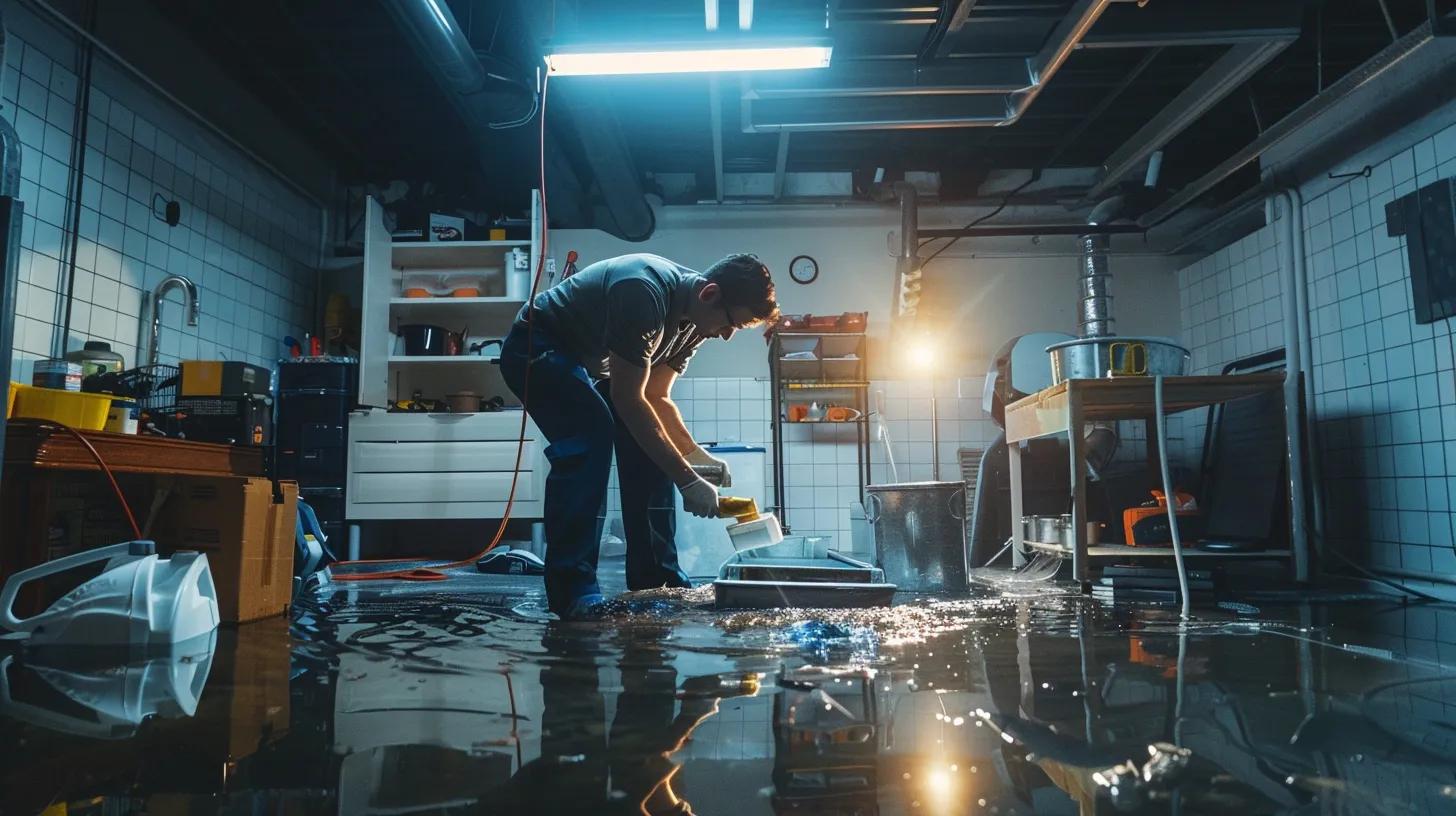
Basement Water Damage Repair: How to Identify, Fix, and Prevent Water Issues
Basement water damage is a significant issue for property owners, often leading to structural deterioration, mold growth, and expensive repairs. In many homes, water intrusion can result from environmental factors or construction flaws. This guide explores the common causes of basement water damage, key signs to watch for, effective waterproofing methods, repair services, and practical DIY fixes. Homeowners, property managers, and insurance professionals in areas like New York, Long Island, and NYC will find clear, actionable advice to prevent costly repairs and maintain the integrity of their basements. For additional expert advice on comprehensive repair and waterproofing solutions, visit restorationexperts.com.
What Are the Common Causes of Basement Water Damage?
Basement water damage is a prevalent issue that homeowners often face, and understanding its common causes can help in preventive measures. One of the primary culprits is heavy rainfall and poor drainage systems. When excessive rain falls, it can overwhelm standard drainage solutions, causing water to accumulate around the foundation of the home. This situation is exacerbated by soil saturation, which can lead to hydrostatic pressure—or the buildup of water pressure against basement walls. This pressure can push water through any existing cracks or fissures in the foundation, leading to significant water intrusion.
Another significant factor is faulty gutters and downspouts. When gutters are clogged or misaligned, water cannot flow away from the roof and foundation as intended. Instead, it spills over the sides and pools around the basement, creating a pathway for moisture to seep in. Moreover, plumbing leaks from pipes or appliances housed in the basement can also contribute to water damage. Even small leaks, if left unaddressed, can accumulate over time and create an environment conducive to mold growth and structural deterioration. By being aware of these common causes, homeowners can take proactive measures to protect their basements from potential water damage.
How Do Foundation Cracks Lead to Water Damage?
Foundation cracks, caused by soil movement, freeze-thaw cycles, or structural stress, allow rain or groundwater to seep into the basement. This water weakens the foundation over time. Repair typically involves sealing the cracks with epoxy or polyurethane injections and may require additional waterproofing measures for lasting protection.
Can Plumbing Leaks Cause Basement Flooding?
Plumbing leaks, whether slow or sudden, contribute to basement water damage. Even a small leak can create damp conditions that promote mold growth and weaken drywall. In severe cases, a burst pipe may cause rapid flooding. Regular inspections and monitoring water bills, along with leak sensors, help identify plumbing issues early.
How Does Poor Drainage Affect Basement Moisture?
When soil is not graded away from the house or gutters and downspouts are blocked, water accumulates near the foundation. Elevated soil moisture increases hydrostatic pressure on basement walls, forcing water through cracks and porous materials. Ensuring proper grading, clean gutters, and well-extended downspouts is essential to reduce water pressure.
What Role Does Condensation Play in Basement Water Problems?
Condensation occurs when warm, humid air meets cold surfaces like basement walls or pipes. This moisture buildup, exacerbated by inadequate insulation or ventilation, can create ideal conditions for mold growth. Using dehumidifiers, improving insulation, and enhancing ventilation helps control condensation and protect basement finishes.
What Are the Key Signs of Water Damage in Basements?
Water damage in basements can be a serious issue for homeowners, often leading to structural problems and health hazards if left unaddressed. One of the most noticeable signs of water damage is the presence of dampness or moisture on walls and floors. Homeowners may observe discoloration, peeling paint, or bubbling wallpaper caused by moisture seeping through the foundation. Additionally, excessive humidity levels can create a musty odor, indicative of mold growth. This persistent smell is a clear sign that water damage may have occurred, prompting further investigation to identify the source of the dampness.

Early detection is critical. Recognizing subtle signs of water intrusion can prevent extensive damage.
How to Detect Musty Odors and Mold Growth?
A musty odor is often the first indication of water damage due to mold and mildew. Visible mold, appearing as dark patches or speckled growth on walls, ceilings, or insulation, should prompt an inspection. Identifying and addressing the moisture source immediately can prevent further mold spread, sometimes requiring professional remediation.
What Do Water Stains and Efflorescence Indicate?
Water stains—dark discolorations or diffuse patches on walls and floors—suggest current or past water intrusion. Efflorescence, the white, powdery residue on masonry, occurs when water evaporates and leaves salts behind. Though cosmetic at first, both signs indicate water movement that may weaken surfaces over time.
How Can You Spot Hidden Basement Water Damage?
Not all damage is visible. Warped floors, bubbles in paint, or unexplained humidity changes can indicate hidden water damage behind walls or under flooring. Tools like moisture meters and infrared cameras assist in detecting these areas, making regular inspections crucial.
Which Basement Waterproofing Solutions Are Most Effective?
When it comes to safeguarding a home against water intrusion, effective basement waterproofing solutions play a critical role. The most common methods include interior sealing, exterior drainage systems, and sump pump installations. Interior sealants are often a first line of defense, providing a protective barrier on basement walls and floors. These water-resistant coatings can prevent minor moisture from seeping in, though they are typically not a permanent solution for serious leaks. Homeowners should consider their specific basement conditions, as reliance on sealants alone may not adequately address more significant water issues stemming from external sources. In contrast, exterior waterproofing strategies, such as installing French drains or drainage tiles, focus on diverting water away from the foundation before it can penetrate the basement. This proactive approach is often more effective in preventing leaks, as it tackles the problem at its source.
What Is Interior Waterproofing and How Does It Work?
Interior waterproofing applies sealants, membranes, or coatings to basement walls and floors to create a barrier against moisture. Often combined with sump pump installations and dehumidifiers, it reduces moisture levels. While cost-effective, it may not fully address external water pressure issues.
How Does Exterior Waterproofing Protect Your Basement?
Exterior waterproofing prevents water from reaching the foundation by excavating around the home, applying waterproof membranes to exterior walls, and installing drainage systems such as French drains. Although more invasive and costly, this method addresses the root cause of water infiltration. Proper landscaping and gutter maintenance further enhance its effectiveness.
When Should You Consider French Drains for Waterproofing?
French drains consist of perforated pipes in a gravel-filled trench that collect and redirect water away from the foundation. They are particularly useful when wet soil or minor flooding frequently occurs. Often used with other waterproofing strategies, French drains help relieve hydrostatic pressure.
How Does Sump Pump Installation Prevent Water Damage?
A sump pump, installed in a basement sump basin, removes accumulated water, directing it away from the home. It is especially valuable during heavy rainstorms or rapid snowmelt. Regular maintenance, including battery checks and cleaning, ensures the pump works reliably to prevent water buildup and subsequent structural damage.
How Is Mold Removal Handled in Basements After Water Damage?
Mold removal in basements after water damage requires a systematic and thorough approach to ensure both safety and effectiveness. After an incident involving excess moisture, such as flooding or a significant leak, it is crucial to address any signs of mold growth as quickly as possible. The process typically begins with an assessment of the affected area. Professionals will often inspect the basement to determine the extent of water damage and identify areas where mold may have taken root. This thorough evaluation includes checking behind walls and in hidden corners, as mold spores thrive in damp, dark environments, often escaping the naked eye.

Mold poses serious health risks and can deteriorate property if not promptly managed.
What Does a Professional Mold Inspection Include?
A comprehensive mold inspection uses moisture meters, infrared cameras, and air sampling devices to detect visible and hidden mold. The resulting report outlines the mold’s extent, potential health risks, and recommended remediation steps, allowing for targeted treatment.
How Does Mold Remediation Work Step-by-Step?
Mold remediation involves isolating the affected area, removing contaminated materials, and cleaning surfaces with antifungal and antimicrobial solutions. After thorough drying with dehumidifiers and air movers, repairs such as caulking or re-patching drywall are completed. This process, performed with proper protective equipment, helps prevent future mold outbreaks.
What Are the Best Practices to Prevent Mold Growth?
Maintaining a low-humidity environment is key. Homeowners should monitor basement humidity levels (ideally below 50%), use dehumidifiers, ensure proper ventilation, and fix leaks immediately. Using mold-resistant materials during renovations and applying sealants can further protect the space, with periodic professional inspections to catch early signs.
What DIY Basement Water Damage Fixes Can Homeowners Try?
When faced with basement water damage, homeowners may feel overwhelmed by the potential for extensive repairs and costly remediation. However, several DIY fixes can mitigate the damage and prevent future water issues. To start, homeowners should first assess the source of the water intrusion. Common culprits include roof leaks, poor drainage, and cracked foundations. Identifying and addressing these sources through repairs or improvements is crucial. For instance, homeowners can repair minor cracks in concrete walls and floors using hydraulic cement, which expands as it cures, effectively sealing the gaps against future water breaches.
Once the source is dealt with, it’s vital to dry out the affected area thoroughly to prevent mold growth. Homeowners can employ a combination of dehumidifiers, fans, and natural ventilation to lower humidity levels and promote air circulation. For smaller areas of water damage, the use of absorbent materials such as towels or mops can help remove standing water. Additionally, treating the area with a mixture of water and white vinegar can effectively combat mold and mildew, thanks to vinegar’s natural antimicrobial properties. Homeowners should also consider investing in waterproofing products or sealants for future prevention. With these DIY strategies, homeowners can take proactive steps to manage basement water damage and safeguard their homes against future issues.
How to Safely Extract Water From a Wet Basement?
In a minor flood, use a wet/dry vacuum to remove water, ensuring all electrical devices are disconnected and outlets are covered. For larger volumes, renting a pump may be necessary. After extraction, fans, dehumidifiers, and open windows (weather permitting) help dry the area while wearing protective clothing.
What Are the Best Methods to Dry Out a Basement?
Start by correcting the moisture source. Use high-powered fans, dehumidifiers, and portable air movers to evenly circulate air and evaporate residual moisture. Monitoring moisture levels with a hygrometer helps determine when the basement is fully dry.
How Should You Clean and Sanitize After Water Damage?
After drying, clean surfaces with detergent and water, then use a bleach solution to kill mold and bacteria. Discard porous, water-damaged materials like carpet padding and ceiling tiles. Be sure to clean hard-to-reach areas and reapply mold inhibitors if necessary.
What DIY Waterproofing Tips Can Help Prevent Future Damage?
Seal small cracks with quality epoxy or polyurethane sealants and apply a waterproof coating over interior surfaces. Install window well covers and ensure door sweeps are fitted correctly. Regularly check gutters and downspouts to keep them free of debris and ensure they direct water away from the foundation.
How to Choose the Best Sump Pump for Your Basement?

A sump pump is essential for effective water management in basements.
What Are the Different Types of Sump Pumps?
There are two main types: • Submersible sump pumps – installed in the sump pit, they work underwater with a sealed design. • Pedestal sump pumps – with the motor mounted above the pit, these are easier to service but tend to be noisier. Choosing the right type depends on water volume, available space, and noise considerations.
Which Features Should You Look for in a Sump Pump?
Look for a pump with sufficient horsepower, a reliable auto-activation switch, and a battery backup for power outages. Energy efficiency and ease of maintenance are also important factors. High-quality, durable models typically offer better long-term reliability.
How Is a Sump Pump Properly Installed and Maintained?
Proper installation involves selecting the right location in the lowest part of the basement and ensuring the sump pit is appropriately sized. Professional installation helps guarantee a level, stable setup with a discharge system that directs water away from the house. Regular inspections, cleaning out debris from the pit, and periodic testing by pouring water into the sump ensure continued effectiveness.
Why Choose Professional Basement Water Damage Repair Services?
When it comes to dealing with basement water damage, the stakes can be high. Homeowners may face not only structural issues but also potential health risks from mold and mildew growth. Choosing professional basement water damage repair services is crucial for several reasons. Firstly, these experts come equipped with advanced tools and techniques designed to effectively identify the source of water intrusion. They can perform thorough inspections, allowing them to address underlying problems that an untrained eye might easily overlook. This comprehensive approach ensures that repairs are not just superficial, but rather focus on long-term solutions that protect the home and its occupants.
Moreover, professional services typically offer a team of trained technicians who possess extensive experience in managing water damage scenarios. They not only know how to mitigate the immediate issues but also understand how to prevent future occurrences. In addition to repairs, professionals can provide valuable advice on proper drainage systems and waterproofing techniques, enhancing the overall resilience of the basement against water-related problems. By entrusting the repair process to skilled specialists, homeowners can save time, reduce stress, and ultimately safeguard their property, making it a wise investment both for the present and for future peace of mind.
What Are the Benefits of Hiring Certified Technicians?
Certified technicians possess the training and tools to accurately diagnose the source of moisture—including hidden leaks—and repair damage thoroughly. Their use of advanced equipment like moisture meters and thermal imaging cameras, along with adherence to industry standards, helps ensure a comprehensive repair that addresses both visible damage and underlying issues.
How Do Warranties and Guarantees Protect Homeowners?
Many professional services offer warranties and satisfaction guarantees that cover repair work and include follow-up inspections. These assurances help reduce the risk of unexpected future expenses, serve as support for insurance claims, and provide homeowners with peace of mind knowing that the repairs are backed by a reputable guarantee.
How Can Professionals Coordinate With Insurance Companies?
Experts not only repair damage but also assist with insurance claims. They document the extent of the damage using advanced imaging and detailed reports and work with insurance companies to streamline the claim process. This coordination helps minimize financial disruption and increases the likelihood of full reimbursement for repairs.
Frequently Asked Questions
Q: What immediate steps should I take after detecting basement water damage?
A: Identify the water source, extract any standing water safely using a wet/dry vacuum or pump, then dry the area with fans and dehumidifiers. Finally, inspect for structural or material damage and consult professionals if needed.
Q: How often should I inspect my basement for water damage signs?
A: Perform a thorough inspection at least once a year, and check more often after heavy rainstorms or during seasonal changes. Regular visual inspections and humidity monitoring can help catch early signs of damage.
Q: Can I handle minor water damage repair on my own?
A: Yes, minor repairs such as sealing small cracks, using waterproof paints, and ensuring proper ventilation can be DIY projects. However, significant damage, persistent leaks, or mold issues should be handled by professionals.
Q: What type of sump pump is best for preventing basement flooding?
A: The best pump depends on your basement’s needs. Submersible pumps are favored for quiet, efficient operation, while pedestal pumps are easier to service. Look for models with reliable auto-activation, battery backup, and a proven track record.
Q: How can professional waterproofing services improve long-term basement health?
A: They address the root causes by applying exterior membranes, installing effective drainage systems like French drains, and using high-quality interior sealants. These measures prevent recurring damage, reduce mold risk, and enhance structural stability.
Q: Do waterproof coatings and sealants require frequent reapplication?
A: High-quality coatings can last five to ten years, but regular inspections are recommended. Reapply as soon as signs of wear appear to maintain an effective moisture barrier.
Q: What role does proper landscaping play in basement waterproofing?
A: Proper landscaping, including grading soil to slope away from the house and maintaining clean gutters and extended downspouts, helps direct water away from the foundation. This, along with drainage systems such as French drains, reduces hydrostatic pressure and protects basement walls.
Final Thoughts
Basement water damage repair requires a balanced approach combining proper diagnosis, effective waterproofing, professional restoration, and routine maintenance. By understanding the causes—from foundation cracks and plumbing leaks to poor drainage and condensation—and noting early signs of water damage, homeowners can proactively protect their property. Effective solutions such as installing sump pumps, applying both interior and exterior waterproofing, and ensuring proper mold remediation are essential. Ultimately, a blend of DIY upkeep and professional expertise creates a robust defense against water damage, ensuring the safety and longevity of your basement and home.