
October 29, 2025
Understanding the Water Damage Restoration Process Steps
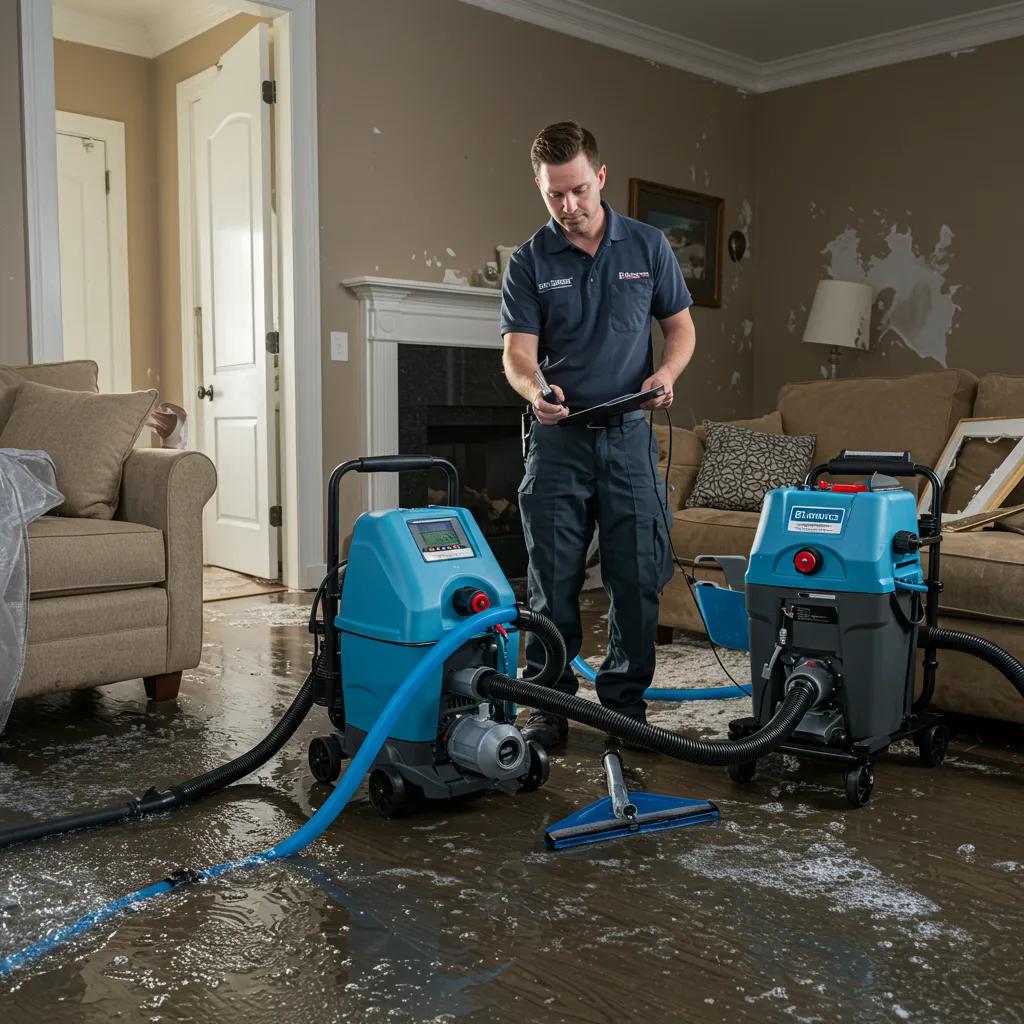
Water Damage Restoration Steps: A Complete Guide to the Cleanup and Repair Process
Water damage restoration process steps can determine how quickly a flooded property returns to safe, habitable condition and avoid escalating repair costs. Each stage—from initial inspection to final reconstruction—addresses specific risks such as structural weakening, microbial growth, and lingering odors. This guide explains why a systematic approach matters, outlines the core phases of water extraction, drying, cleaning, and rebuilding, and highlights how Restoration Experts’ end-to-end service in New York provides rapid emergency response, insurance claim facilitation, and local expertise. You will learn:
- The five key cleanup stages and their benefits
- How to act immediately and engage 24/7 emergency support
- Why categorizing water quality shapes treatment methods
- Advanced drying techniques and moisture monitoring
- Tips for navigating insurance claims and mold remediation
- Regional challenges from coastal flooding to aging infrastructure
What Are the Key Steps in the Water Damage Cleanup Process?
A structured water damage cleanup process ensures that assessment, extraction, drying, cleaning, sanitizing, and reconstruction work together to restore safety and functionality. During assessment technicians use moisture meters and thermal imaging to determine damage extent, which informs rapid water removal and targeted drying strategies to prevent mold and structural decay. By following these water damage restoration process steps, homeowners and managers minimize health risks and long-term repair costs while laying the foundation for a smooth insurance claim.
To break down this end-to-end service into actionable phases, consider the following five primary stages:
- Inspection and Assessment – Identify water source, contamination level, and safety hazards.
- Water Extraction and Removal – Deploy pumps and vacuums to remove standing water.
- Drying and Dehumidification – Use industrial dehumidifiers and air movers to reduce moisture.
- Cleaning and Sanitizing – Apply antimicrobial treatments and odor-removal protocols.
- Repair and Reconstruction – Restore structural elements, replace materials, and finish surfaces.
Each phase builds on the previous step to ensure a thorough restoration plan, beginning with an accurate assessment that guides both extraction and drying efforts.
How Is Water Damage Assessed and Inspected?
Water damage assessment defines the scope of restoration by identifying intrusion points, contamination categories, and structural integrity concerns. Restoration Experts’ technicians perform a room-by-room evaluation using moisture meters, hygrometers, and thermal cameras to detect hidden dampness behind walls and under floors. By categorizing water as clean, grey, or black, they establish safety protocols and determine appropriate cleanup methods.
Inspection tasks include:
- Evaluating moisture levels in building materials
- Locating the source of water infiltration
- Assessing the condition of structural components
- Documenting contamination risks for insurance documentation
Accurate assessment promotes targeted extraction and drying strategies, which in turn accelerate recovery. Understanding the damage profile directly informs the choice of water removal techniques.
What Methods Are Used for Water Extraction and Removal?

Water extraction removes pooling water quickly to reduce saturation and prevent structural weakening. High-capacity submersible pumps lead the process by evacuating hundreds of gallons per minute, while portable wet/dry vacuums tackle localized damp spots. Rapid extraction supports faster drying and limits microbial proliferation.
Key water removal techniques include:
- Submersible Pumps for deep flooding in basements or commercial spaces
- Truck-Mounted Extractors for continuous, high-volume water removal
- Portable Wet/Dry Vacuums for carpets and low-lying areas
- Extraction Wands to lift moisture from floor coverings
Efficient extraction dramatically lowers residual moisture, setting the stage for effective dehumidification and preventing mold growth in the next phase.
Why Is Drying and Dehumidification Essential After Water Removal?
Drying and dehumidification complete moisture reduction by extracting water vapor from the air and materials, which halts mold development and structural damage. Industrial dehumidifiers lower relative humidity while air movers generate high-velocity airflow across wet surfaces. This combined mechanism accelerates evaporation and prevents hidden damp spots that could compromise indoor air quality.
By controlling humidity levels below 45 percent, drying equipment preserves building components and supports reconstruction schedules. Effective dehumidification also reduces odor-causing mold spores, ensuring a healthier environment for occupants. With moisture under control, technicians can proceed confidently to cleaning and sanitizing.
How Are Cleaning and Sanitizing Performed After Water Damage?
Cleaning and sanitizing remove contaminants carried by floodwater and eliminate bacterial or fungal threats to indoor air quality. Technicians apply EPA-registered disinfectants and antimicrobial foams to surfaces and structural cavities. Specialized odor-removal agents neutralize volatile compounds, restoring a fresh living environment.
This phase involves:
- Debris Removal of wet insulation, damaged drywall, and saturated flooring
- Antimicrobial Application across wood, concrete, and metal substrates
- Odor Control Treatments using hydroxyl generators or carbon filtration
Thorough cleaning prevents health hazards and readies the property for reconstruction, linking directly to the restoration of structural integrity and aesthetics.
What Does the Repair and Reconstruction Phase Involve?
Repair and reconstruction restore walls, floors, and ceilings to their original condition, ensuring that structural elements meet safety and usability standards. Once drying and cleaning are complete, contractors replace damaged drywall, install new flooring, and reinforce compromised framing. Finishing touches include painting surfaces and reinstalling trim to match existing design.
This stage encompasses:
- Framing repairs and joist reinforcement
- Drywall installation and taping
- Flooring replacement or refinishing
- Fixture reinstallation and cosmetic finishing
Successful reconstruction relies on precise moisture readings and thorough documentation from earlier steps, culminating in a seamless return to pre-damage condition.
How Does Emergency Water Damage Response Minimize Property Loss?
Immediate action following water intrusion can prevent escalating damage and mold development. Restoration Experts provides 24/7 emergency response throughout New York, deploying certified technicians and rapid-response teams within hours of a call. This urgent mobilization curbs moisture penetration, limits structural swelling, and safeguards valuable contents.
By securing the scene, shutting off water sources, and initiating extraction, emergency response teams reduce both visible and hidden damage. Rapid mitigation preserves more of the original structure and contents, lowering repair costs and expediting full recovery.
What Should You Do Immediately After Discovering Water Damage?
First, ensure personal safety by turning off electricity and avoiding contact with contaminated water. Next, stop the source if possible—whether shutting off a burst pipe or redirecting roof runoff. Document damage with photographs and notes for insurance purposes, then call a certified restoration provider to begin professional mitigation.
Prompt homeowner action supports quicker emergency intervention and reduces secondary damage. Taking these steps secures the space for arriving technicians and helps streamline the claim process.
How Does Restoration Experts Provide 24/7 Emergency Services in New York?
Restoration Experts maintains local crews across Long Island, New York City, Suffolk, and Nassau counties to guarantee around-the-clock availability. With strategically located vehicles stocked with pumps, extractors, and drying equipment, teams respond rapidly to minimize downtime. Certified by leading industry standards, technicians apply protocols that meet or exceed guidelines for health and safety.
This regional readiness ensures that emergency response arrives promptly, addressing flooded basements, burst pipes, or storm-related flooding without delay and preventing further property loss.
How Does Quick Action Prevent Mold Growth and Further Damage?
Visible water can evaporate in days, but residual moisture trapped in building materials can fuel mold colonies within 24–48 hours. Immediate drying and dehumidification interrupt the mold life cycle by depriving spores of the humidity needed to germinate. Early extraction and cleaning remove spores carried by contaminated water, reducing health risks and odor.
By curbing microbial proliferation at the outset, restoration teams safeguard indoor air quality and protect occupants from respiratory hazards. This proactive mold prevention sets the stage for safe reconstruction.
How Is Water Damage Categorized and Why Does It Matter?
Categorizing water damage into clean, grey, and black classifications determines safety protocols, cleaning solutions, and disposal methods. Clean water poses minimal health risk, grey water contains some contaminants, and black water carries pathogens. Recognizing these categories guides technicians to select appropriate personal protective equipment, disinfectants, and waste-handling procedures.
Accurate categorization improves efficiency and ensures compliance with health regulations, directly influencing the restoration strategy and timeline.
What Are the Differences Between Clean, Grey, and Black Water?
Water contamination categories reflect the health risks and necessary safety measures for cleanup crews and occupants. The table below outlines key attributes of each category:
| Category | Contaminants | Cleanup Protocol |
|---|---|---|
| Clean Water | Source: domestic supply | Rapid extraction and standard drying methods |
| Grey Water | Soap, food particles, minor debris | Protective gear, antimicrobial treatment |
| Black Water | Sewage, flood runoff, pathogens | Full containment, hazardous waste disposal |
The classification of water damage is crucial for determining the appropriate safety measures and cleanup strategies, as outlined in this review of UK property remediation.
Water Damage Restoration and Remediation: A UK Property Review
This paper provides a comprehensive review of water damage restoration, structural drying and remediation of damp issues in UK properties. It covers the causes and types of water damage, including flooding, leaks and dampness, and explores the principles and methods of effective restoration and remediation.
Water damage restoration, structural drying and remediation of damp issues in UK properties, 2024
How Does Damage Category Affect the Restoration Process?
Damage category shapes every restoration decision—from inspection safety measures to disposal of affected materials. Clean water incidents allow for standard drying and rebuilding, while grey and black water events demand advanced disinfection, sealed waste bags, and controlled air filtration. Insurance adjusters use these categories to determine coverage and claims validity.
Clear categorization accelerates the planning phase, so technicians can deploy right-sized equipment and plan for regulated disposal of hazardous materials without delays.
How Is Structural Integrity Assessed During Inspection?
Assessing structural integrity involves checking load-bearing elements, joists, and support beams for warping or weakening. Technicians look for swelling in wood components, soft spots in drywall, and corrosion in metal fasteners. Any compromised framing or sheathing is tagged for repair or replacement.
Accurate structural evaluation ensures safety before commencing extraction and drying, and it establishes the scope of reconstruction needed to restore full stability.
What Are the Best Techniques for Drying and Dehumidifying Water-Damaged Properties?

Effective drying and dehumidification combine equipment selection, airflow management, and continuous monitoring to eliminate both free and bound moisture. Industrial dehumidifiers extract water vapor from the air, while high-velocity air movers channel moisture toward these units. Strategic placement of equipment accelerates evaporation on all wet surfaces.
By maintaining relative humidity below critical thresholds, technicians prevent secondary damage. Continuous data logging ensures that drying goals are met before repairs begin.
How Do Industrial Dehumidifiers and Air Movers Work?
Industrial dehumidifiers condense water vapor by cooling incoming air across refrigerated coils, then collect liquid in tanks or drain it directly. Air movers create directed airflow that breaks the boundary layer of moisture on surfaces, promoting faster evaporation. Together, they restore humidity levels to safe parameters.
| Equipment Type | Primary Function | Mechanism | Why Essential |
|---|---|---|---|
| Industrial Dehumidifier | Lower relative humidity | Refrigeration coils condense vapor | Prevents mold growth by reducing airborne moisture |
| Air Mover | Accelerate evaporation | High-velocity airflow | Exposes wet surfaces to dehumidifiers and speeds drying |
What Role Does Moisture Monitoring Play in Effective Drying?
Moisture monitoring uses calibrated meters and thermal imaging to verify that building materials reach acceptable dryness levels. Hygrometers track ambient humidity, while pin and non-contact meters measure moisture content in wood, drywall, and concrete. Real-time data guides repositioning of equipment and validates when drying goals are complete.
Accurate monitoring prevents over-drying that can warp materials and ensures safe conditions for reconstruction crews.
How Long Does the Drying Process Typically Take?
Drying duration depends on factors such as water volume, material porosity, ambient temperature, and equipment capacity. Light-to-moderate water intrusion in residential spaces often dries within 24–72 hours with proper equipment. Severe flooding in basements or commercial properties may require multiple days of continuous operation.
Understanding site-specific variables allows Restoration Experts to estimate timelines, communicate expectations, and schedule reconstruction without risking lingering moisture.
How Can Homeowners Navigate Water Damage Insurance Claims in New York?
Filing water damage insurance claims requires clear documentation, timely submission, and knowledgeable liaison with insurance adjusters. Restoration Experts assists clients throughout this process by compiling detailed reports, photographing damage, and providing scope estimates. Professional involvement streamlines approvals and maximizes claim recovery.
Expert claim support reduces administrative burden and helps homeowners and property managers secure fair compensation.
What Documentation Is Needed for Filing a Water Damage Claim?
To file a claim, policyholders gather:
- Photographs of damage before and after mitigation
- Inspection and inventory reports from certified professionals
- Receipts for emergency mitigation services and temporary accommodations
- Detailed estimate of repair and reconstruction costs
Comprehensive documentation substantiates the extent of loss and facilitates faster claim resolution, allowing restoration work to proceed without financial delays.
How Does Restoration Experts Assist With Insurance Companies?
Restoration Experts acts as a liaison between clients and insurers by submitting inspection reports, cost estimates, and daily progress logs. Technicians follow industry standards for documentation, ensuring that adjusters receive clear evidence of damage category, drying reports, and material replacement needs. This support accelerates approvals and reduces the risk of claim denial.
By coordinating with insurers, the company helps property owners focus on restoration rather than paperwork.
What Are Common Challenges in Water Damage Insurance Claims?
Insurance claims often face delays due to incomplete documentation, disputed damage categories, or complex policy language. Grey and black water events may trigger higher scrutiny, requiring more rigorous proof of contamination and disposal costs. Additionally, variations in regional regulations across New York can affect coverage interpretation.
Working with experienced restoration professionals mitigates these challenges through consistent reporting and clear communication with all parties.
How Is Mold Remediation Handled After Water Damage?
Mold remediation addresses both visible colonies and hidden spores in building cavities, ensuring long-term air quality and health safety. Certified technicians establish containment barriers, deploy HEPA-filtered air scrubbers, and apply targeted biocides. Post-remediation clearance testing confirms that indoor environments meet mold-free standards.
Effective mold removal prevents recurring infestations and supports durable restoration.
Where Does Mold Usually Grow After Water Damage?
Mold thrives in damp, dark, and poorly ventilated areas such as behind drywall, under carpeting, and inside ceiling cavities. Organic materials—wood framing, wallpaper glue, and insulation—provide nutrients that promote rapid fungal growth. Identifying these hotspots early prevents extensive infestation.
Locating mold growth informs containment strategies and directs remediation efforts precisely where spores concentrate.
What Are the Steps for Effective Mold Inspection and Removal?
- Containment – Seal off affected zones using plastic barriers and negative-pressure systems.
- Air Filtration – Run HEPA air scrubbers to capture airborne spores.
- Surface Removal – Remove and dispose of contaminated materials in sealed bags.
- Cleaning and Biocide Application – Clean exposed surfaces and apply antifungal treatments.
- Post-Remediation Testing – Conduct clearance tests to verify spore counts are within safe limits.
This thorough protocol eliminates active colonies and restores indoor air quality, enabling secure reconstruction.
The successful remediation of moisture and mold issues relies heavily on meticulous monitoring and effective moisture control, as demonstrated in various building restoration case studies.
Moisture and Mold Remediation: Case Studies in Building Restoration
This paper presents seven case studies on the monitoring of moisture and mold damaged buildings. It discusses the success of remediation efforts, including technical monitoring of performance and the repair process, particularly when remediation involves moisture control.
Monitoring success of remediation: seven case studies of moisture and mold damaged buildings, U Haverinen-Shaughnessy, 2008
How Can Mold Growth Be Prevented During Restoration?
Preventive measures include maintaining humidity below 45 percent, using antimicrobial additives in cleaning solutions, and ensuring adequate ventilation in newly rebuilt spaces. Installing moisture sensors in concealed areas provides early warnings, allowing technicians to address leaks before mold establishes. Regular monitoring after restoration preserves a mold-resistant environment.
Implementing these practices alongside standard drying techniques strengthens long-term protection against fungal recurrence.
What Local Factors Affect Water Damage Restoration in New York?
Regional climate, infrastructure age, and regulatory requirements influence restoration strategies across New York’s diverse communities. Coastal flooding in Long Island demands robust water-intrusion barriers, while the aging pipes and masonry of New York City buildings require specialized corrosion-resistant equipment. In Suffolk and Nassau counties, restoration teams navigate local permit processes and environmental guidelines.
Adapting to these local factors ensures compliance and optimizes recovery outcomes for residential and commercial clients alike.
How Does Coastal Flooding Impact Long Island Properties?
Coastal properties face saltwater intrusion that accelerates corrosion in structural metals and promotes microbial growth. Restoration Experts employs specialty pumps and materials rated for saline conditions, along with corrosion inhibitors to protect plumbing and HVAC systems. Salt-resistant rebuilding materials prevent long-term deterioration in flood-prone zones.
Addressing these unique challenges preserves property value and structural integrity in seaside communities.
What Are the Common Water Damage Issues in NYC’s Aging Infrastructure?
In New York City’s historic buildings, cast-iron pipes and founding-era brickwork can leak and trap moisture within walls. Technicians use non-invasive moisture mapping and drill small weep holes to drain concealed pockets. Reinforced drying protocols protect sheetrock and lath from crumbling, while structural engineers guide load-bearing repairs.
Customized solutions for aging infrastructure reduce service interruptions and align with landmark preservation standards.
How Does Restoration Experts Adapt Services for Suffolk and Nassau Counties?
In Suffolk and Nassau counties, local regulations govern wastewater disposal and environmental permits for contaminated materials. Restoration Experts collaborates with regional authorities to secure necessary approvals and uses licensed disposal contractors for hazardous waste. Technicians follow county guidelines for noise, dust control, and work-hour restrictions, ensuring minimal community disruption. Aligning restoration workflows with local rules accelerates project completion and maintains good standing with municipal agencies.
Restoration Experts delivers a cohesive restoration journey by integrating accurate assessment, rapid extraction, advanced drying, thorough sanitation, and expert reconstruction. This structured approach minimizes downtime, reduces claim complications, and restores properties to pre-damage standards. Their 24/7 emergency response and insurance claim facilitation further streamline recovery for homeowners and commercial property managers across New York. Engaging professional restoration services ensures health, safety, and financial peace of mind after any water intrusion.
Frequently Asked Questions
What are the signs of water damage in a property?
Signs of water damage can vary but often include visible stains on walls or ceilings, peeling paint, warped flooring, and a musty odor. Homeowners may also notice increased humidity levels or mold growth in corners and hidden areas. If you see any of these indicators, it’s crucial to investigate further, as early detection can prevent more extensive damage and costly repairs. Regular inspections, especially after heavy rainfall or plumbing issues, can help identify potential problems before they escalate.
How can I prevent water damage in my home?
Preventing water damage involves proactive measures such as regular maintenance of plumbing systems, ensuring proper drainage around the foundation, and installing sump pumps in basements. Homeowners should also inspect roofs for leaks, clean gutters to prevent overflow, and seal windows and doors to keep moisture out. Additionally, using water leak detection systems can alert you to issues before they become significant problems. Regularly checking appliances like washing machines and dishwashers for leaks is also essential.
What should I do if I suspect mold growth after water damage?
If you suspect mold growth after experiencing water damage, it’s essential to act quickly. First, ensure the area is safe by wearing protective gear, including gloves and masks. Contain the affected area to prevent spores from spreading. It’s advisable to contact a professional mold remediation service, as they have the expertise and equipment to safely remove mold and prevent future growth. Document the damage for insurance purposes and avoid using bleach, as it may not effectively kill mold spores.
How long does the water damage restoration process take?
The duration of the water damage restoration process can vary significantly based on the extent of the damage, the type of water involved, and the size of the affected area. Generally, minor water damage can be addressed within a few days, while more severe cases may take weeks. Factors such as drying time, the need for repairs, and the complexity of the cleanup can all influence the timeline. Restoration professionals can provide a more accurate estimate after assessing the situation.
Are there any health risks associated with water damage?
Yes, water damage can pose several health risks, particularly if it leads to mold growth or if the water is contaminated. Mold can trigger allergic reactions, respiratory issues, and other health problems, especially in sensitive individuals. Additionally, black water, which contains sewage or harmful pathogens, can cause serious illness if not handled properly. It’s crucial to address water damage promptly and thoroughly to minimize these health risks and ensure a safe living environment.
What types of insurance cover water damage restoration?
Homeowners insurance typically covers water damage restoration, but the specifics can vary by policy. Generally, damage from sudden and accidental incidents, such as burst pipes or roof leaks, is covered. However, damage from long-term issues like flooding or lack of maintenance may not be included. It’s essential to review your policy and consult with your insurance agent to understand your coverage and any exclusions. Flood insurance is often a separate policy and is necessary for properties in flood-prone areas.
Can I handle water damage restoration myself?
While some minor water damage issues can be addressed by homeowners, it’s generally advisable to hire professionals for significant damage. Restoration experts have the necessary equipment, training, and experience to effectively assess and mitigate water damage, ensuring thorough drying and preventing mold growth. DIY efforts may lead to incomplete restoration, which can result in long-term issues and higher costs. If you’re unsure about the extent of the damage, it’s best to consult with a professional restoration service.