
July 26, 2025
Safe Asbestos Removal for a Healthier Home Environment
The Importance of Timely Asbestos Removal
Timely removal of asbestos is critical for maintaining the health, safety, and value of a property. Asbestos, a fibrous mineral once widely used in construction, poses significant health risks when its fibers become airborne and inhaled. Delayed removal can lead to serious respiratory diseases, long-term health complications, and substantial legal and financial burdens. This article outlines the challenges of delayed asbestos removal and the extensive benefits of addressing the issue promptly. It offers a clear roadmap for recognizing warning signs, understanding health hazards, following proper removal protocols, and navigating regulatory mandates. As restoration experts advise, taking early action can save lives, protect investments, and ensure compliance with federal and state regulations while preventing insurance claim complications. Transitioning from the dangers of inaction, the article now examines the health risks and consequences of asbestos exposure.
Understand the Health Risks of Delayed Asbestos Removal
Delayed asbestos removal increases the likelihood of respiratory diseases. The most evident risk is the development of lung conditions such as asbestosis—a chronic inflammatory condition marked by scar tissue formation. Inhaled fibers irritate lung tissues, reducing oxygen intake efficiency. Prolonged exposure is also linked to an elevated risk of lung cancer and malignant mesothelioma, a rare and aggressive cancer affecting the lining of the lungs, heart, or abdomen.
Identify How Asbestos Exposure Affects Respiratory Health
During initial exposure, asbestos fibers settle in the bronchioles, causing chronic irritation and inflammation. This can lead to a gradual decline in lung function with symptoms like persistent coughing, shortness of breath, and wheezing. Restoration experts emphasize that early intervention is crucial, as initial symptoms may be subtle but worsen with continued exposure.
Recognize Symptoms of Asbestos-Related Diseases
Early indicators of asbestos-related diseases are often nonspecific and include persistent chest pain, a dry cough, difficulty breathing, and fatigue. As the condition progresses, signs such as weight loss, prolonged fever, and night sweats may appear. Regular medical screenings and pulmonary function tests are important for individuals with potential exposure, especially in older buildings.
Learn About Long-Term Consequences of Asbestos Exposure
Long-term exposure not only harms respiratory health but can also lead to systemic issues. Chronic exposure is associated with pleural plaques—fibrous tissues on lung linings—that may develop into pleural thickening and restrict lung movement. There is also an indirect link between constant inflammation from asbestos and the development of heart disease, cumulatively reducing life expectancy and quality of life.
Understand the Risks for Vulnerable Populations
Children, the elderly, and those with pre-existing health conditions face higher risks. Children’s developing respiratory systems are especially vulnerable, and the elderly may already have compromised lung function. People with underlying conditions like asthma or COPD may experience rapid health decline even with low-level exposure. Vulnerable populations should prioritize inspections and remediation.
Explore the Legal Implications of Neglecting Asbestos Removal
Failure to manage asbestos hazards can lead to legal repercussions. Agencies such as the EPA and OSHA enforce strict guidelines, meaning non-compliance can result in fines and civil lawsuits if occupants are harmed. Proactive compliance not only protects health but also helps avoid costly litigation and preserves reputations and finances.
Discover the Benefits of Prompt Asbestos Management

Taking immediate action through prompt asbestos removal offers benefits from enhanced property value to improved occupant safety. Early remediation prevents indoor air quality deterioration and minimizes inhalation risks, safeguarding residents and workers. Financially, early removal avoids escalating costs from decontamination, structural damage, and legal issues while preserving resale and rental value.
List Financial Savings From Early Asbestos Removal
Removing asbestos before it deteriorates prevents cascading costs associated with extensive decontamination, medical treatments, and liability claims. Timely intervention can reduce overall restoration expenses by preventing widespread contamination and damage, resulting in significant long-term savings.
Examine How Timely Removal Protects Property Value
Prompt removal enhances immediate safety and preserves long-term marketability. Properties free of hazardous materials attract more buyers and tenants. Certified removal processes help maintain a building’s integrity and appeal, often resulting in higher valuations, especially in competitive real estate markets.
Understand the Impact on Resale and Rental Potential
Documents confirming asbestos removal typically lead to higher market prices and better rental yields. For commercial and rental properties, a clean record builds trust with investors and tenants. Meeting current health codes through timely remediation is a critical factor in securing future sales and rent agreements.
Identify Benefits for Workplace Safety and Health
In commercial settings, early asbestos management is essential for creating a safe work environment. Protecting employees from exposure lowers the risk of occupational illnesses, boosts productivity, and reduces absenteeism. Additionally, businesses may benefit from lower insurance premiums and an enhanced reputation for proactive safety management.
Explore Added Peace of Mind for Homeowners
Beyond financial benefits, prompt asbestos removal provides peace of mind to homeowners. Knowing that one’s living space is clear of hazardous contaminants reduces stress and uncertainty about potential health risks. Professional removal ensures compliance with legal requirements, reinforcing confidence in the safety of the home.
Know the Signs That You Need Asbestos Removal
Recognizing the need for asbestos removal is the first step toward effective remediation. Various visual cues and environmental conditions can indicate the presence of asbestos, especially in older properties.
Identify Areas in Your Home Prone to Asbestos Materials
Homes constructed before the 1980s often contain asbestos in insulation around pipes, ceilings, and flooring, as well as in textured paints and wall materials. Regular inspections of these areas are essential for early detection and effective removal planning.
Recognize Visual Indicators of Asbestos Presence
Although asbestos fibers are microscopic, damaged or deteriorating materials may show visual signs such as brittle ceiling tiles, crumbling wall patches, discoloration, or peeling paint. These deteriorations should prompt professional evaluation and possible laboratory testing.
Understand When Testing for Asbestos Is Necessary
Testing is crucial during renovations or repairs in older structures. Even minor disturbances, such as drilling, can release fibers, so conducting air quality tests and material sampling before starting work is recommended. Certified laboratories provide analyses that guide safe remediation strategies.
Learn About Building Age and Asbestos Likelihood
The likelihood of asbestos presence increases with the building’s age. Properties built before 1980 are at higher risk. Consulting building records and seeking professional advice helps determine the potential hazard and informs decisions about testing and removal.
Assess the Condition of Asbestos Materials Over Time
Asbestos-containing materials can become friable over time, meaning they crumble and release fibers. Factors like moisture and temperature fluctuations accelerate this process. Regular inspections and continuous monitoring help determine if timely removal is necessary to prevent escalating health hazards.
Understand the Asbestos Removal Process Step by Step

Effective asbestos removal follows several critical steps under strict safety and regulatory guidelines. Understanding each phase helps property owners ensure that removal is safe and comprehensive.
Learn What to Expect During an Asbestos Survey
The first step in removal is an asbestos survey. Certified professionals inspect the property using visual assessments, sampling, and laboratory testing to identify asbestos presence. A detailed survey forms the foundation for an effective removal plan and minimizes unexpected issues.
Follow the Safety Protocols During Asbestos Removal
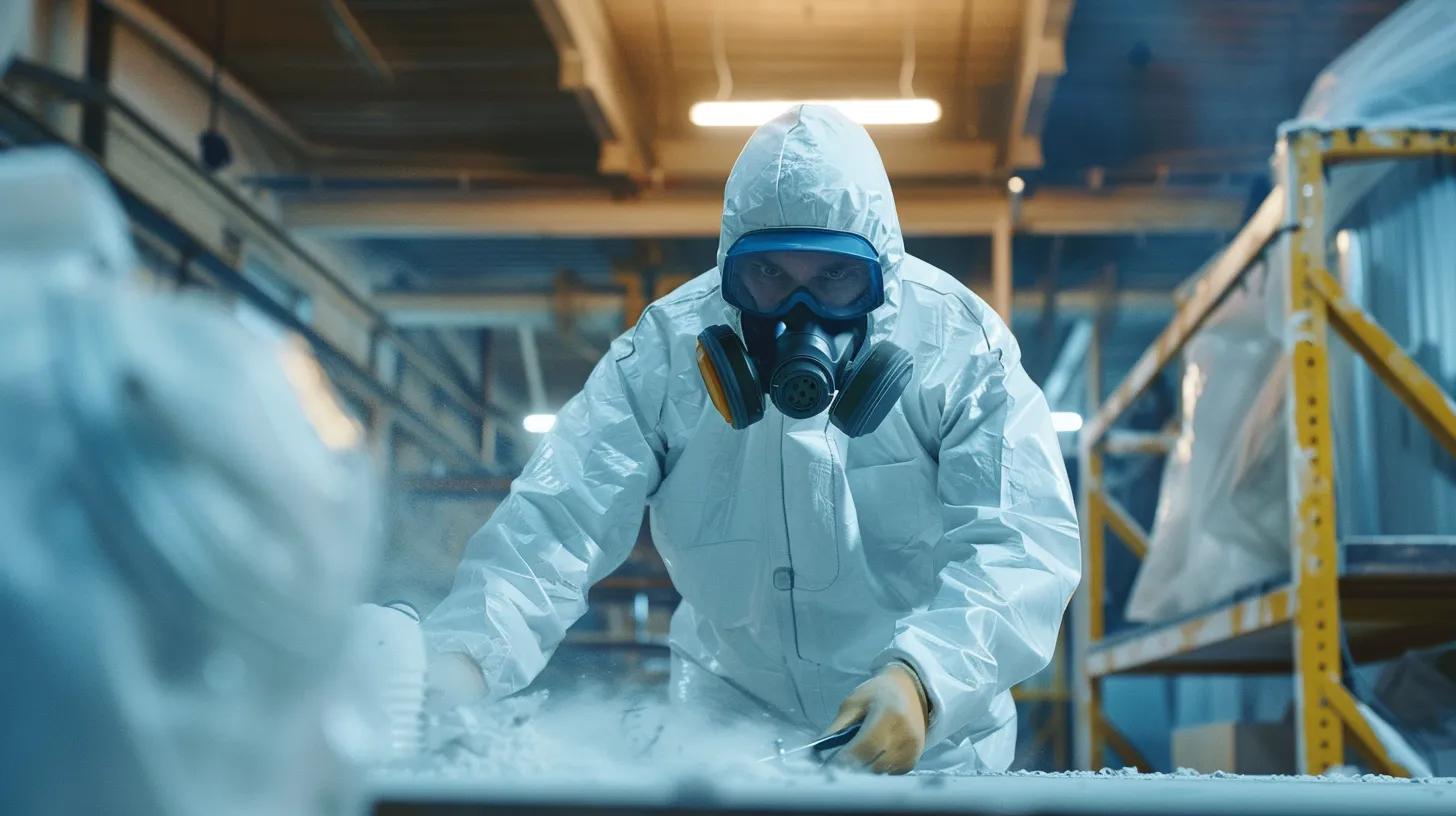
During removal, workers follow strict protocols including the use of personal protective equipment (PPE) such as full-body suits, respirators, and gloves. Advanced containment methods, negative air pressure systems, and HEPA filters prevent fiber spread, ensuring that both workers and occupants are protected.
Understand How Disposal of Asbestos Is Handled
Once removed, asbestos waste is sealed and transported to authorized disposal facilities under federal and state regulations. Proper labeling, documentation, and tracking of waste ensure environmental protection and legal compliance, which is crucial for future property transactions and insurance purposes.
Explore the Role of Certified Professionals in Removal
Only certified professionals should handle asbestos removal due to the specialized training and equipment required. Their expertise ensures adherence to safety guidelines and minimizes the risk of fiber release. Regular updates in removal procedures by manufacturers and government bodies further underscore the importance of professional oversight.
Know How to Prepare Your Home for the Removal Process
Proper preparation is essential for a smooth removal process. Homeowners must clear the work area, secure valuable items, and sometimes temporarily evacuate. Following removal experts’ guidelines on securing windows, doors, and covering surfaces reduces the risk of asbestos dispersal during the operation.
Learn About Regulations Surrounding Asbestos Removal
Asbestos removal is governed by rigorous regulations at federal, state, and local levels. Understanding these guidelines is vital for ensuring safe and compliant removal practices.
Review Federal Regulations Regarding Asbestos Management
Federal agencies like the EPA and OSHA set comprehensive regulations on asbestos management. These include permissible exposure limits, air monitoring requirements, and standardized removal procedures. Adhering to these guidelines is mandatory to avoid significant fines and ensure maximum protection for workers and residents.
Understand State-Specific Asbestos Removal Guidelines
In addition to federal standards, state-specific guidelines often impose stricter requirements based on local environmental concerns and historical usage of asbestos. For example, some states may require additional certifications and inspections. Restoration experts highlight the importance of consulting both federal and state regulations to ensure full compliance.
Identify the Role of Local Agencies in Enforcement
Local health departments and building safety agencies enforce asbestos removal regulations through regular inspections, permit issuance, and remediation monitoring. Their oversight ensures that all removal processes meet legal standards, and they can impose penalties for non-compliance to maintain transparency and safety.
Explore the Penalties for Non-Compliance With Regulations
Non-compliance with asbestos regulations can lead to hefty fines, legal action, and even criminal charges. In cases where negligence results in harm to residents or workers, property owners may face lawsuits and forced shutdowns until corrective measures are taken. Investing in compliant removal services is both a health and legal safeguard.
Learn About Documentation Required for Asbestos Removal
Proper documentation is essential throughout the removal process. This includes asbestos survey reports, removal permits, air monitoring records, and disposal records. Such documentation is necessary for regulatory inspections, insurance claims, and future property transactions, serving as proof of adherence to all legal requirements.
Explore Costs Associated With Timely Asbestos Removal

Understanding the costs associated with asbestos removal is important for budgeting and planning. Although the initial expenses for testing and removal may be significant, delaying the process can lead to much higher costs over time.
Break Down the Expenses of Asbestos Testing Services
Asbestos testing involves fees for professional surveys, laboratory analyses, and sampling. Depending on property size and risk, homeowners might spend from several hundred to a few thousand dollars. Many certified professionals offer package deals that include both the survey and testing at high-risk locations.
Understand Removal Costs Based on Project Size
Removal costs vary with the extent of contamination and area size. Residential projects may cost between $1,500 and $5,000, while larger commercial sites can exceed $20,000. Factors affecting these costs include the amount and type of asbestos, accessibility, and any additional services like air quality monitoring during removal.
Examine Potential Hidden Fees in Asbestos Removal
In addition to direct testing and removal costs, hidden fees such as charges for pre-removal preparations, extra safety measures, and post-removal cleanup may apply. Some contractors add fees for waste disposal or use of specialized equipment. Reviewing contracts carefully and requesting a detailed breakdown helps avoid budget overruns.
Compare Costs of DIY Versus Professional Services
Though some may consider DIY asbestos removal to cut costs, professional removal is strongly recommended because of the considerable health risks and potential for improper handling. DIY errors can lead to higher long-term expenses related to medical issues and legal liabilities, making professional services a safer choice despite the higher upfront investment.
Identify Financing Options for Asbestos Remediation
Due to high removal costs, homeowners may benefit from various financing options. Payment plans, insurance policies covering environmental hazards, and local grants or low-interest loans can help manage expenses. Restoration experts suggest discussing these options with certified contractors to integrate asbestos removal into broader renovation projects while ensuring safe remediation.
| Cost Component | Estimated Range | Key Considerations | Benefit |
|---|---|---|---|
| Asbestos Testing | $500 – $3,000 | Depends on property size and samples | Early detection and planning |
| Residential Removal | $1,500 – $5,000 | Varies by contamination extent | Prevents health risks and preserves property |
| Commercial Removal | $10,000 – $20,000+ | Affected area size and complexity | Ensures regulatory compliance and safety |
| Hidden Fees | Variable | Pre-removal setup, waste disposal, clean-up | Transparent cost planning |
| Financing Options | N/A | Payment plans, insurance, grants | Eases immediate financial burden |
Before initiating asbestos removal, property owners should consult with restoration experts to understand the complete cost structure and available financing alternatives, thereby mitigating financial risk.
Frequently Asked Questions
Q: What health risks are associated with delayed asbestos removal?
A: Delayed removal increases the risk of respiratory diseases like asbestosis, lung cancer, and mesothelioma due to prolonged exposure. This leads to chronic coughing, difficulty breathing, and long-term lung damage.
Q: How can early asbestos removal protect property value?
A: Early removal prevents further degradation and contamination of building materials, preserving structural integrity and market appeal. This results in higher resale and rental values and reduces repair costs.
Q: Why is professional asbestos removal preferred over DIY methods?
A: Certified contractors follow rigorous safety protocols to contain and dispose of hazardous fibers correctly. DIY methods can increase exposure risks and lead to higher medical and legal costs.
Q: What documentation is required for asbestos removal compliance?
A: Essential documents include asbestos survey reports, removal permits, air monitoring records, and disposal records. These are vital for legal compliance, insurance claims, and property transactions.
Q: Are there financing options available for asbestos removal?
A: Yes, options include payment plans, insurance coverage, and local grants or low-interest loans. Discussing these with certified removal contractors can help manage the upfront costs.
Q: How often should properties be inspected for asbestos?
A: Particularly for properties built before 1980, regular inspections during renovations or when signs of material degradation appear are recommended to identify potential risks early.
Q: What are the legal consequences of neglecting asbestos removal?
A: Failure to remove asbestos can result in hefty fines, civil lawsuits, and even criminal charges if harm occurs. Regulatory bodies strictly enforce guidelines, making proactive removal essential.
Final Thoughts
Timely asbestos removal is essential for safeguarding health, protecting property value, and ensuring legal compliance. Early intervention prevents indoor air quality deterioration and minimizes long-term health risks. By understanding the hazards, recognizing early signs, and investing in professional remediation, property owners can avoid costly repairs and legal complications. Restoration experts recommend proactive management as both a health imperative and a strategic financial decision for all property stakeholders.