
November 12, 2025
Essential Heating System Check & Puff Back Prevention Tips
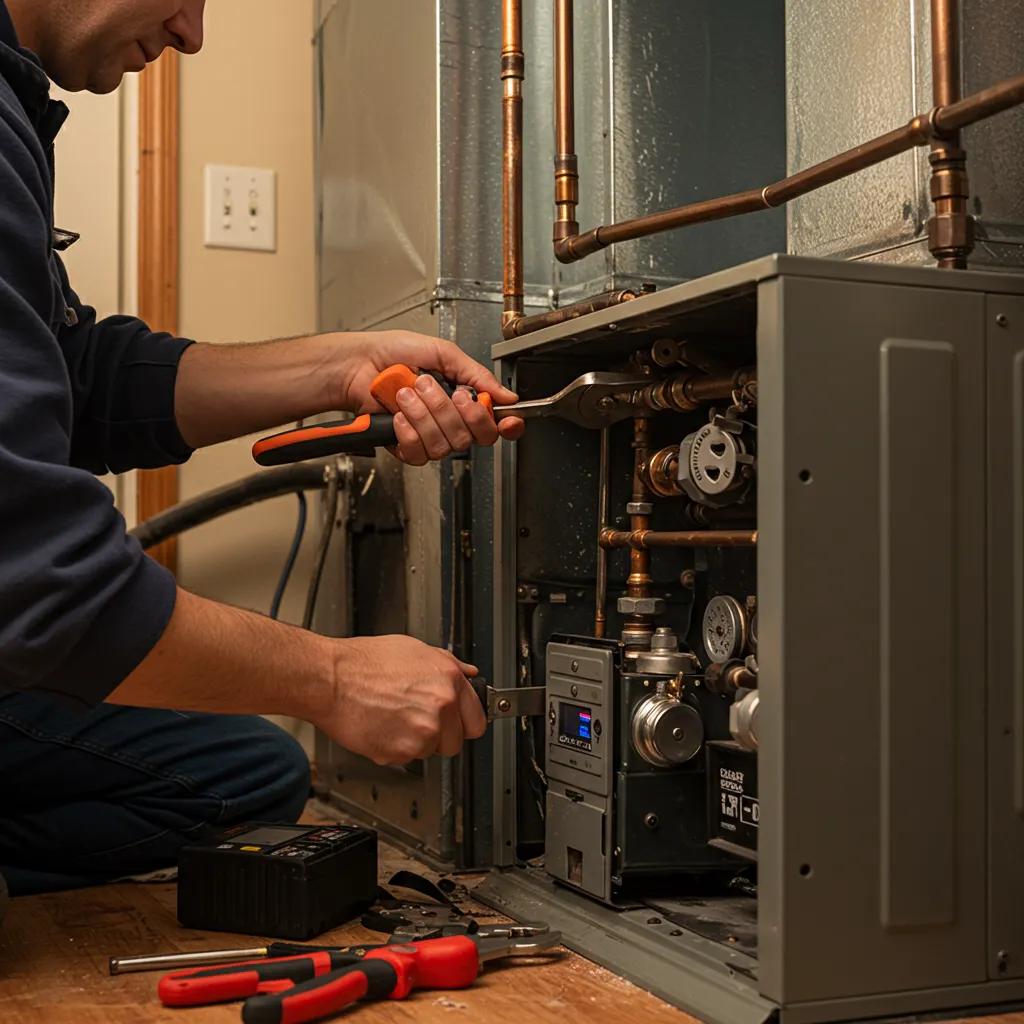
Comprehensive Heating System Maintenance Service and Furnace Puff Back Cleanup Guide for Homeowners
A furnace puff back is a sudden, unignited fuel ignition inside a heating appliance that ejects soot and smoke throughout a home, posing immediate safety, health, and property-damage risks. This guide explains what a puff back is, why annual heating system maintenance reduces the risk, how to prevent puff backs with targeted oil burner service and cleaning, and what to do if an emergency occurs. Homeowners will learn to recognize early warning signs, follow safe emergency steps, document damage for insurers, and understand professional cleanup and restoration phases. Practical checklists, remediation tables, and insurance documentation templates are included to help you act quickly and confidently if soot or smoke damage occurs. Throughout, we emphasize annual heating system maintenance, oil burner cleaning, emergency puff back cleanup, and soot damage restoration to preserve indoor air quality and system reliability. By the end of this article, you’ll have actionable prevention steps, an emergency response plan, and a clear path for insurance claim facilitation.
What Is a Furnace Puff Back and How Does It Affect Your Heating System?
A furnace puff back is an abrupt backfire inside a combustion chamber where accumulated unburned fuel ignites and expels soot, smoke, and odor into living spaces, damaging surfaces and HVAC components. This mechanism typically involves delayed ignition—fuel accumulates, then ignites violently—so the result is soot dispersal, staining, and contamination of ducts and contents. Immediate impacts include surface staining, lingering odor, compromised indoor air quality, and potential impairment of heat exchangers or controls that can lead to longer-term system failure. Understanding this event clarifies why preventative maintenance and timely oil burner cleaning are essential for safety and efficient operation.
What Causes a Puff Back in Oil and Gas Furnaces?
A puff back often stems from ignition failures, delayed or intermittent ignition, or fuel/air mixture problems; in oil systems, common culprits include a dirty nozzle, worn electrodes, clogged filters, or poor combustion timing. Gas systems can suffer similar delayed ignition through valve or control faults, but oil burners accumulate soot more readily when nozzles and electrodes degrade. Homeowners may notice performance anomalies—odd bangs, reduced heat output, or unusual odors—before a puff back; these cues suggest the combustion process is compromised. When such symptoms appear, scheduling an inspection for oil burner cleaning and combustion analysis can prevent a catastrophic ignition event.
What Are the Signs and Dangers of a Furnace Puff Back?

Signs of a puff back include a loud bang from the furnace area, dark oily soot on walls and ceilings near vents, strong fuel or smoke odors, and poor air quality throughout the house; these observable indicators require immediate attention. Dangers extend beyond cosmetic damage: soot particles are respirable, can aggravate asthma and allergies, and may carry carcinogenic compounds depending on fuel type, creating health hazards especially for vulnerable occupants. Property impacts include stained surfaces, contaminated contents, and HVAC duct infiltration that spreads soot to multiple rooms, increasing remediation scope and costs. Recognizing these red flags early helps homeowners evacuate if needed and start the documentation and cleanup process quickly.
How Does Puff Back Result in Soot and Smoke Damage?
Puff back events propel fine soot particles that adhere to surfaces, embed into porous materials, and settle inside ductwork, creating persistent staining and odor that simple household cleaning often cannot remove. Soot’s small particle size allows it to infiltrate fabrics, electronics, and insulation, while oily residues can chemically bond with surfaces, complicating restoration. HVAC systems act as distribution networks for soot, moving contamination beyond the immediate furnace room and cross-contaminating other zones of the home. Because of this infiltration behavior, professional soot removal, deodorization, and duct cleaning are commonly necessary to restore indoor air quality and prevent recurring odor issues.
Why Is Annual Heating System Maintenance Essential for Puff Back Prevention?
Annual heating system maintenance reduces puff back risk by ensuring combustion components operate reliably, fuel delivery is correct, and safety controls function as intended; regular service addresses root causes before they escalate. Routine checks include nozzle inspection, combustion tuning, flue and vent inspection, filter replacement, and control verification—each step lowers the chance of delayed ignition or fuel accumulation. Beyond safety, documented annual service supports warranty and insurance positioning and improves energy efficiency, often preventing emergency repair calls. Maintaining records of annual inspections and services creates a paper trail that proves diligent upkeep if damage occurs, which aids insurance claim processes.
What Does a Comprehensive Heating System Check Include?
A comprehensive heating system check inspects combustion performance, replaces worn consumables, examines the flue and venting for blockages, tests safety controls, and evaluates the oil burner assembly for nozzle and electrode condition. Technicians perform combustion analysis to measure fuel-to-air ratios and adjust settings for clean, efficient burning, and they clean soot-prone components to prevent carbon buildup that leads to delayed ignition. Filter replacement and basic duct checks reduce dust and improve airflow, complementing combustion work to minimize stress on the system. Properly documented service reports describe actions taken and recommended follow-ups, which homeowners should retain for warranty and insurance purposes.
Typical maintenance tasks included in a comprehensive check:
- Combustion analysis and tuning to optimize fuel-to-air ratio.
- Nozzle and electrode inspection or replacement to ensure proper ignition.
- Flue, vent, and heat exchanger inspection to detect blockages and leaks.
How Often Should Oil Burners and Boilers Be Serviced?
Standard recommendations call for at least annual service—typically before the heating season—to inspect and tune oil burners, replace nozzles as needed, and verify flue integrity; heavier-use systems or older equipment may require more frequent checks. Seasonal inspections, such as a pre-winter tune-up, catch problems that arise during downtime and before heavy demand periods, reducing the likelihood of ignition failures. Owners of older boilers or those with intermittent performance issues should consider biannual visits or mid-season quick checks to ensure ongoing safety. Practical timing: schedule inspections after summer and before the first sustained cold period to maximize protection.
| Component | Recommended Interval | Purpose |
|---|---|---|
| Oil Burner Nozzle & Electrodes | Annual (or as-needed) | Prevent delayed ignition and ensure reliable spark/atomization |
| Flue & Vent Inspection | Annual | Detect blockages, corrosion, or draft issues that cause combustion instability |
| Filters and Airflow Checks | Every 3-12 months | Maintain airflow to prevent fuel-rich combustion and soot buildup |
| Combustion Analysis | Annual | Measure and tune fuel-to-air ratio for safe, efficient operation |
This interval table clarifies which components need routine attention and why those intervals matter for preventing puff backs and preserving system health.
How Does Regular Maintenance Improve Safety and Efficiency?
Regular maintenance improves safety by catching worn parts and improper combustion before they cause hazardous events, and it improves efficiency by ensuring correct burner tuning and clean heat transfer surfaces. Preventative service reduces fuel waste, lowers the incidence of emergency repairs, and extends equipment life by preventing corrosive soot accumulation. When systems run efficiently, homeowners see more consistent heat delivery and often lower operating costs, while reduced emergency incidents minimize disruption and risk. Documented improvements in system performance also strengthen claims and warranty compliance, which can ease recovery after an incident.
What Are the Warranty and Insurance Benefits of Annual Service?
Many warranties and insurance policies value documented routine maintenance as evidence of reasonable care; annual service records demonstrate the homeowner’s diligence in preventing neglect-related failures. Keeping dated service reports, receipts, and inspection notes provides insurers and warranty providers with the proof needed to validate claims or coverage eligibility following a puff back. Practical record-keeping tips include storing scanned copies of service reports, photos of completed work, and itemized invoices in a single accessible folder. These records reduce disputes during claims and simplify adjuster reviews, helping homeowners secure fair assessments and faster remediation.
How Can You Prevent Furnace Puff Backs with Oil Burner Service and Cleaning?
Targeted oil burner service and cleaning focus on fuel atomization, ignition timing, and combustion tuning to eliminate conditions that permit unburned fuel to accumulate, thereby preventing puff backs. Regular nozzle replacement, electrode gap checks, combustion analysis, and heat exchanger cleaning remove combustion irregularities and residues that lead to delayed ignition. Simple homeowner actions between service visits—monitoring for soot, unusual noises, and fuel odors—help catch developing issues early. Combining technician-performed maintenance with homeowner vigilance creates a layered prevention strategy that protects occupants and property.
What Are the Key Oil Burner Maintenance Steps to Avoid Puff Backs?
Technician-level maintenance steps include inspecting and replacing the nozzle, checking and setting the electrode gap, performing combustion analysis, cleaning the combustion chamber and heat exchanger, and verifying control and safeties operation. Each action reduces the chance that oil will accumulate and ignite irregularly: nozzle health ensures proper atomization, electrode condition secures reliable ignition, and combustion tuning prevents fuel-rich mixtures. Regularly scheduled service also replaces worn parts before they degrade performance. These steps collectively restore correct combustion dynamics and reduce soot production.
Key maintenance checklist for oil burner service:
- Inspect and replace nozzle and electrodes as required.
- Perform combustion analysis and tune burner settings.
- Clean combustion chamber and heat exchanger to remove residue.
How Do Homeowners Identify Early Warning Signs of Puff Back?
Home-observable indicators include increased soot accumulation around vents, intermittent banging noises when the burner starts, strong fuel odors, and changes in furnace cycling or heat output; noticing any of these should trigger immediate action. Safe DIY checks are limited to visual inspection for soot near registers and confirming thermostat and filter condition; avoid opening combustion compartments or attempting repairs. If early signs appear, stop using the heating system if safe to do so and arrange a professional inspection to prevent a full puff back. Prompt documentation—photos and notes of the observed symptoms—also helps in later restoration and claims.
- Shut off fuel and electrical supply if safe to do so.
- Ventilate the home by opening doors and windows.
- Evacuate vulnerable occupants and avoid re-entry until safe.
What Professional Services Support Effective Puff Back Prevention?
Effective prevention relies on services such as annual tune-ups, oil burner cleaning, combustion analysis, flue and vent inspections, and duct cleaning where soot infiltration is suspected; certified HVAC technicians perform these services to manufacturer and safety standards. Professionals can also recommend replacement parts or control upgrades when repeated ignition issues appear, and they can document service actions for warranty and insurance purposes. Credential verification—ensuring technicians follow industry best practices—adds confidence that maintenance will meaningfully reduce puff back risk. A coordinated program of scheduled professional services paired with homeowner monitoring is the most reliable prevention model.
What Should You Do During an Emergency Heating System Puff Back Incident?

During a puff back emergency prioritize occupant safety, stop the heating system’s fuel and electrical supply if it is safe to do so, ventilate affected areas, and evacuate if smoke or odor is heavy; quick action limits exposure and property damage. After stabilizing immediate hazards, document damage with photos and videos and collect service records to assist insurance claims and restoration planning. Understanding emergency cleanup phases—assessment, containment, soot removal, HVAC remediation, and deodorization—helps homeowners set expectations for restoration scope and timing. Professional emergency response is critical when there is fire, structural damage, heavy soot, or health concerns.
What Immediate Safety Steps Should Homeowners Take?
If you suspect a puff back, first shut off the heating system’s fuel supply and electrical power at safe, accessible shutoffs if you are trained and it is safe to do so; turning off power reduces the chance of further ignition events. Next, ventilate by opening windows and doors to reduce indoor pollutant concentration, then evacuate occupants—especially children, elderly, or those with respiratory conditions—if smoke or strong fuel odors persist. Avoid re-entering contaminated areas until air quality improves or professionals declare the space safe, and do not attempt internal combustion repairs yourself. These prioritized actions protect health, reduce contamination spread, and preserve evidence for later documentation.
- Shut off fuel and electrical supply if safe to do so.
- Ventilate the home by opening doors and windows.
- Evacuate vulnerable occupants and avoid re-entry until safe.
When and How to Contact Emergency Heating System Repair Services?
Contact emergency repair services immediately if there is fire, structural damage, persistent smoke, or heavy soot distribution; call for non-emergency inspections if the event is minor and occupants are safe. When you reach a dispatcher or technician, provide concise details: system type (oil or gas), observed symptoms (bang, soot, odor), whether fuel/electrical supply was shut off, and whether occupants have been evacuated. Expect responders to triage safety first, then complete an assessment and recommend immediate containment and remediation steps. Have maintenance records and any recent service reports available to expedite diagnosis and to support insurance documentation.
How Is Emergency Puff Back Cleanup and Soot Damage Restoration Performed?
Emergency cleanup begins with a documented assessment of affected areas, photographing contamination and measuring soot spread, followed by containment to prevent cross-contamination; technicians then use specialized dry and wet cleaning methods to remove surface soot, HEPA vacuuming for particulates, and targeted deodorization to neutralize odors. HVAC remediation often includes duct cleaning and coil cleaning to remove internal contamination that can repeatedly redeposit soot, while content restoration addresses upholstery, clothing, and porous items through cleaning or controlled restoration techniques. The overall timeframe depends on contamination extent but homeowners can expect staged work: assessment, active cleaning, HVAC remediation, and post-clean verification of air quality.
| Restoration Phase | Typical Timeframe | Typical Homeowner Actions |
|---|---|---|
| Assessment & Documentation | 1–2 days | Photograph damage, gather service records, note affected contents |
| Containment & Dry Cleaning | 1–3 days | Clear access, remove sensitive items, follow technician instructions |
| HVAC & Duct Remediation | 1–4 days | Provide furnace access, disable system until cleared |
| Deodorization & Final Cleaning | 1–3 days | Inspect completed work, retain receipts for insurer |
Health precautions and staged HVAC cleaning reduce recontamination risks and improve indoor air quality when done in the correct sequence.
What to do if you need immediate help: emergency services offering rapid response, soot remediation, and restoration support are available and can be contacted for urgent cleanup; request 24/7 assistance if there are health risks or active contamination. If you need a quote or to schedule a system check after a puff back event, request a quote or contact emergency service providers who combine preventative maintenance, puff back cleanup, and soot damage restoration with emergency response capabilities. Rapid response and documented cleanup also support insurance claim facilitation and minimize long-term damage.
What Health Precautions Are Necessary During Cleanup?
Soot contains fine particulates and potentially toxic compounds, so technicians and occupants should use appropriate PPE—N95 or higher respirators, gloves, and eye protection—when in contaminated areas, and vulnerable individuals should avoid exposure entirely. Improving ventilation during cleanup lowers airborne concentrations, and professional air scrubbers and HEPA filtration help remove fine particulates that home cleaning cannot. Contaminated clothing and porous items may require specialized cleaning or disposal to prevent re-emission of odors and particles. When health symptoms appear, such as persistent cough, headaches, or breathing difficulty, seek medical guidance and document symptoms for both health and insurance records.
How to Navigate Insurance Claims After Puff Back and Soot Damage?
Navigating insurance claims starts with rapid, organized documentation: take timestamped photos and videos of damages, save service records and maintenance reports, obtain initial repair or cleanup estimates, and keep invoices for any immediate emergency expenses. Insurers typically require clear documentation of cause, scope, and mitigation efforts; maintaining thorough records speeds adjuster review and helps validate coverage for restoration work. Restoration companies can assist by preparing professional estimates, detailed scope-of-loss reports, and directly liaising with adjusters to explain remediation methods and costs. Clear communication and retained documentation are the homeowner’s best tools to achieve a timely and accurate claims outcome.
What Documentation Is Required for Insurance Claims?
Insurers commonly request photos and videos of affected areas, dated maintenance and service records that demonstrate preventive care, itemized lists of damaged contents, and initial contractor estimates for restoration; these items create a comprehensive claim package. When documenting, photograph the furnace area, vent registers, stained surfaces, and HVAC components, and save all receipts for emergency services, lodging, or temporary repairs. If a restoration firm conducts an assessment, include their written scope-of-work and estimate as part of the claim. Good documentation reduces back-and-forth with adjusters and simplifies adjuster reviews, helping homeowners secure fair assessments and faster remediation.
| Required Item | Example / Documentation | Notes |
|---|---|---|
| Photos & Videos | Timestamped images of soot spread | Capture wide and close-up views |
| Service Records | Recent annual maintenance report | Shows reasonable care and preventive steps |
| Repair Estimates | Itemized contractor/restoration quotes | Use professional estimates where possible |
| Receipts | Emergency cleanup, temporary housing | Keep originals and digital copies |
How to Communicate Effectively with Insurance Adjusters?
When speaking with adjusters, be concise: state the date/time of the puff back, describe observed damages, provide maintenance records, and share professional estimates; request timelines for their inspection and claim decision. Use a clear, factual tone and reference documented evidence rather than speculation about causes to keep the process efficient. If the adjuster requests additional information, respond promptly and keep copies of all communications for your records. Consider involving a restoration professional early; their detailed estimates and remediation plans can expedite adjuster assessments and reduce disputes.
How Do Restoration Companies Assist with Insurance Claim Facilitation?
Restoration firms commonly prepare documented scopes of loss, provide itemized estimates compatible with insurer workflows, and offer liaison services to coordinate with adjusters; they may also provide direct-billing or invoicing support where arrangements allow. By documenting contamination extent, describing required remediation steps (containment, cleaning, ductwork remediation), and explaining specialized methodologies, restoration specialists help insurers understand the necessary work and associated costs. This assistance frequently shortens claim cycles and reduces homeowner administrative burden, ensuring restoration work proceeds promptly once coverage is confirmed. Requesting a claim-assist consultation with a qualified restoration team can simplify the overall recovery.
If you need a formal estimate for restoration work or help with claim documentation, request an estimate or claim-assist consultation from emergency cleanup and soot damage restoration providers; they can prepare the documentation and coordinate with adjusters to streamline settlement and repair.
What Are the Best Practices for HVAC System Efficiency and Safety After Maintenance?
After maintenance, best practices include regular carbon monoxide detector checks, scheduled filter replacements, monitoring system performance, and maintaining clear vents and flues; these steps preserve efficiency and reduce latent safety risks. Energy-saving behaviors—consistent thermostat settings, proper insulation, and timely filter changes—help systems operate less stressfully, which reduces the chance of combustion irregularities. Smart monitoring, when available, offers diagnostic alerts that can identify anomalies before they become hazards. Combined, these practices support long-term system health, improved indoor air quality, and a lower risk of events like puff backs.
How to Maintain Carbon Monoxide Detectors and Air Quality?
Test carbon monoxide (CO) detectors monthly by following the manufacturer’s test procedure, replace batteries annually or per device guidance, and replace detectors according to the device lifespan to ensure reliable alerts. Maintain indoor air quality by changing HVAC filters regularly, increasing ventilation when performing activities that generate particulates, and scheduling professional air quality testing if persistent odors or health symptoms occur. If CO detector alarms sound or occupants experience symptoms like headache or dizziness, evacuate immediately and seek medical help. Regular detector maintenance and attentive IAQ practices protect occupants from combustion byproducts after heating system service.
What Are Energy Efficiency Tips for Heating Systems?
Optimize efficiency by sealing drafts, insulating ducts and the home envelope, using programmable thermostats to reduce unnecessary runtime, and ensuring filters are clean to maintain airflow and heat transfer efficiency. System tuning during annual maintenance—combustion analysis and burner adjustment—also directly improves fuel efficiency and reduces soot production that can degrade performance. Consider staged or zoning strategies to reduce peak load and avoid short-cycling, which stresses components and increases wear. Practical, low-cost improvements paired with professional tuning yield measurable comfort and efficiency benefits over time.
How Does Smart Home Integration Help Monitor Heating System Health?
Smart thermostats and sensors provide remote monitoring, fault alerts, and runtime analytics that detect abnormal cycling, short runs, or unexpected fuel usage that may signal an incipient combustion issue. Integration with diagnostic services can trigger automatic alerts to homeowners or technicians when thresholds are crossed, enabling proactive inspections before a puff back event occurs. Data from smart devices also supplements maintenance records with objective system trends, strengthening evidence of ongoing care. While not a replacement for annual professional service, smart monitoring enhances early detection and supports targeted preventative maintenance.
Frequently Asked Questions
What are the health risks associated with soot exposure from a puff back?
Soot exposure from a puff back can pose significant health risks, particularly for individuals with respiratory conditions such as asthma or allergies. The fine particles in soot can irritate the lungs, leading to coughing, shortness of breath, and other respiratory issues. Additionally, soot may contain harmful compounds that can exacerbate existing health problems or lead to new ones. It is crucial to address any puff back incidents promptly and ensure proper cleanup to minimize health hazards for all occupants, especially vulnerable individuals.
How can homeowners prepare for a potential puff back emergency?
Homeowners can prepare for a potential puff back emergency by developing an emergency response plan that includes shutting off the heating system’s fuel and electrical supply, identifying safe evacuation routes, and ensuring all occupants are aware of the plan. Keeping emergency contact numbers for HVAC professionals and local fire services handy is also advisable. Regular maintenance checks can help reduce the likelihood of a puff back, but being prepared for an emergency can significantly mitigate risks and ensure a swift response if one occurs.
What should homeowners do if they notice unusual noises from their heating system?
If homeowners notice unusual noises, such as banging or popping sounds from their heating system, it is essential to take these signs seriously. These noises may indicate combustion issues or mechanical failures that could lead to a puff back. Homeowners should immediately stop using the heating system and schedule a professional inspection to diagnose the problem. Documenting the noises and any other symptoms can also be helpful for technicians during the assessment, ensuring a thorough evaluation and timely repairs.
Are there specific maintenance tasks homeowners can perform themselves?
Yes, homeowners can perform several basic maintenance tasks to help ensure their heating systems operate safely and efficiently. These include regularly checking and replacing air filters, inspecting vents for blockages, and monitoring for soot accumulation around registers. Homeowners should also keep an eye out for unusual odors or noises and ensure that carbon monoxide detectors are functioning properly. While these tasks can help maintain system performance, professional inspections and servicing are still necessary for comprehensive care.
What are the long-term benefits of regular heating system maintenance?
Regular heating system maintenance offers numerous long-term benefits, including improved energy efficiency, enhanced safety, and extended equipment lifespan. By ensuring that all components are functioning correctly, homeowners can reduce energy consumption and lower utility bills. Additionally, routine maintenance helps prevent hazardous situations, such as puff backs, by addressing potential issues before they escalate. Over time, consistent upkeep can lead to fewer emergency repairs and a more reliable heating system, ultimately providing peace of mind for homeowners.
How can homeowners effectively document damage for insurance claims?
To effectively document damage for insurance claims after a puff back, homeowners should take timestamped photos and videos of all affected areas, including soot-stained surfaces and HVAC components. Keeping detailed records of maintenance history, service reports, and any emergency expenses incurred is also crucial. Homeowners should create an itemized list of damaged contents and obtain estimates for restoration work. This thorough documentation will help streamline the claims process and support the validation of coverage with insurance adjusters.
What are the health risks associated with soot exposure from a puff back?
Soot exposure from a puff back can pose significant health risks, particularly for individuals with respiratory conditions such as asthma or allergies. The fine particles in soot can irritate the lungs, leading to coughing, shortness of breath, and other respiratory issues. Additionally, soot may contain harmful compounds that can exacerbate existing health problems or lead to new ones. It is crucial to address any puff back incidents promptly and ensure proper cleanup to minimize health hazards for all occupants, especially vulnerable individuals.
How can homeowners prepare for a potential puff back emergency?
Homeowners can prepare for a potential puff back emergency by developing an emergency response plan that includes shutting off the heating system’s fuel and electrical supply, identifying safe evacuation routes, and ensuring all occupants are aware of the plan. Keeping emergency contact numbers for HVAC professionals and local fire services handy is also advisable. Regular maintenance checks can help reduce the likelihood of a puff back, but being prepared for an emergency can significantly mitigate risks and ensure a swift response if one occurs.
What should homeowners do if they notice unusual noises from their heating system?
If homeowners notice unusual noises, such as banging or popping sounds from their heating system, it is essential to take these signs seriously. These noises may indicate combustion issues or mechanical failures that could lead to a puff back. Homeowners should immediately stop using the heating system and schedule a professional inspection to diagnose the problem. Documenting the noises and any other symptoms can also be helpful for technicians during the assessment, ensuring a thorough evaluation and timely repairs.
Are there specific maintenance tasks homeowners can perform themselves?
Yes, homeowners can perform several basic maintenance tasks to help ensure their heating systems operate safely and efficiently. These include regularly checking and replacing air filters, inspecting vents for blockages, and monitoring for soot accumulation around registers. Homeowners should also keep an eye out for unusual odors or noises and ensure that carbon monoxide detectors are functioning properly. While these tasks can help maintain system performance, professional inspections and servicing are still necessary for comprehensive care.
What are the long-term benefits of regular heating system maintenance?
Regular heating system maintenance offers numerous long-term benefits, including improved energy efficiency, enhanced safety, and extended equipment lifespan. By ensuring that all components are functioning correctly, homeowners can reduce energy consumption and lower utility bills. Additionally, routine maintenance helps prevent hazardous situations, such as puff backs, by addressing potential issues before they escalate. Over time, consistent upkeep can lead to fewer emergency repairs and a more reliable heating system, ultimately providing peace of mind for homeowners.
How can homeowners effectively document damage for insurance claims?
To effectively document damage for insurance claims after a puff back, homeowners should take timestamped photos and videos of all affected areas, including soot-stained surfaces and HVAC components. Keeping detailed records of maintenance history, service reports, and any emergency expenses incurred is also crucial. Homeowners should create an itemized list of damaged contents and obtain estimates for restoration work. This thorough documentation will help streamline the claims process and support the validation of coverage with insurance adjusters.
What Causes a Furnace Puff Back?
A furnace puff back is caused primarily by delayed ignition of accumulated fuel—most commonly due to dirty nozzles, worn electrodes, clogged filters, or control failures in oil burners—which allows a pocket of unburned fuel to ignite suddenly and expel soot. Regular maintenance prevents the buildup and component wear that lead to these failures.
How Do You Prevent Puff Backs in Oil Burners?
Prevent puff backs through annual oil burner service that includes nozzle replacement, electrode gap checks, combustion tuning, flue inspection, and heat exchanger cleaning; perform basic homeowner checks for soot and odors between services. Consistent maintenance preserves ignition reliability and reduces soot accumulation.
Is a Puff Back Dangerous to Homeowners?
Yes. Puff backs produce soot and smoke that reduce indoor air quality and can irritate respiratory systems; they also pose fire and equipment-damage risks. Immediate safety steps and professional cleanup are often necessary.
How Is Soot Damage Cleaned After a Puff Back?
Professional soot damage restoration typically involves documented assessment, containment, dry and wet cleaning methods for affected surfaces, HVAC and duct remediation, and deodorization to remove persistent odors. Restorers use specialized equipment and protocols to prevent recontamination.
Can Gas Furnaces Experience Puff Backs?
Gas furnaces can experience backfires or delayed ignition events, though mechanisms differ from oil burners; control or valve malfunctions and ignition sequence problems can cause comparable soot or flame roll-out issues, so both system types benefit from regular inspection.
How Often Should Heating Systems Be Serviced?
Heating systems should be serviced at least annually, with pre-winter inspections recommended; older systems, heavy-use situations, or prior performance issues may require more frequent checks to maintain safe operation.
Conclusion
Regular maintenance of your heating system is essential for preventing dangerous puff backs and ensuring optimal performance, protecting both your home and health. By understanding the signs and taking proactive measures, homeowners can significantly reduce the risk of soot damage and costly repairs. Don’t wait for an emergency; schedule your annual heating system check today to safeguard your home. Explore our expert services to keep your heating system running safely and efficiently.