
Mastering the Water Damage Restoration Process Steps: Your Complete Guide to Professional Restoration in New York
When water intrudes into your home or commercial property, rapid, systematic action is the difference between a manageable repair and a catastrophic loss. This guide to water damage restoration process steps shows you how certified professionals assess contamination, extract water, dry and dehumidify structures, sanitize surfaces, and rebuild damaged areas—all while navigating New York’s unique insurance landscape. You’ll learn category and class definitions, five essential restoration phases, mold integration, insurance claim strategies, advanced technology applications, proactive risk reduction, and why Restoration Experts represents your local authority on Long Island and in NYC.
What Are the Categories and Classes of Water Damage?
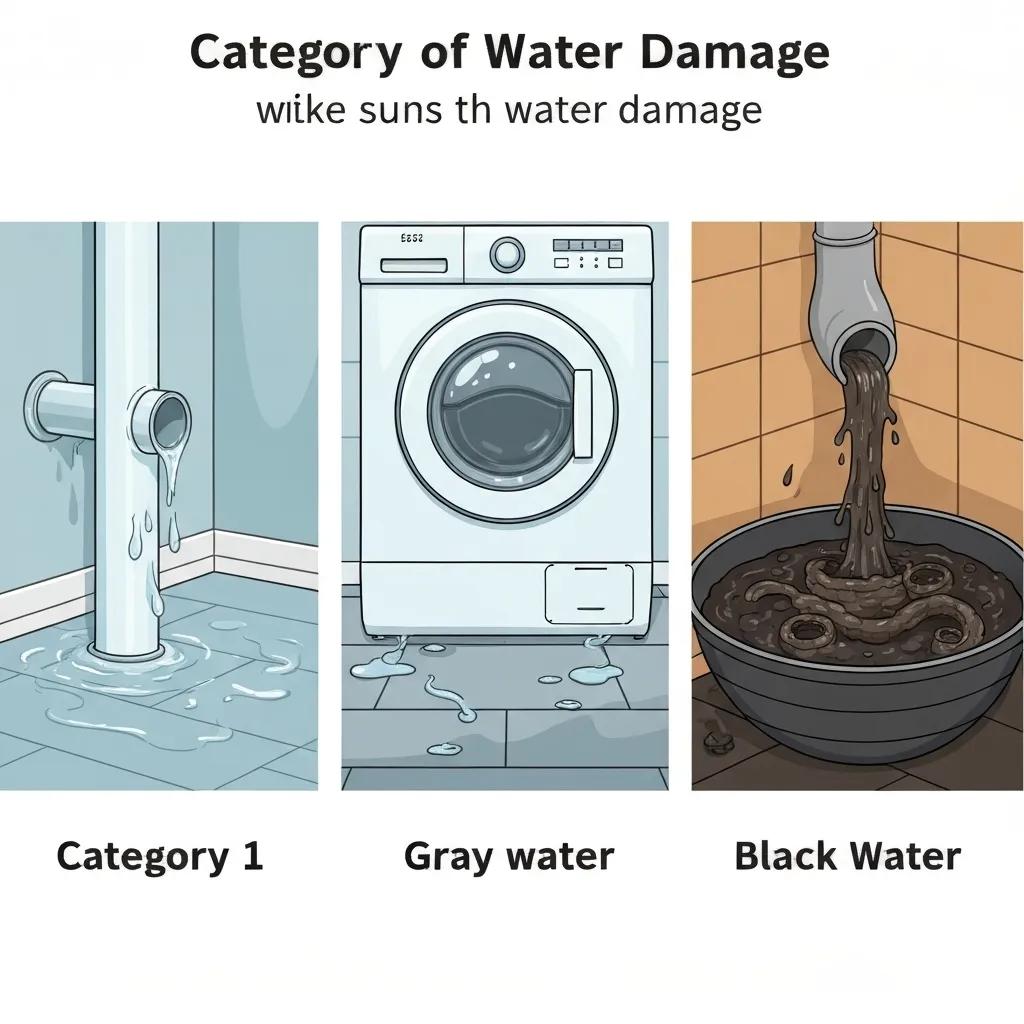
Water damage is classified by contamination level (Category) and by saturation severity (Class), guiding safety protocols and equipment choices. Understanding these distinctions ensures the correct mitigation strategy for every loss scenario.
Water Type → Contamination Level → Health Risk
| Water Type | Contamination Level | Health Risk |
|---|---|---|
| Category 1 (Clean) | Minimal chemical or microbial content | Low, poses little health risk |
| Category 2 (Gray) | Contains detergents, food waste, or moderate contaminants | Moderate, may cause discomfort or illness |
| Category 3 (Black) | Sewage, chemical waste, or highly toxic fluids | High, serious health hazard |
| Class 1 (Low) | Affects less than 5% of materials | Minor; slow evaporation |
| Class 2 (Moderate) | Affects 5–40% of materials | Moderate; water wicking |
| Class 3 (High) | Affects over 40% of materials | Significant absorption |
| Class 4 (Specialty) | Deeply bound or specialty materials | Requires specialty drying |
Categories define contamination and safety precautions while classes determine drying methods, creating a structured approach to restoration that flows into detailed step-by-step procedures.
Water Damage Categories and Health Risks
Water damage is categorized by contamination level (Category) and saturation severity (Class), which guides safety protocols and equipment choices. Understanding these distinctions ensures the correct mitigation strategy for every loss scenario, impacting health risks and restoration approaches.
Federal Emergency Management Agency (FEMA), “Understanding Water Damage” (2024)
This source provides a framework for understanding the different categories of water damage and their associated health risks, which is directly relevant to the article’s discussion of water damage classification.
What Defines Category 1, 2, and 3 Water Damage?
Category 1 water damage involves clear, sanitary water from clean sources such as broken supply lines.
Category 2 gray water carries contaminants that may cause illness or discomfort, such as washing machine discharge or dishwasher overflow.
Category 3 black water contains sewage, chemical waste, or natural floodwaters, posing severe health risks.
- Category 1 water poses no significant health risk and allows normal protective gear usage.
- Category 2 water requires gloves, masks, and sometimes eye protection to prevent irritation or illness.
- Category 3 water mandates full protective suits, respirators, and strict disposal protocols.
Each category dictates safety measures and disposal requirements, leading directly into how water classes inform drying strategies.
How Are Water Damage Classes 1 to 4 Classified?
Classes gauge the volume of saturation and drying difficulty based on building materials:
- Class 1 affects only part of a room or low-porosity materials, allowing rapid evaporation.
- Class 2 involves entire rooms with porous materials like carpeting, requiring moderate drying.
- Class 3 saturates ceilings, walls, and floors, demanding high-capacity equipment.
- Class 4 refers to specialty drying situations with deeply embedded moisture in materials such as hardwood, plaster, brick, or concrete.
Class classification drives equipment selection and duration, which we explore in the next section on restoration steps.
How Do Categories and Classes Impact Restoration Steps?
The interplay of contamination category and material class determines inspection depth, protective gear, extraction method, and drying protocol:
- Category informs safety gear and disposal procedures.
- Class dictates moisture removal rate and equipment capacity.
- Higher classes often require structural removals before drying.
- Contamination level may require antimicrobial treatments during cleaning.
These parameters shape each stage of the five-step restoration process that follows.
Puff Back vs Fire Damage: Assessment Tips by Restoration Experts
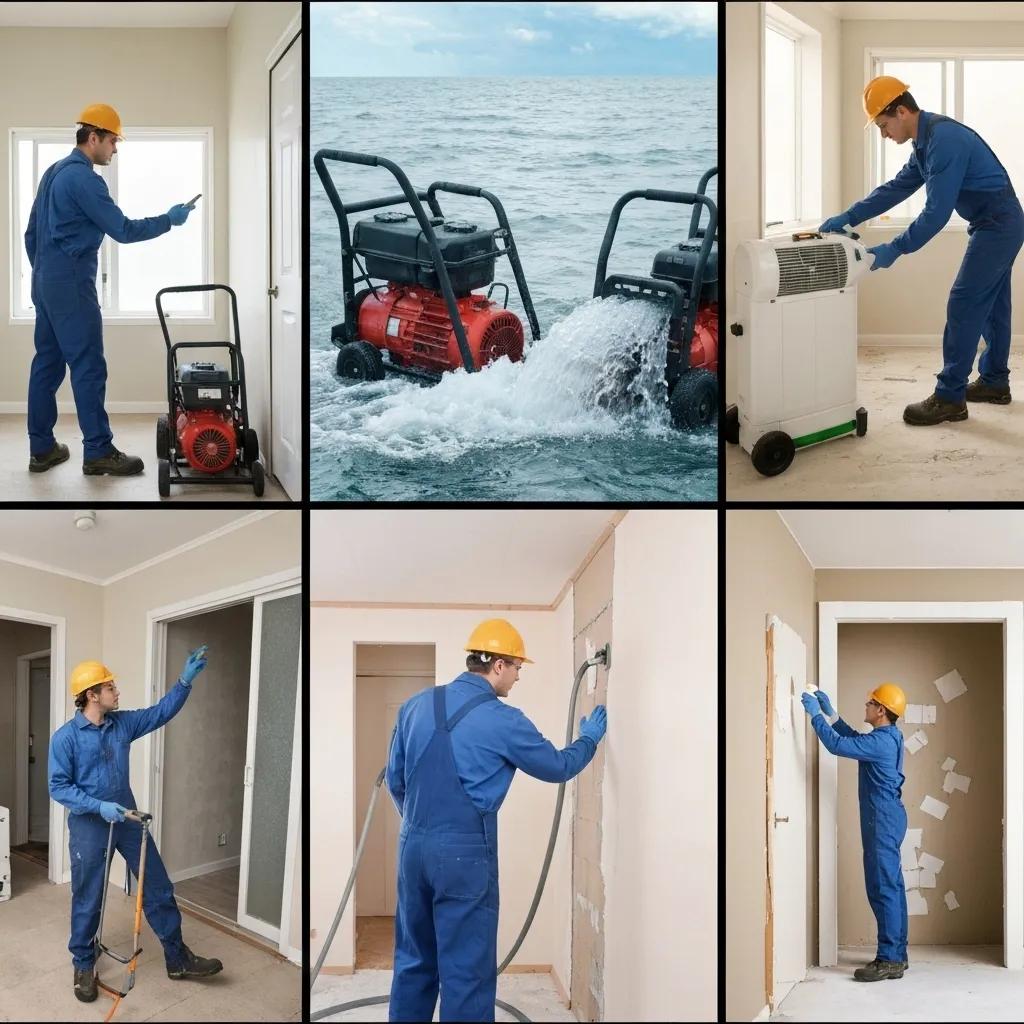
Professional water damage restoration follows five critical steps—assessment, extraction, drying, sanitization, and reconstruction—to restore structures safely and efficiently. For example, a flooded basement assessment identifies black water intrusion (Category 3) and Class 3 saturation, immediately triggering specialized protocols.
IICRC Standards for Water Damage Restoration
Professional water damage restoration follows five critical steps—assessment, extraction, drying, sanitization, and reconstruction—to restore structures safely and efficiently. Adherence to IICRC standards ensures a systematic approach that aligns with local requirements and best practices for effective restoration.
Institute of Inspection, Cleaning and Restoration Certification (IICRC), “S500 Standard for Professional Water Damage Restoration” (2015)
This citation supports the article’s emphasis on the importance of following IICRC standards in the water damage restoration process, specifically highlighting the five critical steps involved.
- Immediate Assessment and Inspection – Identify water source, contamination, and moisture mapping.
- Emergency Water Extraction and Removal – Deploy pumps and vacuums to eliminate standing water.
- Advanced Drying and Dehumidification – Use air movers and dehumidifiers to lower humidity and prevent mold.
- Thorough Cleaning, Sanitizing, and Deodorization – Apply antimicrobial treatments and odor neutralizers.
- Repair and Reconstruction – Replace water-damaged materials and rebuild to pre-loss condition.
This five-step framework ensures a systematic approach that aligns with IICRC standards and local requirements.
Step 1: How Is Immediate Water Damage Assessment and Inspection Conducted?
Immediate assessment combines visual inspection with moisture mapping to define scope and plan mitigation. Technicians use:
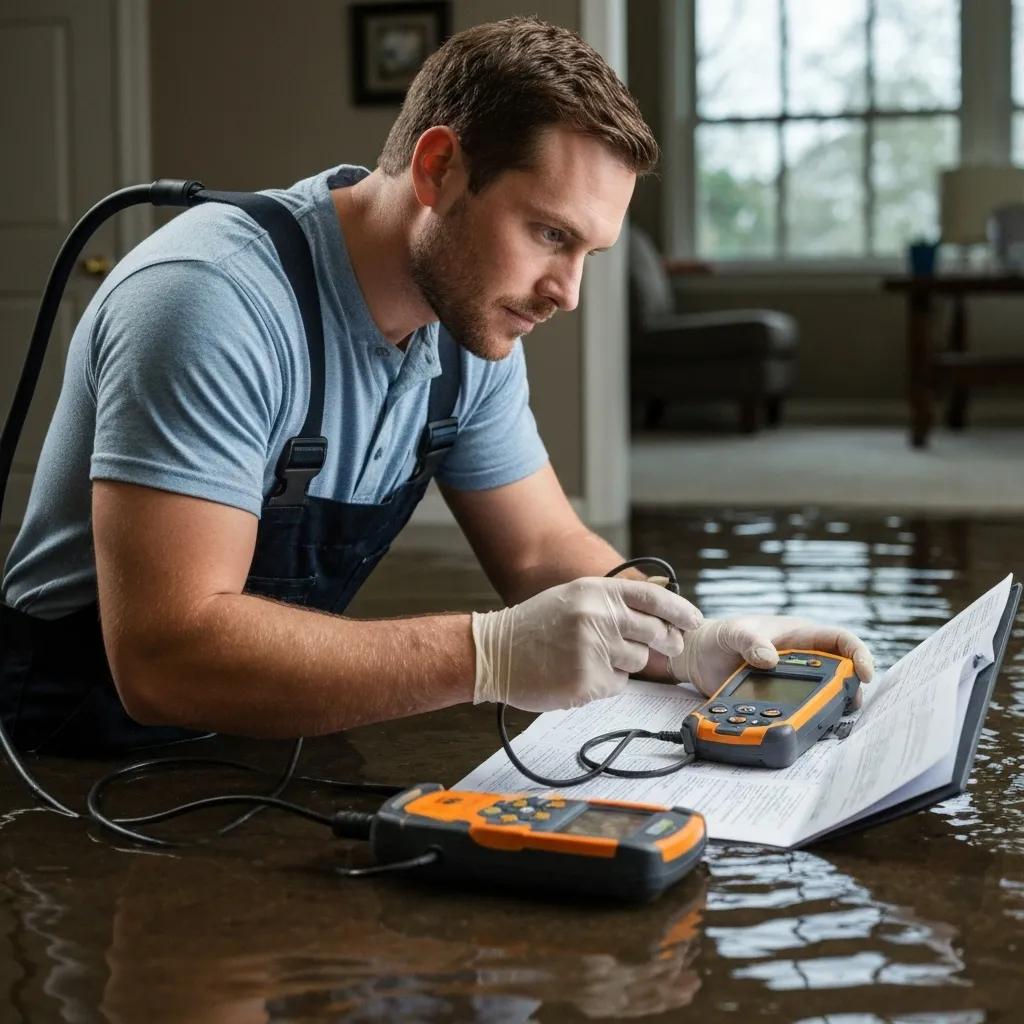
- Moisture meters to measure water content behind walls and under flooring.
- Thermal imaging cameras to identify hidden moisture pockets through temperature differentials.
- Hygrometers to gauge ambient humidity and vapor pressure.
Accurate mapping prevents overlooked wet zones and guides extraction plans, laying the groundwork for efficient water removal.
Step 2: Why Is Emergency Water Extraction Critical and What Equipment Is Used?
Emergency extraction halts ongoing damage and stops mold in its tracks by removing standing water within 24 to 48 hours. Common equipment includes:
- Submersible pumps that evacuate large volumes quickly.
- Truck-mounted or portable wet/dry vacuums for residual moisture.
- High-capacity trash pumps for contaminated Category 2 and 3 water.
Rapid extraction minimizes structural swelling and buoyancy of materials, transitioning seamlessly into targeted drying.
Step 3: How Does Advanced Drying and Dehumidification Prevent Further Damage?
Advanced drying and dehumidification lower moisture content below mold growth thresholds and prevent warping. Technicians employ:
- Industrial air movers positioned to create airflow beneath carpets and behind walls.
- Refrigerant dehumidifiers that condense moisture from the air.
- Desiccant dehumidifiers for low-temperature or specialty drying conditions.
- Case Example: In a Suffolk County townhouse, coordinated use of air movers and desiccant units reduced humidity from 85% to 40% in 48 hours.
Controlled drying mitigates secondary damage and prepares surfaces for cleaning protocols.
Step 4: What Are the Best Practices for Cleaning, Sanitizing, and Deodorization?
Thorough cleaning and sanitization eliminate pathogens and neutralize odors, ensuring a healthy environment:
- Apply EPA-registered antimicrobial solutions to remove bacteria and mold spores.
- Use HEPA-filtered vacuums to capture particulates.
- Deploy odor-counteractant foggers to penetrate porous materials.
Effective treatments restore indoor air quality and prevent lingering health risks, seamlessly leading into reconstruction.
Step 5: How Is Water Damage Repair and Reconstruction Performed?
Repair and reconstruction rebuild affected areas to pre-loss condition, combining craftsmanship with code compliance:
- Remove and replace damaged drywall and insulation.
- Repair or install new subflooring and flooring materials (tile, hardwood, vinyl).
- Rebuild trim, baseboards, and cabinetry.
- Repaint walls with moisture-resistant coatings.
Completion of this phase restores full functionality and property value, concluding the core restoration journey.
How Can Mold Remediation and Prevention Be Integrated into Water Damage Restoration?
Integrating mold remediation ensures that water damage restoration also halts microbial growth at its source, safeguarding health and structural integrity. For instance, applying IICRC S520 protocols during drying prevents hidden mold colonization.
What Are the Signs of Mold After Water Damage?
Early detection of mold growth relies on visual and sensory indicators:
- Visible discoloration or fuzzy spots on walls, ceilings, and floors.
- Musty, earthy odors in basements or enclosed spaces.
- Increased respiratory irritation or allergy symptoms among occupants.
Recognizing these signs triggers targeted containment and remediation, which we outline next.
How Does Mold Remediation Follow IICRC S520 Standards?
IICRC S520 prescribes professional mold remediation protocols that protect occupants and technicians:
- Establish full containment using negative air chambers and sealed barriers.
- Use HEPA-filtered negative air machines to remove spores.
- Clean surfaces with antimicrobial agents and HEPA vacuuming.
- Perform clearance testing to confirm spore reduction.
Adherence to these standards delivers consistent, verifiable results and ensures safe reentry.
What Preventative Measures Stop Mold Growth Post-Restoration?
Maintaining long-term protection requires environmental control and monitoring:
- Install and maintain dehumidifiers to keep indoor humidity below 60%.
- Improve ventilation in high-moisture areas like basements and bathrooms.
- Conduct periodic moisture inspections with moisture meters.
These proactive steps lock in restoration success and help avoid costly future mold remediation.
How Do You Navigate Water Damage Insurance Claims in New York?
Navigating water damage insurance claims in New York demands accurate documentation, timely submissions, and clear communication with adjusters to secure maximum coverage.
What Documentation Is Needed for Water Damage Insurance Claims?
Comprehensive records streamline claim approval:
- Date-stamped photographs of damaged areas before and after extraction.
- Detailed inspection and mitigation reports from certified technicians.
- Receipts and invoices for emergency services, materials, and labor.
- Moisture mapping data and drying logs.
Complete documentation reduces disputes and accelerates reimbursement timelines.
How Can Restoration Experts Assist with Insurance Adjuster Communication?
Restoration Experts supports property owners by preparing professional estimate packages:
- Provide Xactimate-compatible scope of work and cost breakdowns.
- Coordinate adjuster site visits and guide inspections.
- Submit supplemental documentation for unforeseen damages.
Expert liaison services ensure claims proceed smoothly and avoid coverage gaps.
What Are Common Pitfalls in New York Water Damage Claims?
Certain missteps can derail claims or limit payouts:
- Delayed reporting leading to coverage denials.
- Incomplete photo documentation of all affected zones.
- Overlooking mold-related expenses under secondary damage.
- Misclassification of water category or class.
Awareness of these pitfalls allows homeowners and managers to work proactively with professionals who understand local policy requirements.
What Advanced Technology and Equipment Are Used in Water Damage Restoration?
Cutting-edge technology accelerates restoration timelines, improves accuracy, and prevents secondary damage, reinforcing trust in professional interventions.
| Equipment | Purpose | Impact |
|---|---|---|
| Moisture Meter | Measure moisture in materials | Provides precise moisture mapping |
| Thermal Camera | Visualize temperature differences | Identifies hidden water pockets |
| Submersible Pump | Remove large volumes of standing water | Reduces extraction time dramatically |
| Air Mover | Generate high-velocity airflow | Speeds evaporation and drying |
| Refrigerant Dehumidifier | Condense and remove airborne moisture | Lowers humidity and inhibits mold growth |
How Do Moisture Meters and Thermal Cameras Improve Damage Assessment?
Moisture meters quantify moisture content within walls and floors, while thermal cameras detect temperature anomalies caused by hidden water. These tools:
- Identify wet pockets behind drywall.
- Track drying progress by comparing moisture readings over time.
- Prevent secondary damage by pinpointing problem areas.
Accurate assessment drives efficient resource allocation during extraction and drying.
What Industrial Equipment Is Used for Water Extraction and Drying?
High-power machinery enables rapid mitigation:
- Truck-mounted pumps for continuous high-volume removal.
- Portable wet/dry vacuums for confined spaces.
- Desiccant units for low-temperature or specialty drying.
- Air scrubbers to maintain air quality during remediation.
Use of specialized gear minimizes downtime and restores environments to safe conditions.
How Does Technology Speed Up Restoration and Prevent Mold?
Integrated use of cutting-edge equipment reduces project duration and mold risk:
- Real-time moisture monitoring avoids over- or under-drying.
- Automated dehumidifier controls maintain consistent humidity levels.
- Data-driven drying plans optimize air mover and dehumidifier placement.
Technology-driven workflows ensure comprehensive drying and sanitation, blocking mold before it begins.
What Are Expert Tips to Prevent Future Water Damage in New York Properties?
Proactive maintenance and environmental awareness form the cornerstone of long-term water damage prevention for homes and commercial buildings in Long Island and NYC.
How Can Homeowners and Property Managers Reduce Water Damage Risks?
Maintain building systems and inspect regularly:
- Inspect roof flashing, gutters, and downspouts quarterly.
- Service sump pumps and backwater valves annually.
- Seal foundation cracks and maintain proper grading around structures.
- Monitor appliance connections and replace aging hoses.
These preventive actions limit water entry and enable early detection of potential failures.
What Local Weather and Environmental Factors Increase Water Damage Risks?
New York’s climate introduces specific challenges:
- Nor’easters and coastal storms can inundate basements and first floors.
- Rapid snowmelt in spring leads to groundwater rise.
- Intense summer thunderstorms create flash flooding in urban areas.
Understanding local patterns helps tailor protective measures to seasonal threats.
How Does Regular Property Monitoring Help Avoid Costly Restorations?
Routine checks identify emerging issues before they escalate:
- Use moisture sensors in basements and crawlspaces.
- Schedule professional inspections after major storms.
- Maintain digital logs of readings to track trends.
Ongoing monitoring strengthens resilience and reduces reliance on emergency services.
Why Choose Restoration Experts for Water Damage Restoration in Long Island and NYC?
Restoration Experts combines local knowledge, industry certification, and rapid-response capabilities to deliver pre-loss quality results with minimal disruption.
What Emergency Services and Rapid Response Options Are Available?
Our 24/7 emergency hotline ensures technicians arrive within two hours, equipped to:
- Evaluate classification and contamination on arrival.
- Begin extraction immediately to stop ongoing damage.
- Provide temporary containment and structural stabilization.
Rapid mobilization prevents secondary issues and demonstrates our commitment to swift recovery.
How Does Restoration Experts Ensure Restoration to Pre-Loss Condition?
We adhere strictly to IICRC S500 and S520 standards, employing:
- Certified technicians following documented protocols.
- Quality control checks at every phase, from drying logs to final walkthroughs.
- Photo documentation and third-party testing when required.
This systematic approach guarantees consistent restoration outcomes and customer confidence.
What Local Experience and Customer Success Stories Support Our Expertise?
With over 15 years serving Long Island and NYC, our portfolio includes:
- Fast flood recovery in a Suffolk County rental property damaged by coastal surge.
- Commercial water extraction and reconstruction for a Manhattan office tower.
- Basement mold mitigation and rebuild in a Nassau County townhouse.
Proven results and glowing testimonials reinforce our status as the region’s trusted restoration partner.
Rapid, professional intervention not only salvages property and possessions but also restores peace of mind. Contact Restoration Experts today for a free consultation, emergency dispatch, or detailed quote tailored to your New York property’s needs. Let our certified team guide you through every step of the water damage restoration process, ensuring a swift return to safe, dry, and fully functional spaces.
Frequently Asked Questions
What should I do immediately after discovering water damage?
Upon discovering water damage, your first step should be to ensure safety by turning off electricity and gas in the affected area. If possible, stop the source of water intrusion, such as turning off the main water supply. Document the damage with photos for insurance purposes, and avoid using electrical appliances in wet areas. Contact a professional water damage restoration service promptly to assess the situation and begin the mitigation process, as quick action can significantly reduce damage and costs.
How can I tell if my property is at risk for water damage?
To assess your property’s risk for water damage, regularly inspect areas prone to moisture, such as basements, attics, and around appliances. Look for signs of leaks, such as water stains, mold growth, or musty odors. Additionally, consider your local climate and weather patterns, as heavy rainfall, snowmelt, or flooding can increase risk. Installing moisture sensors and maintaining your plumbing and roofing systems can also help mitigate potential water damage risks.
What are the long-term effects of water damage if not addressed?
If water damage is not addressed promptly, it can lead to severe long-term consequences, including structural damage to your property, mold growth, and compromised indoor air quality. Prolonged exposure to moisture can weaken building materials, leading to costly repairs and renovations. Additionally, mold can pose serious health risks, causing respiratory issues and allergic reactions. Therefore, timely intervention is crucial to prevent these adverse effects and ensure a safe living environment.
How can I prevent mold growth after water damage restoration?
To prevent mold growth after water damage restoration, ensure that the affected area is thoroughly dried within 24 to 48 hours. Use dehumidifiers and air movers to maintain low humidity levels. Regularly inspect for any signs of moisture or leaks, and ensure proper ventilation in high-humidity areas like bathrooms and kitchens. Additionally, consider applying antimicrobial treatments during the restoration process to inhibit mold growth and maintain a healthy indoor environment.
What should I include in my water damage insurance claim?
When filing a water damage insurance claim, include comprehensive documentation to support your case. This should consist of date-stamped photographs of the damage, detailed reports from restoration professionals, and receipts for any emergency services or repairs. Additionally, provide moisture mapping data and drying logs to demonstrate the extent of the damage and the steps taken for mitigation. Thorough documentation can expedite the claims process and help ensure you receive the coverage you deserve.
Are there any specific regulations for water damage restoration in New York?
Yes, water damage restoration in New York is subject to specific regulations and standards, primarily governed by the Institute of Inspection, Cleaning and Restoration Certification (IICRC). Professionals must adhere to IICRC S500 and S520 standards, which outline best practices for water damage restoration and mold remediation. Additionally, local building codes and health regulations may apply, so it’s essential to work with certified professionals who are familiar with these requirements to ensure compliance and safety.
Conclusion
Understanding the water damage restoration process is crucial for safeguarding your property and health. By following the outlined steps and utilizing professional services, you can effectively mitigate damage and prevent future issues. Don’t wait for water damage to escalate; take proactive measures today. Contact Restoration Experts for a free consultation and let us help you restore your space to its pre-loss condition.