
November 8, 2025
Essential Steps for Effective Puff Back Damage Assessment

Understanding Puff Back Damage Assessment Techniques: Signs, Causes, Cleanup Costs, and Insurance Coverage
A puff back is a sudden furnace backfire that spreads oily soot and combustion byproducts throughout a building, and understanding puff back damage assessment techniques helps homeowners protect health, structure, and insurance recoveries. This article explains how professionals identify puff back events, why rapid and technical assessment matters, and what homeowners should expect from a remediation workflow. Readers will learn the common visual, olfactory, and auditory signs of puff back damage; the mechanical causes in oil and gas systems; professional assessment tools and IICRC-guided reporting; and how to manage costs and insurance. Practical steps for immediate safety, health-risk mitigation, and prevention are included so homeowners can reduce long-term losses, speed claims, and make informed decisions about remediation. The following sections walk through signs and detection, root causes, professional assessment methods, health and safety concerns, cost drivers and service inclusions, insurance claims navigation, and preventive maintenance with New York regional context. Targeted keywords such as puff back damage assessment, soot damage evaluation, furnace puff back inspection, and puff back restoration Long Island are woven into the guidance to support practical action and informed conversations with technicians and insurers.
What Are the Common Signs of Puff Back Damage?
Puff back damage is primarily identified by the presence of oily, black soot and distinctive patterns like carbon webbing that cling to surfaces because unburned fuel and combustion particulates spread rapidly during the backfire. The mechanism is sudden ignition of accumulated fuel in the combustion chamber or burner, which forces soot-laden exhaust through ducts and into living spaces, producing stains, deposits, and persistent odors that indicate deep contamination. Early detection reduces remediation scope and prevents secondary damage like corrosion or odor absorption into porous materials. Below are the most reliable signs to check, followed by a short diagnostic checklist that helps prioritize professional assessment.
Puff back events typically produce several observable indicators:
- Oily black soot on ceilings, walls, and fabrics that smears rather than brushes away easily.
- Carbon webbing: fine, filamentous soot patterns near vents, light fixtures, and horizontal surfaces.
- A persistent burnt oil smell that does not dissipate with simple ventilation.
These signs point to contamination that requires technical inspection and specialized cleaning to fully remove residues and odors, which leads into methods for identifying visual patterns and hidden contamination.
How to Identify Visual Signs Like Soot Stains and Carbon Webbing

Visual soot from a puff back looks greasy and often leaves a dark, film-like deposit that differs from dry dust; the film smears and transfers when touched, indicating hydrocarbon-laden particulates that have adhered to surfaces. Carbon webbing appears as fine, spiderweb-like filaments concentrated near vents, light fixtures, and the highest points of rooms where airflow first deposits soot; identifying these patterns helps estimate the airflow paths of contaminated air. Inspect fabrics, upholstery, and HVAC registers because soot will cling to porous and textured materials sooner than to flat painted surfaces, and note differences between light smearing (superficial) and heavy deposition (deep penetration). Accurate visual documentation with photographs and notes is critical for later damage reporting and insurance claims, and this visual inspection naturally leads to assessing olfactory cues that signal deeper material penetration.
What Does a Burnt Oil Odor Indicate About Puff Back Damage?
A burnt oil odor after a puff back indicates that unburned oil and combustion byproducts have deposited volatile organic compounds (VOCs) into porous materials and indoor air; the odor’s persistence often signals deeper contamination. The chemistry involves hydrocarbon residues and phenolic compounds that off-gas over days or weeks, and prolonged smell after ventilation suggests penetration into drywall, insulation, cabinetry, and soft contents. Immediate homeowner steps include ventilating safely (open windows if outdoor conditions permit), shutting off the heating system to prevent re-entrainment, and documenting the odor with time-stamped notes and photos rather than attempting aggressive cleaning that can spread soot. Noting odor intensity and locations helps technicians target air quality testing and localized cleaning, which is the next step in assessing hidden or structural damage.
Which Unusual Furnace Noises Signal a Puff Back Event?
Unusual furnace noises such as popping, banging, or an abrupt rumble during startup often indicate delayed ignition or accumulation of fuel that ignited explosively — the mechanical cause of many puff back events. Popping typically means small pockets of fuel ignited in sequence, while a louder bang may reflect greater fuel accumulation or transient pressure spikes in the combustion chamber; both noises should trigger immediate shutdown and professional inspection. Homeowners should record the time and description of the noise and avoid restarting the system until an HVAC technician inspects the burner and ignition components. Documenting noises and correlating them with visible soot patterns strengthens assessment results and prepares the home for technical diagnostic tools like borescopes and infrared imaging.
How to Detect Hidden or Structural Damage After a Puff Back
Hidden contamination from puff back frequently occurs in cavities such as wall voids, attic insulation, ductwork, and behind baseboards, and professional tools like infrared cameras, borescopes, and moisture meters help locate concealed residues and secondary moisture or corrosion. Moisture mapping can reveal areas where soot-laden deposits have combined with condensation to promote material breakdown and potential mold growth, while borescope duct inspections show soot within HVAC passages that can reintroduce contaminants if left untreated. Proactive detection prevents progressive damage such as metal corrosion, insulation saturation, and persistent odor sources, and leads naturally to the formal professional assessment workflow that defines scope, testing, and remediation timelines.
What Causes Puff Back in Oil Furnaces and Heating Systems?
Puff back events arise when unburned fuel accumulates in a combustion chamber and then ignites suddenly, and the primary mechanisms include delayed ignition, clogged nozzles, faulty electrodes, and erratic burner cycles. In oil-fired systems, nozzle malfunction or buildup on electrodes alters spray and ignition timing, allowing oil to pool or vaporize and then combust explosively, while gas systems may produce similar backflow patterns when ignition fails or pressure surges occur. The result is rapid expulsion of soot and oily particulates into the structure via vents and openings, creating the characteristic contamination that requires professional evaluation. Understanding these root causes helps homeowners and technicians focus inspection on burner components and maintenance histories to prevent recurrence.
The mechanical failure points commonly implicated in puff back include:
- Nozzle clogging or wear that changes spray pattern and fuel atomization.
- Delayed ignition caused by weak electrodes, improper gap, or timing issues.
- Fuel supply anomalies and burner cycle irregularities that allow fuel buildup.
Tracking these failure modes supports targeted repairs and informs the recommended maintenance actions that can reduce puff back risk.
How Do Malfunctioning Oil Burners Lead to Puff Back Damage?
Oil burners atomize fuel through a nozzle and ignite it with electrodes on a timed cycle; when components fail or timing drifts, unburned oil accumulates and later ignites in an uncontrolled way, producing a puff back. Mechanical faults such as worn nozzles, deteriorated electrodes, or incorrect air-fuel adjustments change the combustion dynamics and increase soot generation during the misfire and the eventual backfire. Technicians assess burner cycles, combustion analysis, and visible wear to determine whether a puff back resulted from acute failure or chronic maintenance neglect. Identifying the specific burner fault guides both immediate repair and preventive measures to stop repeated events.
What Role Do Delayed Ignition and Clogged Nozzles Play?
Delayed ignition occurs when fuel is present but ignition is late, allowing fuel to accumulate and produce a stronger, soot-rich ignition when it finally lights; clogged nozzles change atomization and spray angle, increasing unburned fuel and soot output. Together these issues create the exact condition that leads to an explosive backfire, and they are detectable through combustion testing and nozzle inspection during routine service. Preventive maintenance such as scheduled nozzle changes, electrode adjustment, and combustion tuning reduces both soot production and the likelihood of delayed ignition. Recognizing these failure patterns informs both remediation requirements and the homeowner’s maintenance plan, which is addressed further in the prevention section.
How Does Lack of Maintenance Increase Puff Back Risk?
Skipping recommended annual or semi-annual burner service allows small faults to grow into major failures; deposits build on nozzles and electrodes, filters clog, and combustion tuning drifts, all of which raise puff back risk over time. Maintenance neglect also increases soot accumulation within ducts and housings, which amplifies the contamination volume if a puff back does occur, leading to larger restoration scopes and higher costs. Regular inspections catch early signs like irregular flame patterns, increased smoke, or unusual odors, and keeping service records can be critical during insurance claims. Establishing a maintenance log and aligning with qualified HVAC technicians minimizes both the probability of puff back and the potential restoration burden.
Are Gas Furnace Puff Backs Different from Oil Furnace Incidents?
Gas and oil puff back incidents share the fundamental mechanism of delayed or abnormal ignition, but soot characteristics and remediation approaches differ because oil produces oily, hydrocarbon-rich soot while gas incidents may yield drier soot and different residue chemistry. Gas furnace failures that backfire tend to deposit less oily residue yet can still pollute ducts and surfaces; oil puff backs require more aggressive solvent-based cleaning and odor control due to hydrocarbon penetration. Safety protocols differ as well: gas incidents demand immediate gas-supply checks and pressure testing, whereas oil events concentrate on burner nozzle and atomization inspections. Understanding the fuel-specific patterns helps technicians select the correct cleaning agents, containment, and decontamination procedures.
How Is Puff Back Damage Professionally Assessed?
Professional assessment of puff back damage is a structured process combining safety triage, targeted tools, IICRC-guided standards, and a documented damage report that supports remediation and insurance claims. The mechanism is: initial safety and containment to protect occupants, followed by diagnostic testing (visual, borescope, infrared, moisture mapping, and air sampling) to quantify contamination depth and distribution, then compilation of a remediation scope and estimate. Adherence to IICRC standards such as S500 and S520 informs sampling, cleaning, and documentation practices so insurers and homeowners have a consistent framework for decisions. The following subsections explain homeowner triage, the tools technicians use, standards guidance, and report components, and include an EAV table comparing tools to detection capabilities.
Begin with immediate safety and triage steps and then progress into technical inspection and reporting.
What Are the Initial Safety Steps Homeowners Should Take?
Initial safety steps after a suspected puff back focus on reducing exposure and preventing secondary spread: shut off the heating system, avoid forced-air circulation, and ventilate by opening windows when outdoor conditions permit. Homeowners should not attempt aggressive cleaning, as wiping or vacuuming with non-HEPA equipment can smear soot and drive particles deeper into materials; instead, take photographs of affected areas and inventory affected contents for insurance documentation. If occupants experience symptoms like headaches, dizziness, or respiratory irritation, they should leave the space and seek medical advice while notifying professionals for urgent assessment. Documented initial actions both protect health and create an evidentiary timeline for claims and remediation planning.
Technicians will follow up with diagnostic tools that locate hidden contamination and quantify air quality.
Which Tools Do Technicians Use for Puff Back Damage Evaluation?
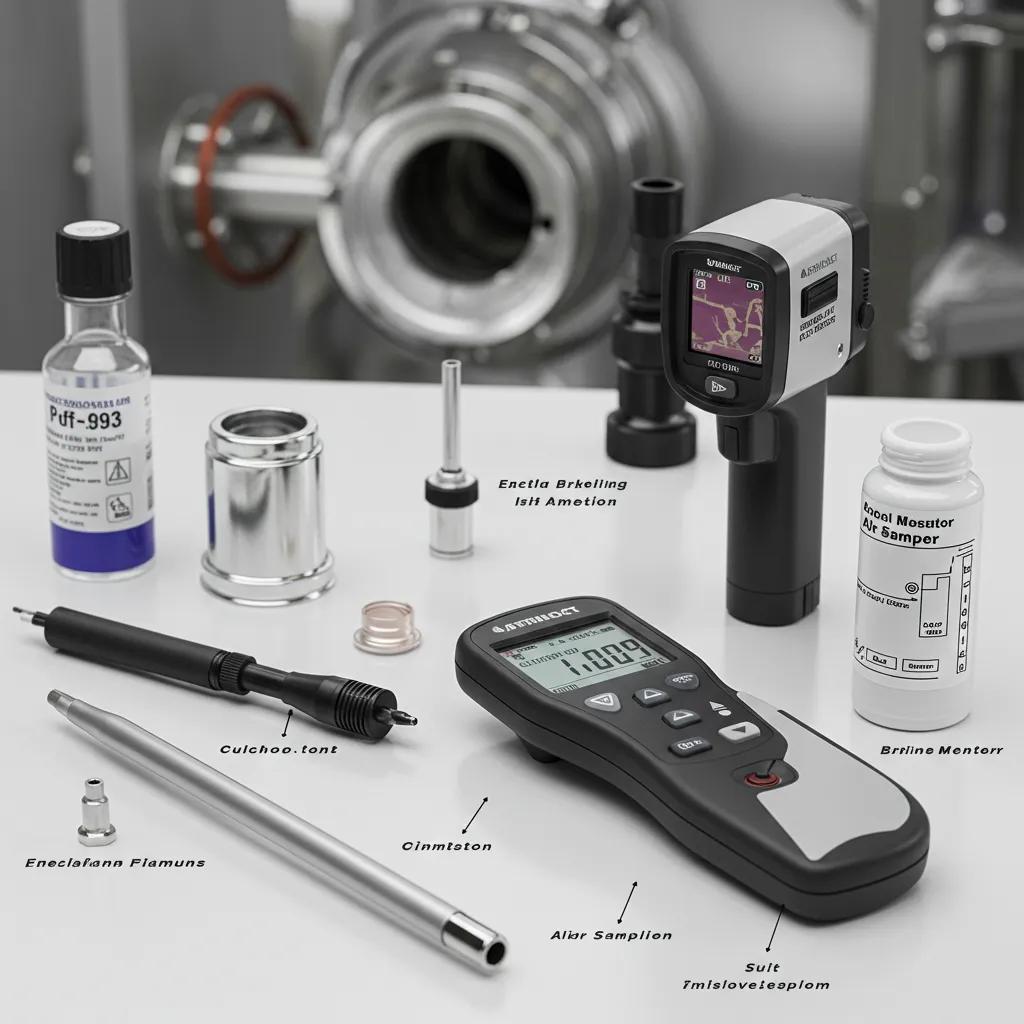
Technicians use a suite of diagnostic tools to find visible and concealed contamination and to measure air and material conditions: borescopes for duct inspection, infrared cameras for thermal anomalies and hidden deposits, moisture meters for condensation-related issues, and particulate/air samplers for airborne soot concentration. Each tool contributes a specific detection capability that, combined, reveals the full contamination footprint and informs scope and required cleaning methods. Typical inspection durations depend on property size but usually include photo documentation, sample collection, and a preliminary verbal scope followed by a written report. The table below maps core tools to what they detect and why that matters for planning remediation.
Introductory explanation: The following table compares common assessment tools and the specific detections they enable so homeowners and adjusters understand diagnostic value.
| Tool | Attribute Measured | Detection Capability |
|---|---|---|
| Infrared camera | Thermal anomalies | Reveals hidden voids, insulation hotspots, and areas where soot and moisture change thermal signatures |
| Moisture meter | Surface/subsurface moisture | Identifies damp areas where soot may have combined with condensation, raising mold risk |
| Borescope | Interior duct/void imagery | Visualizes soot deposits inside ducts, plenums, and wall cavities without destructive opening |
| Air sampler/particle counter | Airborne particulate concentration | Quantifies soot particulate levels and supports clearance testing after cleanup |
This tool comparison clarifies how diagnostic equipment reduces uncertainty and yields actionable remediation scopes that both contractors and insurers can rely on.
After tools and detection, the assessment is matched to IICRC standards for reporting and remediation.
At this point, Restoration Experts can be engaged for IICRC-certified assessment and cleanup. Restoration Experts provides a ‘Puff Back & Soot’ cleanup service delivered by IICRC-certified technicians who perform standardized inspections, document contamination with photos and test results, and produce a remediation scope designed to coordinate with insurers. For emergency situations or to request assessment, homeowners can contact Restoration Experts at (631) 588-1110 for rapid response and technical coordination.
How Do IICRC Standards Guide the Damage Assessment Process?
IICRC standards such as S500 (Water Damage Restoration) and S520 (Mold Remediation) provide methodological frameworks that are applied analogously to soot and smoke restoration to ensure consistent sampling, cleaning protocols, and clearance criteria. These standards guide acceptable cleaning techniques, documentation practices, and the use of containment and filtration so remediation is defensible to insurers and protective of occupant health. Following IICRC-based procedures increases the likelihood that insurance adjusters accept the assessment and scope because it relies on industry-recognized criteria. Using standards also clarifies deliverables such as pre- and post-cleaning test results, which is essential for both remediation quality and claim settlement.
What Does a Detailed Damage Report Include?
A detailed damage report compiles the scope of contamination, photographic evidence, diagnostic test results (air, surface, moisture), recommended remediation steps, line-item cost estimates, and an estimated timeline for completion. The report explains affected materials, prioritizes emergency actions, and includes recommendations for HVAC cleaning, content restoration, and odor control measures, providing insurers with the documentation needed for claim evaluation. Delivery formats typically include a PDF report with annotated photos and appendices for lab results; having a robust report expedites conversations with adjusters and helps homeowners understand next steps. Well-structured reports bridge technical assessment and practical remediation planning and streamline the path to restoration and claim settlement.
What Are the Health Risks Associated with Puff Back Soot and How Is Safety Ensured?
Puff back soot is chemically complex and can contain carbon particulates, hydrocarbons, and VOCs that pose respiratory and, in some cases, longer-term health risks; recognizing these hazards is central to the assessment and cleanup plan. The mechanism of harm is inhalation and dermal contact with fine particulate matter and adsorbed toxic compounds, which can exacerbate asthma, respiratory irritation, and in chronic exposure scenarios contribute to more serious outcomes. Professional remediation mitigates these risks through containment, HEPA filtration, PPE for workers, and validated clearance testing before re-occupancy. The subsections cover toxicity, carbon monoxide risks, protective measures during cleanup, and how remediation reduces respiratory impacts.
Understanding the toxic components leads to safe detection and containment measures.
Why Is Puff Back Soot Considered Toxic and Carcinogenic?
Puff back soot contains incomplete combustion products including polycyclic aromatic hydrocarbons (PAHs), soot-bound VOCs, and fine carbon particles that can adsorb hazardous organics; many combustion byproducts are associated with respiratory irritation and are flagged by authorities as potentially carcinogenic in chronic exposure. Short-term exposures commonly produce coughing, eye irritation, and headaches, while repeated or high-level exposure increases risk and warrants professional testing. Authorities recommend avoiding unprotected cleanup and relying on laboratory or field air sampling when indoor concentrations are high; medical consultation is advised for symptomatic occupants. These health considerations inform why remediation requires trained technicians and validated clearance testing.
How Can Carbon Monoxide Exposure Occur After a Puff Back?
Carbon monoxide (CO) can be a byproduct of incomplete combustion and, after a puff back, residual combustion systems may still be producing CO if burners are malfunctioning or ventilation is inadequate. CO is odorless and toxic at low concentrations, so functioning detectors and professional CO testing are essential after any combustion-related event, and occupants should evacuate if detectors alarm or symptoms develop. Technicians include CO checks as part of safety triage and recommend appliance lockout until repairs and safety verifications are completed. Combining CO assessment with particulate and VOC sampling creates a comprehensive safety profile for re-entry decisions.
What Protective Measures Are Taken During Professional Cleanup?
Professional cleanup employs respiratory protection (N95/half- or full-face respirators with P100 filters for workers), disposable coveralls, gloves, and eye protection, alongside engineered controls such as negative-pressure containment and HEPA air filtration to prevent cross-contamination. Containment minimizes spread to unaffected areas, and specialized extraction and solvent cleaning protocols remove oily residues without smearing; waste is handled per local regulations to avoid environmental release. Homeowners are advised to stay out of work zones and follow technician instructions for safe re-entry and content handling. These protective measures both safeguard workers and reduce the likelihood of lingering contamination.
How Does Professional Remediation Mitigate Respiratory Issues?
Remediation reduces respiratory risks by removing particulate reservoirs, capturing airborne soot with HEPA filtration, and deodorizing using appropriate, controlled methods that neutralize VOCs rather than masking odors. Follow-up air sampling and clearance criteria verify that particulate counts and VOC levels have returned to acceptable ranges, guiding safe re-occupancy decisions. Remediation also restores HVAC systems to prevent re-entrainment of soot into living spaces, which is key to long-term respiratory protection. Timely, standards-based cleanup shortens the timeline for symptom resolution and reduces the chance of chronic exposure.
How Much Does Professional Puff Back Cleanup Cost and What Does It Include?
Professional puff back cleanup costs vary primarily with contamination extent, affected square footage, HVAC involvement, and the need for structural repairs; budgets typically range from targeted cleaning for minor incidents to full-scale restoration for severe events. The mechanism behind cost is the labor and materials needed for containment, specialized cleaning agents, HVAC duct cleaning, content restoration or pack-out, odor control, and any required repairs such as repainting or replacing porous materials. Prompt action reduces total cost by limiting penetration into materials and preventing secondary damage like mold or corrosion. The subsections below break down cost drivers, typical service inclusions, why DIY is discouraged, and recommended response timelines, followed by a cost-line-item table to clarify typical inclusions.
Before the table: this chart outlines common restoration line items and typical inclusion descriptions so homeowners can compare estimates.
| Service Item | Attribute / Purpose | Typical Inclusion |
|---|---|---|
| Inspection & Report | Scope definition | Visual inspection, diagnostic testing, photos, and written scope estimate |
| HVAC/Duct Cleaning | Remove duct contamination | Borescope inspection, vacuuming, and HEPA filtration services |
| Content Cleaning | Restore personal items | Surface cleaning, specialized laundering, and pack-out if needed |
| Odor Neutralization | VOC and odor control | Ozone/thermal fogging alternatives, odor counteractants, and air exchanges |
What Factors Influence the Total Cleanup Cost?
Key cost factors include the severity and area affected, whether HVAC systems and insulation are contaminated, the volume and value of contents requiring restoration, and whether structural repairs such as drywall replacement or repainting are necessary. Accessibility and the need for containment or long-duration odor control also increase labor hours and material usage, raising costs accordingly. Insurance involvement and deductible structures influence out-of-pocket expense for homeowners, and delays that allow soot to settle into materials increase both labor and replacement needs. Understanding these variables helps homeowners make informed mitigation choices that can reduce final restoration expenses.
What Are the Typical Services Included in Puff Back Restoration?
Typical puff back restoration services include a detailed inspection and report, containment and source isolation, surface and content cleaning using solvent and dry-cleaning methods for oily residues, HVAC system cleaning and verification, and odor neutralization plus post-cleaning air sampling to confirm clearance. Each service maps to homeowner benefit: inspection defines scope, containment prevents spread, cleaning restores surfaces and valuables, HVAC cleaning prevents re-entrainment, and odor control improves livability. Coordinating these services efficiently reduces downtime and helps insurers evaluate claims more quickly, which makes comprehensive scopes cost-effective in many cases.
At this stage, Restoration Experts commonly provides scopes that include inspection, moisture mapping, content cleaning, HVAC cleaning, and insurer coordination; homeowners can ask for a detailed estimate and documentation to share with adjusters by calling (631) 588-1110.
Why Is DIY Puff Back Cleanup Strongly Discouraged?
DIY approaches often smear oily soot, drive particulates deeper into porous surfaces, and risk uncontrolled spread through HVAC systems, which increases restoration scope and final cost when professionals are engaged later. Homeowners may also expose themselves to health hazards without proper PPE and containment, and DIY cleaning undermines insurance claims when reputable documentation and professional reports are absent. Illustrative case notes show that early improper cleaning commonly necessitates removal and replacement of materials that could have been restored with correct initial techniques. Calling certified professionals immediately preserves evidence, protects health, and typically reduces long-term costs.
How Quickly Should Cleanup Be Initiated to Minimize Costs?
Cleanup should begin with homeowner triage immediately (shutdown, ventilate, document) and professional assessment ideally within 24–72 hours to limit soot penetration into porous materials and to prevent secondary damage such as corrosion or mold growth. Rapid response reduces labor intensity for cleaning, lowers the need for replacement of contents and finishes, and shortens the duration of odor control measures. Restoration planning that includes prompt HVAC inspection and clearance testing often yields lower overall restoration costs when compared to delayed action. Fast, structured response facilitates both remediation efficiency and smoother insurance coordination.
Is Puff Back Damage Covered by Homeowners Insurance and How to Navigate Claims?
Many homeowners policies cover sudden and accidental furnace malfunctions that cause puff back damage, but coverage depends on specific policy language, exclusions for neglect or lack of maintenance, and the documented cause of the event. The claims mechanism requires clear documentation (photos, time-stamped notes, professional reports) and timely reporting to the insurer; delays or DIY cleaning before documentation can complicate coverage. Restoration companies can assist by producing IICRC-aligned reports, itemized estimates, and direct communication with insurers, improving the odds of a complete claim. The subsections below outline typical policy types, documentation checklists, how Restoration Experts supports claims, and common pitfalls to avoid.
Start by identifying which policy elements typically apply and what documentation insurers require.
What Types of Insurance Policies Typically Cover Puff Back Damage?
Standard homeowners policies often include coverage for sudden and accidental soot or smoke damage resulting from a covered peril, but coverage can vary based on exclusions related to maintenance, wear-and-tear, or gradual events. Policies that exclude damage stemming from neglect may deny claims if maintenance records are missing and the insurer attributes the event to a long-term failure. Consulting the policy declarations and contacting an adjuster promptly clarifies whether the incident likely qualifies, and involving professionals to document the sudden nature of the event strengthens the claim. If coverage questions arise, homeowners may consider public adjuster consultation to mediate disputes.
How Should Homeowners Document and Report Puff Back Damage?
Homeowners should document damage immediately with time-stamped photos of affected areas, videos showing odor or visible deposits, an inventory of damaged contents with values where possible, and written notes describing noises or operational anomalies at the time of the event. Retain copies of any HVAC service records and avoid cleaning actions that destroy evidence; instead, take clear photographs of soot patterns and collect preliminary witness statements if applicable. Promptly notify the insurer and provide the documentation and any professional preliminary report to support claim adjudication. Thorough documentation streamlines adjuster review and reduces the risk of claim denial based on insufficient evidence.
Introductory explanation for the table: The following table maps key insurance-related actions to documentation types that insurers typically require, helping homeowners prepare effective claims.
| Action / Step | Documentation Required | Typical Purpose |
|---|---|---|
| Document damage | Photos, videos, inventory | Establishes scope and timing of loss |
| Professional report | Inspection findings, test results | Provides technical basis for remediation scope |
| Repair estimates | Itemized contractor quotes | Supports cost justification for settlement |
| Timely notification | Claim submission records | Ensures policy timelines and prevents coverage denial |
How Does Restoration Experts Assist with Insurance Claims?
Restoration Experts supports homeowners by producing detailed IICRC-aligned inspection reports, providing photo documentation, generating itemized estimates, and offering direct communication with insurance adjusters to clarify technical findings. Their IICRC-certified technicians follow standardized assessment and cleaning protocols, which strengthens documentation credibility and helps accelerate insurer approvals. Homeowners seeking claim support or an estimate can request assistance by contacting Restoration Experts at (631) 588-1110 for coordinated documentation and response. Professional assistance reduces administrative burden for the homeowner and improves the likelihood of a claim that covers required restoration work.
What Are Common Pitfalls in Puff Back Insurance Claims to Avoid?
Common pitfalls include delayed notification to the insurer, DIY cleaning that distorts evidence, incomplete photo documentation, and failing to obtain a professional assessment before settling on repair approaches. These mistakes can lead to reduced settlements or outright denials when the insurer questions the cause, timing, or extent of the damage. Best practices are to document immediately, preserve evidence, secure a professional inspection, and provide complete documentation to the adjuster to avoid disputes. Avoiding these pitfalls improves claim outcomes and supports a timely, comprehensive restoration.
How Can Homeowners Prevent Future Puff Back Events?
Prevention centers on scheduled maintenance, vigilant monitoring for early burner performance signs, filter and nozzle care, and quick professional intervention at the first sign of irregular combustion; these steps reduce both the probability and impact of future puff back events. A disciplined maintenance program addresses the primary mechanical causes—delayed ignition, clogged nozzles, and worn electrodes—and documents service history that can be critical for insurance purposes. Local New York considerations such as regional fuel types and available HVAC services influence scheduling and technician selection, and homeowners in Long Island, NYC, Suffolk, and Nassau should incorporate regional service resources into their plans. The subsections present an annual checklist, filter and leak detection guidance, consultation triggers for HVAC technicians, and local recommendations.
Start by adopting an annual maintenance rhythm and clear homeowner responsibilities.
What Are the Key Annual Furnace Maintenance Steps to Prevent Puff Back?
Key annual furnace maintenance tasks include nozzle inspection and replacement, electrode gap checks and replacement as needed, combustion analysis and tuning, cleaning of burners and flame shields, and inspection of the fuel delivery system for leaks or blockages. Homeowners should track service dates and obtain written reports from technicians that document performed tasks and any recommended follow-ups; these records serve both safety and insurance needs. Some tasks require a certified HVAC technician while others (such as replacing accessible filters) can be homeowner-performed, and keeping a clear division of responsibilities helps ensure comprehensive prevention. Regular, recorded maintenance reduces the chance of unexpected puff back events and supports quicker diagnosis if issues arise.
How Can Filter Replacement and Oil Leak Detection Help?
Regular filter replacement maintains airflow and proper combustion conditions, while early detection of oil leaks prevents fuel pooling and contamination that can feed delayed ignition scenarios; both practices reduce puff back risk. Filters should be checked at manufacturer-recommended intervals and replaced when restricted, and homeowners should visually inspect the burner area and fuel lines for stains, odors, or drips that indicate leakage. If leaks are suspected, shut off the system and contact a technician for fuel system inspection; addressing leaks promptly protects both equipment and indoor air quality. These practical preventive steps reduce both mechanical failure probability and potential contamination volume if a puff back occurs.
When Should HVAC Technicians Be Consulted for Puff Back Prevention?
Consult HVAC technicians promptly when homeowners notice unusual noises at startup, persistent burnt oil odors, increased soot or smoke during operation, or irregular flame patterns visible through inspection ports; these triggers often precede puff back events. Seek technicians with demonstrated combustion testing capability and references for oil-fired system service, and request written service reports that record findings and actions taken. For New York-area homeowners, prioritize technicians familiar with regional fuel service practices and who can coordinate with local inspectors if required. Early professional consultation addresses small issues before they escalate into puff back incidents.
Are There Local Regulations or Recommendations for New York Homeowners?
Local recommendations in New York focus on compliance with local codes for fuel-burning appliances, safe fuel storage practices, and adherence to regional inspection requirements where applicable; homeowners should consult local municipalities and utility providers for specific mandates. Common regional advice includes using qualified technicians familiar with Long Island, NYC, Suffolk, and Nassau fuel systems, maintaining service records, and understanding local emergency response expectations for combustion-related incidents. Contacting local authorities or fuel suppliers for guidance on safe operation and emergency procedures helps homeowners meet regulatory expectations and access local resources quickly. Integrating regional recommendations into routine maintenance practices strengthens prevention and preparedness.
This final prevention guidance also aligns with available emergency response options from local restoration providers; homeowners who want ongoing maintenance relationships or emergency remediation can inquire about Restoration Experts’ rapid-response services and coordination with local HVAC partners by calling (631) 588-1110.
Frequently Asked Questions
What are the long-term effects of puff back damage on a home?
Long-term effects of puff back damage can include structural deterioration, persistent odors, and health risks due to lingering soot and VOCs. If not properly remediated, soot can penetrate porous materials like drywall and insulation, leading to mold growth and corrosion of metal components. Additionally, the presence of harmful particulates can exacerbate respiratory issues for occupants. Regular maintenance and prompt professional intervention are crucial to mitigate these risks and ensure a safe living environment.
How can homeowners identify potential puff back risks before they occur?
Homeowners can identify potential puff back risks by monitoring their heating systems for unusual noises, irregular flame patterns, and persistent odors. Regular maintenance, including nozzle inspections and combustion analysis, is essential to catch issues early. Keeping a maintenance log and scheduling annual inspections with qualified HVAC technicians can help prevent the accumulation of unburned fuel, which is a primary cause of puff backs. Awareness of these signs can lead to timely interventions and reduce the likelihood of incidents.
What should homeowners do if they suspect a puff back has occurred?
If homeowners suspect a puff back has occurred, they should immediately shut off the heating system to prevent further contamination. Ventilating the area by opening windows can help reduce exposure to harmful particulates. It’s crucial to document the damage with photos and notes before any cleaning attempts, as this information will be valuable for insurance claims. Homeowners should then contact a professional restoration service to assess the damage and initiate proper remediation.
Are there specific health symptoms to watch for after a puff back?
After a puff back, homeowners should be vigilant for health symptoms such as headaches, dizziness, respiratory irritation, or allergic reactions. These symptoms can arise from exposure to soot, VOCs, and carbon monoxide. If occupants experience any of these symptoms, they should leave the affected area immediately and seek medical attention if symptoms persist. It’s essential to address these health concerns promptly to prevent long-term effects and ensure a safe living environment.
What is the role of insurance in puff back damage recovery?
Insurance plays a critical role in recovering costs associated with puff back damage. Many homeowners’ policies cover sudden and accidental damage caused by furnace malfunctions, but coverage can vary based on policy specifics. Homeowners should document the damage thoroughly and report it to their insurer promptly. Engaging a professional restoration service can help produce the necessary documentation and reports to support the claim, increasing the likelihood of a successful recovery.
How can homeowners ensure their HVAC systems are safe from puff back risks?
To ensure HVAC systems are safe from puff back risks, homeowners should schedule regular maintenance, including inspections of burners, nozzles, and fuel lines. Keeping a maintenance log and addressing any irregularities, such as unusual noises or odors, can help prevent issues. Additionally, homeowners should replace filters regularly and monitor for signs of oil leaks. Consulting with qualified HVAC technicians familiar with local regulations and practices can further enhance safety and reduce the risk of puff backs.
Conclusion
Understanding puff back damage assessment techniques empowers homeowners to protect their health and property while navigating insurance claims effectively. By recognizing the signs, causes, and professional evaluation methods, individuals can mitigate risks and ensure timely remediation. Engaging with certified restoration experts not only enhances safety but also streamlines the recovery process. For immediate assistance and expert guidance, contact Restoration Experts today.