
October 30, 2025
Top Factors Behind Puff Back Damage: What You Need to Know
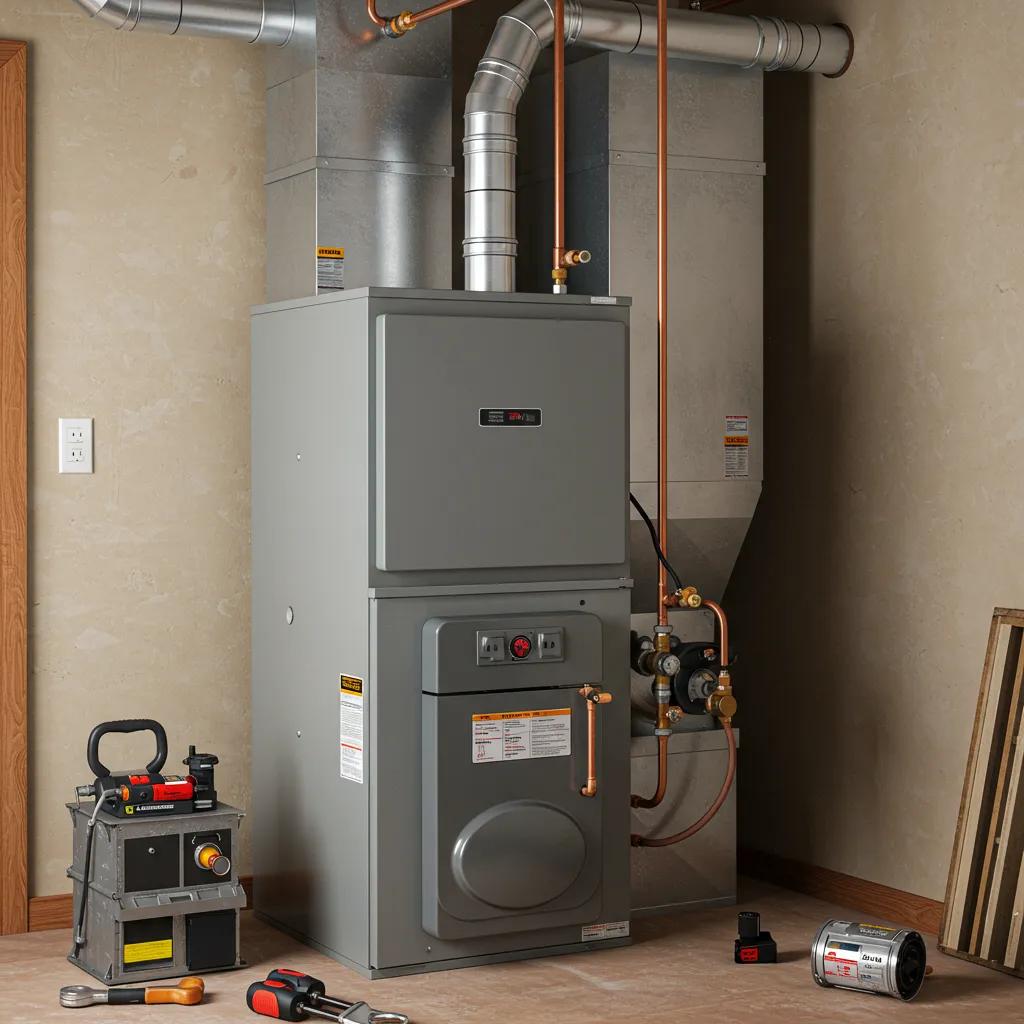
Understanding the Root Causes of Puff Back: Furnace Puff Back Causes and Prevention
A puff back is a combustion-related incident where unburned fuel and soot are expelled from an oil-fired furnace or burner into the living space during ignition, creating sooty contamination, odors, and potential health risks. This article explains the mechanics behind furnace puff back, lays out the common causes such as oil burner malfunction, improper combustion, blocked nozzles, and delayed ignition, and shows readers how to identify signs of puff back so they can act quickly. Understanding the root causes of puff back helps homeowners and property managers reduce the chance of costly soot cleanup and equipment damage by applying targeted maintenance, monitoring, and safe operating practices. The guide will cover causes, symptoms, the damage soot puff back causes to furnaces and homes, practical prevention steps with a maintenance schedule, when to call professional puff back cleanup services, how puff back differs from related heating issues, and monitoring techniques for early detection. Throughout, keywords like furnace puff back, oil burner puff back, signs of puff back, puff back cleanup services, and puff back prevention are used to connect practical guidance to current research and industry practice.
What Are the Common Causes of Furnace Puff Back?
A furnace puff back is commonly caused by events that allow fuel to accumulate and then ignite suddenly; underlying mechanisms include fuel/air imbalance, ignition failures, and restricted atomization that permit pooling of oil. Each mechanical or combustion fault creates conditions where a concentrated pocket of fuel and soot builds inside the combustion chamber or flue and then erupts on ignition, producing a puff back event that spreads soot through registers and surfaces. Identifying the principal causes helps prioritize inspections and targeted repairs that reduce repeat incidents and lower the risk of extensive soot contamination. The following subsections explain the most frequent root problems in practical terms and set the stage for identification and prevention.
How Does an Oil Burner Malfunction Lead to Puff Back?

An oil burner malfunction causes puff back when components such as the fuel pump, fuel feed lines, or control circuitry fail to regulate oil delivery properly, allowing excess fuel to enter the combustion chamber before ignition. When pump pressure is low or intermittent, or when valves stick open, oil can accumulate instead of atomizing cleanly; this accumulation is the hazard that ignites explosively at the next firing cycle. Technicians typically trace these faults to worn pumps, blocked filters upstream causing pressure stalls, or control timing errors that permit overfueling, and repairs focus on restoring precise fuel metering. Recognizing pump and control problems early reduces the chance of repetitive puff back and prompts targeted preventive maintenance.
What Role Does Improper Combustion Play in Puff Back?
Improper combustion raises puff back risk by creating a persistent environment of incomplete burning where soot and unburned hydrocarbons accumulate on burner components and in the combustion chamber. When the air-to-fuel ratio is incorrect because of blocked air intakes, poor draft, or misadjusted combustion settings, flame stability suffers and unburned fuel can be present at ignition cycles, which leads directly to sudden ignition events. Routine combustion tuning and draft evaluation reveal these imbalances before they create a severe soot load, and adjusting air shutters, cleaning intake screens, and calibrating the burner restore complete combustion. Addressing improper combustion protects heat exchanger integrity and reduces the chance that soot will be forced into ductwork during a puff back.
How Can Blocked or Dirty Nozzles Cause Puff Back?
Blocked or dirty burner nozzles degrade atomization so oil is delivered as larger droplets or uneven spray patterns that do not vaporize fully in the combustion zone, which allows fuel to pool and produce combustible deposits. Nozzle blockage often results from varnish, carbon, or particulate matter in the fuel supply and is signaled by uneven flame, black smoke, or sooty deposits near the burner throat; these conditions favor puff back during ignition. Preventive nozzle cleaning, timely replacement, and fuel filtration reduce this failure mode by restoring correct spray characteristics and consistent combustion. Ensuring nozzle integrity is therefore a direct preventive measure against blocked-nozzle puff back scenarios.
Why Does Delayed Ignition Result in Puff Back?
Delayed ignition occurs when the ignition system—spark, electrode, or control timing—fails to ignite the atomized fuel promptly, permitting successive fuel pulses to accumulate and then ignite explosively when a spark finally occurs. The sequence is simple: fuel is introduced, ignition is delayed, fuel concentration increases, and the eventual ignition produces a pressure surge that expels soot and oil residues through ports and vents. Symptoms include a pronounced “bang” on startup, heavy soot on nearby surfaces, and a recurrence pattern tied to intermittent ignition faults; technicians mitigate this by checking electrodes, ignition timing, and control interlocks. Recognizing delayed ignition as a specific mechanism guides targeted diagnostics that prevent repeat puff back events.
How Can You Identify Signs of Oil Burner Puff Back?
Recognizing puff back early depends on spotting characteristic visual, olfactory, and performance cues that differ from routine soot or dust accumulation; a quick diagnostic checklist speeds safe response and helps document the event for remediation. Visual signs typically include fine, greasy soot layered on walls, ceilings, HVAC registers, and light fixtures, while odor indicators are sharp petroleum or burnt-oil smells that linger after the system shuts down. Because puff back deposits spread through ductwork, occupants may also notice blackened air filters, soot in attic access points, or discolored insulation near vents; these observations indicate the soot has traveled beyond the immediate furnace area. The next subsections give an actionable checklist, explain soot distribution significance, and outline when you should suspect a puff back and call for professional help.
What Are the Visual and Odor Indicators of Puff Back?
Visual indicators of puff back include thin, powdery soot that smudges when touched, black streaks radiating from registers, and uniform soot films on light bulbs or walls, while odor indicators are persistent burnt-oil or petroleum smells after furnace cycles. These signs differ from normal household dust because soot is oily, adheres to surfaces, and often appears shortly after an ignition event; spotting these patterns quickly helps isolate the furnace as the source. On discovery, immediate safety steps include shutting down the heating system to prevent further distribution, ventilating affected areas where safe, and documenting soot patterns for cleanup planning and insurance records. Observing these cues early reduces exposure and leads into assessing soot accumulation depth for remediation decisions.
How Does Soot Accumulation Signal Puff Back Damage?

Soot accumulation patterns reveal event severity: light surface dusting suggests a minor puff back, while deep, greasy coatings on ducts, interior furnace components, and contents indicate a major event requiring professional remediation. Inspecting vents, duct interiors, and the combustion chamber for thickness and penetration of soot informs urgency; deep or embedded soot in upholstery, HVAC insulation, or attic materials implies higher cleanup complexity and cost. Accurate documentation of soot depth and distribution not only guides remediation sequencing but also supports insurance claims by quantifying affected areas and contents. Understanding soot distribution leads directly to deciding between DIY cleaning for minor cases and hiring specialized soot-remediation services for severe contamination.
When Should You Suspect Puff Back in Your Furnace?
Suspect puff back when a distinct start-up “bang” or soot plume follows ignition, when soot appears across multiple vents or rooms after a single firing, or when unusual burnt-oil odors persist despite ventilation and filter changes. Combine these trigger events with equipment observations—recent burner work, changes in fuel quality, or intermittent ignition failures—to assess likelihood; these decision points help prioritize immediate actions like shutting down the unit and contacting a technician. If multiple indicators align—explosive ignition noise, heavy soot patterns, and strong odors—treat the situation as a puff back event and document conditions with photos and notes for cleanup planning and potential insurance documentation. Promptly escalating suspected puff back improves occupant safety and reduces long-term remediation costs.
What Damage Does Soot Puff Back Cause to Your Furnace and Home?
Soot from a puff back damages mechanical components, contaminates HVAC systems and building surfaces, and poses health risks to occupants; the combined effect increases repair and cleanup costs and may require specialized restoration. Mechanically, soot fouling impairs burners, clogs nozzles, and coats heat exchangers, reducing combustion efficiency and possibly accelerating component failure. Structurally and aesthetically, soot soils walls, ceilings, duct interiors, and household contents, often requiring professional cleaning or replacement. The following table compares affected items, the type of damage observed, and remediation urgency to help prioritize immediate response and budgeting.
Different items suffer distinct soot impacts and varying remediation urgency.
| Item Affected | Type of Damage | Remediation Urgency/Cost Implication |
|---|---|---|
| Burner components (nozzle, electrodes) | Fouling, reduced atomization, ignition faults | High — requires inspection and possible replacement to prevent recurrence |
| Heat exchanger | Soot coating reduces heat transfer and efficiency | Medium-High — cleaning or repair necessary to restore performance |
| HVAC ducts and registers | Soot deposition spreads contamination through building | High — duct cleaning and deodorization often required |
| Interior surfaces (walls, ceilings, furniture) | Staining, odors, potential content loss | Medium — cleaning or replacement depending on penetration depth |
| Insulation and attic materials | Soiling and odor retention | Medium-High — may require partial replacement to remove odor sources |
How Does Soot Affect Furnace Components and Efficiency?
Soot deposits act as insulating layers on combustion surfaces and heat exchangers, reducing heat transfer efficiency and forcing the system to run longer to achieve set temperatures, which increases fuel consumption and stress on components. Soot within the burner assembly disrupts spray patterns and ignition, causing misfires or delayed ignition that escalate puff back risk and may necessitate nozzle and electrode replacement. Routine inspection points—combustion chamber, burner throat, and flue passes—help estimate cleaning needs and quantify efficiency loss so repairs can be prioritized to restore safe operation. Repairing component damage promptly prevents cascading failures and preserves system lifespan.
What Are the Health Risks Associated with Puff Back Soot?
Puff back soot contains fine particulates and combustion byproducts that can irritate the respiratory system, worsen asthma and allergies, and create odor-related discomfort for occupants; vulnerable populations, including children, elderly, and those with chronic respiratory conditions, face higher immediate risk. Short-term exposure can lead to coughing, throat irritation, and headaches, while longer or repeated exposures increase the potential for ongoing respiratory issues and chemical sensitivity; ventilation and cleanup reduce exposure promptly. Practical mitigation includes vacating heavily contaminated spaces during remediation, using respirators during cleanup, and seeking medical advice for persistent symptoms. Recognizing health risks informs the decision to engage professional soot remediation and medical consultation when necessary.
How Can Puff Back Damage Increase Repair Costs?
Repair costs rise because puff back drives multiple cost categories: immediate mechanical repairs (nozzles, electrodes, pumps), HVAC duct cleaning and deodorization, content restoration for soiled belongings, and possible structural repainting or replacement of contaminated materials. Costs escalate from minor surface cleaning to full-content restoration when soot penetrates fabrics, porous surfaces, or insulation, with insurance documentation and timelines also affecting final payouts. Prompt professional cleanup reduces secondary damages such as corrosion or long-term odor retention, thereby limiting total expense, and careful documentation of damage supports more efficient insurance processing. Understanding these cost drivers encourages rapid action to limit both direct repair bills and associated indirect losses.
How Can You Prevent Furnace Puff Back Effectively?
Prevention focuses on routine maintenance, correct combustion tuning, and safe operational practices that reduce fuel pooling and ignition delays; a consistent schedule of inspections and simple homeowner actions materially lowers puff back incidence. Maintenance tasks such as nozzle replacement, combustion analysis, filter changes, and checking fuel and venting systems address the core hyponyms of oil burner puff back and blocked nozzle puff back by removing the conditions that cause fuel accumulation. Below is a practical maintenance schedule that links tasks to recommended frequency and expected benefits so homeowners and managers can adopt a proactive regimen.
A clear maintenance schedule helps reduce puff back risk and preserve system performance.
| Maintenance Task | Recommended Frequency/Action | Expected Benefit |
|---|---|---|
| Professional combustion tune and inspection | Annually before heating season | Ensures correct air-fuel ratio and detects ignition faults |
| Nozzle inspection and replacement | Annually or per run-hours | Restores proper atomization and reduces pooling |
| Fuel filter replacement | Every 6-12 months or per fuel quality | Prevents particulate-induced nozzle blockage |
| Air intake and flue inspection | Annually and after storms | Maintains proper draft and prevents backpressure issues |
| HVAC filter changes | Every 1-3 months | Limits soot recirculation and protects blower components |
What Maintenance Practices Reduce Puff Back Risk?
Key maintenance practices include annual professional combustion analysis, scheduled nozzle and filter replacement, cleaning or testing the ignition system, and verifying fuel pump pressure and control timing; these tasks directly remove or mitigate the mechanical factors that lead to puff back. Homeowners can perform basic actions—changing HVAC filters, keeping the furnace area clear, and noting unusual odors or noises—while technicians perform calibrated combustion tuning and component replacements. Recordkeeping of service dates and findings creates a maintenance history that helps detect trends such as recurring delayed ignition or nozzle wear. Implementing these practices lowers puff back frequency and supports faster troubleshooting when symptoms appear.
How Often Should Oil Burners Be Inspected and Cleaned?
A baseline recommendation is an annual professional inspection and combustion tune before the heating season, with more frequent service for older systems, units with prior puff back history, or properties using lower-quality fuel that increases sooting tendency. Conditional triggers for immediate inspection include recurrent ignition noise, visible soot after startup, or unexplained drops in efficiency; any of these indicate an accelerated service interval. Regular mid-season checks and prompt attention to unusual signs ensure smaller issues are corrected before they generate soot accumulation that leads to puff back. Following a risk-based inspection cadence balances cost and safety while maintaining effective puff back prevention.
What Are the Best Tips for Proper Furnace Operation?
Operate furnaces by using correct startup and shutdown procedures recommended by equipment manufacturers, avoiding rapid cycling and manual interference with controls, and ensuring vents and intake pathways remain clear of obstructions that impair draft. Do not attempt makeshift repairs on ignition or fuel controls; instead, record symptoms and schedule qualified technician service to prevent delayed ignition and fuel pooling scenarios. Safe operation also includes monitoring for changes in combustion smell or venting behavior and documenting any maintenance actions and observations for future technicians. Practicing these operational habits complements scheduled maintenance and reduces the human factors that contribute to puff back.
After implementing the preventive practices above, consider engaging local restoration professionals for maintenance support and inspection services when recurring issues or complex soot patterns appear; these specialists provide targeted diagnostics and can advise on long-term preventive strategies. Restoration teams with experience in combustion-related incidents often combine combustion checks with visual soot assessments to recommend repairs and cleaning that reduce reoccurrence. Utilizing professional maintenance support is a practical extension of the homeowner’s preventive program and helps bridge the gap between routine service and specialized soot remediation.
When and How Should You Use Puff Back Cleanup Services?
Professional puff back cleanup is recommended when soot has penetrated HVAC systems, building materials, or household contents beyond what homeowner cleaning can remove safely and effectively, or when occupants face persistent odor or health symptoms. Professionals provide comprehensive services—containment, HVAC cleaning, content restoration, deodorization, and testing—that restore air quality and remove embedded soot where DIY methods fail. Choosing professional help depends on contamination extent, occupant health considerations, and insurance requirements; the subsections below detail cleanup scope, provider selection criteria, and cost-benefit considerations to guide decision-making.
What Does Professional Puff Back Cleanup Involve?
Professional cleanup typically begins with an assessment, containment to prevent cross-contamination, systematic HVAC and duct cleaning, deep cleaning of surfaces and contents, and odor removal through specialized deodorization and air scrubbing; testing and documentation follow for clearance verification. Technicians use industry-grade vacuuming, chemical sponges, HEPA filtration, and thermal fogging or hydroxyl treatments when needed to remove soot and neutralize odors, and they sequence work to protect undamaged areas. Typical timelines vary by severity but often include initial mitigation within 24-48 hours for safety and a multi-day restoration process for full remediation and content restoration. Clear documentation during cleanup also supports insurance claims and final clearance checks.
How Do You Choose Reliable Puff Back Cleanup Providers?
Selecting a reputable cleanup provider requires evaluating response time, experience with soot remediation, ability to handle HVAC and content restoration, insurance claim facilitation experience, and references from similar projects; these criteria minimize the risk of incomplete cleanup or mismanaged claims. Ask prospective providers about their soot-removal methods, testing protocols, sample reports, and whether they coordinate with independent adjusters or provide documentation formats accepted by insurers. Red flags include vague scopes, refusal to provide references, or lack of HVAC cleaning capability. Prioritizing local providers with emergency response capacity ensures faster mitigation and a smoother restoration process.
For cases requiring expedited response or integrated insurance support, damage restoration and specialty cleaning services can provide end-to-end cleanup and insurance-claim facilitation to accelerate remediation and minimize disruption for homeowners and property managers. These services bridge technical cleaning with claims documentation, reducing administrative burden and helping occupants return the property to pre-loss condition efficiently. Engaging specialists familiar with puff back soot remediation improves outcomes and often shortens total restoration timelines.
What Are the Costs and Benefits of Cleanup Services?
Cost drivers for cleanup include contamination severity, square footage affected, HVAC involvement, number of contents requiring restoration, and access complexity; benefits of professional cleanup include thorough soot removal, odor abatement, health protection, and well-documented reports for insurance. While DIY methods may handle light surface dusting, professional remediation prevents hidden soot in ducts and deep fabrics that cause ongoing odors and health issues, which often makes professional cleanup more cost-effective in moderate-to-severe events. Assessing costs against long-term benefits—reduced repair cycles, preserved content value, and documented clearance—helps determine when professional services are the right choice. Choosing professionals also reduces occupant exposure and speeds safe re-occupancy.
What Are the Key Differences Between Furnace Puff Back and Other Heating Issues?
Furnace puff back is distinct from backdrafting and routine furnace malfunctions by mechanism, symptoms, and urgency of response; clarifying these differences reduces misdiagnosis and ensures appropriate corrective actions. Puff back is an explosive ignition of accumulated fuel resulting in soot ejection, while backdrafting is reversal of exhaust flow allowing combustion gases into the living space; routine malfunctions like thermostat or blower issues typically do not disperse soot widely. Diagnostic cues and response levels differ: puff back requires immediate containment and often professional cleanup, backdrafting requires venting correction and combustion safety checks to prevent CO hazards, and routine malfunctions often demand standard service. The following subsections contrast puff back with related conditions to guide diagnosis and response.
How Is Puff Back Different from Furnace Backdrafting?
Puff back involves a combustible pressure event that ejects soot and unburned fuel into spaces, characterized by explosive sound, greasy soot deposits, and strong burnt-oil odors, whereas backdrafting involves flue gas reversal, marked by stale combustion odors, carbon monoxide risk, and incomplete venting without the same soot dispersal pattern. Mechanistically, puff back is ignition of pooled fuel within the combustion chamber, while backdrafting results from negative building pressure or blocked chimneys causing exhaust to flow inward. Response differs: puff back often requires soot remediation plus mechanical repair, while backdrafting needs venting correction and combustion safety checks to prevent CO hazards. Identifying these distinctions ensures targeted repair and occupant safety.
What Distinguishes Puff Back from Regular Furnace Malfunctions?
Regular furnace malfunctions—like thermostat failure, blower motor issues, or blocked filters—manifest as loss of heat, uneven airflow, or reduced efficiency but rarely produce widespread greasy soot or explosive ignition noise; these are operational faults rather than combustion explosions. Puff back should be suspected when ignition-related sounds, soot spread, or burned-oil smells occur alongside furnace issues, while routine malfunctions typically lack those combustion-related signatures. Escalation protocols differ: routine faults can often be scheduled for standard service, whereas puff back demands immediate shutdown, inspection, and possible professional remediation to manage contamination. Understanding which symptoms map to which problem speeds correct interventions.
How Can You Monitor Your Furnace to Detect Early Puff Back Signs?
Early detection relies on a combination of scheduled visual inspections, simple homeowner checks, and periodic instrument-based testing that together catch trends before they become puff back events. Monitoring tools and techniques—service logs, combustion analyzers, visual checklists, smoke detectors near the equipment, and periodic duct inspections—create a knowledge graph of system behavior over time: sensor readings → trend analysis → preventive action. Setting up a monitoring routine that logs ignition noise, odor incidents, and soot observations enables technicians to detect deviations and prescribe targeted maintenance. The next subsections outline tools and a monitoring cadence that materially reduce puff back frequency through early intervention.
What Tools and Techniques Help in Early Detection?
Essential monitoring tools include a combustion analyzer to verify air-fuel ratio and CO levels, a simple visual inspection checklist for soot and odors, and service logs documenting nozzle and filter changes; these tools provide both quantitative and qualitative indicators of impending problems. Smoke sticks or draft indicators reveal flue performance, while regular photographs of registers and furnace housings help quantify soot progression over time. When combustion analyzer readings or visual trends deviate from established baselines, escalate to a professional inspection to diagnose ignition, nozzle, or control issues. Combining measurement tools with consistent logging turns sporadic observations into actionable signals that prevent severe events.
How Can Regular Monitoring Prevent Severe Puff Back Events?
Regular monitoring prevents severe puff back by revealing small deviations—rising soot levels, marginal combustion readings, or intermittent ignition noise—so corrective maintenance can be scheduled before fuel accumulation becomes hazardous. A sample monitoring cadence includes monthly visual checks, quarterly filter and intake inspections, and annual professional combustion analysis, which together build an early-warning system that reduces event frequency and severity. Case-based outcomes show that systems with disciplined monitoring experience fewer sudden ignition events and lower remediation costs, because technicians address root causes early. Consistent monitoring therefore translates into measurable risk reduction and improved equipment longevity, and it leads naturally to contacting local restoration and specialty cleaning services when incidents do occur for fast, documented remediation and insurance assistance in NY, Long Island, NYC, Suffolk, and Nassau.
Frequently Asked Questions
What are the long-term effects of puff back on a home?
Long-term effects of puff back can include structural damage, persistent odors, and health risks due to soot accumulation. Soot can infiltrate HVAC systems, leading to ongoing contamination and reduced air quality. Over time, this can cause corrosion of metal components and degradation of insulation materials, increasing repair costs. Additionally, if not addressed, the soot can lead to mold growth in damp areas, further complicating remediation efforts. Regular maintenance and prompt cleanup are essential to mitigate these long-term impacts.
How can homeowners prepare for a puff back incident?
Homeowners can prepare for a puff back incident by establishing a routine maintenance schedule for their heating systems, including annual inspections and combustion tuning. Keeping a close eye on the furnace’s performance, such as unusual noises or soot buildup, can help catch issues early. Additionally, having a plan for emergency response, including contact information for professional cleanup services, can ensure swift action if a puff back occurs. Educating all household members about the signs of puff back is also crucial for safety.
What should you do immediately after a puff back occurs?
Immediately after a puff back occurs, the first step is to turn off the furnace to prevent further damage and contamination. Ensure that the area is well-ventilated by opening windows and doors, if safe to do so. Avoid touching or cleaning the soot, as it can be hazardous. Document the incident with photos and notes for insurance purposes. Finally, contact a professional cleanup service to assess the damage and begin remediation, as DIY methods may not effectively address the contamination.
Can puff back incidents be covered by homeowners insurance?
Yes, puff back incidents can often be covered by homeowners insurance, but coverage may vary based on the policy and the specific circumstances of the incident. It’s essential to review your insurance policy to understand what is included and any exclusions that may apply. Documenting the damage and the circumstances surrounding the puff back can help support your claim. Contacting your insurance provider promptly after the incident is crucial to ensure you receive the necessary assistance and coverage for cleanup and repairs.
What are the signs that indicate a furnace needs immediate attention?
Signs that indicate a furnace needs immediate attention include unusual noises such as banging or popping during startup, persistent burnt-oil odors, and visible soot accumulation around vents or registers. Additionally, if the furnace frequently shuts off or fails to heat the home adequately, these are red flags. Homeowners should also be alert to any changes in air quality, such as increased dust or respiratory issues among occupants. Addressing these symptoms quickly can prevent more severe issues like puff back from occurring.
How can I improve the efficiency of my oil burner to prevent puff back?
Improving the efficiency of your oil burner involves regular maintenance practices such as cleaning or replacing nozzles, ensuring proper fuel atomization, and conducting annual combustion analysis. Adjusting the air-to-fuel ratio for optimal combustion can also help prevent fuel pooling, which is a primary cause of puff back. Additionally, keeping the burner and surrounding areas clean, replacing filters regularly, and ensuring that air intakes and flues are unobstructed will enhance overall efficiency and reduce the risk of puff back incidents.
What role does fuel quality play in preventing puff back?
Fuel quality plays a significant role in preventing puff back, as poor-quality fuel can contain impurities that lead to nozzle blockage and incomplete combustion. High-quality fuel burns more efficiently, reducing the likelihood of soot accumulation and ignition delays. Homeowners should ensure they are using fuel that meets industry standards and consider regular fuel testing if they notice performance issues. Additionally, maintaining a clean fuel supply system, including filters and storage tanks, can help mitigate the risks associated with low-quality fuel.
Conclusion
Understanding the root causes of furnace puff back empowers homeowners to take proactive measures that protect their property and health. By recognizing the signs and implementing a consistent maintenance schedule, you can significantly reduce the risk of costly damage and ensure efficient operation. Don’t wait for a puff back incident to occur; prioritize your furnace’s health today. Explore our expert resources and services to keep your heating system running safely and efficiently.