
October 25, 2025
Puff Back Damage Assessment: Key to Effective Restoration
Why Prompt Assessment of Puff Back Damage Matters: Costs, Symptoms, and Restoration Solutions
A furnace puff back can spew corrosive soot and smoke throughout living or working spaces, causing pervasive residue that bonds to surfaces and migrates through ductwork. Prompt assessment of puff back damage matters because early evaluation halts contaminant spread, reduces permanent discoloration, and minimizes restoration expenses. In this guide, we define what a puff back is and explore its rapid damage progression, help you recognize visual, olfactory, and auditory symptoms, detail the professional assessment and cleanup process, explain insurance coverage nuances, break down typical costs, recommend prevention practices, and highlight Restoration Experts’ 24/7 response across Long Island, NYC, Suffolk, and Nassau. By understanding the urgency of a puff back damage assessment and the benefits of immediate professional intervention, property owners and managers can protect health, preserve assets, and streamline insurance claims.
What Is a Puff Back and Why Is Immediate Damage Assessment Crucial?
A puff back is a sudden ignition of accumulated unburned fuel inside an oil or gas-fired furnace, boiler, or water heater, releasing a dense cloud of soot, smoke, and oily residue. This event releases corrosive particulate that adheres to walls, ceilings, furnishings, and ductwork within seconds. Immediate damage assessment is crucial because soot particles turn sticky and gaseous, migrating through HVAC systems and embedding into porous materials. Early evaluation by certified technicians pinpoints affected zones and containment needs, preventing widespread contamination and reducing overall restoration time and cost. Rapid assessment also documents the full extent of damage for insurance purposes, ensuring accurate claims and direct billing.
What Causes a Furnace Puff Back and How Does It Affect Your Property?
A furnace puff back typically results from faulty ignition or a clogged nozzle that allows unburned oil to accumulate in the combustion chamber. When the ignition finally occurs, accumulated fuel explodes, generating a burst of pressure that expels soot and smoke. This residue forms a fine, oily layer on surfaces, infiltrates carpets, clings to fabrics, and seeps behind wall coverings. The mechanism of sudden overpressure spreads contaminants through supply and return vents, affecting multiple rooms. As a result, property surfaces, electronics, and personal belongings incur discoloration and chemical corrosion requiring specialized restoration methods.
How Quickly Does Puff Back Soot and Smoke Spread?
Within minutes of a puff back, soot and smoke disperse throughout connected spaces via ductwork, air registers, and gaps around door frames. Fine soot particles lodge in HVAC coils, filters, and blower compartments, creating a reservoir of contaminants that recirculate until cleaned. The rapid spread not only soils visible surfaces but also degrades indoor air quality, posing respiratory risks. HVAC contamination multiplies restoration scope, making swift evaluation essential to isolate airflow pathways and contain further migration. Prompt action prevents soot from drying and bonding to materials, facilitating more effective removal.
What Are the Risks of Delayed Puff Back Damage Assessment?
Delaying a puff back damage assessment increases health hazards, permanent property damage, and restoration costs. Before detailing containment strategies, consider these core risks:
- Increased Corrosion and Discoloration: Extended soot exposure etches into painted drywall, wood, and upholstery, leading to irreversible stains.
- Heightened Health Concerns: Inhalation of oily soot aggravates respiratory conditions, triggering coughing, asthma attacks, and potential long-term lung inflammation.
- Escalating Repair Expenses: Prolonged contamination necessitates deep cleaning, replacement of HVAC components, and structural repairs that inflate total costs.
- Insurance Claim Complications: Late documentation weakens evidence of damage extent, complicating coverage approvals and delaying payouts.
These hazards underscore why a prompt, professional assessment is the most cost-effective and health-conscious choice.
How Can You Recognize Furnace Puff Back Symptoms Early?

Early recognition of puff back symptoms allows immediate containment and mitigation. Visible soot deposits, unusual odors, and odd furnace noises all signal a malfunction and contaminant release. Identifying these signs quickly can trigger emergency response protocols, limiting damage progression.
Restoration Experts advise continuous monitoring of furnace performance indicators, combining visual inspections with olfactory and auditory checks to catch incidents in their earliest phase. By understanding symptom nuances—from subtle residue patterns to distinct backfire sounds—property owners can request assessment before contaminants spread.
What Visual Signs Indicate Puff Back Soot Damage?
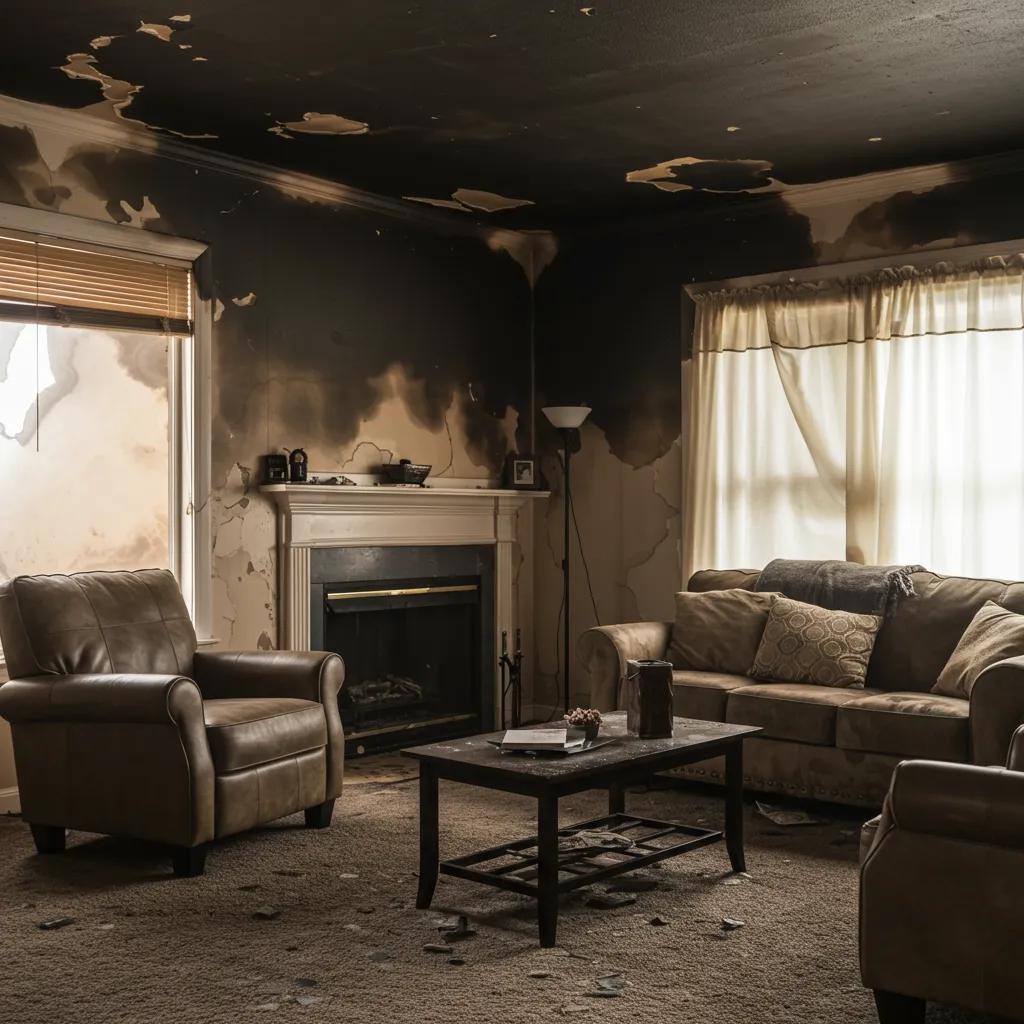
Fine black soot often coats walls, ceilings, window sills, and light fixtures in a uniform film that resists wiping. You may notice smoky webs clinging to corners or floor edges and oily streaks on painted surfaces. Carpets and fabrics can show spotty discoloration where soot particles collected. HVAC vents may appear grimy or display sooty residue around louvers. Identifying these visual indicators early can limit interior contamination to fewer zones.
A quick room-by-room check for these visual cues leads naturally into confirming olfactory and auditory signs of a puff back.
How to Detect Olfactory and Auditory Puff Back Indicators?
A sudden, pungent burnt oil smell is a hallmark of a puff back event, often described as acrid or metallic. This odor lingers in hallways, stairwells, and duct runs, intensifying when the furnace cycles. Simultaneously, listen for unusual furnace noises such as banging, popping, or rumbling that differ from routine ignition sounds. These auditory anomalies typically precede soot deposition, offering an early warning. Acting on these combined signs helps prevent soot travel before full contamination.
These sensory clues establish a clear contrast between minor faults and severe malfunctions, setting up a comparison of damage severity.
What Are the Differences Between Mild and Severe Puff Back Damage?
Below is a comparison of mild versus severe puff back damage characteristics:
| Indicator | Mild Puff Back | Severe Puff Back |
|---|---|---|
| Soot Coverage | Localized stains near furnace area | Widespread film on walls, ceilings, and ducts |
| Odor Intensity | Faint burnt oil smell | Pervasive acrid odor throughout building |
| Surface Impact | Easily wiped residue without etching | Embedded soot requiring abrasive or chemical removal |
| HVAC Contamination | Minor filter blockage | Full duct and coil infiltration |
| Health Impact | Temporary throat irritation | Persistent respiratory symptoms |
Severe events demand a full professional assessment, whereas mild incidents may be addressed with targeted cleaning.
What Does the Professional Puff Back Damage Assessment Process Involve?

Professional puff back damage assessment begins with an immediate call to a certified restoration provider, triggering a rapid-response inspection. Technicians arrive equipped to evaluate soot depth, odor penetration, and material porosity. They map affected zones, test air quality, and determine containment needs. This structured approach guides the cleanup strategy and informs clients of scope, timelines, and cost estimates. A thorough assessment also includes photographing damage for insurance documentation and advising on safety precautions before restoration begins.
How Does 24/7 Emergency Response Expedite Damage Assessment?
Restoration Experts’ 24/7 emergency response means technicians mobilize within hours of a puff back call, preventing soot from settling and bonding to surfaces. Rapid dispatch enables immediate containment of HVAC systems and protection of unaffected areas with plastic sheeting. Early intervention minimizes secondary contamination, reduces cleanup time, and preserves property value. Clients benefit from peace of mind, knowing that certified teams are on standby for prompt assessment and secure service initiation.
What Advanced Tools and Techniques Are Used for Puff Back Damage Evaluation?
Technicians employ specialized detection equipment—such as borescopes for duct inspection, moisture meters to assess wall porosity, and air quality monitors for particulate concentration. Infrared cameras identify hidden soot behind walls and ceilings, while surface sampling tests adhesion strength. These tools enable precise mapping of contamination pathways and identification of high-priority areas. Accurate evaluation reduces guesswork, ensures targeted restoration, and forms the basis for reliable cost estimates and insurance claims.
How Is the Scope of Damage Documented for Restoration and Insurance?
Once inspection data is collected, technicians compile a detailed report that includes high-resolution images, contamination maps, and particulate measurements. This documentation outlines affected materials, required cleanup methods, and projected labor hours. A clear breakdown of services—such as HEPA vacuuming, chemical degreasing, and structural repairs—supports transparent invoicing and smooth insurance claim processing. Accurate documentation accelerates approvals, enables direct billing to insurers, and helps clients understand restoration progress.
What Are the Key Steps in Comprehensive Puff Back Cleanup and Restoration?
Comprehensive puff back cleanup follows a structured, multi-step protocol to remove soot, neutralize odors, and restore property integrity. Technicians isolate HVAC systems, contain work areas, and begin soot removal using HEPA-equipped vacuums and dry sponges. Chemical degreasers dissolve oily residues on hard surfaces, while thermal fogging and ozone treatments eradicate odors at the molecular level. Content restoration—cleaning fabrics, documents, and electronics—follows. Finally, structural repairs such as drywall refinishing and repainting return spaces to pre-event condition. Each phase builds on the previous to ensure a safe, thorough restoration.
How Is Soot and Smoke Removed Safely and Effectively?
Soot removal starts with HEPA vacuuming to extract loose particles without smearing. Trained technicians then apply dry chemical sponges that lift embedded soot without water. On nonporous surfaces, professional degreasers break down oily residue, allowing for gentle wiping or rinsing. These methods prevent cross-contamination and preserve surface finishes. Safe removal protects indoor air quality and sets the stage for odor control.
What Methods Neutralize Puff Back Odors?
Thermal fogging generates a scent-neutralizing fog that penetrates cavities and fabrics, binding with odor-causing molecules. Air scrubbers equipped with activated carbon filters continuously cycle contaminated air, capturing microscopic particulates and volatile organic compounds. Ozone treatments oxidize odor compounds in unoccupied areas. Combined, these techniques eliminate persistent burnt oil smells and ensure restored spaces smell fresh.
How Is HVAC System Cleaning Integrated Into Restoration?
Technicians disassemble and clean furnace coils, blower assemblies, and ductwork using high-pressure HEPA vacuums and antimicrobial agents. Sealed negative-air machines prevent soot migration during cleaning. Restoring HVAC components halts recirculation of contaminated air, safeguarding indoor air quality. This integration of system cleaning with surface restoration ensures a holistic solution that prevents recontamination.
What Structural Repairs and Content Restoration Are Typically Required?
After soot removal and odor neutralization, restoration teams address structural and personal property restoration:
- Drywall Refinishing: Repair or replace damaged sheetrock and repaint surfaces.
- Flooring Restoration: Clean or replace carpets, rugs, hardwood, and tile.
- Content Cleaning: Professionally dry-clean fabrics, launder linens, and detail furniture.
- Electronics Restoration: Specialized cleaning of computers and sensitive equipment.
These steps complete the transformation from a contaminated space to a fully habitable environment.
How Does Insurance Coverage Work for Puff Back Damage?
Most homeowner’s insurance policies cover property damage from accidental puff back events but may exclude mechanical breakdown of the furnace itself. Coverage typically includes cleaning, repairs to walls, floors, and contents, and additional living expenses if relocation is necessary. Policyholders should review their declarations page to confirm limits and deductibles. Restoration Experts assist clients in navigating claim terminology, submitting documentation, and coordinating directly with adjusters to maximize coverage and reduce out-of-pocket expenses.
What Property Damage Is Usually Covered by Homeowner’s Insurance?
Homeowner’s insurance generally covers the cost of cleaning soot stains, repairing structural damage to walls, floors, and ceilings, and restoring personal property affected by a puff back. Coverage often extends to contamination in HVAC systems and temporary living costs if the home becomes uninhabitable. Understanding these covered components helps clients plan for deductibles and potential claim outcomes.
Is Furnace Repair Included in Puff Back Insurance Claims?
Furnace repair is frequently considered a maintenance expense and may fall outside standard coverage unless the malfunction results from an insured peril beyond wear and tear. Some policies do extend coverage for mechanical breakdown if the failure is sudden and accidental. Policyholders should verify with their insurer to confirm furnace repair eligibility, and Restoration Experts can provide detailed damage reports to support any furnace-related claims.
How Can Restoration Experts Assist With Insurance Documentation and Claims?
Restoration Experts streamline the insurance claim process by providing comprehensive damage reports, photographs, and detailed invoices that itemize labor, materials, and equipment. Their direct-billing option allows them to work with insurers on behalf of clients, reducing administrative burden and accelerating settlement. This coordinated approach ensures accurate claim submission, fosters clear communication with adjusters, and minimizes delays.
What Are Common Challenges When Filing Puff Back Damage Claims?
Clients often face hurdles such as policy ambiguity around furnace repair coverage, incomplete documentation of soot depth, and discrepancies in labor estimates. Adjusters may initially undervalue damage without detailed restoration reports. Restoration Experts address these challenges by offering expert testimony, precise contamination measurements, and line-item cost breakdowns that validate the scope of work and support fair claim resolution.
What Are the Typical Costs Associated With Puff Back Cleanup and Repair?
Puff back cleanup and repair costs vary based on damage severity, property size, and restoration scope. On Long Island and in NYC, professional soot removal can range from $3,000 for minor, localized events to $20,000–$35,000 for extensive whole-home contamination. Additional costs for structural repairs, HVAC cleaning, and content restoration accumulate. Early assessment often reduces overall expenses by limiting affected areas. Understanding cost drivers empowers property owners to budget effectively and prioritize immediate professional intervention.
How Much Does Professional Soot Damage Restoration in Long Island and NYC Cost?
Regional pricing reflects labor rates, disposal fees, and equipment usage. A small apartment with light soot might cost between $3,000 and $5,000 for assessment, containment, and surface cleaning. Whole-house events, requiring HVAC duct cleaning and structural repairs, can exceed $20,000. Commercial properties face higher rates due to larger square footage and specialized equipment needs. These estimates underscore why quick action to contain soot spread can lower overall restoration fees.
What Factors Influence the Total Puff Back Cleanup Cost?
Several variables determine final costs:
- Damage Severity – Deeper, widespread soot requires more labor and materials.
- Property Size and Layout – Complex duct networks and multiple rooms increase assessment and cleaning time.
- Material Porosity – Porous surfaces demand additional chemical treatments or replacement.
- Access and Containment Needs – Difficult-to-reach areas may require scaffolding or negative-air machines.
- Insurance Coordination – Direct billing and documentation services may reduce client out-of-pocket expenses.
Awareness of these factors helps clients anticipate budget requirements and choose prompt professional assessment.
Why Is DIY Puff Back Cleaning Risky and Potentially More Expensive?
Attempting DIY soot cleanup often smears oily residue, embedding particles deeper into fabrics and surfaces. Improper use of household cleaners can react with soot to create stubborn stains. Inadequate containment allows contaminants to spread further, extending restoration scope. Health risks arise from inhalation of fine particles without proper protective equipment. Ultimately, amateur removal efforts can increase remediation costs by up to 50 percent compared to a controlled professional process.
How Can Homeowners and Property Managers Prevent Puff Back Damage?
Preventing puff backs involves regular furnace maintenance, professional inspections, and installation of safety devices. Annual cleaning and nozzle replacement eliminate fuel accumulation, while timely repairs of ignition components stop backfire triggers. Carbon monoxide detectors alert occupants to combustion anomalies before a puff back occurs. Understanding common oil burner issues empowers property managers to schedule preventative measures, reducing the likelihood of costly emergency assessments and restorations.
What Regular Maintenance Practices Reduce Puff Back Risks?
Scheduling annual inspections and cleanings by certified HVAC technicians ensures burners, nozzles, and ignition systems function correctly. Changing or cleaning filters every three months maintains proper airflow and fuel combustion. Monitoring fuel lines for leaks and clearing chimney flues of obstructions prevents backpressure buildup. Consistent preventive maintenance minimizes fuel accumulation, lowering puff back probability and supporting system longevity.
How Do Carbon Monoxide Detectors Help Detect Puff Back Events Early?
Carbon monoxide detectors sense elevated CO levels produced by incomplete combustion and alert occupants before soot is expelled into living spaces. Installing detectors near furnaces, bedrooms, and basements provides an early warning of fuel ignition issues. Alarm activation prompts immediate inspection, potentially stopping a puff back before significant soot release. These devices serve as both life safety and puff back prevention tools.
What Are Common Oil Burner and Boiler Issues That Lead to Puff Backs?
Below is a comparison of frequent malfunction sources and their impacts:
| Malfunction | Cause | Impact on Puff Back Risk |
|---|---|---|
| Clogged Nozzle | Accumulated debris or varnish | Allows unburned fuel buildup |
| Faulty Ignition System | Worn electrodes or improper gap | Delayed ignition, sudden burn |
| Leaky Fuel Lines | Corrosion or loose fittings | Irregular fuel delivery |
| Blocked Chimney/Exhaust | Nesting or creosote buildup | Creates backpressure in chamber |
Addressing these issues proactively through inspections and timely repairs reduces the chance of a destructive puff back.
How Does Restoration Experts Serve New York Areas With Prompt Puff Back Damage Assessment?
Restoration Experts provides 24/7 emergency puff back damage assessment and restoration services to homeowners, property managers, insurance companies, and commercial building owners across Long Island, NYC, Suffolk, and Nassau. Certified technicians deploy rapid-response teams equipped with advanced detection tools to evaluate contamination and contain soot migration within hours of notification. Their local presence ensures familiarity with regional building codes, seasonal damage patterns, and vendor networks for efficient supply sourcing. This combination of speed, expertise, and geographic coverage makes Restoration Experts the go-to partner for puff back emergencies.
What Makes Restoration Experts the Trusted Choice in Long Island, NYC, Suffolk, and Nassau?
Restoration Experts stands out for its certified, experienced technicians, 24/7 availability, and direct insurance billing. Their rapid-response protocol halts soot spread, reducing damage scope and costs. With a proven track record in diverse residential and commercial settings, the team brings specialized knowledge of local property types and HVAC configurations. Clients gain confidence from transparent estimates, thorough documentation, and consistent communication throughout the restoration process.
How Does Local Knowledge Improve Restoration Outcomes?
Familiarity with New York’s architectural styles, common furnace models, and seasonal fuel blends enables Restoration Experts to anticipate soot patterns and tailor containment strategies. Their understanding of local permit requirements and building codes streamlines structural repairs. Regional insights into supplier availability accelerate material procurement, reducing project timelines. This area-specific expertise results in faster, more cost-efficient restoration with minimal disruption.
How Can Clients Request Emergency Puff Back Damage Assessment and Cleanup?
Clients can initiate emergency assessment by calling Restoration Experts’ 24/7 hotline or submitting a quote request form on their website. Technicians confirm dispatch within minutes, arriving fully equipped for inspection and containment. Detailed damage reports and cost estimates follow initial evaluation, enabling clients to approve restoration work confidently. This streamlined process minimizes downtime and ensures comprehensive cleanup.
An immediate call to Restoration Experts secures rapid containment, protecting health and preserving property value.
Prompt assessment of puff back damage safeguards occupants and prevents long-term structural harm. Early professional evaluation reduces restoration costs by limiting contamination spread and strengthening insurance claims. Recognizing symptoms—from soot stains to burnt-oil odors—empowers property owners to act swiftly. Partnering with Restoration Experts brings 24/7 response, advanced equipment, and local expertise that restore safety and comfort after a puff back emergency.
Frequently Asked Questions
What preventive measures can homeowners take to avoid puff back incidents?
Homeowners can significantly reduce the risk of puff back incidents by implementing regular maintenance practices. This includes scheduling annual inspections and cleanings by certified HVAC technicians to ensure that burners, nozzles, and ignition systems are functioning correctly. Additionally, changing or cleaning filters every three months helps maintain proper airflow and fuel combustion. Monitoring fuel lines for leaks and clearing chimney flues of obstructions are also crucial steps. These proactive measures help prevent fuel accumulation and ensure the longevity of the heating system.
How can I tell if my furnace is malfunctioning before a puff back occurs?
Monitoring your furnace for early signs of malfunction can help prevent a puff back. Look for unusual noises such as banging or popping sounds during operation, which may indicate ignition issues. Additionally, pay attention to any acrid or burnt oil smells, as these can signal incomplete combustion. Regular visual inspections for soot buildup around the furnace and HVAC vents can also provide early warnings. If you notice any of these symptoms, it’s essential to contact a professional technician for an immediate assessment.
What should I do immediately after a puff back occurs?
After a puff back incident, the first step is to ensure the safety of all occupants by evacuating the area if necessary. Avoid using the heating system to prevent further contamination. Contact a certified restoration service immediately to assess the damage and begin containment measures. Document the incident with photographs and notes for insurance purposes. It’s crucial to act quickly to minimize soot spread and health risks associated with inhaling contaminated air.
Are there specific health risks associated with puff back soot exposure?
Yes, exposure to puff back soot poses several health risks, particularly for individuals with pre-existing respiratory conditions. Inhalation of oily soot can aggravate asthma, lead to coughing, and cause long-term lung inflammation. The fine particles can penetrate deep into the lungs, potentially leading to chronic respiratory issues. Additionally, the chemical composition of soot can cause skin irritation and other allergic reactions. It’s essential to address puff back incidents promptly to protect the health of all occupants.
How can I ensure my insurance claim for puff back damage is successful?
To ensure a successful insurance claim for puff back damage, it’s vital to document the incident thoroughly. Take high-quality photographs of the damage, and keep detailed records of all communications with your restoration service and insurance provider. Work with a restoration expert who can provide a comprehensive damage report, including estimates for repairs and cleaning. Understanding your policy’s coverage limits and exclusions is also crucial, as this knowledge can help you navigate the claims process more effectively.
What are the long-term effects of puff back damage if not addressed promptly?
If puff back damage is not addressed promptly, it can lead to significant long-term effects on both health and property. Prolonged exposure to soot can cause irreversible discoloration and corrosion of surfaces, leading to costly repairs. Additionally, the lingering presence of soot can degrade indoor air quality, posing ongoing health risks to occupants. Structural integrity may also be compromised if contaminants seep into walls and insulation. Timely intervention is essential to mitigate these long-term consequences and preserve property value.