
July 26, 2025
Essential Steps in the Water Damage Restoration Process
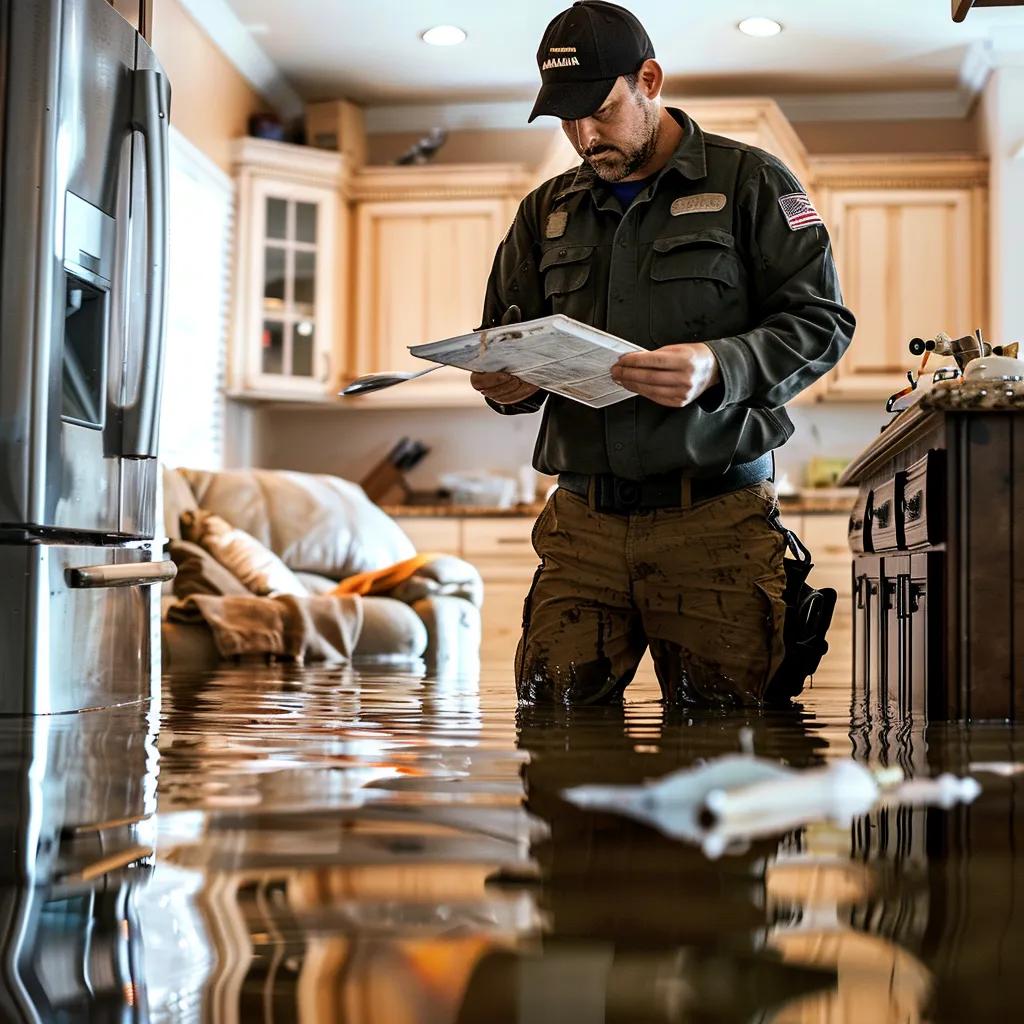
Key Steps in Effective Water Damage Restoration: Complete Process and Essential Actions
Water intrusion can devastate properties—just one inch of standing water can cause up to $25,000 in damage—so rapid, systematic remediation is essential.
Water Damage Costs
Water damage can be incredibly costly, with just one inch of standing water potentially causing up to $25,000 in damage. This highlights the importance of rapid response and professional remediation to mitigate financial losses and prevent further damage to property.
Insurance Information Institute
This citation supports the article’s claim about the financial impact of water damage, emphasizing the need for immediate action.
This guide reveals the most critical water damage restoration process steps, combining technical expertise with actionable insights to protect your home or commercial building. You will discover how to assess damage, extract water, dry structures, sanitize and remediate mold, execute repairs, navigate insurance claims, and implement preventive measures. By following these proven actions, property owners in Long Island, NYC, Suffolk and Nassau can minimize loss and restore comfort quickly. Understanding the full water damage restoration process and why it’s crucial sets the foundation for immediate response strategies.
What Is the Water Damage Restoration Process and Why Is It Important?
Water damage restoration is the systematic method of returning a property to its pre-loss condition by removing water, drying structures, and repairing damage, which prevents mold growth and structural failure. This process mitigates hazards, preserves building materials, and reduces long-term repair costs. For homeowners and property managers, a structured restoration plan boosts safety and speeds up insurance claim approval. Recognizing the importance of each restoration phase ensures you deploy resources effectively and avoid secondary damage.
What Are the Common Causes and Types of Water Damage?
Water damage originates from various sources—each requiring a tailored response—to restore safety and structural integrity effectively.
| Entity | Attribute | Value |
|---|---|---|
| Burst Pipe | Cause | Aging plumbing, freezing temperatures |
| Roof Leak | Cause | Damaged shingles, blocked gutters |
| Sewage Backup | Contamination Class | Category 3 – unsanitary “black water” |
| Accidental Overflow | Type | Category 1 – clean water from appliances |
| Groundwater Seepage | Class | Class 4 – porous material saturation |
These scenarios highlight why prompt, expert intervention by Restoration Experts is critical for preventing microbial growth and structural decay. Assessing the source and type guides technicians in selecting safety measures and equipment for effective restoration.
How Does Water Damage Affect Residential and Commercial Properties?
Water intrusion compromises building components, electrical systems, and indoor air quality by saturating structural elements, short-circuiting wiring, and fostering mold. Damaged drywall loses structural rigidity, while wet flooring can buckle or delaminate. In commercial settings, moisture can interrupt operations and damage inventory, leading to revenue loss. By understanding these impacts, property owners can prioritize emergency response and safeguard occupants from health hazards, financial loss, and operational downtime.
Why Is Immediate Response Critical in Water Damage Restoration?
A rapid response halts ongoing damage, curbs mold proliferation, and preserves building materials, preventing minor leaks from escalating into major structural failures. Addressing water intrusion within 24–48 hours limits moisture migration into subfloors and wall cavities. Emergency mitigation by certified technicians secures safety, documents conditions for insurance, and reduces overall restoration costs by up to 60%. Swift action forms the first line of defense against pervasive secondary damage.
Importance of Immediate Response
Addressing water intrusion within the first 24–48 hours is crucial to limit moisture migration and prevent the escalation of damage. Swift action by certified technicians can significantly reduce overall restoration costs, forming the first line of defense against secondary damage.
Federal Emergency Management Agency (FEMA)
This citation reinforces the article’s emphasis on the critical role of a rapid response in water damage restoration, highlighting the benefits of early intervention.
How Is Emergency Water Damage Response and Initial Assessment Conducted?

Emergency response begins with a thorough inspection, during which a certified technician evaluates water sources, damage extent and safety risks to develop a tailored remediation plan that accelerates recovery. Immediate assessment by Restoration Experts establishes a clear scope of work and secure environment for subsequent steps.
What Happens During an Emergency Water Damage Inspection?
An emergency inspection involves visual assessment, moisture mapping, and electronic leak detection to identify saturated areas, hidden moisture pockets and contamination levels. Technicians use hygrometers and thermal imaging cameras to pinpoint water migration behind walls and under floors. Accurate detection allows precise drying strategies and reduces unnecessary demolition.
How Are Water Categories and Classes Determined?
Water is classified by contamination level (Category 1–3) and material absorption (Class 1–4) according to IICRC standards to guide safety protocols and drying methods.
- Category 1 (Clean Water) – Low risk, e.g., appliance leaks.
- Category 2 (Gray Water) – Contains contaminants, e.g., dishwasher overflow.
- Category 3 (Black Water) – Unsanitary, e.g., sewage backup.
Classes reflect how quickly materials absorb moisture and help select dehumidification and drying equipment. This categorization ensures safe, efficient restoration workflows.
What Safety Measures and PPE Are Used During Assessment?
Technicians wear N95 respirators, chemical-resistant gloves and protective eyewear to guard against contaminants and airborne mold spores. Ground-fault circuit interrupters (GFCIs) evaluate electrical hazards in wet zones. Safety protocols include air monitoring and establishing containment barriers to prevent cross-contamination. Prioritizing worker and occupant safety supports uninterrupted restoration progress.
When Should You Call a Professional Emergency Water Removal Service?
You should engage a professional immediately when water covers more than 10 square feet, involves contaminated sources, or enters electrical systems and HVAC components. DIY methods often under-detect hidden moisture, increasing the risk of mold and structural damage. Restoration Experts offer 24/7 rapid deployment across Long Island and NYC, ensuring efficient water removal and minimizing downtime.
What Are the Key Steps in Water Extraction and Removal?
Water extraction is the targeted removal of standing and trapped water using specialized equipment to prevent material saturation and microbial growth. Efficient extraction reduces drying time by up to 50% and preserves structural integrity.
How Is Standing Water Removed Using Professional Equipment?
Technicians deploy submersible pumps, high-capacity wet vacuums and trash pumps to evacuate standing water rapidly. Pumps with flow rates up to 150 gallons per minute clear basements and low-lying areas, while HEPA-filtered vacuums remove residual moisture. Effective extraction establishes a dry baseline for subsequent structural drying.
Water Extraction Equipment EAV
| Entity | Feature | Benefit |
|---|---|---|
| Submersible Pump | High Flow Rate (150 GPM) | Rapid removal of deep water |
| Truck-Mounted Vacuum | Continuous Operation | Limits downtime in large floods |
| Portable Wet Vacuum | HEPA Filtration | Captures fine particulates |
| Trash Pump | Solid Debris Handling | Manages sediments and waste |
Selecting the right equipment accelerates extraction and reduces corrosion risks, preparing spaces for controlled drying.
What Types of Water Extraction Equipment Are Used?
Water removal employs three core categories of equipment—pumps, vacuums and trash pumps—to tackle different volumes and debris types. Pumps drain bulk water, vacuums remove residual moisture, and trash pumps handle sediment-laden water. Understanding each tool’s capacity and filtration level enables technicians to tailor extraction strategies and protect surfaces from damage.
How Does Water Extraction Prevent Further Property Damage?
By removing free water swiftly, extraction halts capillary action that draws moisture into walls and subfloors, averting drywall delamination and mold colonization. Remaining humidity drops when bulk moisture is eliminated, reducing drying time and limiting microbial growth. This step preserves building materials and prevents costly secondary repairs.
What Are the Risks of Improper Water Removal?
Incomplete extraction leaves moisture in concealed cavities, leading to mold formation, wood rot, and structural weakening. Overuse of high-powered pumps without proper safety checks can cause surface erosion and electrical hazards. Professional services ensure full water removal and compliance with safety standards.
How Does Drying and Dehumidification Restore Affected Properties?
Structural drying uses dehumidification and air movement to remove moisture bound in building materials, thereby preventing mold growth and structural decay. Proper drying restores equilibrium to walls, floors and ceilings, ensuring a safe and stable environment.
What Are Structural Drying Techniques and Their Importance?
Structural drying techniques involve placing air movers to disrupt moisture layers and directing dry, dehumidified air into cavities. Targeted drying mats and heat drying systems accelerate water vapor migration. Controlling relative humidity below 50% preserves wood framing and drywall integrity, reducing the risk of mold colonization.
How Do Industrial Dehumidifiers and Air Movers Work?
Industrial dehumidifiers condense moisture from the air onto cold coils, then reheat it before discharge, while air movers create high-velocity airflow that enhances evaporation from wet surfaces. Together, they lower ambient humidity and moisture content in materials, expediting the drying process by up to 70%.
How Is Moisture Level Monitored During Drying?
Technicians use hygrometers and moisture meters to record humidity and moisture content in wood, concrete and drywall. Regular readings inform equipment adjustments and confirm when drying goals—such as moisture content under 12% for wood—are achieved. Data-driven monitoring ensures efficient drying without overexposure.
How Does Proper Drying Prevent Mold Growth?
Lowering moisture content below mold’s growth threshold (<15% RH) halts fungal proliferation and spore activation. Continuous air circulation and dehumidification remove habitat conditions that mold requires, safeguarding indoor air quality and occupant health.
What Are the Best Practices for Cleaning, Sanitization, and Mold Remediation?
After drying, contaminated surfaces require cleaning and disinfection to eliminate bacteria, viruses and remaining biohazards, followed by mold remediation to remove any fungal colonization. This step ensures a healthy environment and compliance with safety standards.
How Are Contaminated Areas Cleaned and Disinfected?
Technicians apply EPA-registered antimicrobial agents to non-porous surfaces and soft goods, using HEPA-filtered vacuums to remove debris. Multi-surface cleaning protocols include scrubbing, rinsing and fogging to reach hidden voids. Documented microbial reduction validates sanitation effectiveness before restoration continues.
What Is Mold Remediation and Why Is It Essential After Water Damage?

Mold remediation is the controlled removal of fungal growth through containment, removal of affected materials, and HEPA vacuuming. Failing to remediate mold leaves spores that can trigger health issues such as allergies and respiratory infections. Proper remediation restores air quality and prevents future outbreaks.
How Are HEPA Vacuums and Air Scrubbers Used in Mold Prevention?
HEPA vacuums capture mold spores down to 0.3 microns, while negative-air air scrubbers filter airborne contaminants and maintain pressure differentials in containment zones. Continuous air purification during remediation minimizes cross-contamination and protects unaffected areas.
What Health Risks Are Associated with Mold After Water Damage?
Mold exposure can cause coughing, nasal congestion, skin irritation, and in severe cases, asthma exacerbation and immune system suppression. Addressing mold promptly through professional remediation ensures occupant safety and regulatory compliance.
How Is Repair, Restoration, and Reconstruction Completed After Water Damage?
The final phase repairs structural and cosmetic damage, replacing materials as needed and restoring systems to pre-loss condition. A thorough reconstruction plan aligns timelines, budgets, and code requirements for a seamless return to normalcy.
What Structural Repairs Are Common After Water Damage?
Common repairs include replacing water-damaged drywall, sanding and refinishing hardwood floors, and repairing or replacing compromised HVAC ducts and electrical wiring. Addressing hidden damage behind walls prevents future failures and ensures building safety.
How Is Reconstruction Planned and Executed?
Reconstruction begins with a detailed scope of work and cost estimate that outlines materials, labor, and milestones. Licensed contractors coordinate with Restoration Experts to schedule phased rebuilds, ensuring code compliance and quality control at every stage.
How Long Does the Water Damage Repair Timeline Typically Take?
Repair timelines vary by severity but generally range from one to four weeks for moderate damage and up to two months for extensive structural work. Clear project planning and daily progress tracking keep schedules on target and reduce occupancy disruption.
When Is Professional Restoration Necessary for Structural Damage?
Professional restoration is essential when damage involves load-bearing components, complex systems (HVAC, plumbing, electrical), or extensive mold colonization. Certified technicians ensure repairs meet building codes and restore structural integrity safely.
How Can Homeowners and Property Managers Facilitate Insurance Claims for Water Damage?
Facilitating insurance claims requires thorough documentation, clear communication with adjusters, and expert cost estimates to maximize coverage and speed reimbursements. A proactive approach reduces claim denials and out-of-pocket expenses.
What Documentation Is Required for Water Damage Insurance Claims?
Key documentation includes a detailed damage inspection report, photographic evidence of affected areas, equipment usage logs, and a comprehensive restoration estimate. Organized records support the scope of loss and substantiate repair costs.
How Do Restoration Experts Assist with Insurance Adjusters?
Restoration Experts collaborate directly with adjusters by providing industry-standard reports, on-site consultations, and transparent cost breakdowns. This partnership streamlines approvals and clarifies technical aspects of the restoration process.
What Are Common Challenges in Filing Water Damage Claims?
Policy exclusions, disputed damage categories, and missing documentation often delay claims. Prompt professional assessment and clear logs of equipment runtime and material disposal help overcome these obstacles and validate the scope of work.
How Can You Maximize Insurance Coverage for Water Damage Restoration?
Detail all damage sources, secure pre-loss property valuations, and document emergency mitigation actions. Partnering with a certified restoration provider ensures estimates align with industry rates and policy definitions for comprehensive coverage.
What Preventive Measures Help Avoid Future Water Damage and Mold Growth?
Implementing proactive maintenance, monitoring systems, and emergency plans helps property owners detect water intrusion early and mitigate risks before damage occurs. Building resilience reduces long-term repair expenses and health hazards.
How Do Water Sensors and Drainage Systems Prevent Damage?
Water sensors alert owners to leaks in basements and utility rooms, while trench drains and sump pump systems divert groundwater away from foundations. Early detection and effective drainage protect vulnerable areas from seepage.
What Plumbing and Roof Maintenance Tips Reduce Water Damage Risk?
Regularly inspect pipes for corrosion, flush water heaters annually, clean gutters seasonally, and replace worn flashing around roof penetrations. Preventive maintenance extends system lifespans and reduces emergency repair needs.
How Can Property Managers Develop Emergency Water Damage Response Plans?
An effective response plan designates shutoff valve locations, emergency contacts for professional services, and safe evacuation routes. Training staff on initial mitigation steps—like relocating valuables and running dehumidifiers—minimizes damage before technicians arrive.
What Are Effective Mold Prevention Techniques After Restoration?
Post-restoration mold prevention includes maintaining indoor humidity below 50%, conducting periodic moisture inspections, and applying mold-resistant paints or sealants in high-risk areas. Consistent monitoring and upkeep deter fungal growth and preserve indoor air quality.
Whether you’re facing an urgent flood or planning long-term protection, following these key steps in the water damage restoration process ensures swift recovery and lasting results. For expert guidance, 24/7 emergency response, and seamless insurance assistance across Long Island and New York City, contact Restoration Experts today.