
July 26, 2025
A Professional Guide to Water Damage Restoration Steps
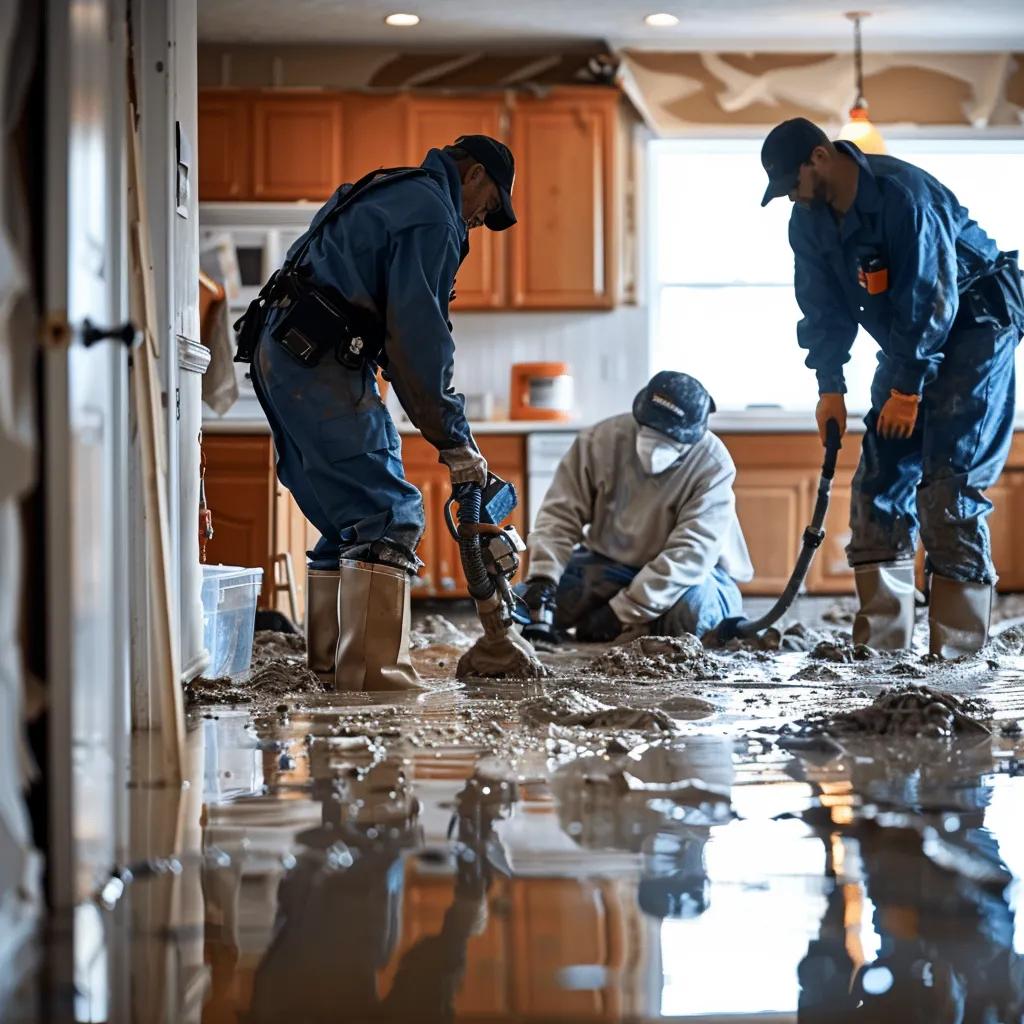
Water Damage Restoration Steps Explained: A Complete Guide to the Professional Process

Water damage restoration is the systematic process of assessing water intrusion, extracting moisture, and rebuilding affected areas to safeguard health and property integrity. When flooding, burst pipes, or leaks occur, immediate mitigation prevents structural decay and mold proliferation. This guide unpacks the water damage restoration process steps and shows how expert intervention restores comfort and safety. Restoration Experts delivers rapid, 24/7 emergency response across New York, offering comprehensive inspection, water extraction, drying, cleaning, and reconstruction services. With industry-leading equipment and IICRC-certified methodologies, we minimize downtime and guide homeowners, property managers, and insurers through every stage. If you need urgent assistance or an insurance estimate, request an emergency service.
In the sections that follow, you’ll discover:
- Why acting immediately is vital and the risks of delay
- The five key steps in professional water damage remediation
- How water categories and classes shape restoration tactics
- Essential equipment used at each phase
- Tips for navigating insurance claims successfully
- Preventative measures to reduce future incidents
- What to expect during timelines, inspections, and content recovery
- Reasons to choose Restoration Experts for New York water damage solutions
- Answers to the most common questions about water damage restoration
Why Is Immediate Action Essential in Water Damage Restoration?
Immediate action in water damage restoration halts ongoing deterioration by removing moisture before it compromises structural materials and indoor air quality. Prompt response reduces mold spore germination, preserves finishes, and limits replacement costs. For instance, drying within 24 hours can prevent drywall swelling and carpet delamination, saving both time and expense.
Lingering water saturates wood framing and subflooring, escalating repair complexity and leading to microbial growth that threatens occupant health. Understanding these risks underscores the importance of emergency response and sets the stage for the five-step professional process.
What Risks Does Delayed Water Damage Restoration Pose?
- Structural Degradation – Warped framing, weakened joists, and compromised load-bearing elements
- Mold Infestation – Spore activation within 24–48 hours fosters colonies across drywall, insulation, and carpet
- Health Hazards – Allergens and mycotoxins released by mold cause respiratory irritation and exacerbate asthma
- Cost Escalation – Extended exposure necessitates demolition of walls, ceilings, and flooring
Preventing these outcomes requires swift intervention to stop moisture migration and protect your property’s core integrity.
How Does Mold Growth Develop After Water Damage?

- Spores settle on wet materials
- Warmth and humidity trigger germination
- Mycelial networks expand beneath surface coatings
- Volatile Organic Compounds (VOCs) produce musty odors and airborne irritants
Early drying interrupts this cycle, ensuring that remediation focuses on drying and sanitizing rather than extensive mold removal.
Mold Growth and Health Hazards
Mold growth after water damage can lead to health hazards due to the release of allergens and mycotoxins. Early drying is crucial to interrupt the mold growth cycle and prevent the need for extensive mold removal, protecting occupant health.
Centers for Disease Control and Prevention (CDC), Mold and Health (2022)
This citation reinforces the article’s discussion of the health risks associated with mold and the importance of prompt action in water damage restoration.
Why Is Professional Emergency Response Critical?
- Perform rapid damage inspection to identify hidden saturation
- Deploy industrial-grade pumps and extractors for efficient water removal
- Use air movers and dehumidifiers to achieve target moisture levels
- Apply industry-approved sanitizers to limit microbial hazards
Engaging experts immediately not only mitigates damage but also streamlines insurance documentation and claim processing.
What Are the 5 Key Steps in the Water Damage Restoration Process?
- Initial Assessment and Inspection
- Water Extraction and Removal
- Drying and Dehumidification
- Cleaning, Sanitizing, and Deodorizing
- Repair and Reconstruction
This sequence builds from evaluation through final reconstruction, maximizing salvageability and minimizing health risks.
Step 1: How Is the Initial Assessment and Inspection Conducted?
- Identify water origin (e.g., burst pipe, flood entry, sewage backup)
- Classify water contamination level (Category 1, 2, or 3)
- Assess structural wetness using moisture meters and thermal imaging
- Document damage with photos and moisture readings for claims
Accurate inspection sets restoration strategy and ensures compliance with IICRC S500 standards. After inspection, planning transitions to rapid extraction.
IICRC Standards in Water Damage Restoration
The Institute of Inspection, Cleaning and Restoration Certification (IICRC) sets the standards for water damage restoration, providing a framework for inspection, documentation, and reconstruction. Adherence to these standards ensures consistent quality and helps with insurance claims.
Institute of Inspection, Cleaning and Restoration Certification (IICRC), IICRC S500 Standard for Professional Water Damage Restoration (2015)
This citation supports the article’s emphasis on the importance of IICRC standards in the water damage restoration process.
Step 2: What Techniques Are Used for Water Extraction and Removal?

- Submersible pumps clear deep standing water
- Truck-mounted vacuums extract residual moisture from carpets and pads
- Portable wet/dry vacuums target corners and confined spaces
Efficient extraction curtails secondary damage and readies surfaces for drying and structural evaluation.
Step 3: How Does Drying and Dehumidification Prevent Further Damage?
- High-capacity air movers boost airflow across wet surfaces
- LGR dehumidifiers lower ambient humidity to optimal 30–50% RH
- Moisture sensors monitor wood, drywall, and concrete moisture content
- Thermal imaging pinpoints hidden wet pockets
Achieving targeted dryness within 72 hours interrupts microbial cycles and safeguards finishing work.
Step 4: What Does Cleaning, Sanitizing, and Deodorizing Involve?
- Surface decontamination removes dirt, bacteria, and residual sediments
- EPA-registered disinfectants sanitize porous and nonporous materials
- Ozone or hydroxyl generators neutralize VOCs and persistent odors
- Contents cleaning restores furniture, textiles, and personal items
This phase restores a healthy environment and readies the property for reconstruction.
Step 5: How Is Repair and Reconstruction Completed After Water Damage?
- Replace compromised drywall, insulation, and flooring materials
- Repair structural framing, refinish trim, and repaint surfaces
- Conduct a final walkthrough to verify workmanship and moisture readings
- Provide a completion report for insurer and homeowner approval
Comprehensive reconstruction integrates seamlessly with the original design while meeting building codes.
How Are Water Damage Categories and Classes Determined?
Classifying water damage ensures the correct restoration approach by pairing contamination levels with affected material porosity. Before comparing specifics, this table outlines the relationship between water categories and classes according to IICRC S500 standards.
| Category of Water | Attribute | Value / Definition |
|---|---|---|
| Clean Water | Contamination Level | Source from broken supply lines, rainwater |
| Gray Water | Degree of Contamination | Contains chemical or biological matter (e.g., dishwasher) |
| Black Water | Health Hazard | Sewage, floodwater from rivers; requires full PPE |
| Class 1 Damage | Impact on Materials | Minimal absorption; fast evaporation |
| Class 2 Damage | Impact on Materials | Significant absorption; walls and carpets affected |
| Class 3 Damage | Impact on Materials | Gross water absorption above floor level |
| Class 4 Damage | Specialty Drying Required | Water trapped in hard-to-dry materials (e.g., concrete) |
What Are the Differences Between Clean, Gray, and Black Water?
Clean water (Category 1) originates from potable sources and poses minimal health risk. Gray water (Category 2) carries chemical contaminants or food waste, requiring more extensive sanitization. Black water (Category 3) contains pathogens and toxins, demanding full protective gear, disposal procedures, and structural material removal.
How Do Damage Classes Affect Restoration Steps?
Lower classes (Class 1–2) typically require standard drying and minor material replacement. Higher classes (Class 3–4) involve aggressive extraction, demolition of unsalvageable materials, and specialized drying for dense substrates. Matching class to process ensures efficient moisture removal while preserving structural integrity.
Why Is IICRC S500 Standard Important in Classification?
The IICRC S500 standard is the benchmark for water damage restoration, providing protocols for inspection, documentation, drying, and reconstruction. Adherence guarantees consistent quality, liability protection, and insurer acceptance of the mitigation approach.
What Equipment Is Used in Each Step of Water Damage Restoration?
Water damage restoration is a meticulous process that requires specialized equipment at each stage to ensure effective and thorough recovery. Initially, when a flood or leak occurs, restoration professionals use high-powered water extractors to remove standing water quickly. These machines come in various forms, such as submersible pumps and truck-mounted extraction units, which are designed to handle different water levels and types of damage. High-capacity fans and dehumidifiers are also critical at this stage, as they facilitate the drying process by circulating air and pulling moisture out of the environment, preventing further damage and the growth of mold.
As the restoration process progresses, technicians employ moisture meters and infrared cameras to thoroughly assess the extent of the water damage. These tools enable them to identify hidden moisture in walls, floors, and other materials. For the cleaning and sanitization phase, professionals often use industrial-grade air scrubbers and antimicrobial solutions to eliminate contaminants and odors. Additionally, specialized drying equipment, such as desiccant dehumidifiers and heated blowers, may be used to expedite moisture removal from structural components. This comprehensive approach, backed by the right equipment at each step, ensures a successful restoration, returning the affected areas to their pre-loss condition safely and effectively.
Professional restoration leverages specialized tools to expedite mitigation and guarantee thoroughness. Below is an overview of core equipment for each critical action.
| Equipment Entity | Primary Attribute | Role / Benefit |
|---|---|---|
| Submersible Pump | Extraction Capacity | Removes bulk water efficiently from flooded areas |
| Truck-Mounted Vacuum | Residual Moisture Removal | Dries carpets and flooring quickly through high suction |
| Air Mover | Airflow Rate | Increases evaporation rate across damp surfaces |
| LGR Dehumidifier | Humidity Control | Lowers ambient RH to target levels within 72 hours |
| Moisture Meter | Detection Sensitivity | Measures moisture in materials to verify dryness |
| Thermal Imaging Camera | Hidden Moisture Detection | Identifies wet spots behind walls and under floors |
Which Tools Are Essential for Water Extraction?
Submersible pumps handle deep water removal, while truck-mounted vacuums extract remaining moisture from carpets and pads. Portable wet/dry vacuums target tight spaces. Rapid extraction is critical to limit water travel and material saturation.
How Do Air Movers and Dehumidifiers Aid Drying?
Air movers create strong airflow across wet surfaces, accelerating evaporation. LGR (Low-Grain Refrigerant) dehumidifiers condense moisture from the air, preventing re-absorption into materials. Together, they restore optimal humidity levels and prevent mold growth.
What Role Do Moisture Meters and Thermal Imaging Play?
Moisture meters quantify material moisture content in real time, confirming when drying goals are met. Thermal imaging cameras reveal hidden moisture pockets behind walls and under flooring, guiding targeted drying efforts and ensuring complete remediation.
How Does Advanced Equipment Improve Restoration Outcomes?
Industrial-grade machinery delivers faster drying times, lower relative humidity, and more accurate moisture tracking than consumer-grade devices. This precision minimizes unnecessary demolition, saves costs, and restores safe conditions more rapidly.
How Can Homeowners and Property Managers Navigate Water Damage Insurance Claims?
Navigating water damage insurance claims can be a daunting process for homeowners and property managers alike. The first step is to thoroughly document the damage. This includes taking clear photographs of affected areas, listing damaged possessions, and keeping receipts of any immediate repairs to prevent further damage, such as mold growth. It’s critical to notify the insurance provider promptly as most policies require that claims be submitted within a specific timeframe after the incident. Understanding the nuances of one’s insurance policy—such as what types of water damage are covered—is essential for any homeowner or property manager seeking to recoup costs associated with repairs.
Once the claim is filed, clear communication with the insurance adjuster is vital. Homeowners and property managers should be prepared to provide comprehensive documentation that supports their claims. This might involve obtaining estimates from licensed contractors or specialists to validate the cost of repairs. Additionally, understanding the claims process can help set realistic expectations regarding timelines and potential payouts. Seeking advice from an insurance expert can further streamline the process, ensuring that all necessary information is presented accurately. By being proactive and well-informed, homeowners and property managers can navigate the complexities of water damage insurance claims more effectively, ultimately facilitating a smoother recovery process.
Filing a water damage claim requires meticulous documentation and clear communication with insurers. Following these guidelines smooths the reimbursement process.
- Document Loss Thoroughly
- Understand Adjuster Evaluation Criteria
- Avoid Common Claim Pitfalls
- Leverage Professional Restoration Support
What Documentation Is Needed for Filing a Water Damage Claim?
Begin with:
- Date and time stamps on photos and videos of affected areas
- Moisture readings and inspection reports from certified technicians
- Receipts and estimates for repair and restoration services
- Cause of loss statement (burst pipe, storm, etc.)
Accurate records substantiate the claim and expedite approvals.
How Do Insurance Adjusters Evaluate Water Damage?
Adjusters inspect damage to verify policy coverage and liability. They assess:
- Water category and class based on contamination and material penetration
- Scope of work outlined in the restoration plan
- Cost estimates aligned with industry standards (IICRC S500)
- Documentation quality of photographs, reports, and invoices
Clear communication and complete evidence reduce delays and disputes.
What Common Pitfalls Should Be Avoided in Insurance Claims?
Avoid these errors:
- Delaying documentation until after repairs begin
- Using unlicensed contractors whose work may lack insurer backup
- Skipping detailed moisture readings and drying logs
- Overlooking policy exclusions for floods or maintenance neglect
Staying organized and engaging certified experts prevents denials and underpayment.
How Does Restoration Experts Assist with Insurance Processes?
Restoration Experts partners directly with insurers, providing:
- Comprehensive inspection reports supporting your claim
- Direct billing options to reduce out-of-pocket expenses
- Claim coordination that clarifies coverage and timelines
- Estimate reviews to ensure fair settlement
Our team’s insurance expertise streamlines approvals and accelerates property recovery.
What Preventative Measures Can Reduce Future Water Damage Risks?
Water damage can have devastating effects on homes and businesses, leading to costly repairs and potential health hazards. To mitigate these risks, there are several preventative measures that property owners can implement. One of the most effective strategies includes regular inspections and maintenance of plumbing systems. This involves checking for leaks, corrosion, and other signs of wear in pipes, fixtures, and appliances. Homeowners should also be vigilant about monitoring their roofs and gutters, ensuring they are clear of debris and functioning properly to direct water away from the foundation. By addressing minor issues before they escalate, property owners can significantly lower the chances of experiencing water-related problems.
Additionally, investing in water detection systems can serve as an invaluable precaution. These devices can alert homeowners to leaks and moisture buildup, allowing for timely intervention before significant damage occurs. Furthermore, ensuring proper grading and drainage around the property can help channel rainwater away from the structure, reducing the risk of flooding in basements or crawl spaces. Incorporating waterproofing solutions, such as sealants and membranes, in vulnerable areas can also provide an additional layer of protection. Together, these preventative measures not only safeguard against future water damage but also contribute to the overall longevity and integrity of the property.
How Do Regular Maintenance and Inspections Help Prevent Damage?
Scheduled inspections identify vulnerabilities such as deteriorating seals, corroded pipes, and clogged gutters. Preventative maintenance:
- Replaces worn hoses and valves before failure
- Clears debris to ensure proper drainage
- Checks sump pump operation and battery backups
Routine vigilance averts emergencies and extends building lifespan.
What Are Effective Water Damage Prevention Tools?
Homeowners and managers can deploy:
- Sump pumps with battery backup to handle basement seepage
- Water leak detection sensors under sinks and near appliances
- Automatic shutoff valves that stop water flow when leaks occur
- Smart home monitors that alert you to humidity spikes
How Can Mold Prevention Be Integrated Into Restoration?
Mold control begins during restoration:
- Maintain controlled drying timelines under 72 hours
- Use antimicrobial treatments on high-risk surfaces
- Seal drywall seams with mold-resistant compounds
- Conduct post-drying inspections to confirm zero microbial growth
Integrating mold prevention safeguards both structural elements and occupant health.
What Should You Expect During and After the Water Damage Restoration Process?
When faced with water damage, understanding what to expect during and after the restoration process can provide peace of mind. Initially, the process begins with a thorough assessment of the damage. Professional restoration teams will arrive on-site to evaluate the extent of the water intrusion and identify any potential hazards, such as mold growth or structural instability. They will then outline a detailed plan tailored to the specific circumstances of the damage, which often includes water extraction, drying, and sanitation. Homeowners can expect the team to utilize advanced equipment, such as dehumidifiers and industrial-grade fans, to ensure that all moisture is removed effectively. Communication during this stage is crucial, as restoration professionals will keep homeowners informed about the steps being taken and provide timelines for each phase.
Once the immediate water extraction and drying processes are complete, the focus shifts to restoring the affected areas to their pre-damage condition. This phase may involve repairing or replacing flooring, drywall, and insulation, as well as addressing any structural concerns that were uncovered. Homeowners should anticipate additional time and labor as professionals work to restore their living space while maintaining the highest standards of safety and quality. After the restoration is complete, it’s essential for homeowners to conduct a final inspection with the restoration team to ensure satisfaction and address any lingering concerns. Professional restorers often offer advice on preventive measures to avoid future occurrences, emphasizing regular maintenance and moisture control to safeguard the home. By being informed about what to expect during and after the restoration process, homeowners can proactively engage with professionals and make informed decisions about their property’s recovery.
How Long Does Each Restoration Step Typically Take?
Typical duration by severity:
- Minor Damage (Class 1): 1–3 days (inspection, extraction, drying)
- Moderate Damage (Class 2–3): 1–2 weeks (includes material removal, sanitization)
- Severe Damage (Class 4): Several weeks (specialty drying, full reconstruction)
Actual times vary with square footage, weather, and access constraints.
What Disruptions Might Occur During Restoration?
Expect:
- Restricted access to affected rooms during drying
- Noise and airflow from air movers and dehumidifiers
- Temporary relocation for extensive reconstruction projects
Clear communication with your restoration team minimizes surprises and coordinates your schedule.
How Is Final Inspection and Quality Assurance Performed?
Once work is complete, technicians:
- Record final moisture readings to confirm dryness
- Perform a visual walkthrough to verify cosmetic and structural repairs
- Provide a completion report outlining all steps and outcomes
Approval at this stage signals project closure and insurer sign-off.
When Is Contents Restoration Possible?
Contents restoration occurs after primary structural drying and cleaning:
- Pack-out services safely transport and store salvageable items
- Specialty cleaning addresses electronics, fabrics, and heirlooms
- Pack-back returns items once the environment is certified dry
Professional contents handling maximizes salvage rates and protects valuables.
Why Choose Restoration Experts for Water Damage Restoration in New York?
When faced with water damage, choosing the right restoration experts is critical to mitigating further issues and ensuring a thorough recovery. In New York, where water-related disasters can stem from severe storms, burst pipes, or even appliance failures, professional restoration services offer specialized knowledge and equipment that the average homeowner may lack. Restoration experts understand the nuances of water damage restoration, including the importance of swift action. Their approach typically involves comprehensive damage assessment, extraction of water, and meticulous drying processes to prevent mold growth and structural damage.
Moreover, restoration experts are equipped with advanced technology that can significantly improve the efficiency and effectiveness of the restoration process. This includes tools such as moisture detectors, industrial-grade dehumidifiers, and specialized drying equipment that expedite recovery while safeguarding your property. Choosing a reputable service also brings the benefit of professional training and certification, ensuring that the technicians are well-versed in industry standards and best practices. By opting for restoration experts in New York, homeowners not only safeguard their property against potential long-term damage but also experience peace of mind knowing that their restoration needs are being handled by qualified professionals. In essence, entrusting water damage restoration to experts ensures a faster, safer, and more thorough recovery process.Selecting a proven local provider ensures rapid response, superior workmanship, and seamless support across residential and commercial properties.
How Does 24/7 Emergency Service Benefit New York Homeowners?
With around-the-clock availability and average 30-minute response times, Restoration Experts stops water intrusion before it spreads. Early arrival reduces overall project scope, saving both time and money.
What Local Areas Are Served by Restoration Experts?
- Long Island (Nassau & Suffolk)
- New York City boroughs
- Westchester and Rockland
This hyper-local coverage means faster dispatch and in-depth knowledge of regional building codes.
How Does Restoration Experts Support Commercial and Residential Properties?
For homeowners, we focus on rapid restoration and occupant safety. For commercial clients and property managers, we minimize business interruption and coordinate with stakeholders to maintain continuity. Flexible scheduling and discrete interventions protect both live-in and work-in environments.
What Certifications and Industry Standards Does Restoration Experts Follow?
- IICRC S500 Water Damage Restoration Standard
- IICRC Fire & Smoke Restoration (FSRT) certifications
- Licensed, insured technicians trained in OSHA safety protocols
These credentials guarantee consistent, top-quality service recognized by insurers.
What Are the Most Frequently Asked Questions About Water Damage Restoration?
Water damage restoration is a complex process that often raises a multitude of questions from affected homeowners. Among the most frequently asked inquiries are those concerning the initial steps to take following water damage, the potential health risks associated with mold growth, and the costs involved in restoration services. Many property owners are uncertain about whether to handle the cleanup themselves or hire professional services. This confusion is compounded by a lack of understanding about the severity of the damage, as not all cases require a full-scale restoration process. Oftentimes, immediate action is crucial to minimize the extent of damage and prevent secondary issues.
Another common area of concern revolves around how long the restoration process typically takes and what it entails. Homeowners often seek clarity on the kinds of equipment and techniques used during restoration, as well as how to deal with insurance claims and what documentation may be necessary for reimbursement. Additionally, questions about the effectiveness of various drying methods and the timeline for returning the property to a habitable state frequently arise. Understanding these aspects can help alleviate some of the stress of water damage and empower homeowners to make informed decisions during a challenging situation.
Here are concise answers to common concerns about professional mitigation:
What Are the Typical Steps of Water Damage Restoration?
Professional restoration generally involves:
- Inspection & Assessment – Determine extent and classification
- Water Extraction – Remove standing water with pumps and vacuums
- Drying & Dehumidification – Lower moisture to safe levels
- Cleaning & Sanitizing – Eradicate contaminants and odors
- Repair & Reconstruction – Restore structural and cosmetic integrity
These five steps ensure thorough recovery and health protection.
How Long Does Water Damage Restoration Usually Take?
Minor losses can complete in 1–3 days, moderate cases in 1–2 weeks, and extensive damage over several weeks. Timelines depend on water category, class, square footage, and material complexity.
Does Homeowners Insurance Cover Water Damage?
Most policies cover accidental and sudden water damage (burst pipes, appliance failures) but exclude flood-related losses unless separate flood insurance is in place. Reviewing your policy details is crucial before filing a claim.
What Needs to Be Replaced After Water Damage?
Unsalvageable items typically include:
- Porous materials (wet insulation, saturated drywall)
- Carpet padding and tack strips
- Damaged subflooring beneath finished floors
Professional drying and evaluation determine what materials can be restored versus replaced.
Is Water Damage Considered an Emergency?
Yes, water intrusion constitutes an emergency due to rapid structural and microbial risks. Immediate mitigation by certified experts prevents escalating damage and health hazards.
Swift, professional intervention in water damage restoration safeguards your property, health, and finances. By following these five core steps and leveraging the expertise of Restoration Experts, New York homeowners and managers can restore comfort and confidence after unexpected water events. For rapid response or a free assessment, request emergency service today.